
bumble bee orchid
Also known as: humble bee orchid
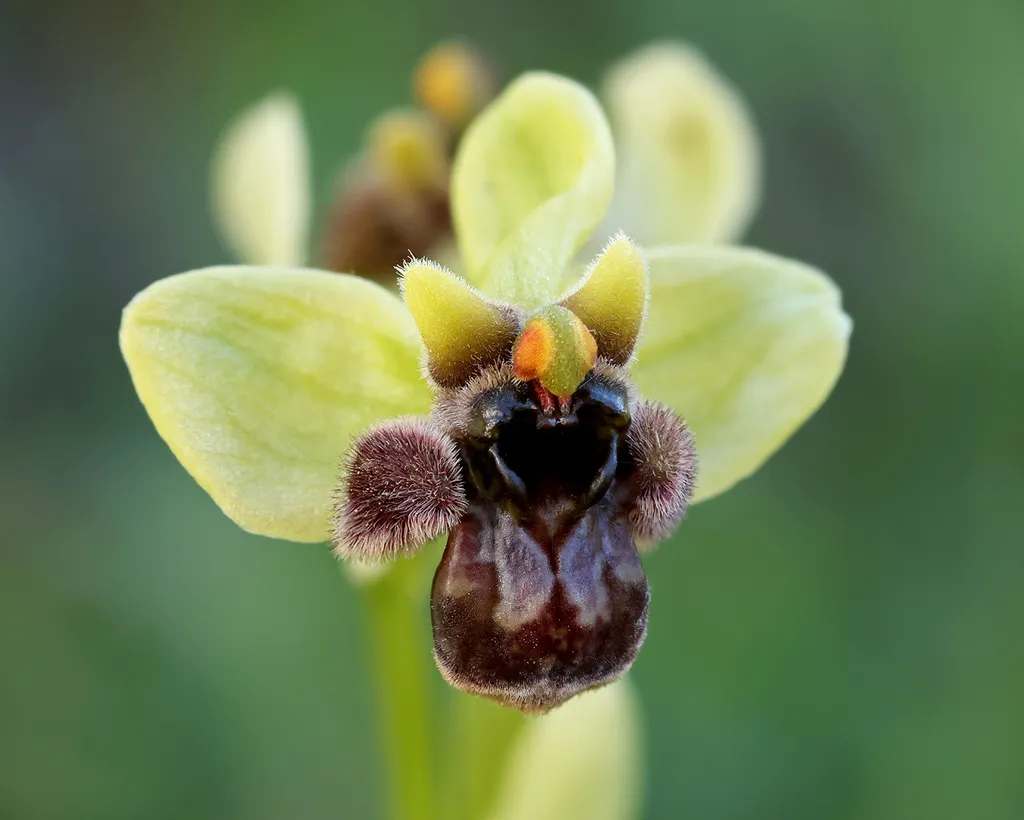
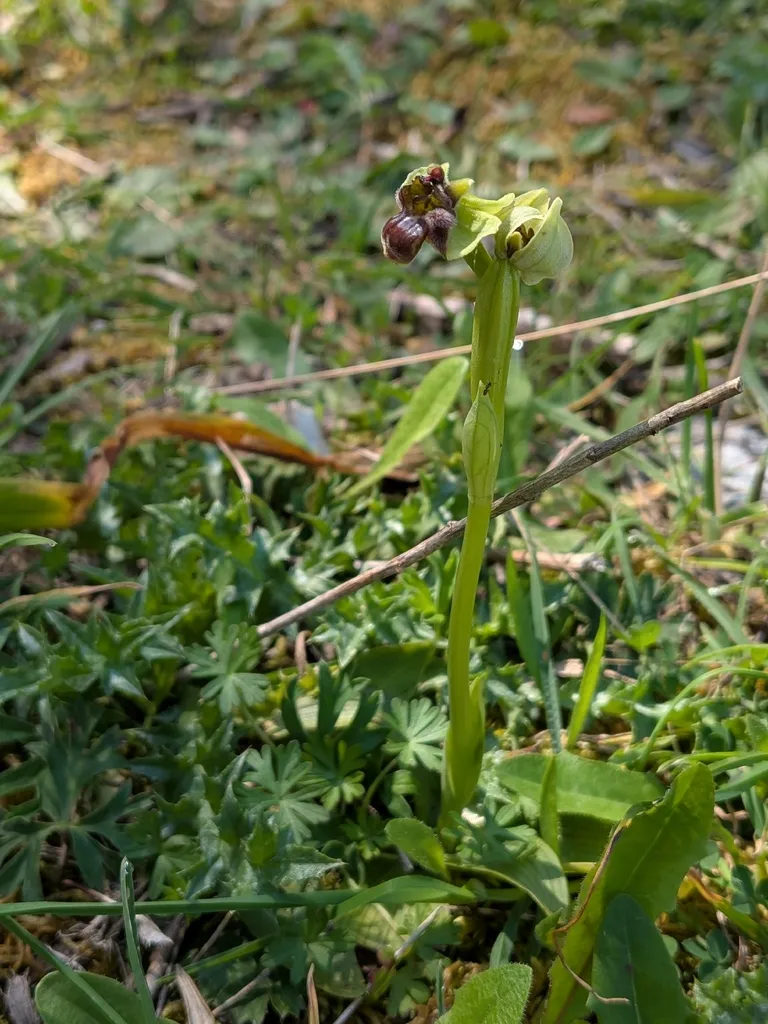
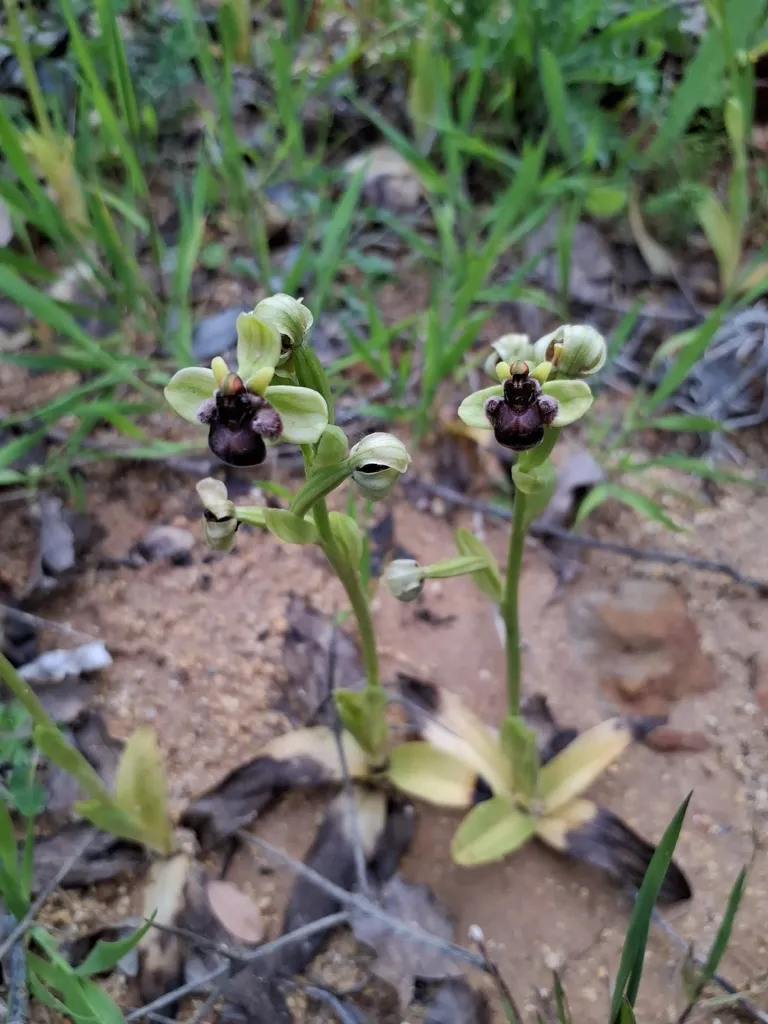
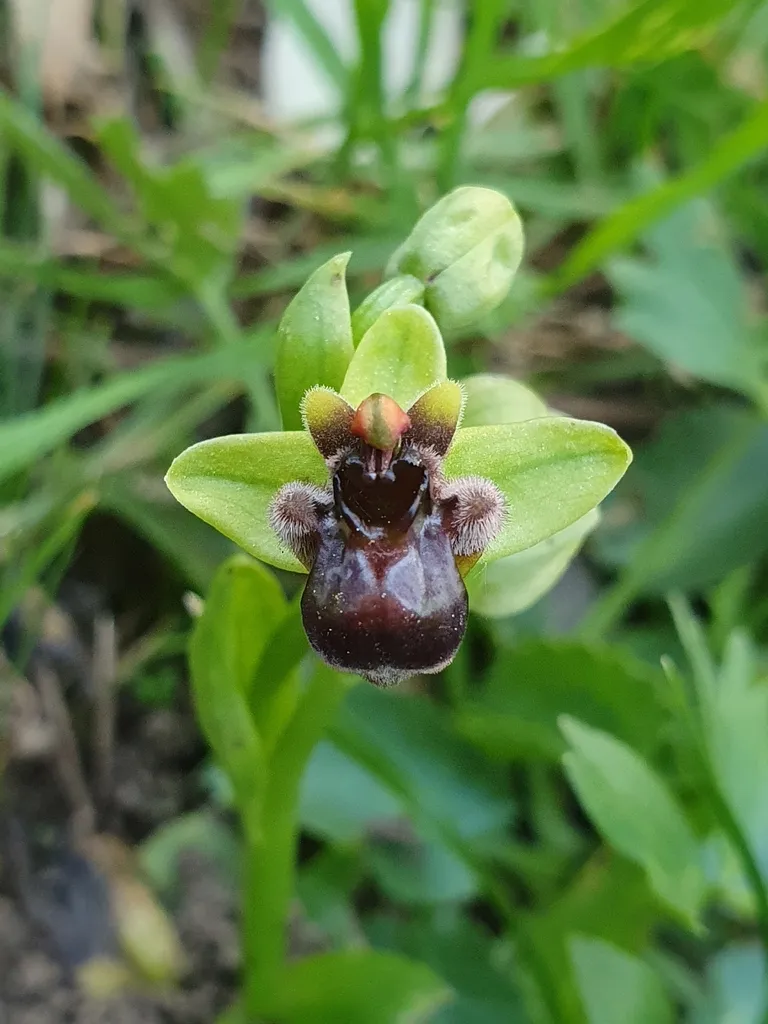
A terrestrial orchid with a rosette of oblong dark green leaves and flower spikes up to 35cm. Flowers may appear from February to April and are a mixture of oval, green sepals and triangle-shaped petals flushed with bronze. It has a three-lobed brownish velvety lip, resembling a bee. The species is very common in Portugal and the Algarve where it thrives in coastal areas with sandy soils containing crushed shells, and on waste ground and abandoned farmland
Scientific classification
- Species
- bumble bee orchid (Ophrys bombyliflora)
- Genus
- Ophrys
- Family
- Orchidaceae
- Order
- Asparagales
- Class
- Liliopsida
- Phylum
- Magnoliophyta
- Information to be completed
- Toxicity
- Herbaceous Perennial
- Plant type
- 0.1-0.5 metres
- Height
- 0-0.1 metre
- Spread
- Deciduous
- Foliage
- Columnar upright
- Habit
- Spring · Winter · Summer
- Season of interest
- Partial shade
- Sunlight
- Information to be completed
- Ideal temperature









bumble bee orchid pictures
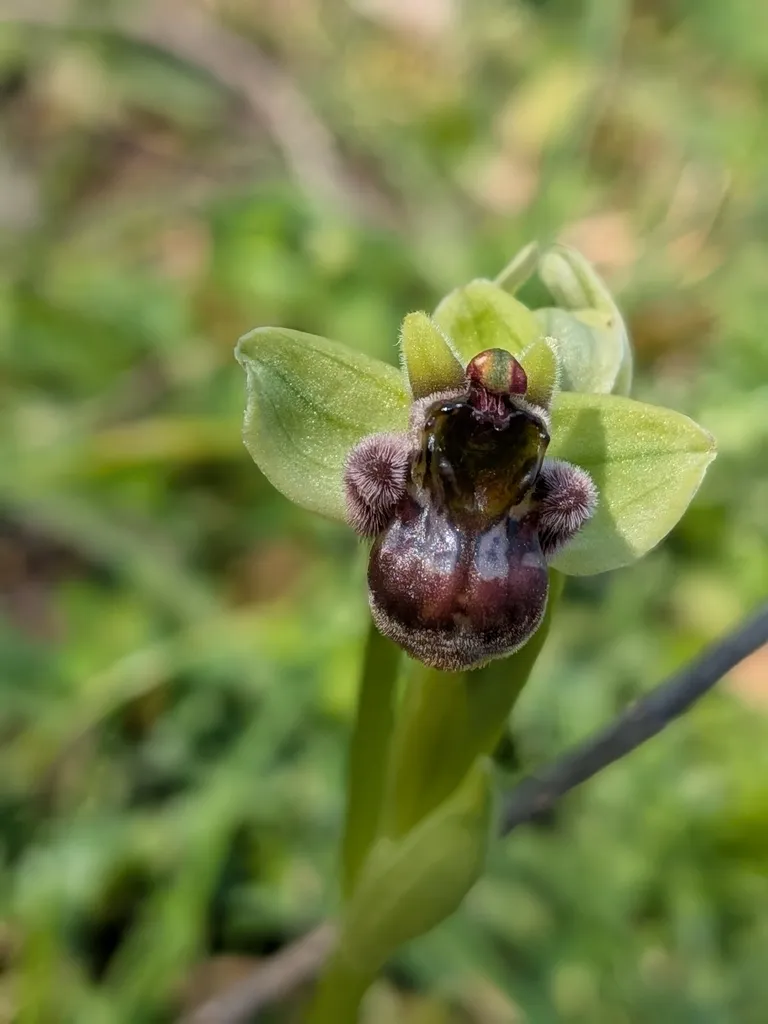
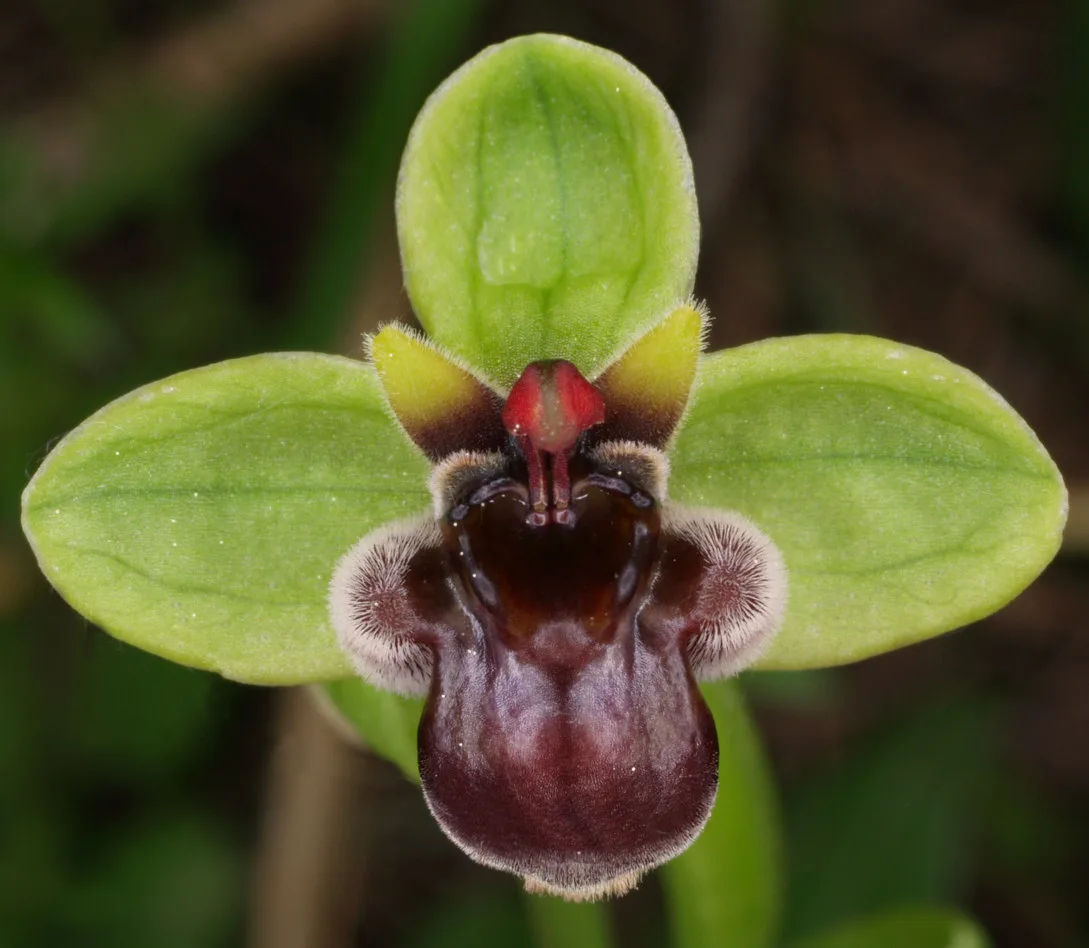
Distribution of bumble bee orchid
Distribution map
Mediterranean
bumble bee orchid care guide
- Moderate regular watering, allowing brief slight drying between soakings
- Watering
- Partial shade
- Sunlight

Watering
Moderate regular watering, allowing brief slight drying between soakings
Fertilizing
 Fertilizing
Balanced perennial feed every four weeks from spring through summer
Pruning
 Pruning
Deadhead as flowers fade
Propagation
 Propagation
Propagate by separating offsets in autumn
Growing
 Growing
Best in well-drained, sandy or gritty, humus-rich, neutral to alkaline soil in partial shade. Plant dormant tubers in autumn, at least 5cm deep. Can be naturalised in fine turf. V
Common pests and diseases
Diseases
Generally disease-free
Pests
May be susceptible to slugs and snails
Explore the plant health library →




