
hare's tail grass
Also known as: bunnies' tails; rabbit's tail grass; Turk's head grass
L. ovatus forms a tuft of narrow, arching leaves, with slender stems bearing dense ovoid flower-heads, at first pale green, later pale buff to cream
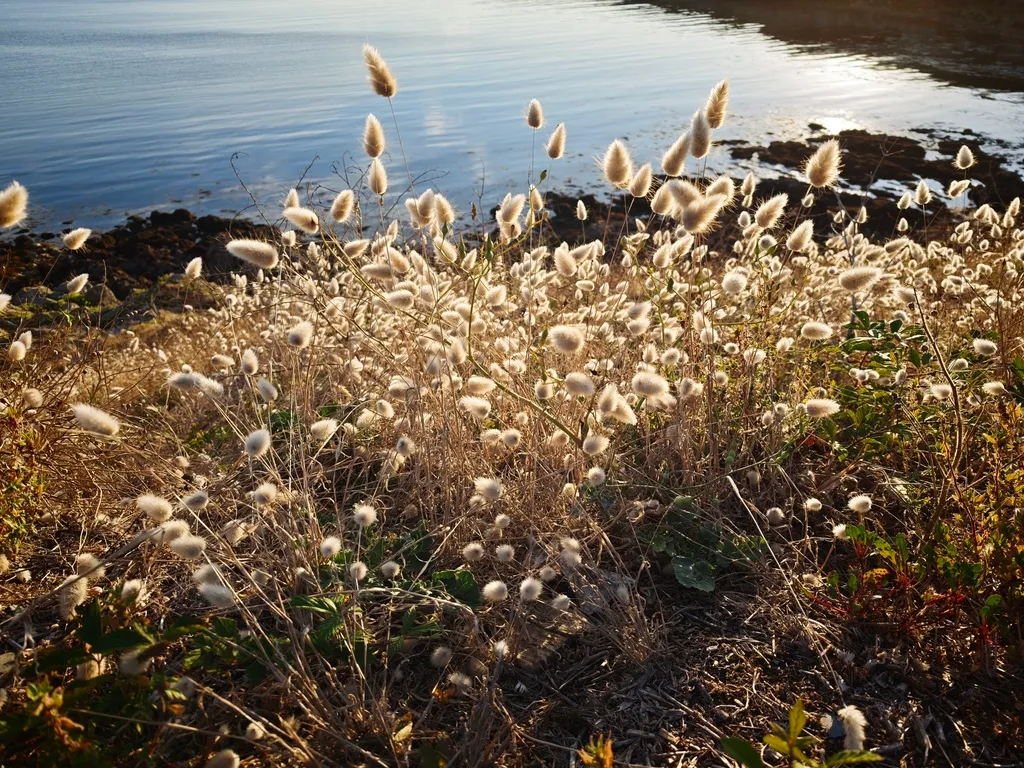
Scientific classification
- Species
- hare's tail grass (Lagurus ovatus)
- Genus
- Lagurus
- Family
- Poaceae
- Order
- Poales
- Class
- Liliopsida
- Phylum
- Magnoliophyta
- Information to be completed
- Toxicity
- Grass Like
- Plant type
- 0.1-0.5 metres
- Height
- 0.1-0.5 metres
- Spread
- Deciduous
- Foliage
- Tufted
- Habit
- Spring · Summer · Autumn
- Season of interest
- Full sun
- Sunlight
- Information to be completed
- Ideal temperature









hare's tail grass pictures
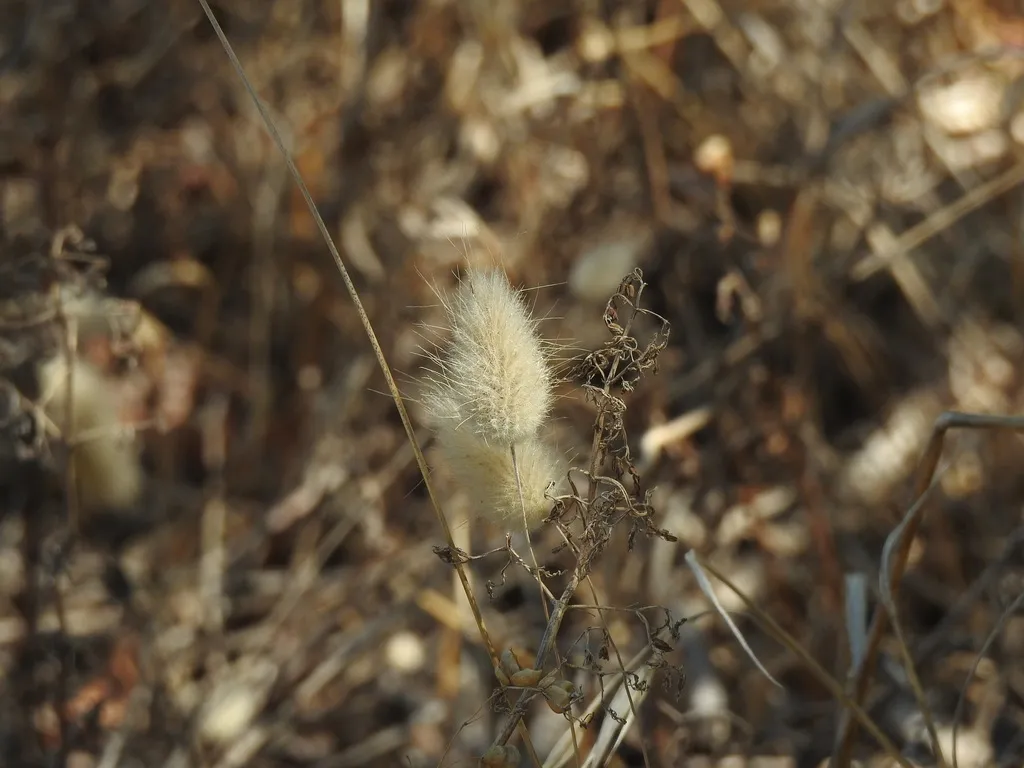
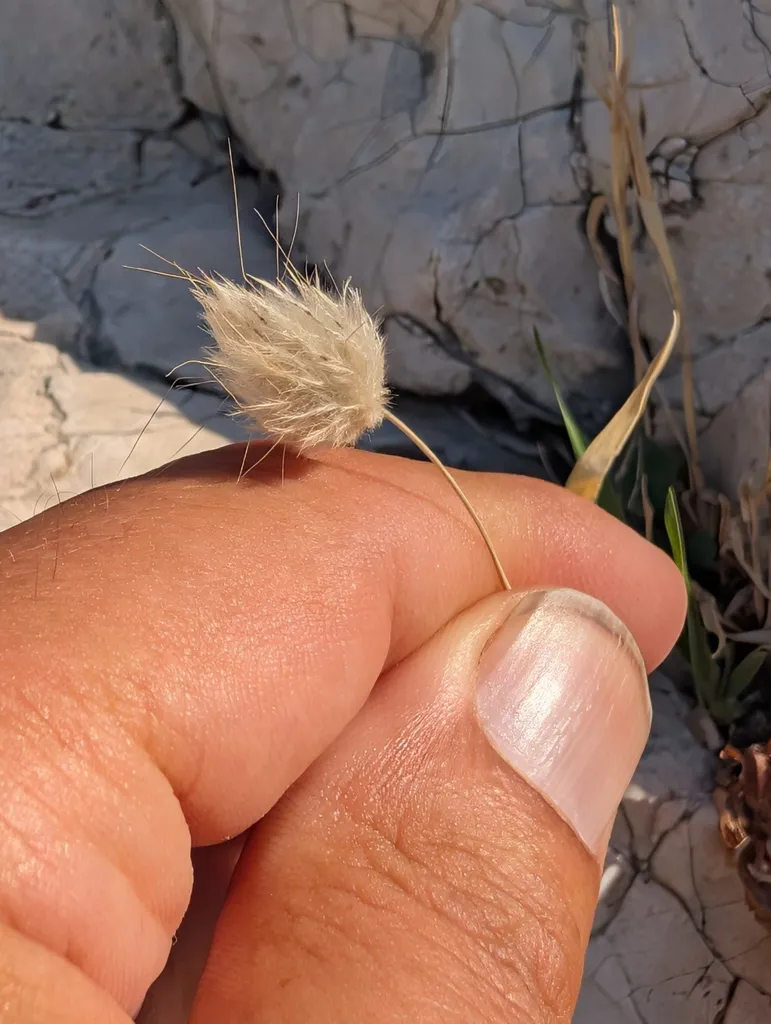
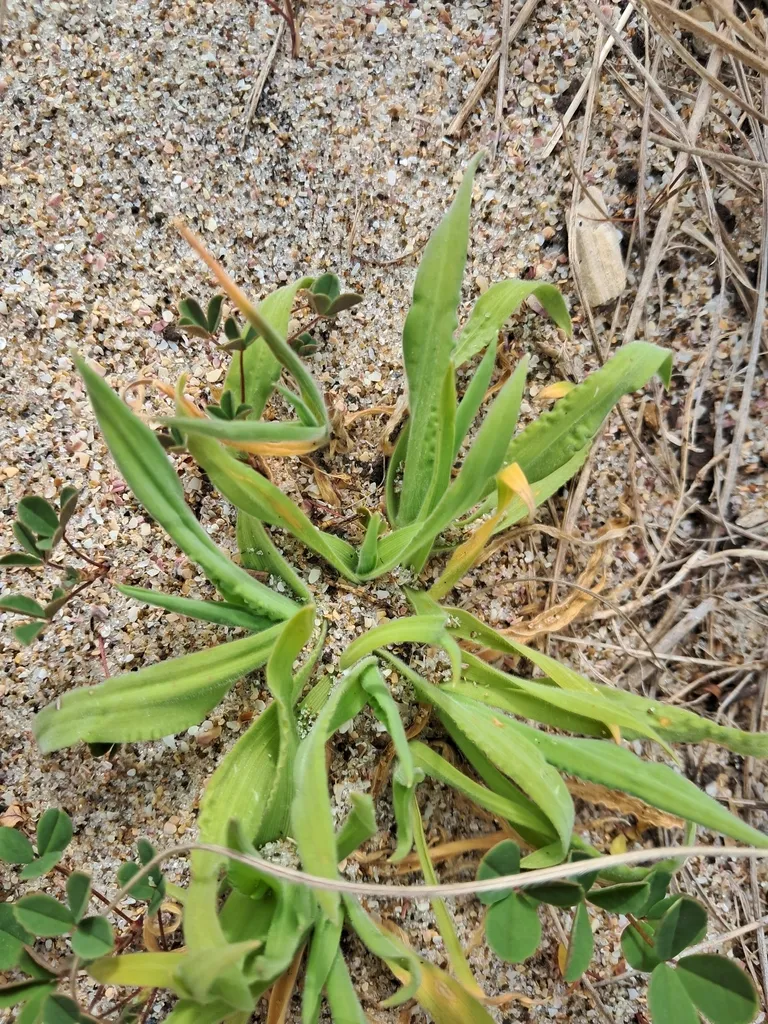
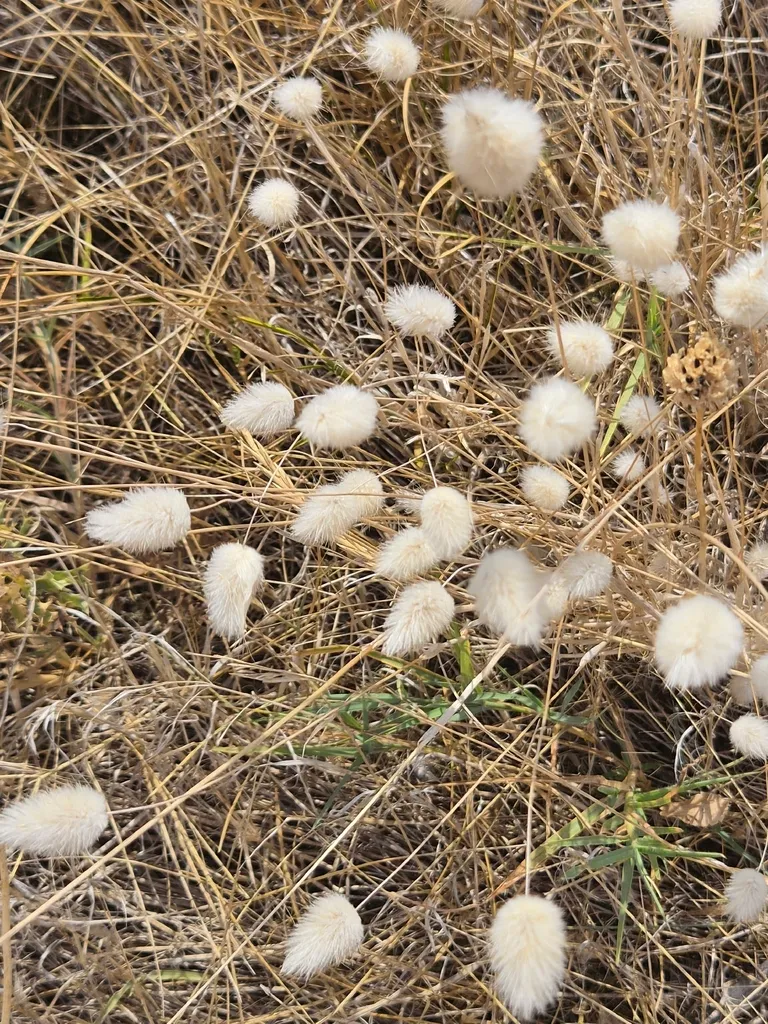
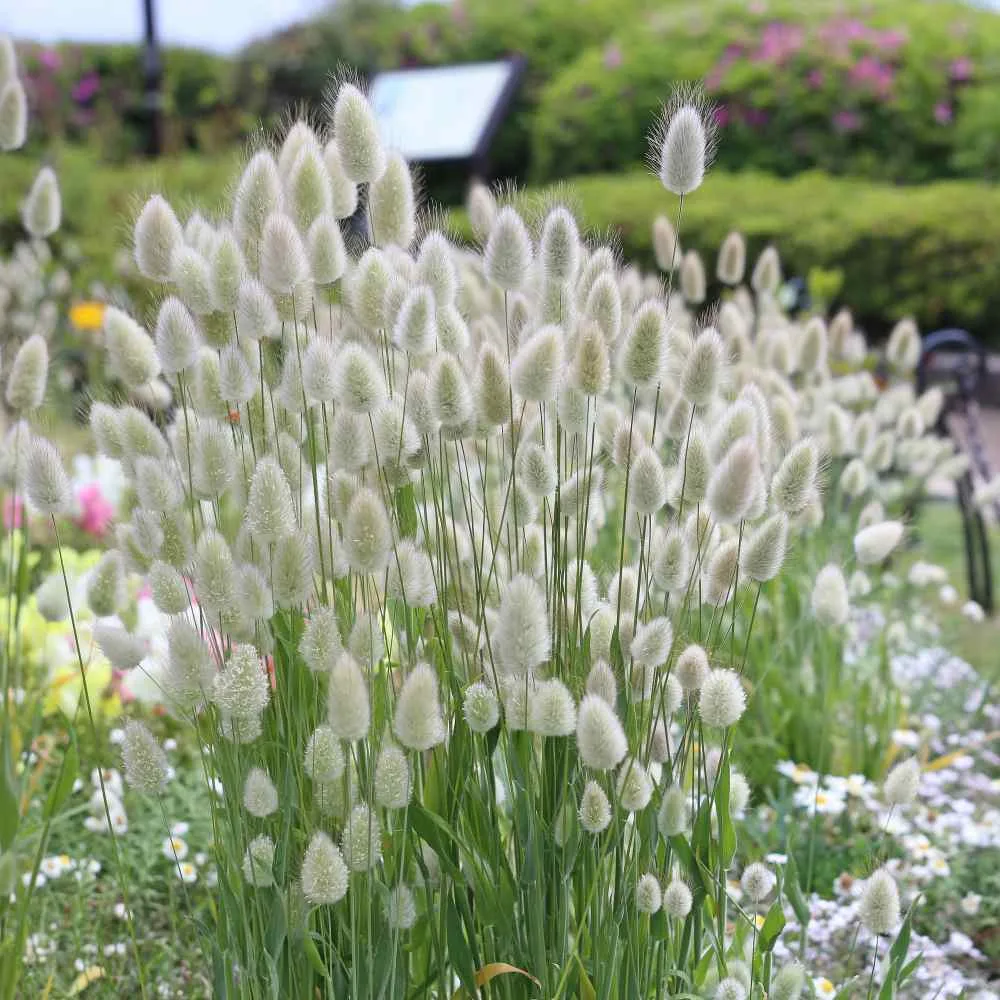
Distribution of hare's tail grass
Distribution map
- Native
- Introduced
- Cultivated
Source:WCVP v16 · Royal Botanic Gardens, Kew · CC BY 3.0 · Boundaries:WGSRPD / TDWG
hare's tail grass care guide
- Moderate regular watering, allowing brief slight drying between soakings
- Watering
- Full sun
- Sunlight

Watering
Moderate regular watering, allowing brief slight drying between soakings
Fertilizing
 Fertilizing
Balanced perennial feed every four weeks from spring through summer
Pruning
 Pruning
No pruning required
Propagation
 Propagation
Propagate by seed sown in situ in spring or by sowing seed in containers in a cold frame in spring
Growing
 Growing
Grow in medium to light, moderately fertile soil in a warm, sunny site. Prefers sandy soil
Common pests and diseases
Diseases
Generally disease free
Pests
Generally pest-free
Explore the plant health library →




