
Anthurium schlechtendalii
Also known as: Information to be completed
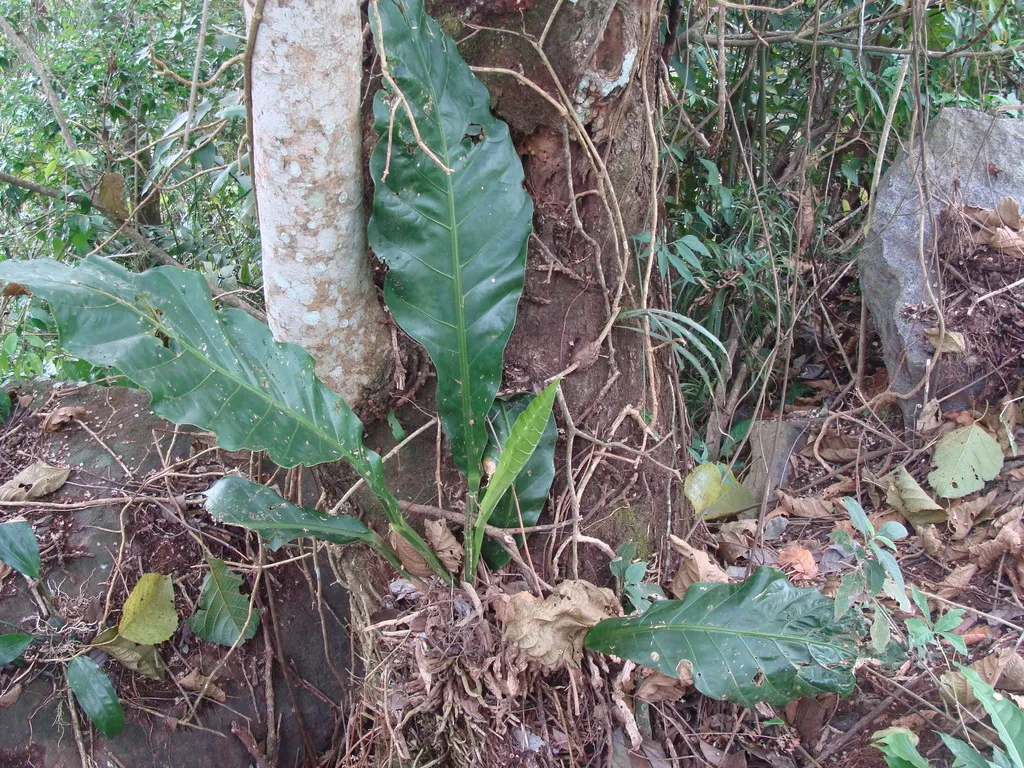
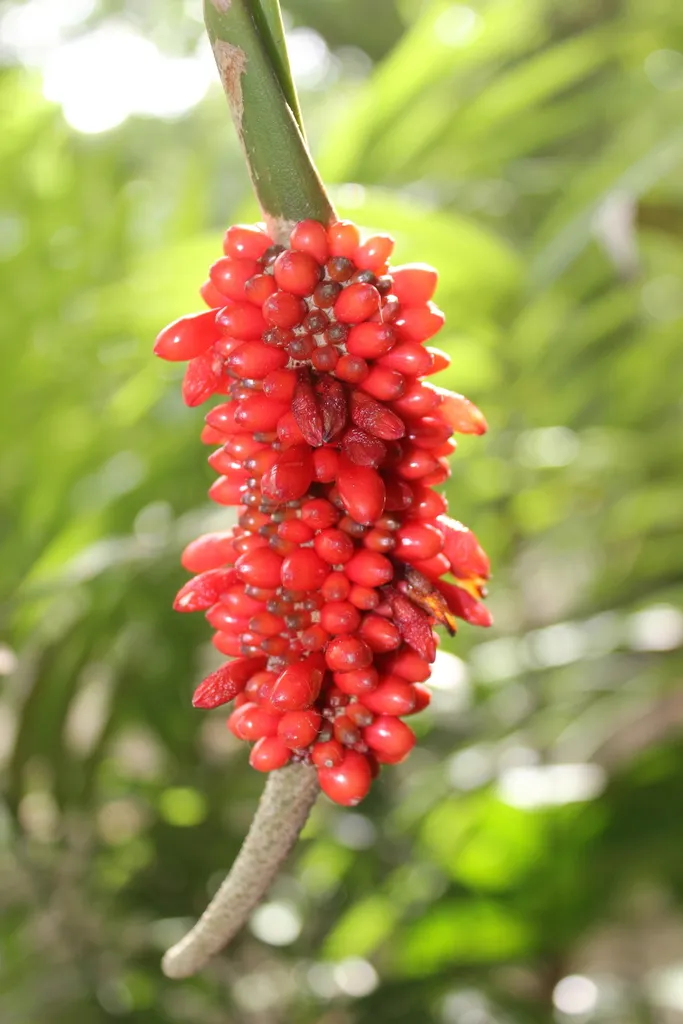
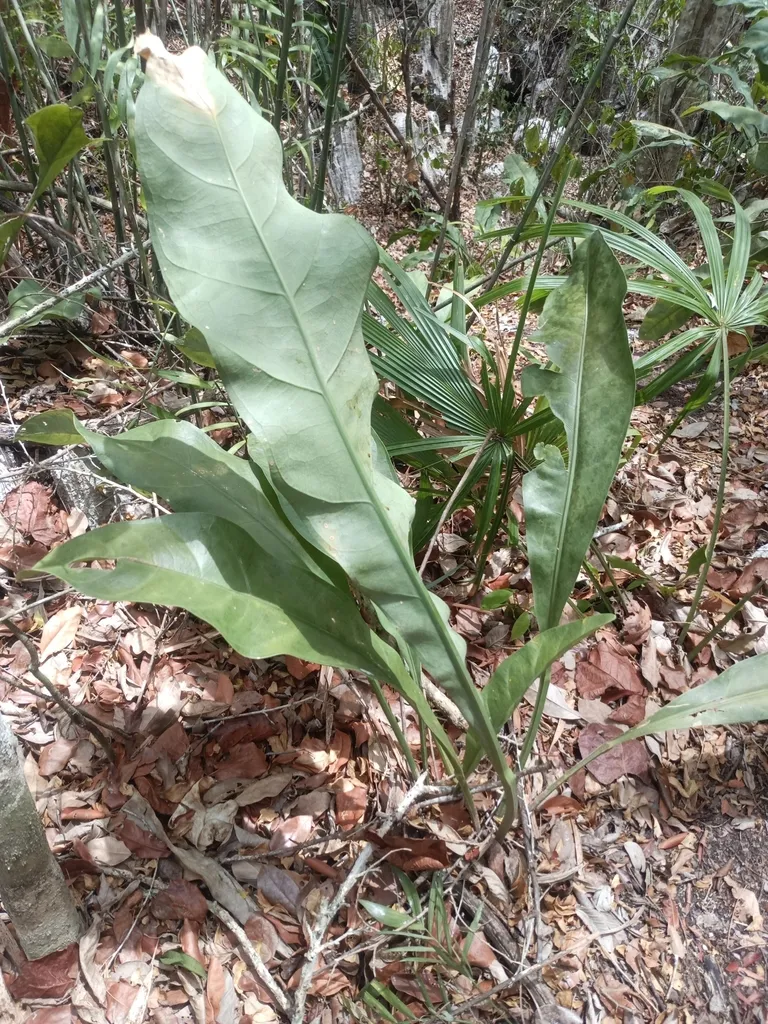
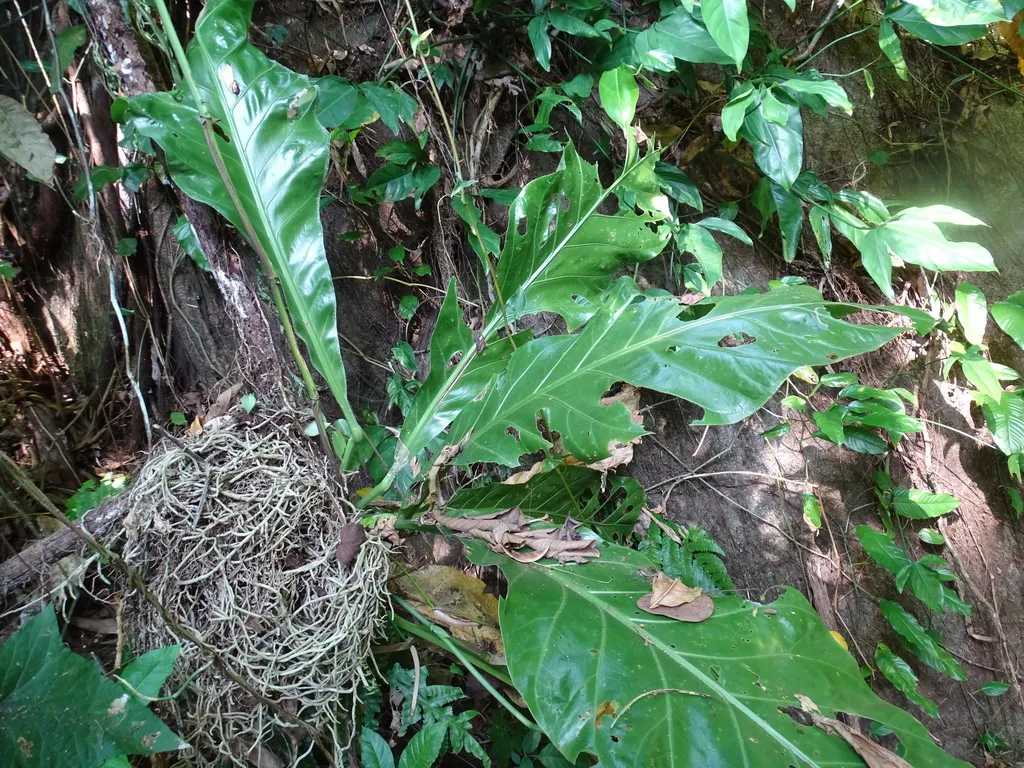
A clump-forming, evergreen plant eventually reaching up to 3m tall and wide. Erect leaves up to 1m long are oval to elliptic in shape with wavy margins and prominent veins. A greenish spathe tinged with purple surrounds a brown spadix to aprroximately 60cm long that may produce red, berry-like fruit
Scientific classification
- Species
- Anthurium schlechtendalii (Anthurium schlechtendalii)
- Genus
- Anthurium
- Family
- Araceae
- Order
- Alismatales
- Class
- Liliopsida
- Phylum
- Magnoliophyta
- Harmful if eaten, skin/eye irritant. Wear gloves and other protective equipment when handling]
- Toxicity
- Conservatory Greenhouse · Houseplants
- Plant type
- 2.5-4 metres
- Height
- 2.5-4 metres
- Spread
- Evergreen
- Foliage
- Bushy · Clump forming
- Habit
- Spring · Summer · Autumn · Winter
- Season of interest
- Full sun · Partial shade
- Sunlight
- Information to be completed
- Ideal temperature









Anthurium schlechtendalii pictures
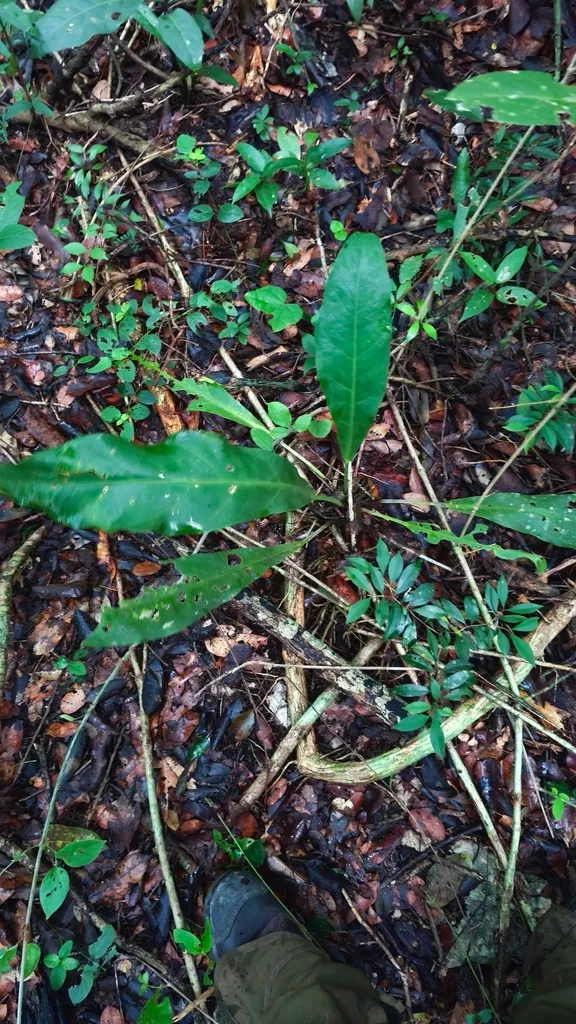
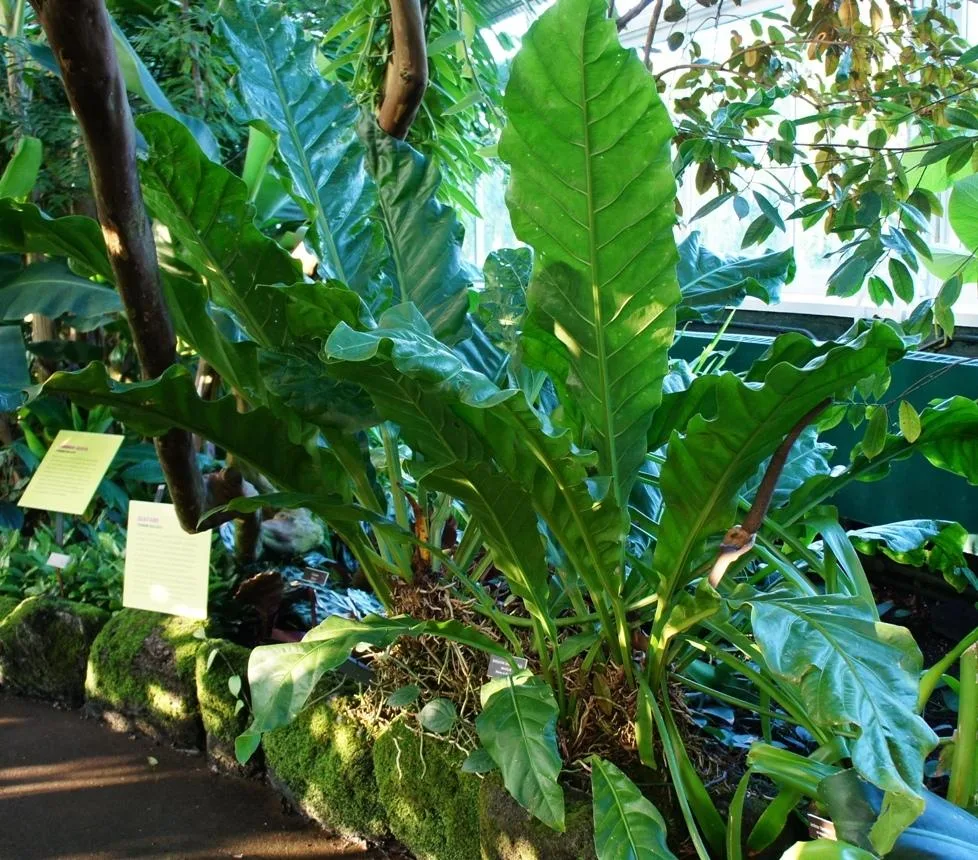
Distribution of Anthurium schlechtendalii
Distribution map
- Native
- Introduced
- Cultivated
Source:WCVP v16 · Royal Botanic Gardens, Kew · CC BY 3.0 · Boundaries:WGSRPD / TDWG
Toxicity
Harmful if eaten, skin/eye irritant. Wear gloves and other protective equipment when handling]
Anthurium schlechtendalii care guide
- Evenly moist substrate always, tropical anthurium hates full soil dryness
- Watering
- Full sun · Partial shade
- Sunlight

Watering
Evenly moist substrate always, tropical anthurium hates full soil dryness
Fertilizing
 Fertilizing
Diluted high-phosphorus tropical feed monthly spring to early autumn
Pruning
 Pruning
No pruning required
Propagation
 Propagation
Propagate by seed or division
Growing
 Growing
Grow in a moist but not waterlogged soil in filtered sunlight or full shade in summer; can be grown outdoors in summer in sheltered areas of the garden
Common pests and diseases
Diseases
May be susceptible to leaf spot
Pests
May be susceptible to mealy bugs and scale insects
Explore the plant health library →




