
beetroot
Also known as: fodder beet; mangel wurzel; mangold; root beet; root of scarcity; sugar beet
This is the original plant from which our cultivated beet plants have been selected. It has deep green, fleshy leaves which are edible, as in leaf beet and colourful stems making it extremely ornamental as a foliage plant, as in chard. In some, the root has become swollen like beetroot, sugar beet and fodder beets like mangleworzel. Flowers are inconspicuous pale green granules, produced in vast numbers
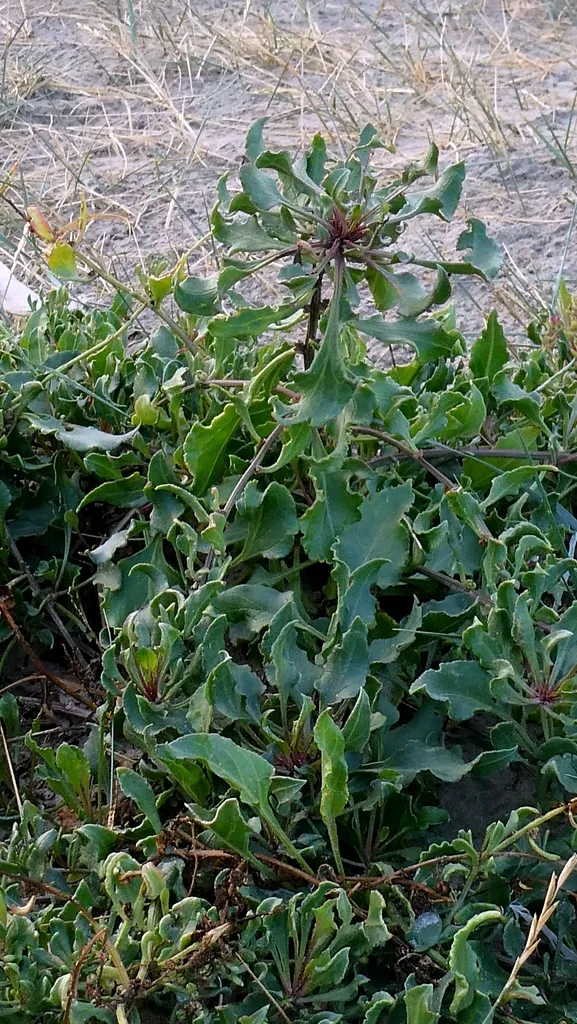
Scientific classification
- Species
- beetroot (Beta vulgaris)
- Genus
- Beta
- Family
- Amaranthaceae
- Order
- Caryophyllales
- Class
- Magnoliopsida
- Phylum
- Tracheophyta
- Information to be completed
- Toxicity
- Annual Biennial · Herbs - Culinary
- Plant type
- 0.5-1 metres
- Height
- 0.1-0.5 metres
- Spread
- Semi evergreen
- Foliage
- Clump forming
- Habit
- Spring · Summer · Autumn · Winter
- Season of interest
- Full sun · Partial shade
- Sunlight
- Information to be completed
- Ideal temperature









beetroot pictures
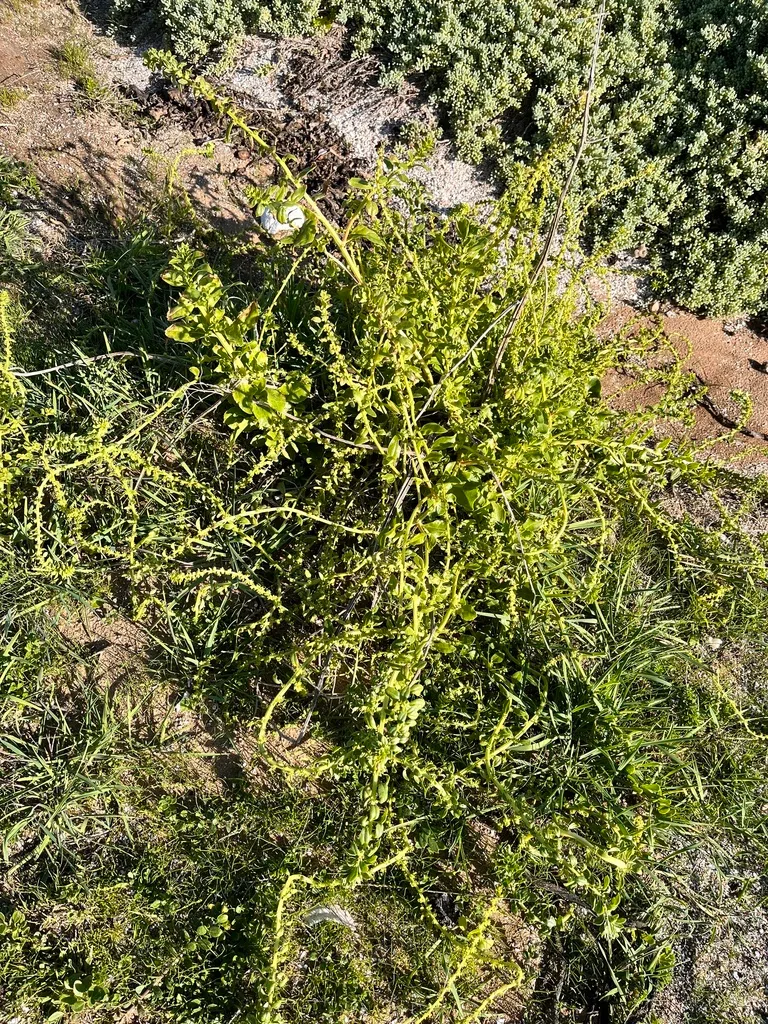
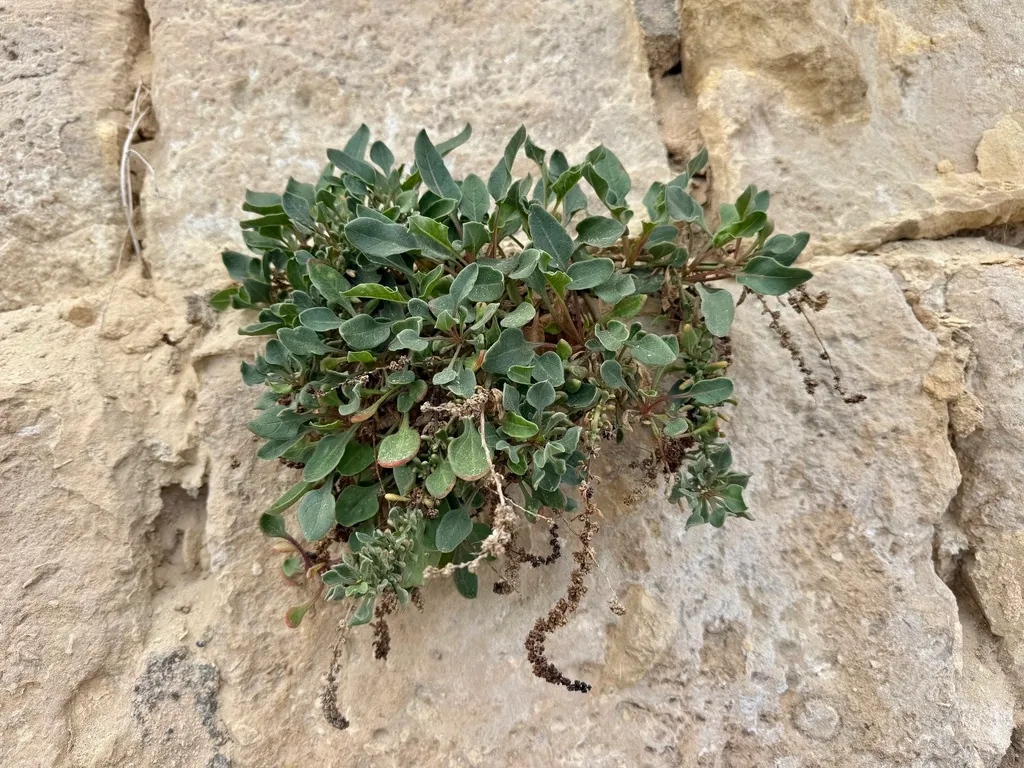
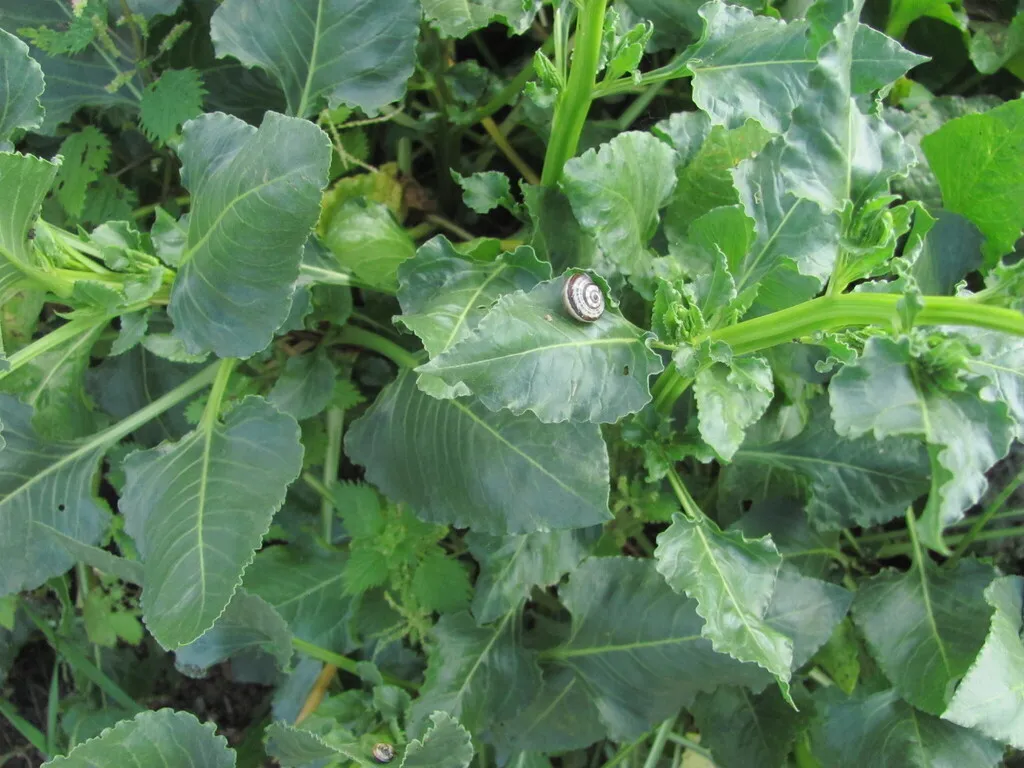
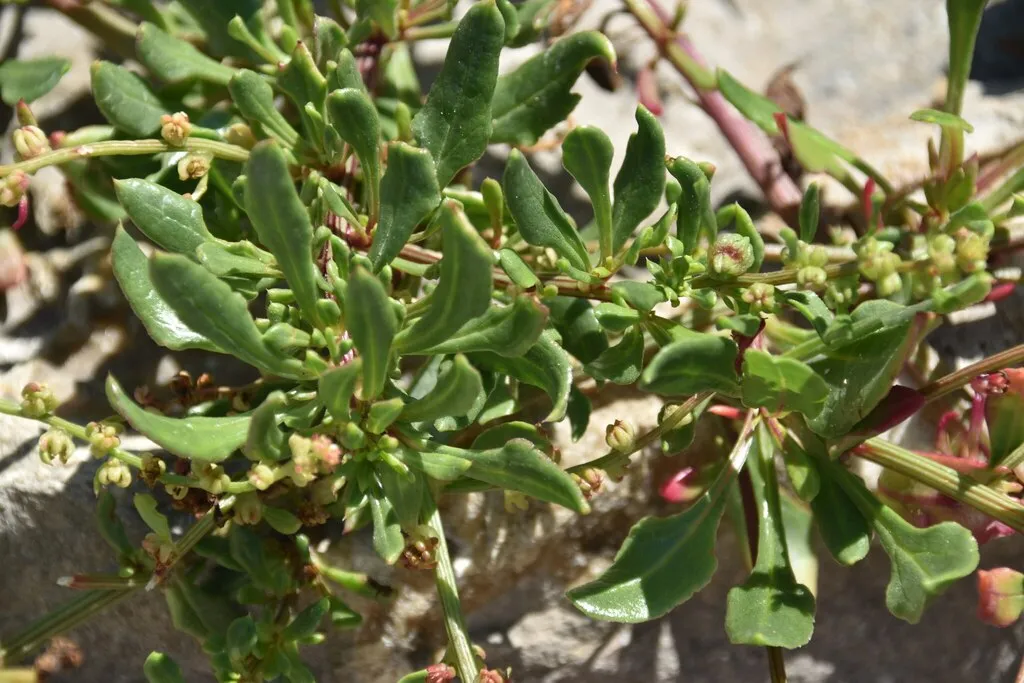
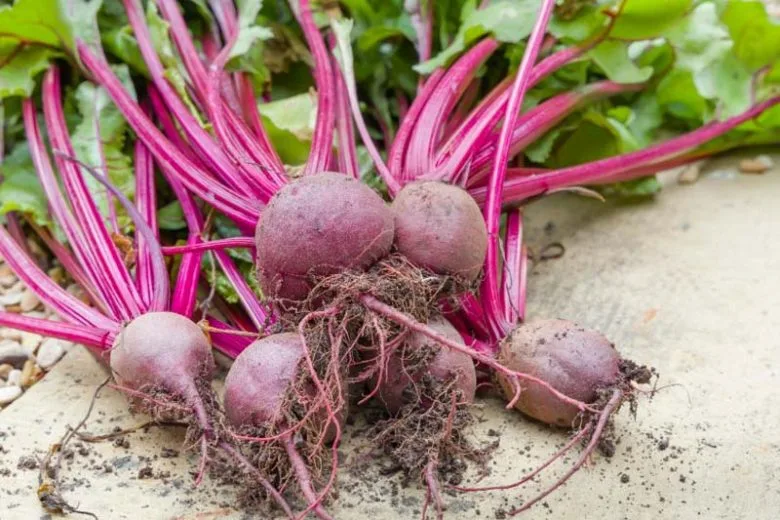
Distribution of beetroot
Distribution map
- Native
- Introduced
- Cultivated
Source:WCVP v16 · Royal Botanic Gardens, Kew · CC BY 3.0 · Boundaries:WGSRPD / TDWG
beetroot care guide
- Water regularly to keep soil evenly moist, especially during root development and hot weather.
- Watering
- Full sun · Partial shade
- Sunlight

Watering
Water regularly to keep soil evenly moist, especially during root development and hot weather.
Fertilizing
 Fertilizing
Apply a low-nitrogen, high-phosphorus root-vegetable fertilizer at planting and mid-growth.
Pruning
 Pruning
No pruning needed
Propagation
 Propagation
Propagate by seed. See sowing vegetable seeds
Growing
 Growing
Grow in any moist but well-drained soil in good light. Will grow well in coastal locations. For more advice, see beetroot cultivation
Common pests and diseases
Diseases
May be susceptible to grey moulds and downy mildews
Pests
May be susceptible to pigeons and slugs and snails
Explore the plant health library →




