
ornamental cabbage
Also known as: wild cabbage
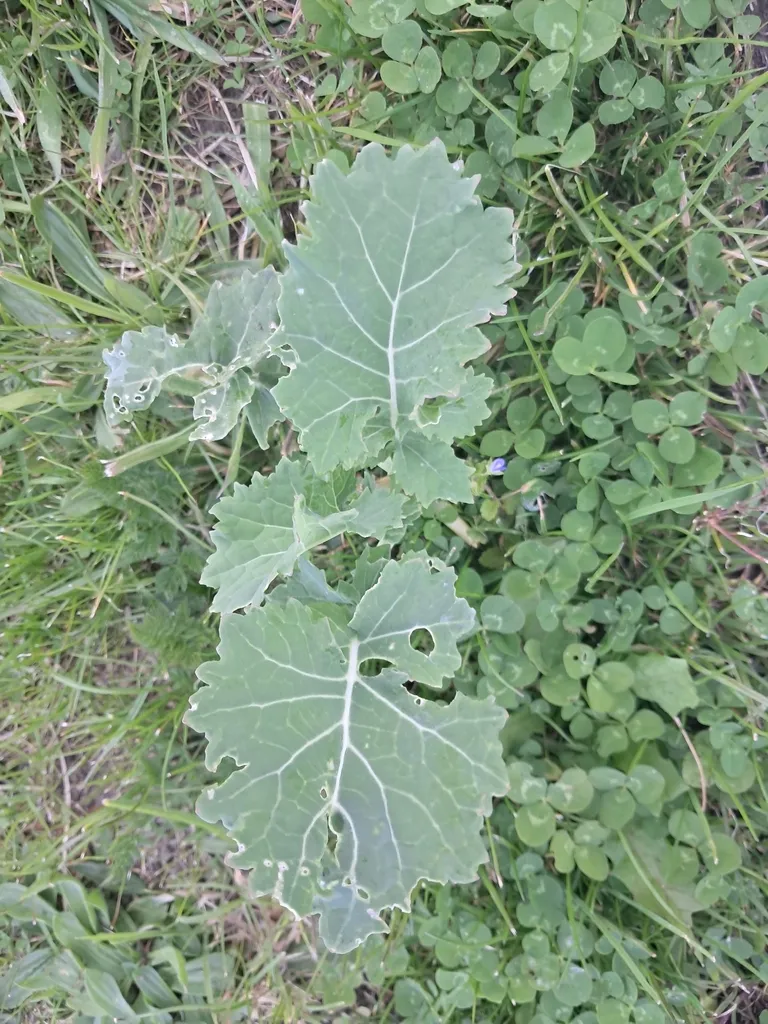
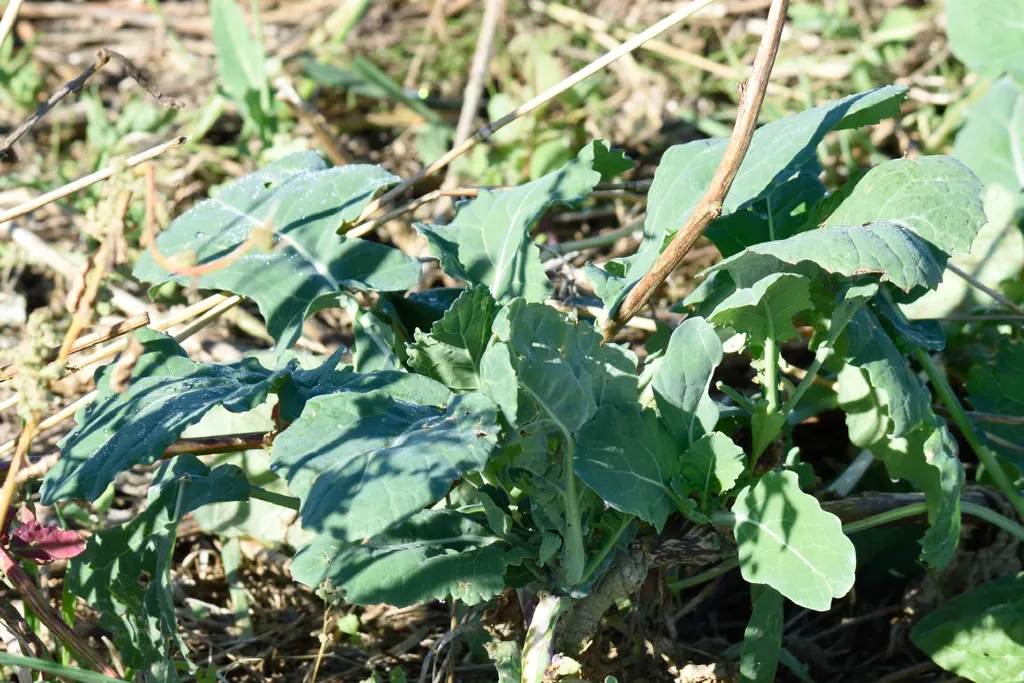
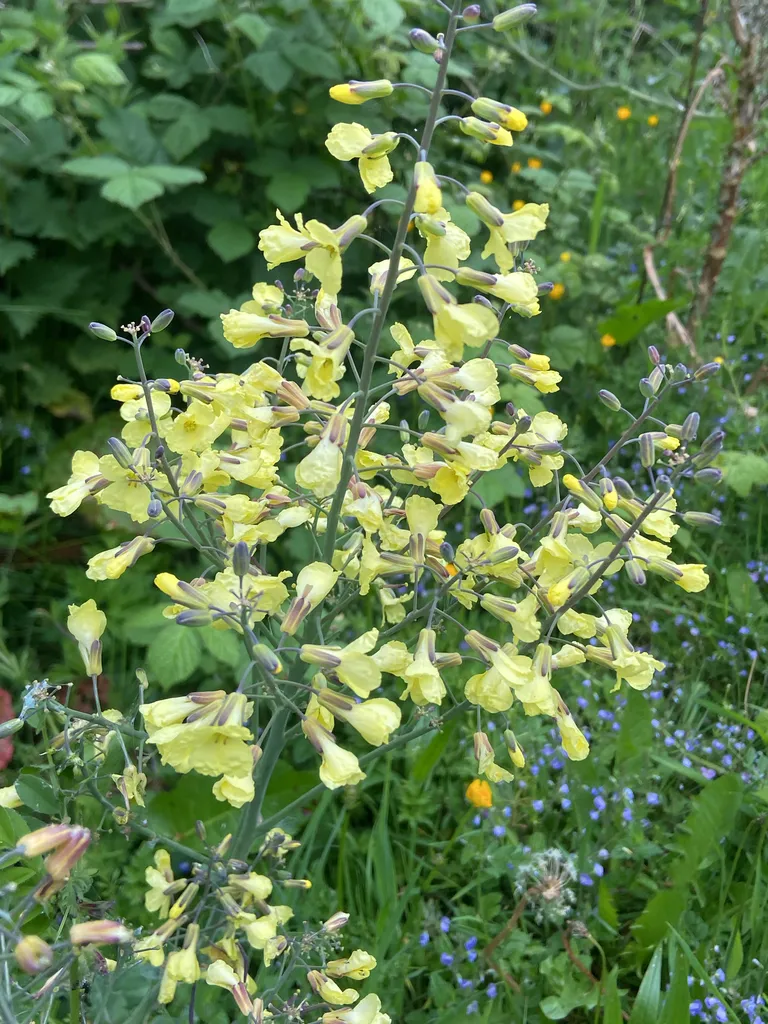
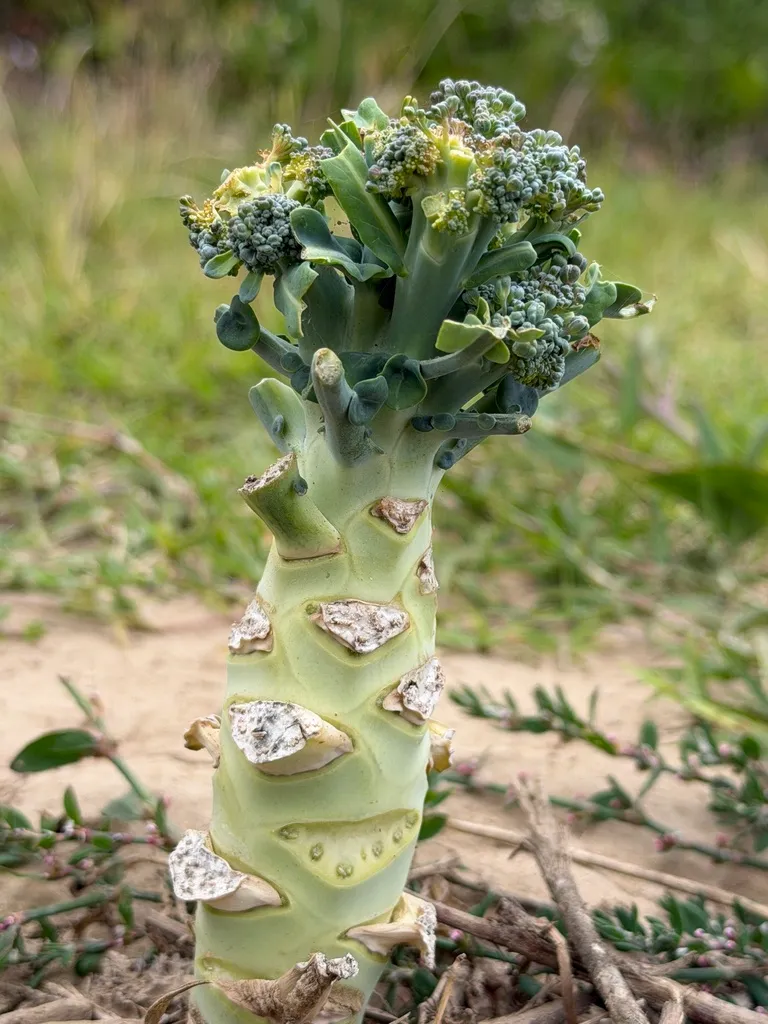
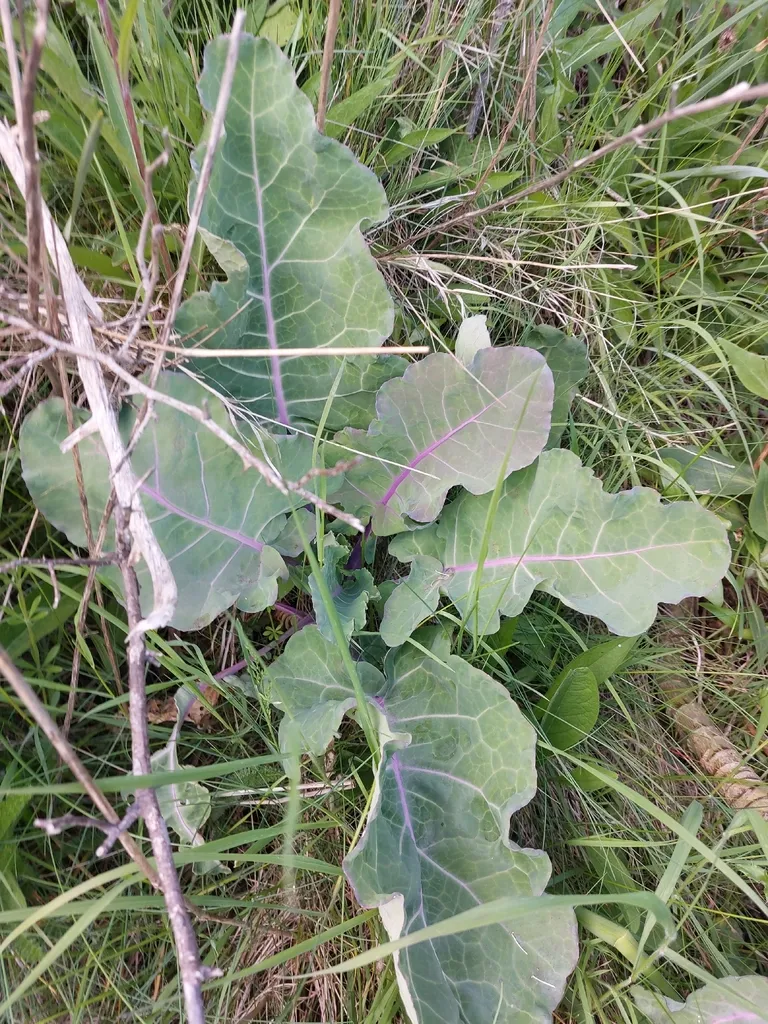
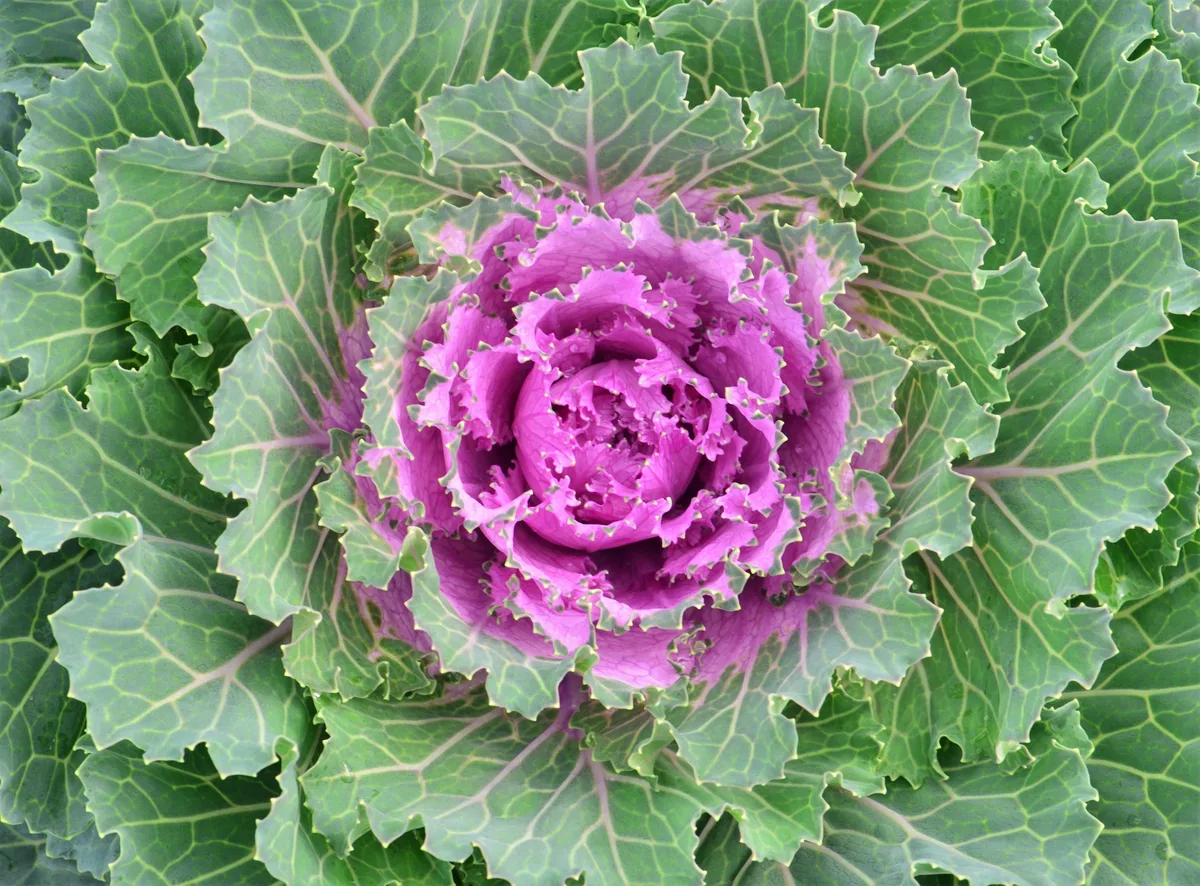
This is the wild cabbage plant from which many types of vegetable have been bred - cabbage, sprouts, broccoli, cauliflower, kale, kohlrabi and more. It is a short-lived perennial which looks very similar to other wild brassicas, with evergreen leaves and yellow flowers. It is extremely variable but the lower leaves are large and fleshy, on stalks, often with several leaflets and a wavy or toothed edge, whilst the upper leaves are small, stalkless and narrow. The flowers become long green pods containing dark brown seeds. All parts are edible when young
Scientific classification
- Species
- ornamental cabbage (Brassica oleracea)
- Genus
- Brassica
- Family
- Brassicaceae
- Order
- Brassicales
- Class
- Magnoliopsida
- Phylum
- Tracheophyta
- Information to be completed
- Toxicity
- Herbaceous Perennial
- Plant type
- 1-1.5 metres
- Height
- 0.1-0.5 metres
- Spread
- Evergreen
- Foliage
- Columnar upright
- Habit
- Spring · Summer · Autumn · Winter
- Season of interest
- Full sun · Partial shade
- Sunlight
- Information to be completed
- Ideal temperature









ornamental cabbage pictures
Distribution of ornamental cabbage
Distribution map
- Native
- Introduced
- Cultivated
Source:WCVP v16 · Royal Botanic Gardens, Kew · CC BY 3.0 · Boundaries:WGSRPD / TDWG
ornamental cabbage care guide
- Keep soil consistently moist for steady leafy growth without drought stress
- Watering
- Full sun · Partial shade
- Sunlight

Watering
Keep soil consistently moist for steady leafy growth without drought stress
Fertilizing
 Fertilizing
Nitrogen-rich vegetable feed every two to three weeks in active growth
Pruning
 Pruning
No pruning necessary
Propagation
 Propagation
Propagate by seed
Growing
 Growing
Grow outdoors in fertile but firm, soil that isn't too acidic. \r\nThis is the wild type of many of our cabbage-type vegetables and it is likely to be this, if you let any of your brassica vegetables run to seed. It is attractive to butterflies and pollen beetles, but take care as it can harbour pests and diseases which on your food crops will be unwelcome.
Common pests and diseases
Diseases
May be susceptible to brassica downy mildew and brassica white blister
Pests
May be susceptible to attack by caterpillars when eggs laid by butterflies, hatch and feed. It is very popular food for pigeons and snails, although once plants are established, this damage isn't usually severe. Also, flea beetle can prevent seedlings from thriving.
Explore the plant health library →




