
cauliflower
Also known as: broccoli; perennial broccoli
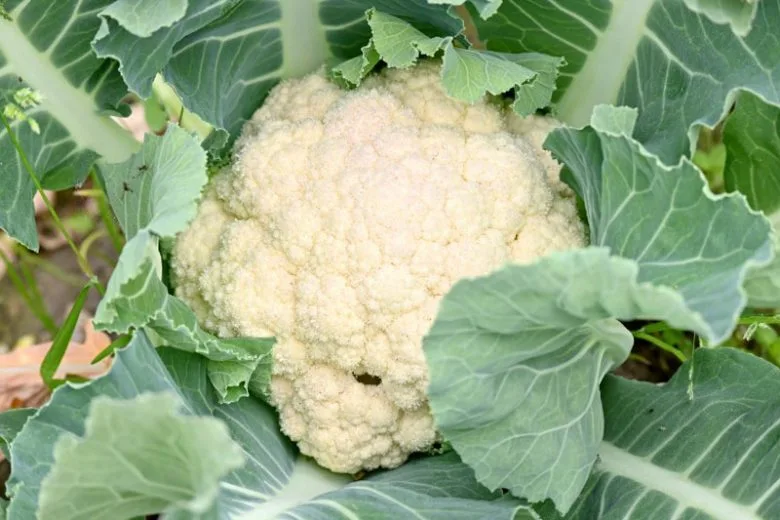
A cultivated group originating from wild cabbage plant, from which all our cauliflower varieties have been bred. They were selected for large, pale-white, dense heads of undeveloped flower buds ( sometimes called ''curds'') which are enveloped by few large, blue-green leaves. There are many varieties of cauliflower available and they come in many colours and shapes
Scientific classification
- Species
- cauliflower (Brassica oleracea (Botrytis Group))
- Genus
- Brassica
- Family
- Brassicaceae
- Order
- Brassicales
- Class
- Magnoliopsida
- Phylum
- Tracheophyta
- Information to be completed
- Toxicity
- Annual Biennial
- Plant type
- 0.1-0.5 metres
- Height
- 0.1-0.5 metres
- Spread
- Semi evergreen
- Foliage
- Columnar upright
- Habit
- Spring · Summer · Autumn · Winter
- Season of interest
- Full sun
- Sunlight
- Information to be completed
- Ideal temperature









cauliflower pictures
Distribution of cauliflower
Distribution map
- Native
- Introduced
- Cultivated
Source:WCVP v16 · Royal Botanic Gardens, Kew · CC BY 3.0 · Boundaries:WGSRPD / TDWG
cauliflower care guide
- Keep soil consistently moist for tender leafy growth, never hard dry
- Watering
- Full sun
- Sunlight

Watering
Keep soil consistently moist for tender leafy growth, never hard dry
Fertilizing
 Fertilizing
Nitrogen-rich vegetable feed every two to three weeks active growth
Pruning
 Pruning
No pruning required
Propagation
 Propagation
Propagate by seed. See sowing vegetable seeds or sowing seeds indoors
Growing
 Growing
Sow seed outdoors in deep, fertile but firm, soil that isn't too acidic. If space is limited, start the seeds in modules or seedtrays and plant outside when big enough to handle easily (about 5 or 6 small leaves). Follow cauliflower cultivation for more advice
Common pests and diseases
Diseases
May be susceptible to brassica downy mildew and brassica white blister. In areas where brassicas have been grown before, clubroot can build up in the soil
Pests
May be susceptible to flea beetle, cabbage root fly, caterpillars, pigeons and snails, although once plants are established, this damage isn't usually severe. Heavy infestations of mealy cabbage aphid may also spoil the harvest
Explore the plant health library →




