
bunny ears 'Albata'
Also known as: Information to be completed
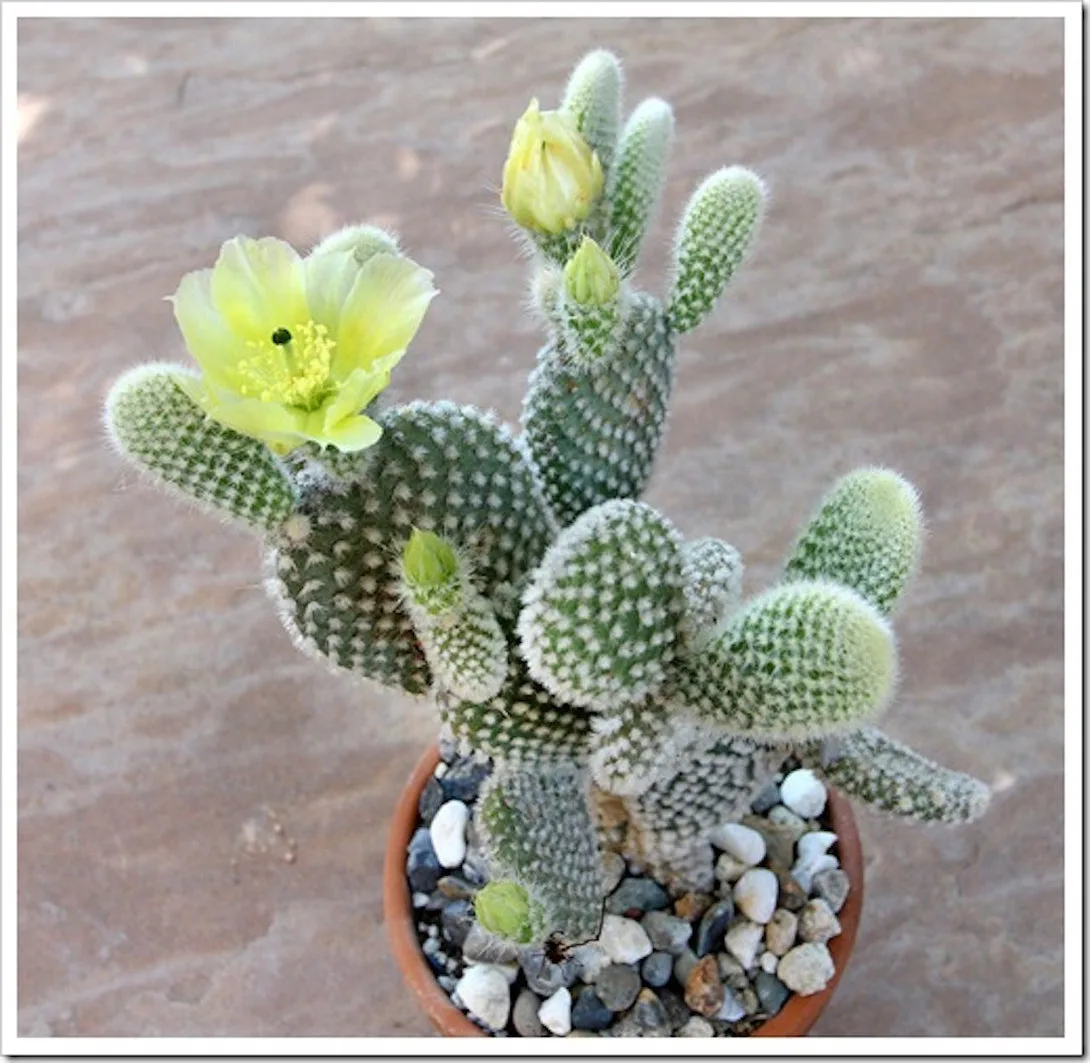
A bushy cactus to 60cm tall, with branched stems composed of flattened 'pads' to 15cm long, with prominent areoles with short white glochids; flowers pale yellow, 4cm across, fruits 4.5cm, purple
Scientific classification
- Species
- bunny ears 'Albata' (Opuntia microdasys 'Albata')
- Genus
- Opuntia
- Family
- Cactaceae
- Skin/eye irritant. Wear gloves and other protective equipment when handling
- Toxicity
- Cactus Succulent
- Plant type
- 0.5-1 metres
- Height
- 0.1-0.5 metres
- Spread
- Evergreen
- Foliage
- Bushy
- Habit
- Autumn · Spring · Summer
- Season of interest
- Full sun
- Sunlight
- Information to be completed
- Ideal temperature









bunny ears 'Albata' pictures
Distribution of bunny ears 'Albata'
Distribution map
Information to be completed
Information to be completed
Culture
Information to be completed
Toxicity
Skin/eye irritant. Wear gloves and other protective equipment when handling
Quick identification of bunny ears 'Albata'
Information to be completed
bunny ears 'Albata' care guide
- Deep watering only after full dryness, keeping roots drier in cool weather
- Watering
- Full sun
- Sunlight
- Information to be completed
- Ideal temperature

Watering
Deep watering only after full dryness, keeping roots drier in cool weather
Fertilizing
 Fertilizing
Very weak cactus fertilizer monthly during warm active growth
Pruning
 Pruning
No pruning required
Propagation
 Propagation
Propagate by seed that has been presoaked and sown in containers at 21C (70F). Separate and root stem segments
Growing
 Growing
Under glass grow in sharply-draining loam based compost (JI No2) with added sharp sand or perlite, or a proprietary cactus compost. Provide full light at all times and allow compost to dry before watering during growth period in spring, summer and early autumn and apply a balanced liquid fertiliser three or four times. Withhold water and fertiliser in winter when dormant. See houseplant cacti and succulent cultivation for further advice
People also ask
Information to be completed
Common pests and diseases
Diseases
Generally disease-free
Pests
May be susceptible to scale insects and mealybugs
Explore the plant health library →




