
Asian bell tree
Also known as: Information to be completed
A bushy, evergreen tree, with glossy, mid-green foliage divided into many leaflets. Reaching 30m in its natural environment it is usually grown as a houseplant and unlikely to exceeed 2m
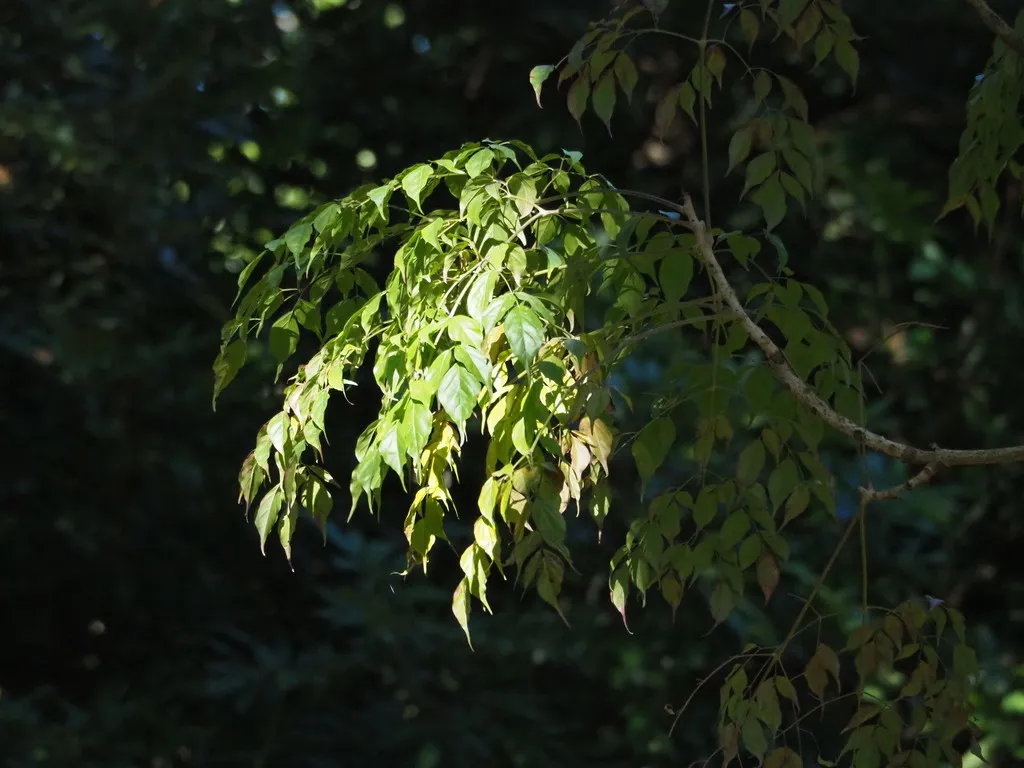
Scientific classification
- Species
- Asian bell tree (Radermachera sinica)
- Genus
- Radermachera
- Family
- Bignoniaceae
- Order
- Lamiales
- Class
- Magnoliopsida
- Phylum
- Magnoliophyta
- Information to be completed
- Toxicity
- Conservatory Greenhouse · Houseplants · Trees
- Plant type
- 1.5-2.5 metres
- Height
- 1-1.5 metres
- Spread
- Evergreen
- Foliage
- Bushy
- Habit
- Spring · Summer · Autumn · Winter
- Season of interest
- Full sun · Partial shade
- Sunlight
- Information to be completed
- Ideal temperature









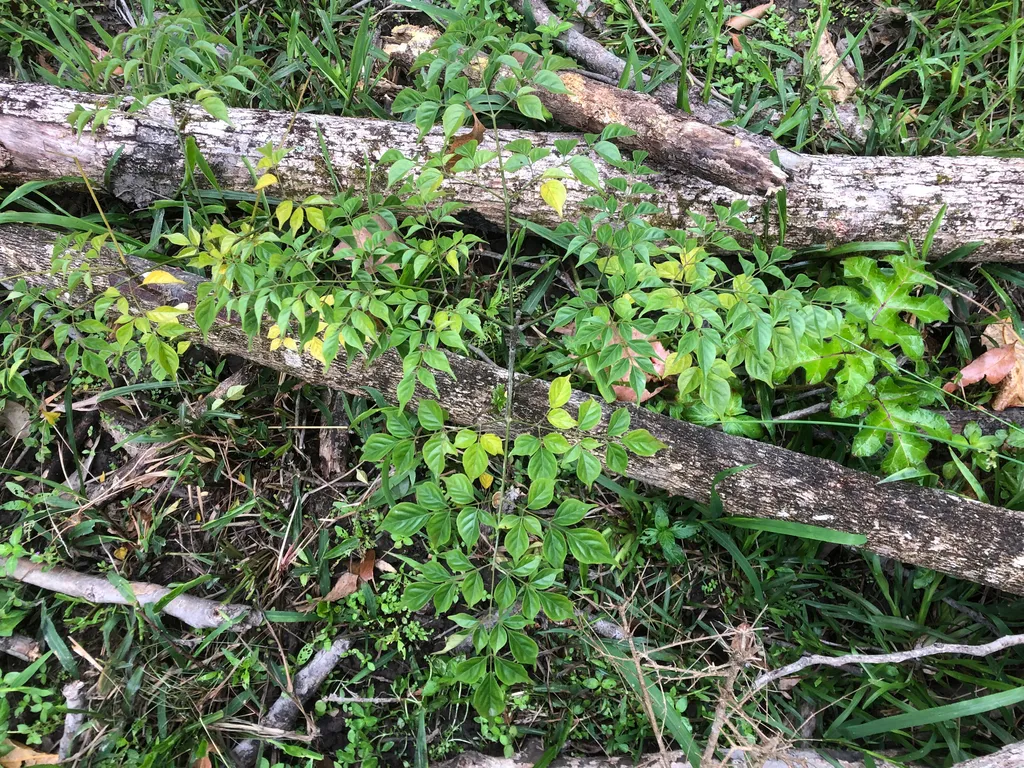
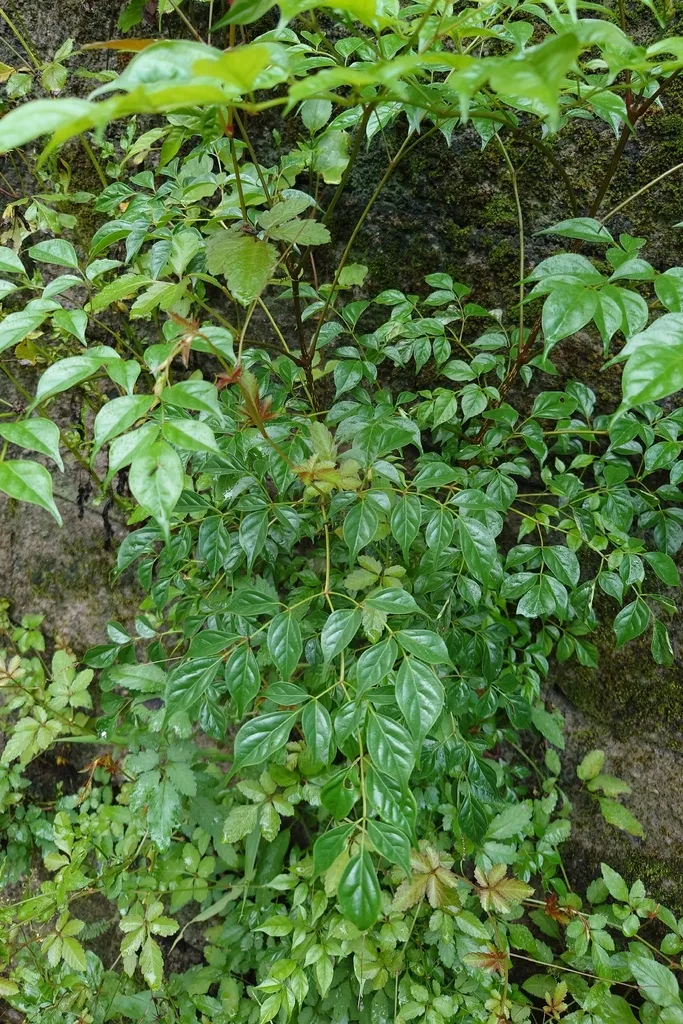
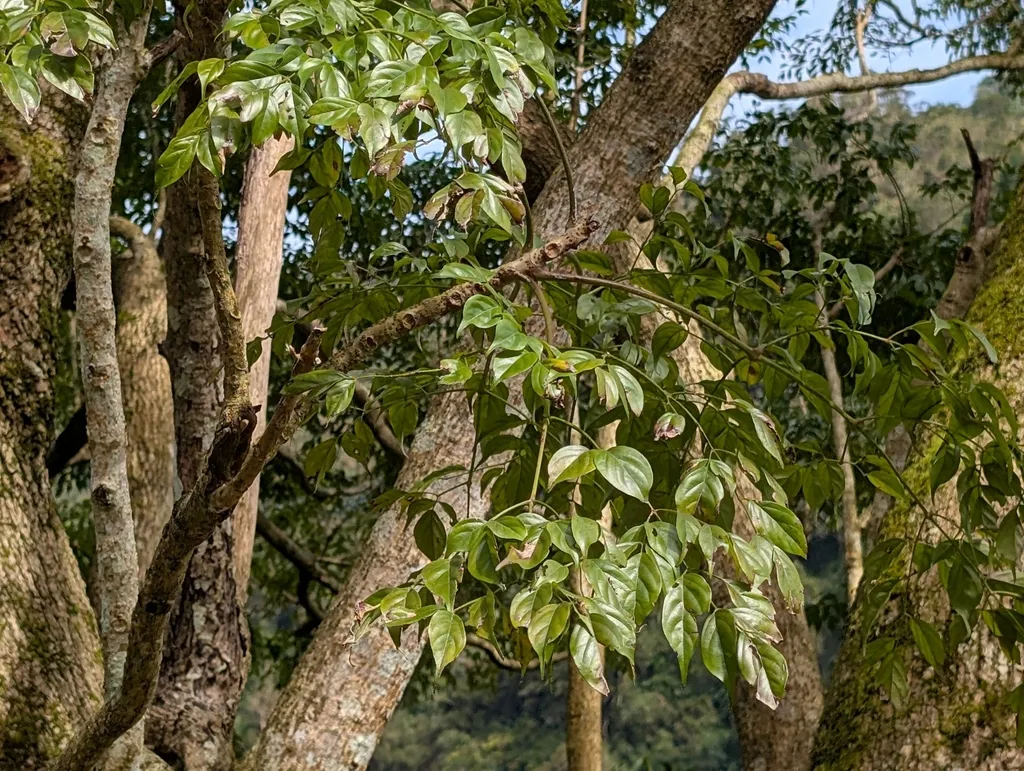
Asian bell tree pictures
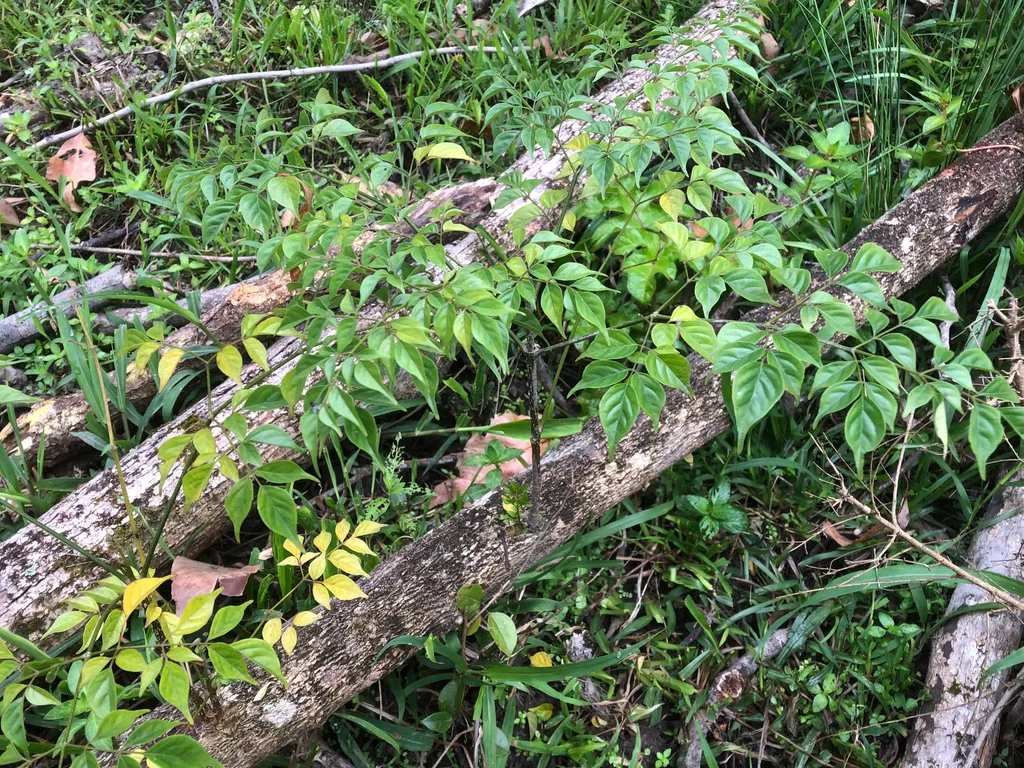
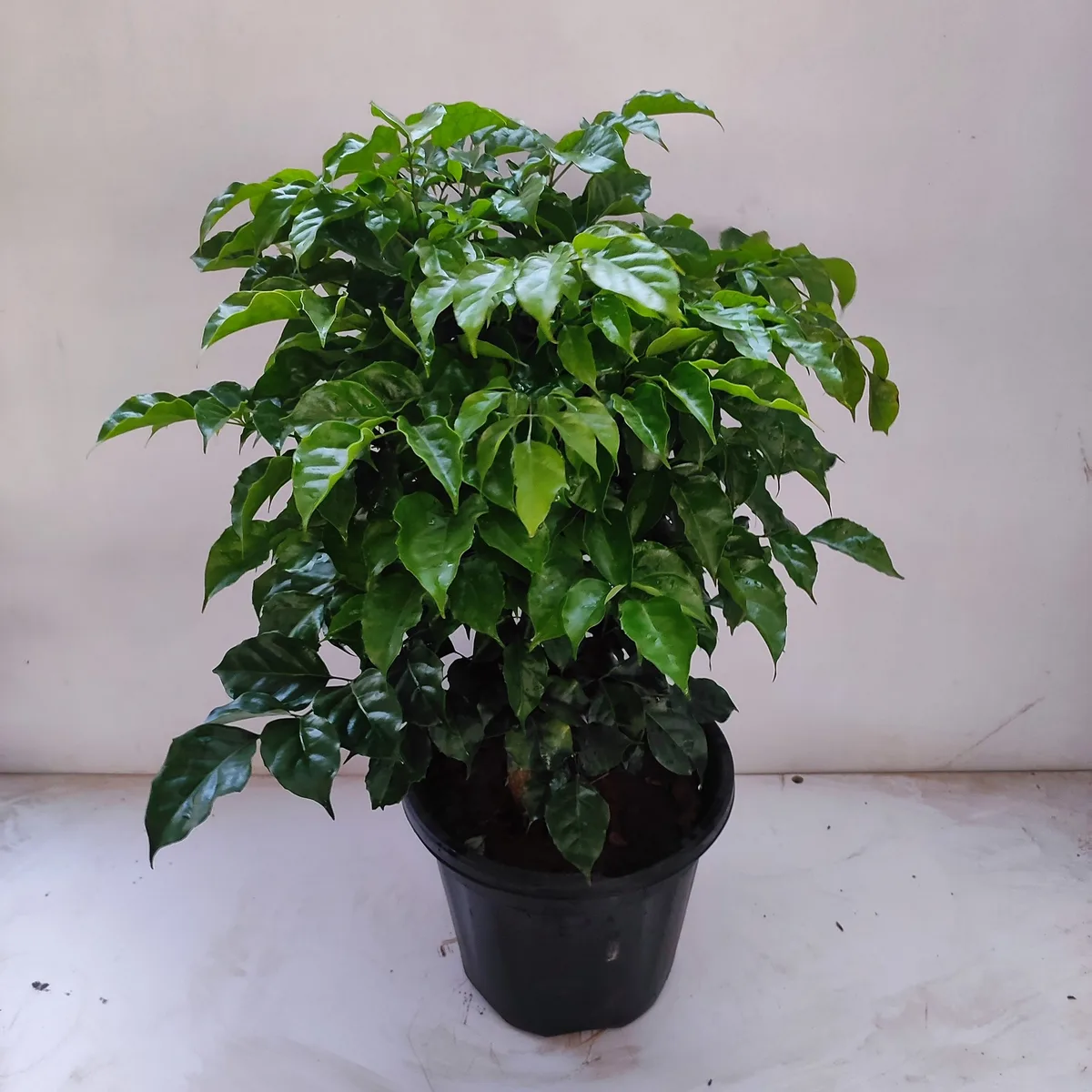
Distribution of Asian bell tree
Distribution map
- Native
- Introduced
- Cultivated
Source:WCVP v16 · Royal Botanic Gardens, Kew · CC BY 3.0 · Boundaries:WGSRPD / TDWG
Asian bell tree care guide
- Moderate regular watering, allowing brief slight drying between soakings
- Watering
- Full sun · Partial shade
- Sunlight

Watering
Moderate regular watering, allowing brief slight drying between soakings
Fertilizing
 Fertilizing
Balanced perennial feed every four weeks from spring through summer
Pruning
 Pruning
Pinch out shoot tips of young plants to encourage branching; older plants may be cut back to keep within bounds
Propagation
 Propagation
Propagate by semi-ripe cuttings
Growing
 Growing
Grow in multipurpose compost, with additional sand or perlite to improve drainage, with bright, indirect light, in a warm environment. Avoid moving plants, or making other environmental changes, which can lead to leaf drop
Common pests and diseases
Diseases
May be susceptible to root rot if kept too moist
Pests
May be susceptible to aphids, mealybugs, scale insects and glasshouse red spider mite
Explore the plant health library →




