
purple loosestrife
Also known as: black blood; long purples; purple grass; rainbow weed; red Sally; rose loosestrife; rosy strip; sage willow; soldiers; spiked loosestrife; willow weed
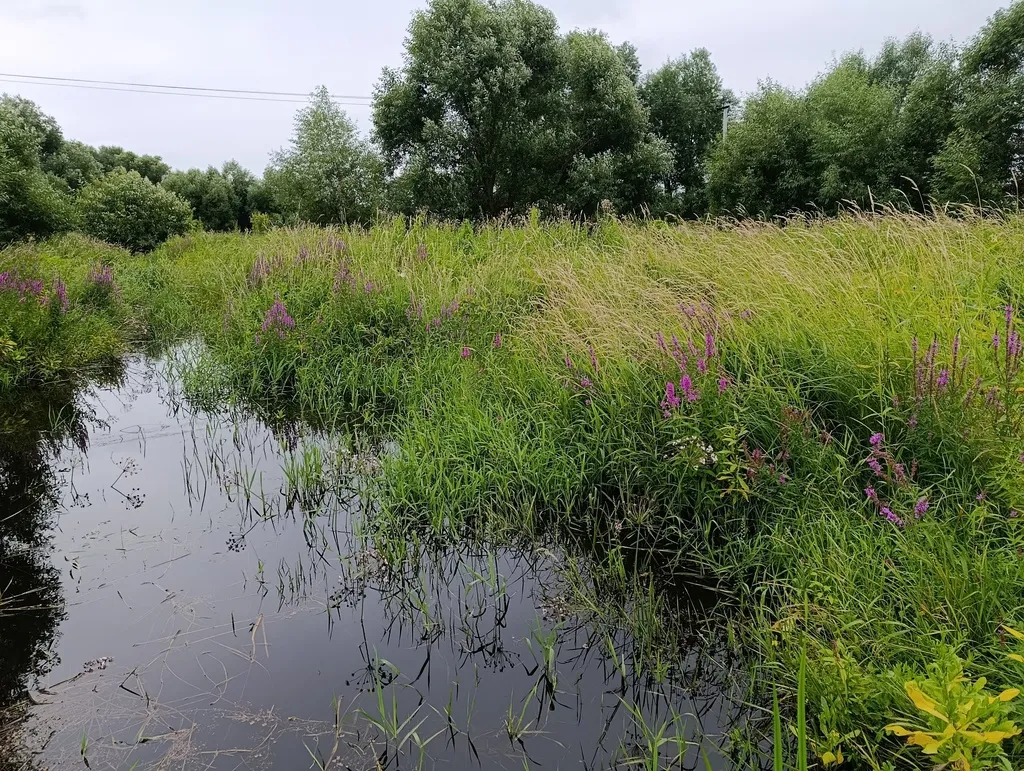
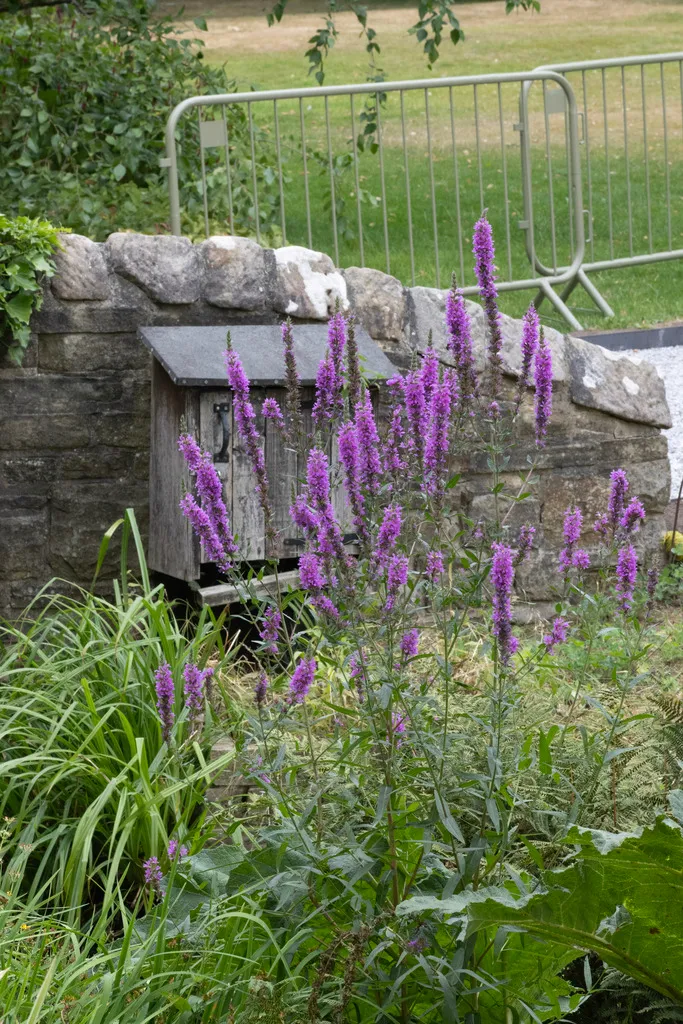
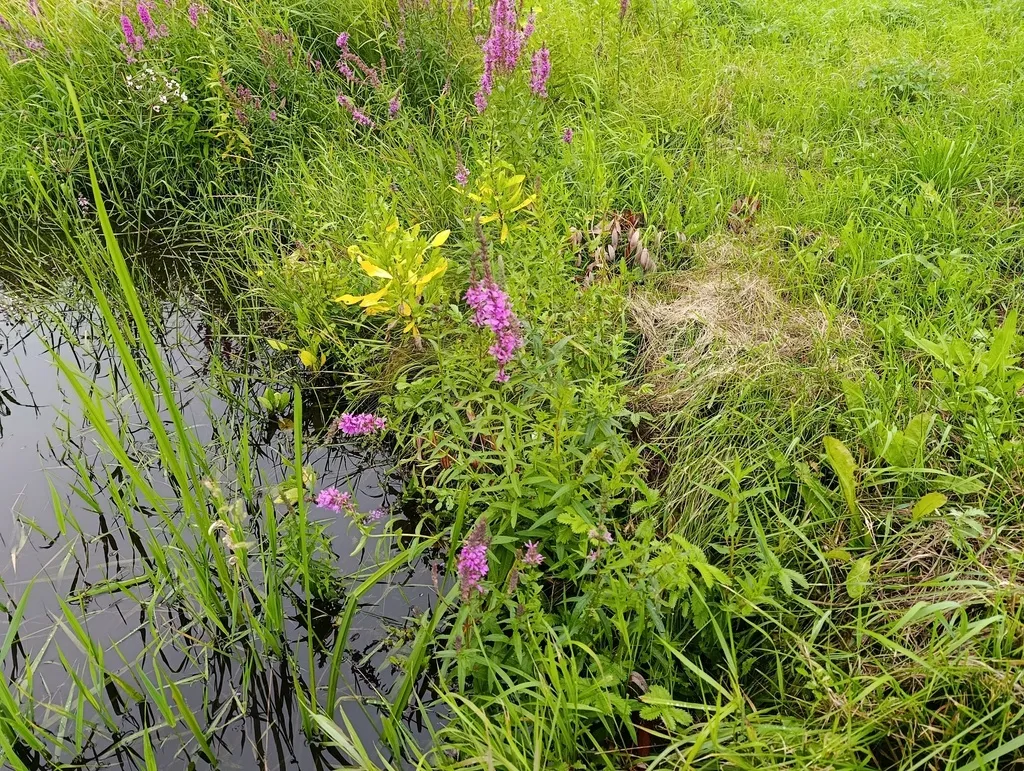
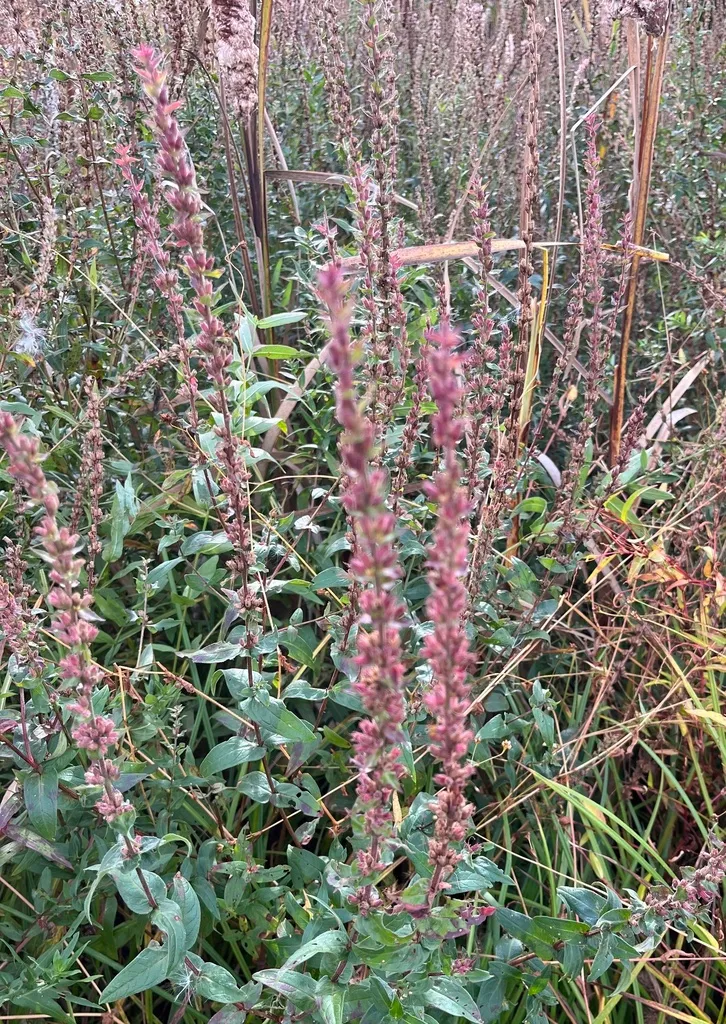
L. salicaria is a robust herbaceous perennial with upright stems to 1.2m tall, clad in narrow, willowy leaves, and small vivid purplish-pink flowers 2cm wide in dense terminal spikes over a long period in summer
Scientific classification
- Species
- purple loosestrife (Lythrum salicaria)
- Genus
- Lythrum
- Family
- Lythraceae
- Order
- Myrtales
- Class
- Magnoliopsida
- Phylum
- Magnoliophyta
- Information to be completed
- Toxicity
- Herbaceous Perennial
- Plant type
- 1-1.5 metres
- Height
- 0.1-0.5 metres
- Spread
- Deciduous
- Foliage
- Bushy
- Habit
- Spring · Summer
- Season of interest
- Full sun
- Sunlight
- Information to be completed
- Ideal temperature









purple loosestrife pictures
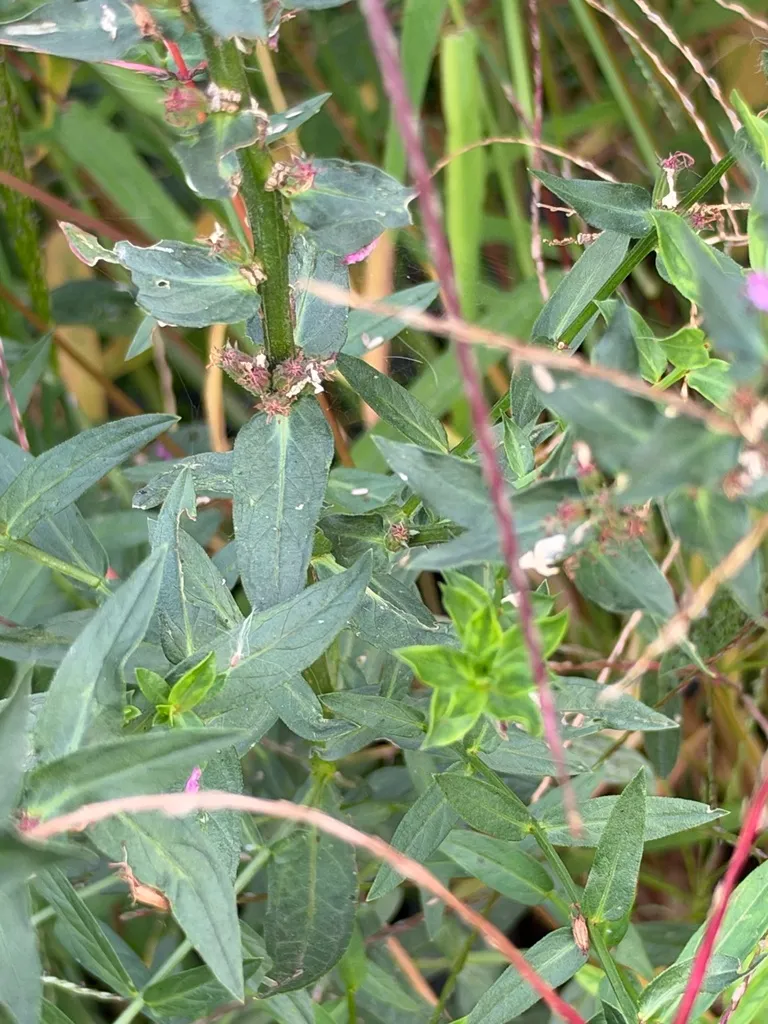
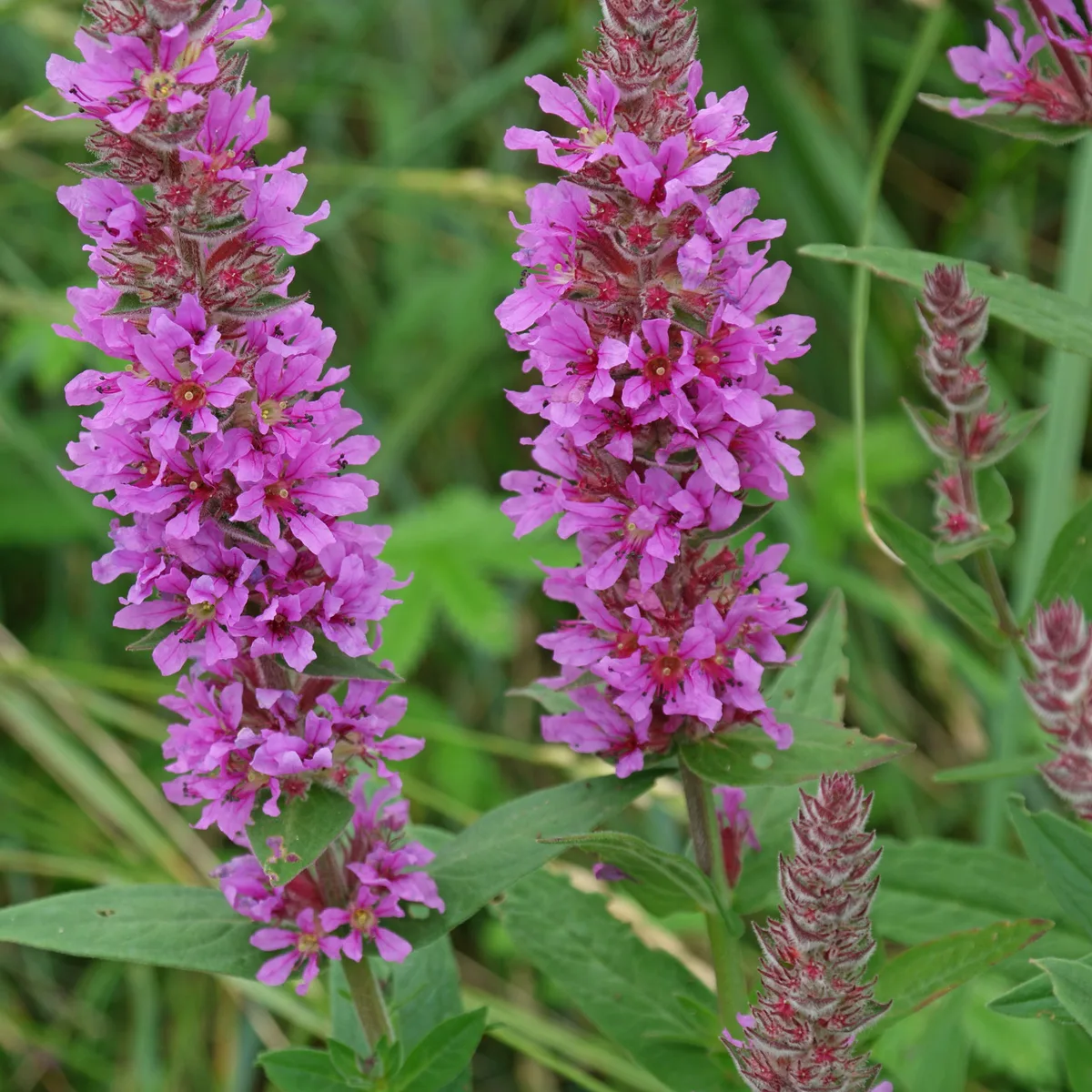
Distribution of purple loosestrife
Distribution map
- Native
- Introduced
- Cultivated
Source:WCVP v16 · Royal Botanic Gardens, Kew · CC BY 3.0 · Boundaries:WGSRPD / TDWG
purple loosestrife care guide
- Moderate regular watering, allowing brief slight drying between soakings
- Watering
- Full sun
- Sunlight

Watering
Moderate regular watering, allowing brief slight drying between soakings
Fertilizing
 Fertilizing
Balanced perennial feed every four weeks from spring through summer
Pruning
 Pruning
Deadhead after flowering to prevent self-seeding
Propagation
 Propagation
Propagate by division in spring
Growing
 Growing
Grow in any reliably moist soil in full sun
Common pests and diseases
Diseases
Generally disease free
Pests
May be damaged by slugs and snails
Explore the plant health library →




