
plume poppy
Also known as: tree celandine
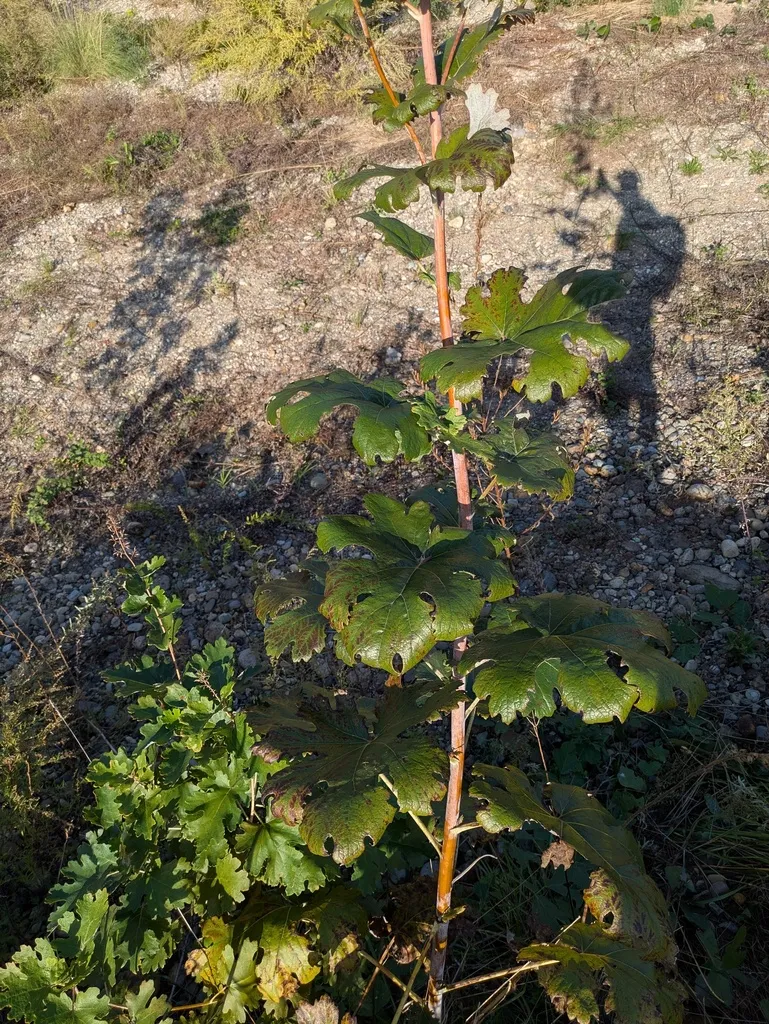
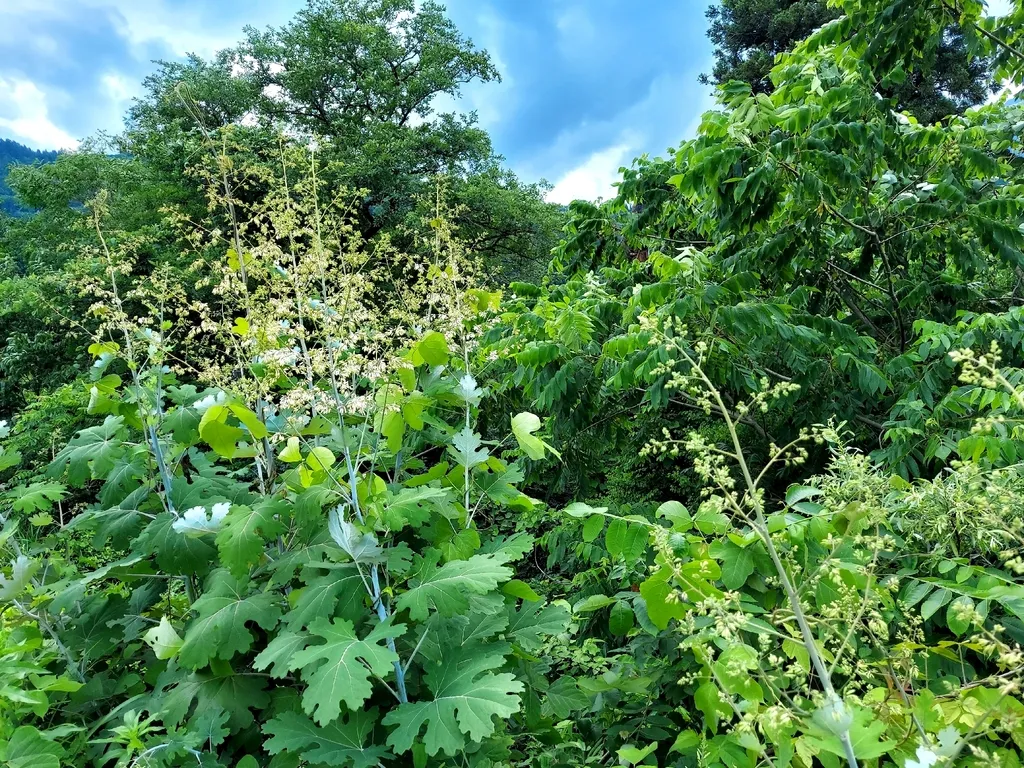
Macleaya cordata is a tall, rhizomatous perennial, up to 2.5m tall, with broad rounded 5-7 lobed, grey-green leaves to 20cm, whitish beneath, and tall, to 1m, plumes of pendent, tiny buff-white flowers in summer.
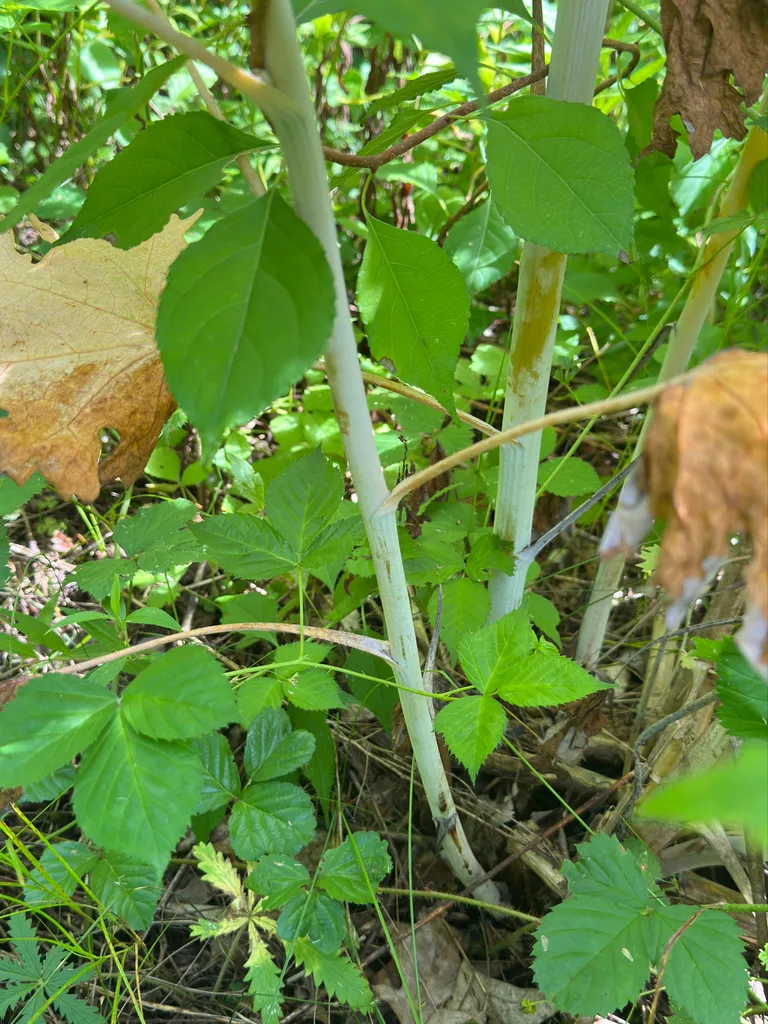
Scientific classification
- Species
- plume poppy (Macleaya cordata)
- Genus
- Macleaya
- Family
- Papaveraceae
- Information to be completed
- Toxicity
- Herbaceous Perennial
- Plant type
- 1.5-2.5 metres
- Height
- 1-1.5 metres
- Spread
- Deciduous
- Foliage
- Clump forming
- Habit
- Spring · Summer · Autumn
- Season of interest
- Full sun · Partial shade
- Sunlight
- Information to be completed
- Ideal temperature









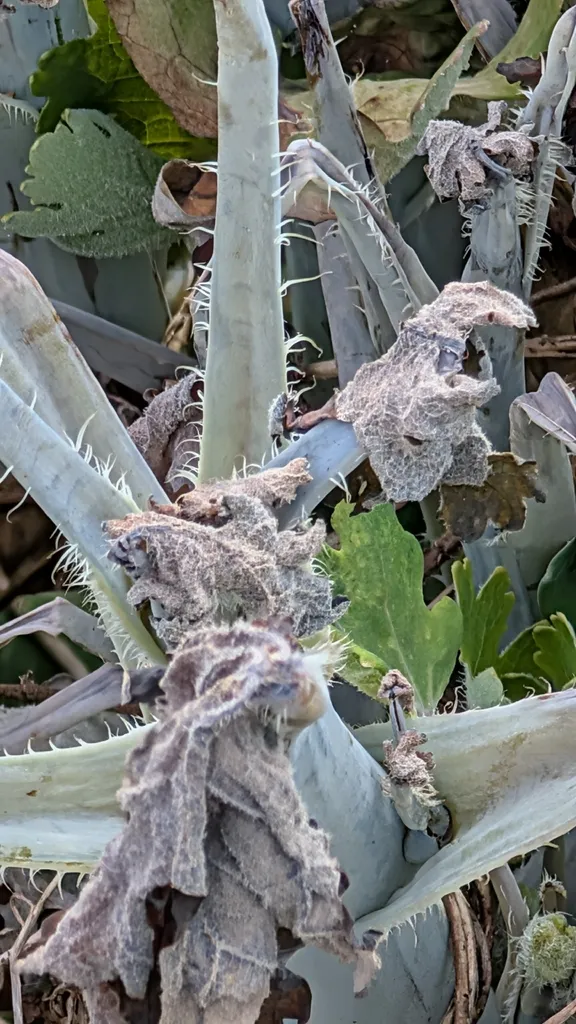
plume poppy pictures
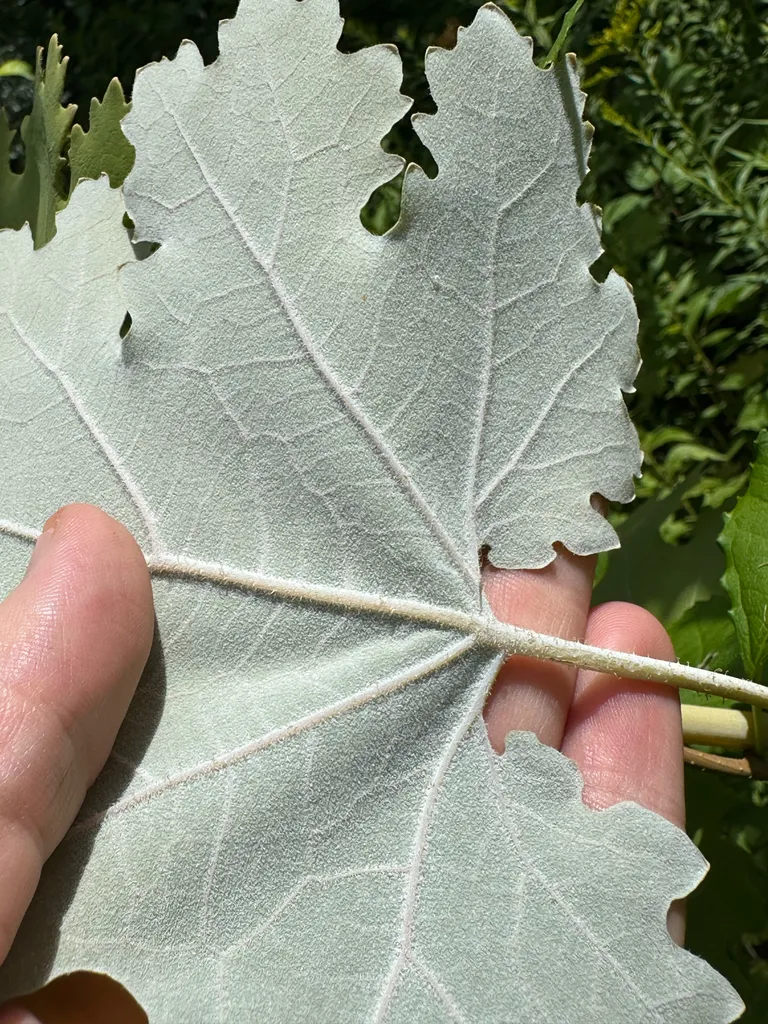
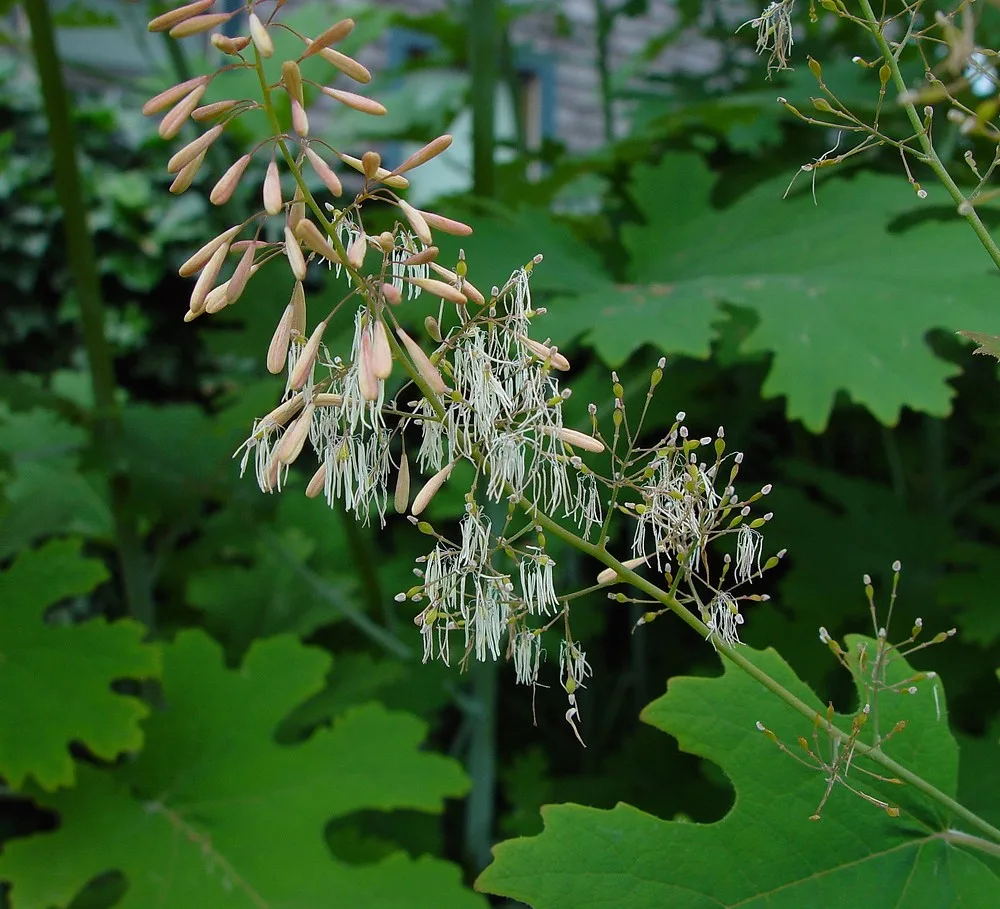
Distribution of plume poppy
Distribution map
China, Japan
Information to be completed
Culture
Information to be completed
Toxicity
Information to be completed
Quick identification of plume poppy
Information to be completed
plume poppy care guide
- Moderate regular watering, allowing brief slight drying between soakings
- Watering
- Full sun · Partial shade
- Sunlight
- Information to be completed
- Ideal temperature

Watering
Moderate regular watering, allowing brief slight drying between soakings
Fertilizing
 Fertilizing
Balanced perennial feed every four weeks from spring through summer
Pruning
 Pruning
Cut down to the base in late autumn
Propagation
 Propagation
Propagate by division in late autumn or spring or separate root rhizomes when dormant in winter and treat as you would root cuttings
Growing
 Growing
Grows best in a deep, moderately fertile soil that is moist but well-drained, but will tolerate most soils. It needs plenty of space and has the potential to become a nuisance on sandy soils. For best foliage, provide shelter from cold winds; like sun but tolerates partial shade
People also ask
Information to be completed
Common pests and diseases
Diseases
Generally disease-free
Pests
May be susceptible to slugs
Explore the plant health library →




