
nerine 'Purple Prince'
Also known as: Information to be completed
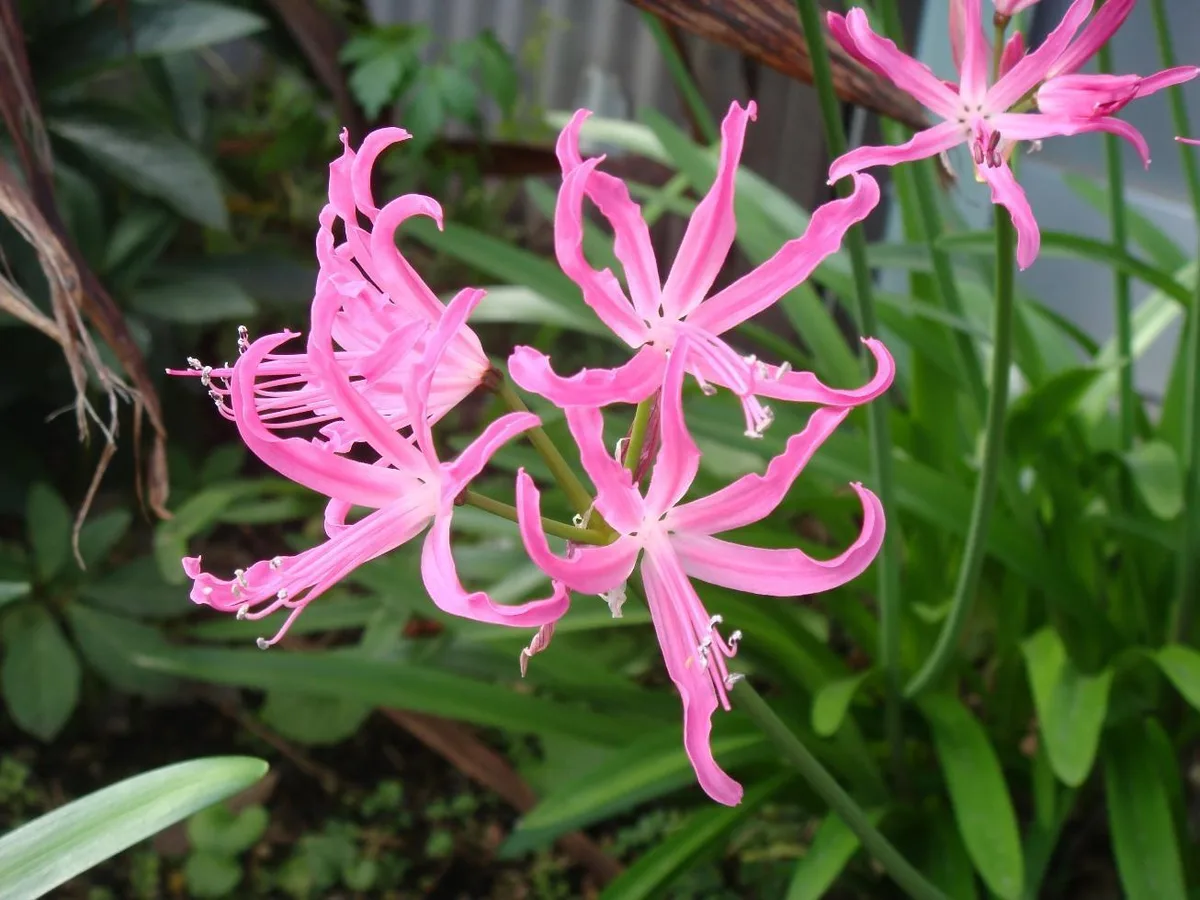
A summer-dormant perennial bulb, with strap-shaped green leaves. Clusters of lily-like, vivid pink flowers, with narrow, recurved petals, are borne on upright stems up to 50cm high in autumn
Scientific classification
- Species
- nerine 'Purple Prince' (Nerine 'Purple Prince')
- Genus
- Nerine
- Family
- Amaryllidaceae
- Order
- Asparagales
- Class
- Liliopsida
- Phylum
- Magnoliophyta
- Ornamental bulbs - not to be eaten. Wear gloves and other protective equipment when handling
- Toxicity
- Bulbs · Conservatory Greenhouse
- Plant type
- Information to be completed
- Height
- Information to be completed
- Spread
- Semi evergreen
- Foliage
- Clump forming · Columnar upright
- Habit
- Spring · Summer · Autumn · Winter
- Season of interest
- Full sun
- Sunlight
- Information to be completed
- Ideal temperature









nerine 'Purple Prince' pictures
Toxicity
Ornamental bulbs - not to be eaten. Wear gloves and other protective equipment when handling
nerine 'Purple Prince' care guide
- Even mild soil moisture while leaves grow, withhold water dormant phase
- Watering
- Full sun
- Sunlight

Watering
Even mild soil moisture while leaves grow, withhold water dormant phase
Fertilizing
 Fertilizing
Low-nitrogen nerine bulb feed every three weeks budding stage
Pruning
 Pruning
No pruning required
Propagation
 Propagation
Propagate by division after flowering, or by chipping, see bulb propagation
Growing
 Growing
Grow in full sun in well-drained soil, under glass or in containers that can be overwintered indoors. Plant bulbs 10cm apart with the neck of the bulb showing above the soil, flowering is best when bulbs are slightly congested. See nerine cultivation
Common pests and diseases
Diseases
Generally disease-free
Pests
May be susceptible to slugs
Explore the plant health library →




