
cabbage 'Duncan'
Also known as: Information to be completed
A very versatile, fast growing traditional hearted cabbage variety with an upright and compact habit that makes it perfect for small spaces or container growing. It can be harvested from March for tender Spring greens or in June for full hearted Spring cabbages
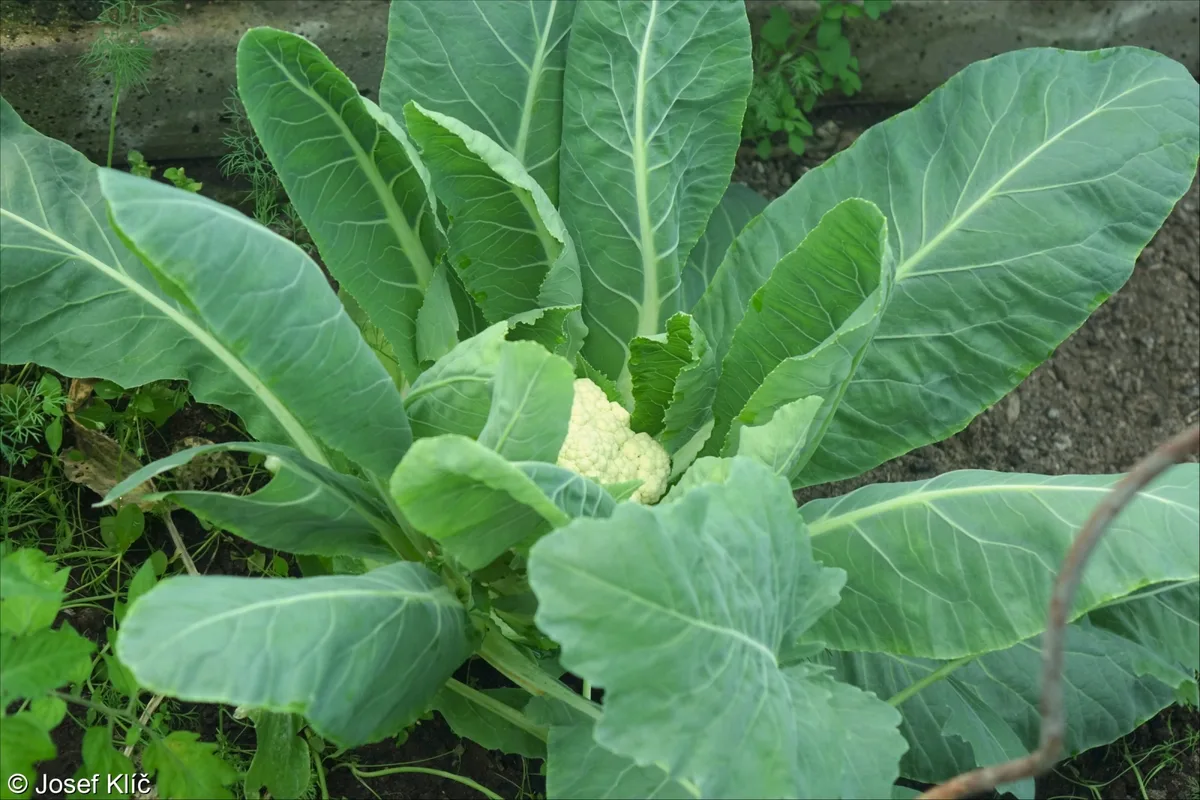
Scientific classification
- Species
- cabbage 'Duncan' (Brassica oleracea 'Duncan')
- Genus
- Brassica
- Family
- Brassicaceae
- Order
- Brassicales
- Class
- Magnoliopsida
- Phylum
- Tracheophyta
- Information to be completed
- Toxicity
- Annual Biennial
- Plant type
- 0.1-0.5 metres
- Height
- 0.1-0.5 metres
- Spread
- Deciduous
- Foliage
- Clump forming
- Habit
- Spring · Autumn · Winter
- Season of interest
- Full sun
- Sunlight
- Information to be completed
- Ideal temperature









cabbage 'Duncan' pictures
Distribution of cabbage 'Duncan'
Distribution map
- Native
- Introduced
- Cultivated
Source:WCVP v16 · Royal Botanic Gardens, Kew · CC BY 3.0 · Boundaries:WGSRPD / TDWG
cabbage 'Duncan' care guide
- Regular deep watering, keep soil damp through leaf production stage
- Watering
- Full sun
- Sunlight

Watering
Regular deep watering, keep soil damp through leaf production stage
Fertilizing
 Fertilizing
High-nitrogen vegetable fertilizer every two weeks in growing season
Pruning
 Pruning
No pruning required
Propagation
 Propagation
Propagate by seed. See sowing vegetable seeds
Growing
 Growing
Grow in fertile, moist but well drained soil in full sun. Sow direct between September and October at a depth of 1cm and 30cm between rows. See vegetable cultivation
Common pests and diseases
Diseases
May be susceptible to black rot, clubroot, downy mildew, foot and root rot, leaf spot, white blister
Pests
May be susceptible to birds, cabbage caterpillars, cabbage gall weevil, cabbage root fly, cabbage whitefly, cutworms, flea beetle, mealy cabbage aphid, slugs and snails, swede midge
Explore the plant health library →




