
cabbage 'Stonehead'
Also known as: Information to be completed
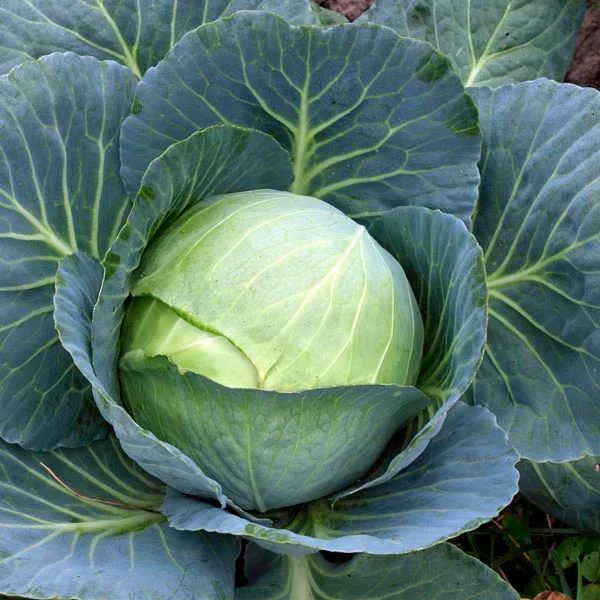
A mid-season cabbage forming medium-sized, round heads of densely packed leaves in autumn. The plants are compact and can be planted at 30cm intervals, making it a good choice where space is limited
Scientific classification
- Species
- cabbage 'Stonehead' (Brassica oleracea 'Stonehead')
- Genus
- Brassica
- Family
- Brassicaceae
- Order
- Brassicales
- Class
- Magnoliopsida
- Phylum
- Tracheophyta
- Information to be completed
- Toxicity
- Information to be completed
- Plant type
- 0.1-0.5 metres
- Height
- 0.1-0.5 metres
- Spread
- Deciduous
- Foliage
- Tufted
- Habit
- Spring · Summer · Autumn
- Season of interest
- Full sun
- Sunlight
- Information to be completed
- Ideal temperature









cabbage 'Stonehead' pictures
Distribution of cabbage 'Stonehead'
Distribution map
- Native
- Introduced
- Cultivated
Source:WCVP v16 · Royal Botanic Gardens, Kew · CC BY 3.0 · Boundaries:WGSRPD / TDWG
cabbage 'Stonehead' care guide
- Keep soil consistently moist for tender leafy growth
- Watering
- Full sun
- Sunlight

Watering
Keep soil consistently moist for tender leafy growth
Fertilizing
 Fertilizing
Nitrogen-rich vegetable feed during active growth
Pruning
 Pruning
No pruning necessary
Propagation
 Propagation
Propagate by seed. See sowing vegetable seeds
Growing
 Growing
Harden plants off before planting out from April onwards. Cabbages prefer a firm soil and the transplants should be planted with the lower leaves just above the soil. See 'growing cabbages' in vegetable cultivation for further information
Common pests and diseases
Diseases
May be susceptible to downy mildews, powdery mildews and clubroot
Pests
May be susceptible to slugs, snails, cabbage whitefly, cabbage caterpillars, cabbage root fly and pigeons
Explore the plant health library →




