
two-leaved false lily of the valley
Also known as: May lily; mayflower; one-blade; one-leaf; two-leaved lily of the valley; wild lily of the valley
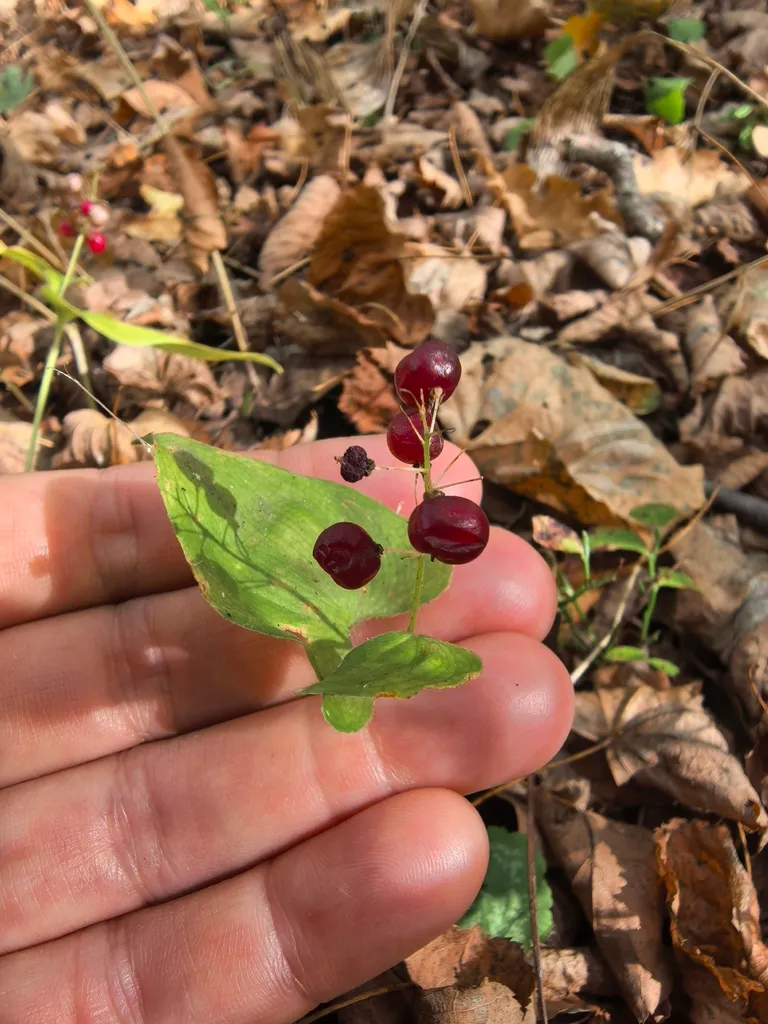
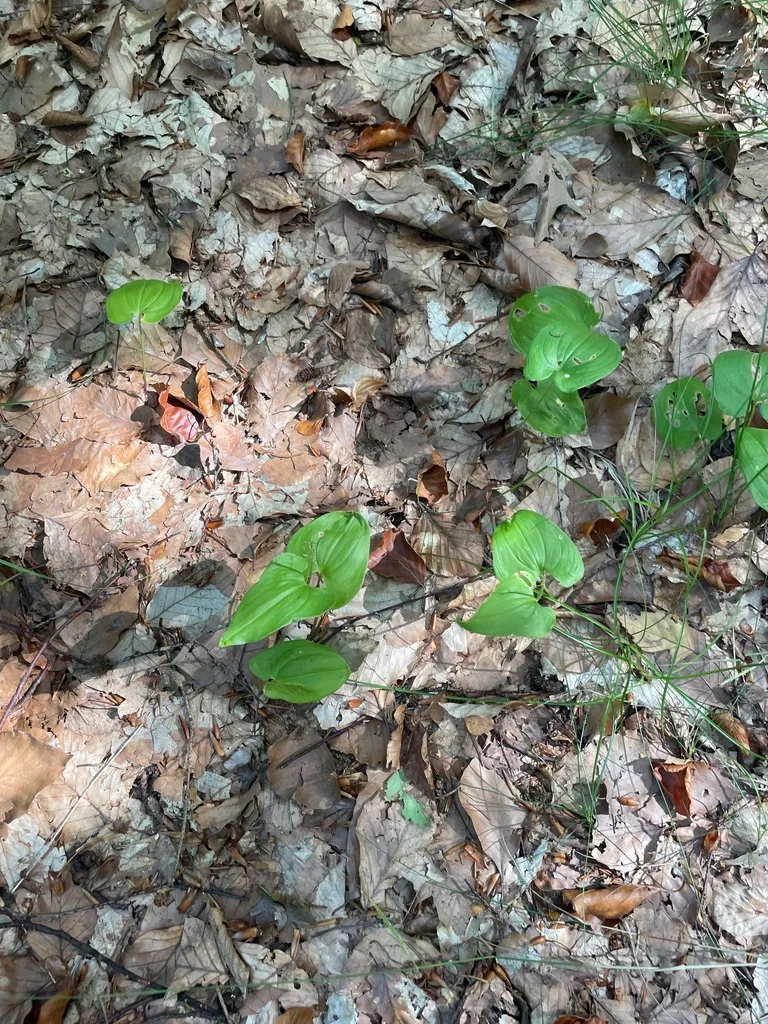
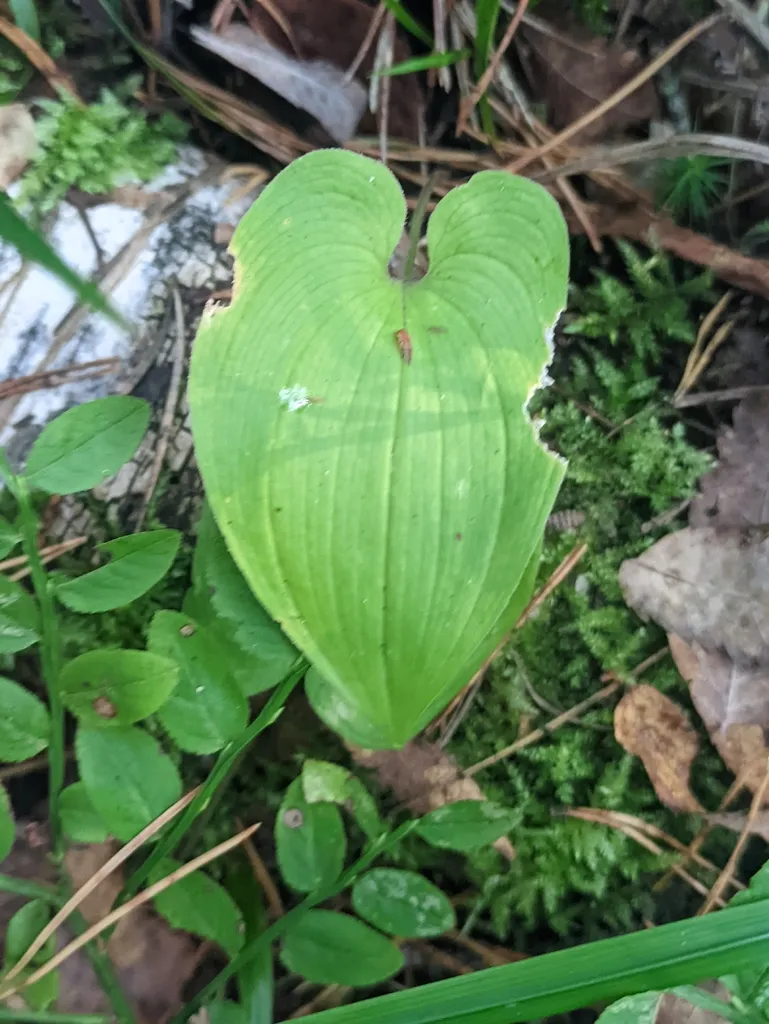
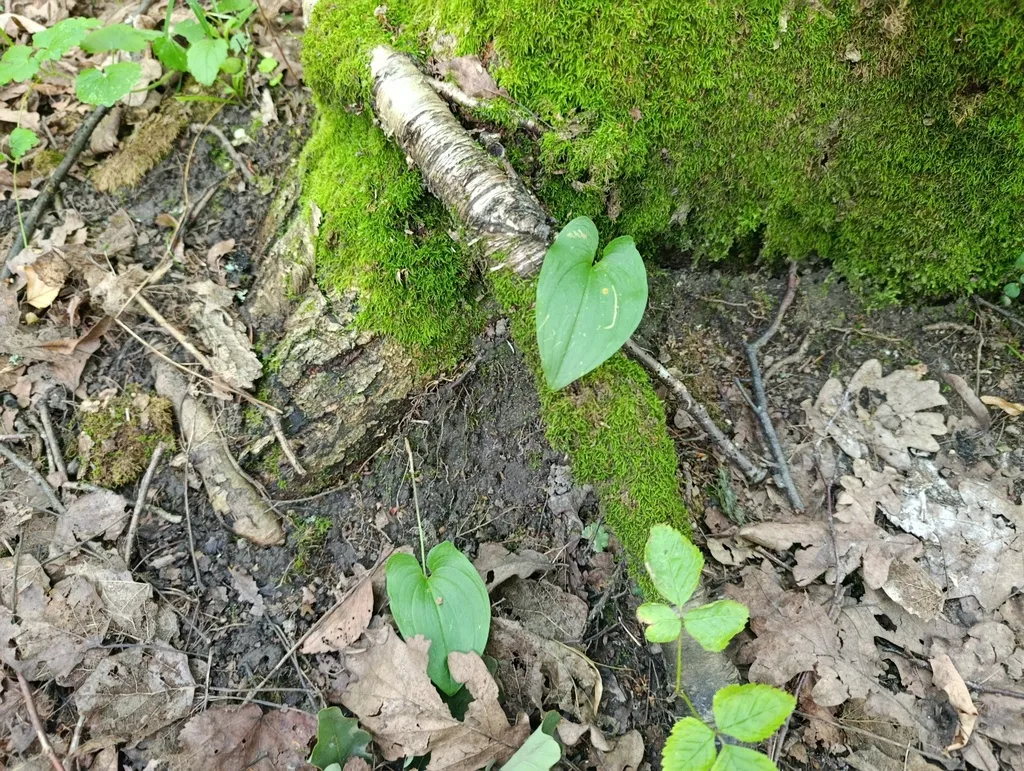
M. bifolium is a spreading herbaceous perennial, up to 15-20cm high, with glossy, dark green, heart-shaped or ovate leaves, 8cm across. Creamy-white flowers in late spring are followed by small round fruits which start pale green before turning red
Scientific classification
- Species
- two-leaved false lily of the valley (Maianthemum bifolium)
- Genus
- Maianthemum
- Family
- Asparagaceae
- Order
- Asparagales
- Class
- Liliopsida
- Phylum
- Magnoliophyta
- Fruit are ornamental - not to be eaten. Wear gloves and other protective equipment when handling
- Toxicity
- Herbaceous Perennial
- Plant type
- 0.1-0.5 metres
- Height
- 0.5-1 metres
- Spread
- Deciduous
- Foliage
- Suckering
- Habit
- Spring · Summer · Autumn
- Season of interest
- Full shade · Partial shade
- Sunlight
- Information to be completed
- Ideal temperature









two-leaved false lily of the valley pictures
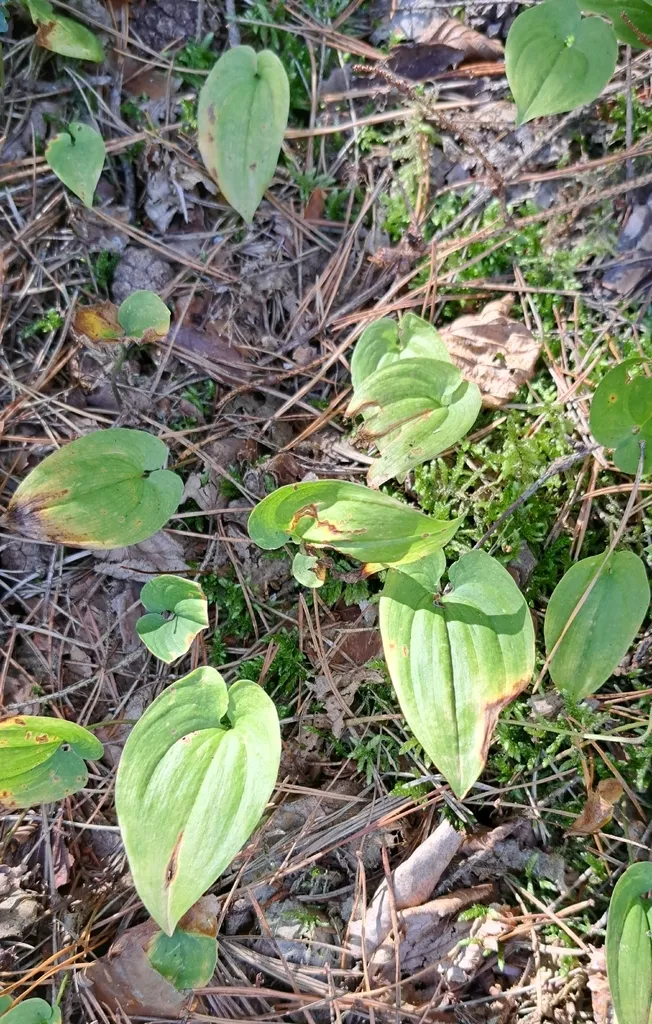
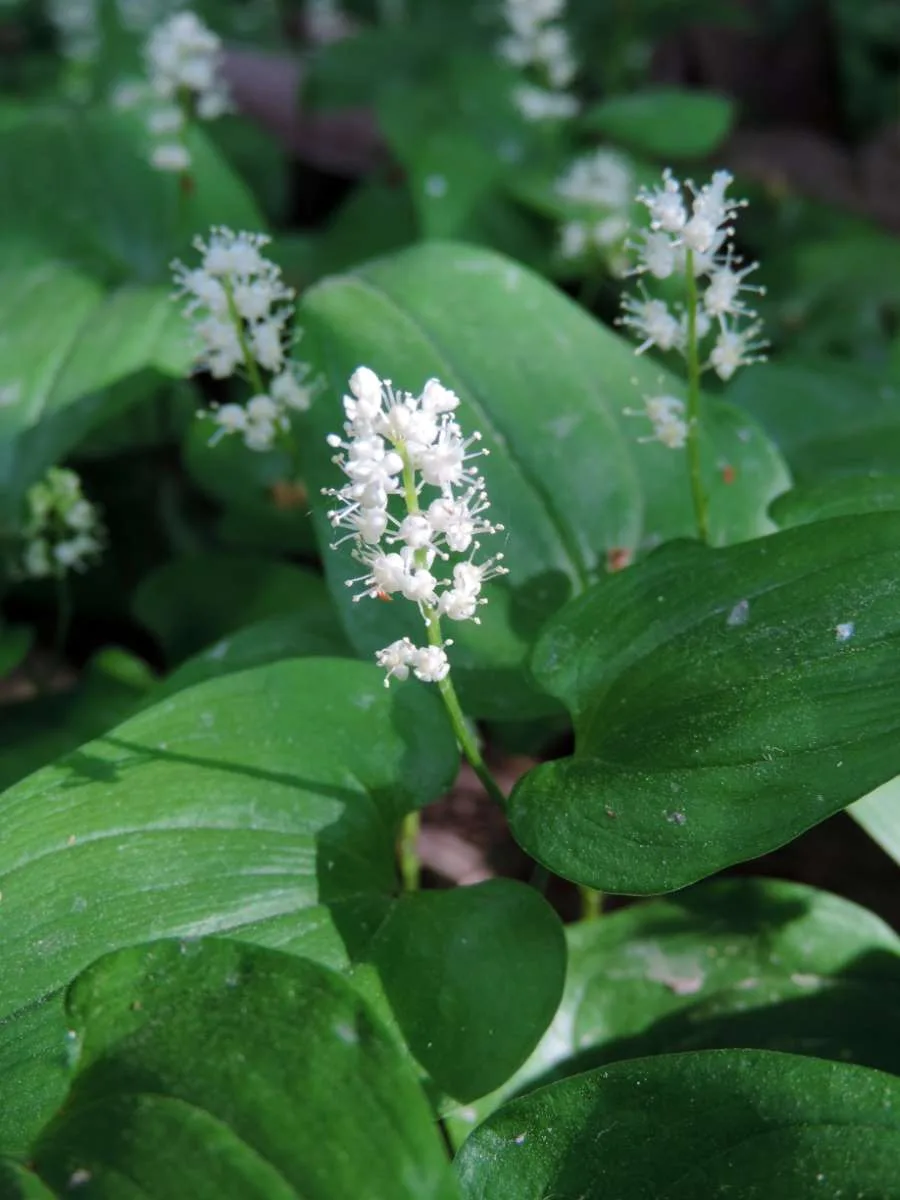
Distribution of two-leaved false lily of the valley
Distribution map
- Native
- Introduced
- Cultivated
Source:WCVP v16 · Royal Botanic Gardens, Kew · CC BY 3.0 · Boundaries:WGSRPD / TDWG
Toxicity
Fruit are ornamental - not to be eaten. Wear gloves and other protective equipment when handling
two-leaved false lily of the valley care guide
- Moderate regular watering, avoid prolonged drought or waterlogging
- Watering
- Full shade · Partial shade
- Sunlight

Watering
Moderate regular watering, avoid prolonged drought or waterlogging
Fertilizing
 Fertilizing
Balanced feed in spring and light repeat in growth season
Pruning
 Pruning
No pruning required
Propagation
 Propagation
Propagate by seed, sown in containers in a cold frame as soon as ripe, or by division of rooted runners in spring
Growing
 Growing
Grow in cool woodland conditions in humus-rich, leafy, moist but well-drained neutral to acid soil in light dappled or deep shade; good ground-cover plant but may start to spread
Common pests and diseases
Diseases
Generally disease-free
Pests
May be susceptible to slugs and snails
Explore the plant health library →




