
draper's teasel
Also known as: fuller's teasel; fuller's thistle; little brushes
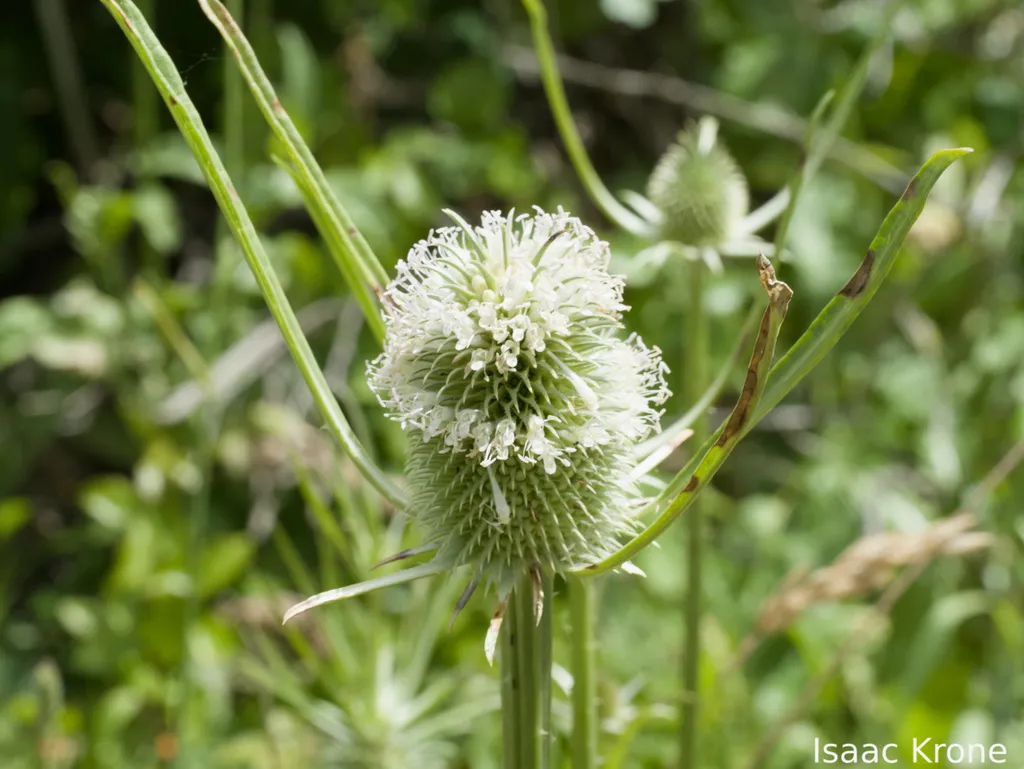
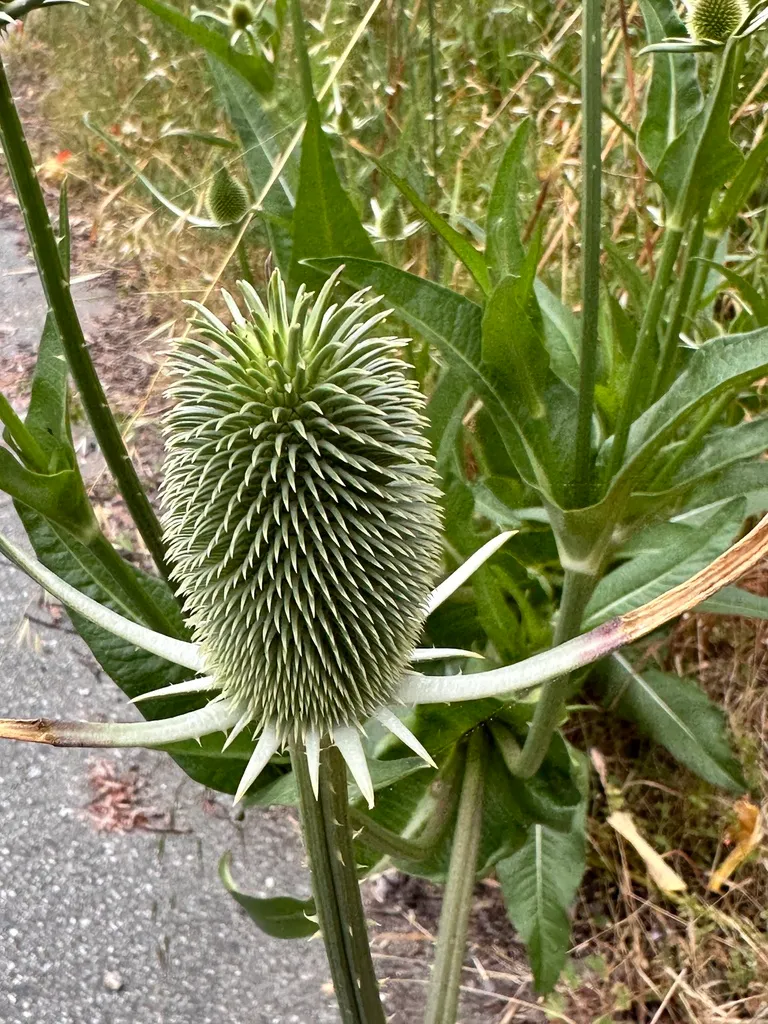
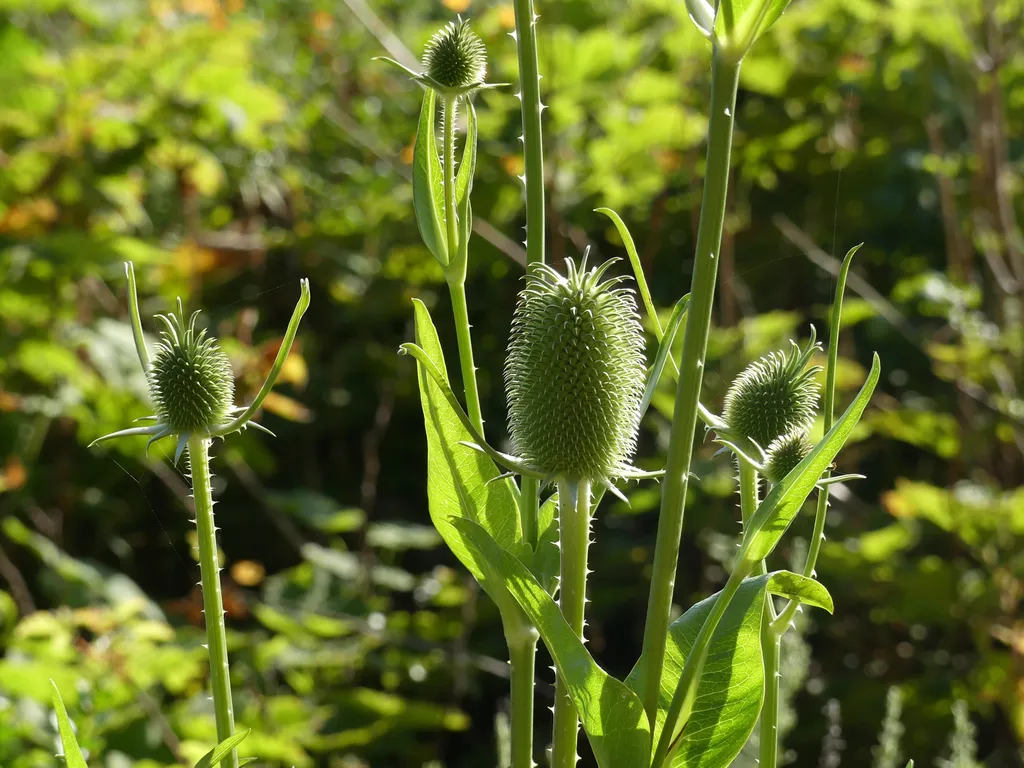
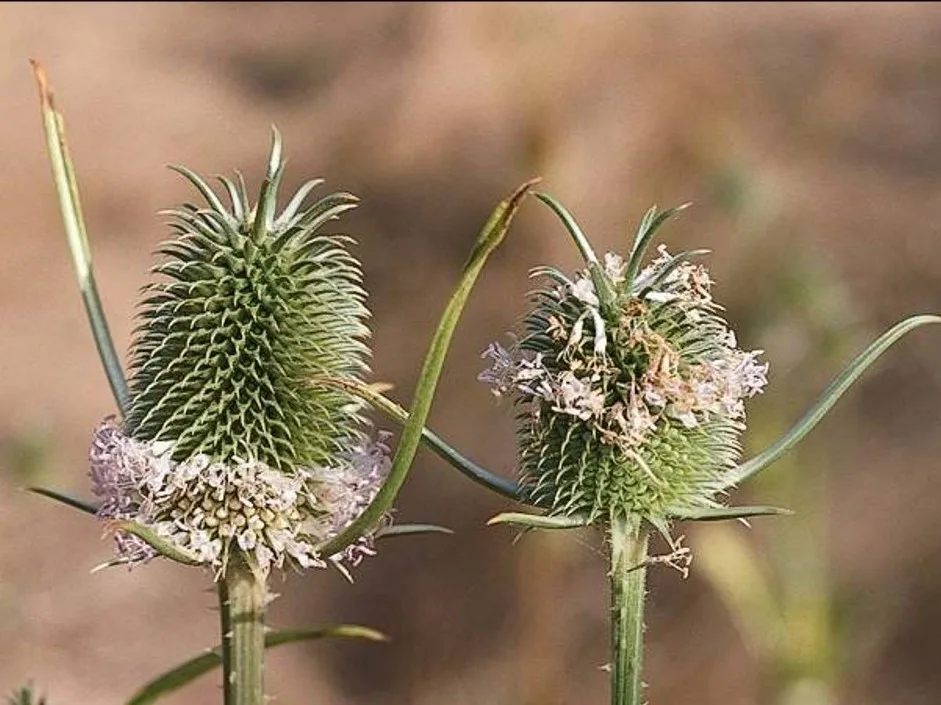
A strongly upright biennial, with bright green, prickly foliage and branching, prickly stems. Bristly, cylindrical flowerheads carry small white flowers in summer. The seed heads dry naturally and can be used for cutting, or left for garden display where they are also popular with birds, especially goldfinches. D. sativus is a close relation of the well-known teasel (D. fullonum), but distinguished by the hooked bristles on the seed heads
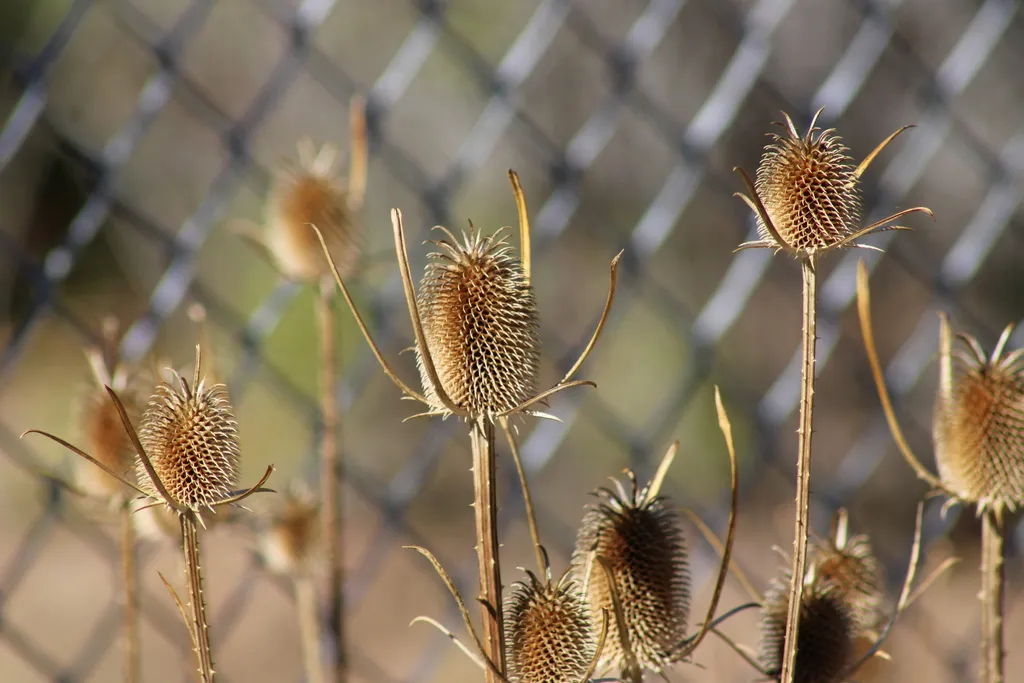
Scientific classification
- Species
- draper's teasel (Dipsacus sativus)
- Genus
- Dipsacus
- Family
- Caprifoliaceae
- Information to be completed
- Toxicity
- Annual Biennial
- Plant type
- 1.5-2.5 metres
- Height
- 0.5-1 metres
- Spread
- Deciduous
- Foliage
- Columnar upright
- Habit
- Spring · Summer · Autumn · Winter
- Season of interest
- Full sun
- Sunlight
- Information to be completed
- Ideal temperature









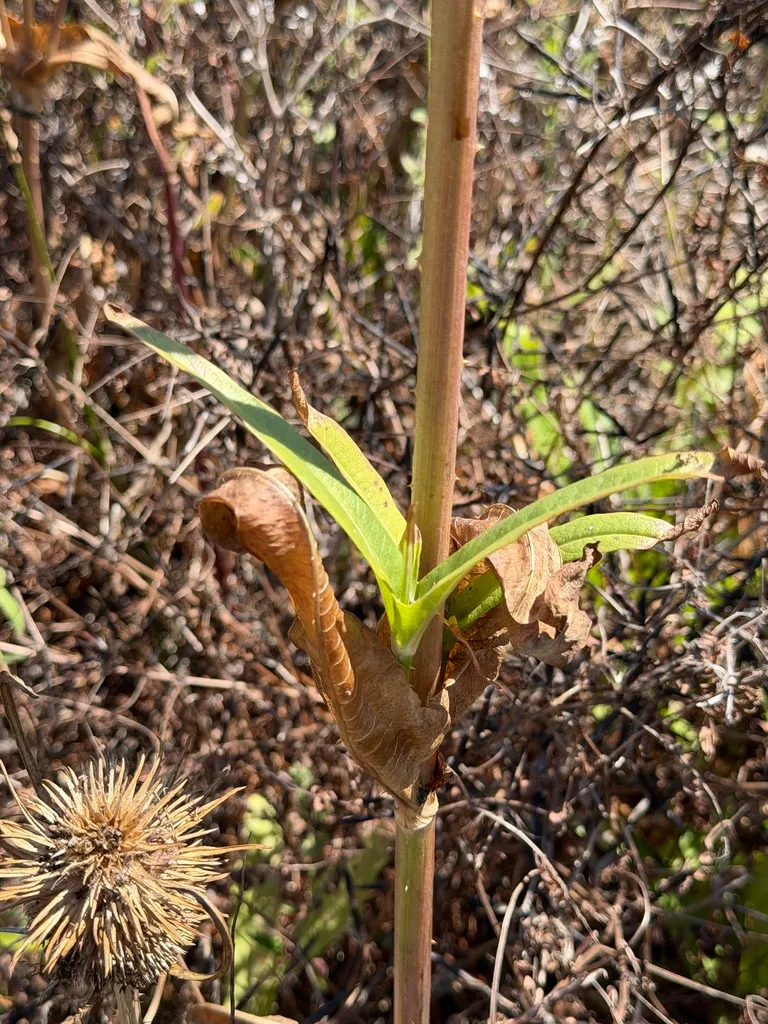
draper's teasel pictures
Distribution of draper's teasel
Distribution map
Information to be completed
Information to be completed
Culture
Information to be completed
Toxicity
Information to be completed
Quick identification of draper's teasel
Information to be completed
draper's teasel care guide
- Moderate regular watering, allowing brief slight drying between soakings
- Watering
- Full sun
- Sunlight
- Information to be completed
- Ideal temperature

Watering
Moderate regular watering, allowing brief slight drying between soakings
Fertilizing
 Fertilizing
Balanced perennial feed every four weeks from spring through summer
Pruning
 Pruning
Cut down as flowers die off if self-seeding is a problem
Propagation
 Propagation
Propagate by seed sown in situ in spring or autumn
Growing
 Growing
Does best in deep, fertile soil in full sun, but tolerant of poorer soil and some shade
People also ask
Information to be completed
Common pests and diseases
Diseases
Generally disease free
Pests
Prone to aphids
Explore the plant health library →




