
garden anemone
Also known as: Irish anemone; poppy windflower; St Brigid's anemone
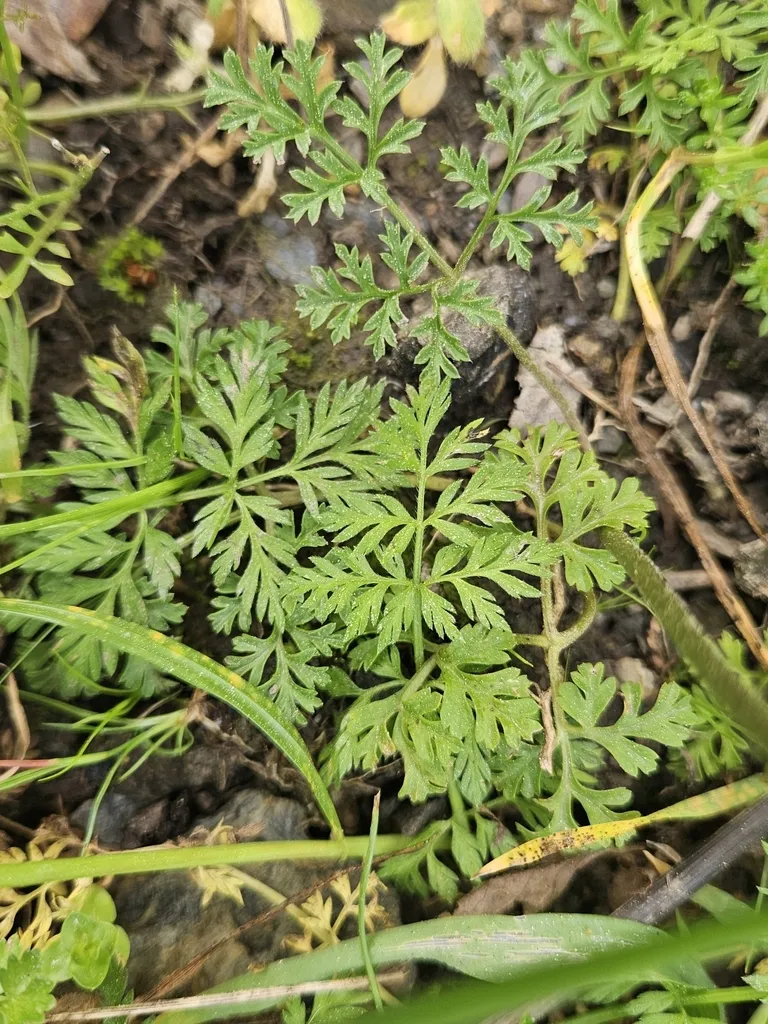
Clump-forming perennial about 45cm tall, with parsely-like, finely divided mid-green leaves and stiff stems carrying in spring and early summer solitary, shallowly cup-shaped flowers to 7cm across, which may be red, violet-blue or white; there are also double-flowered cultivars
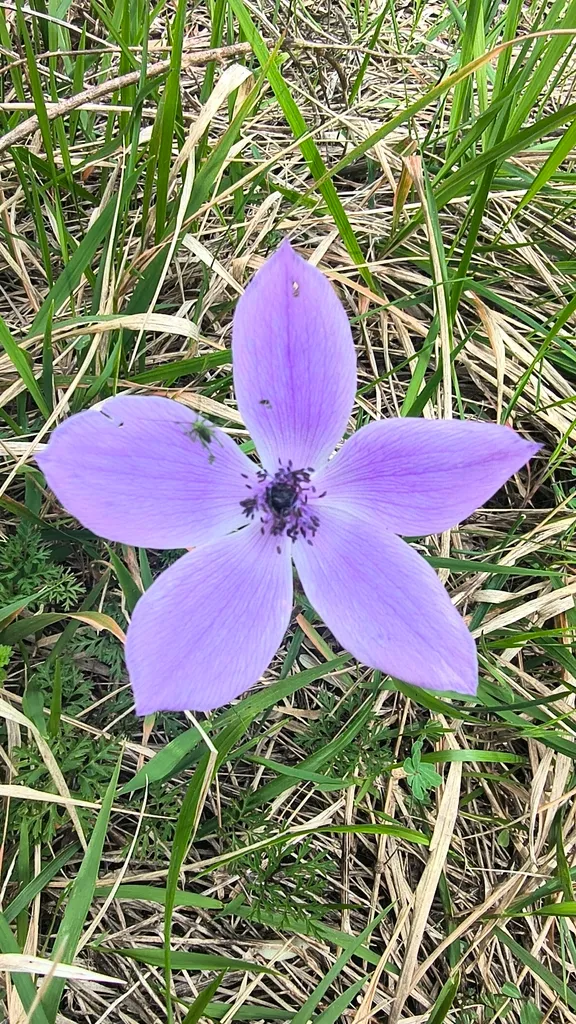
Scientific classification
- Species
- garden anemone (Anemone coronaria)
- Genus
- Anemone
- Family
- Ranunculaceae
- Ingestion may cause mild stomach upset, contact may irritate skin. Wear gloves and other protective equipment when handling]
- Toxicity
- Herbaceous Perennial
- Plant type
- 0.1-0.5 metres
- Height
- 0.1-0.5 metres
- Spread
- Deciduous
- Foliage
- Clump forming
- Habit
- Spring · Summer
- Season of interest
- Full sun
- Sunlight
- Information to be completed
- Ideal temperature









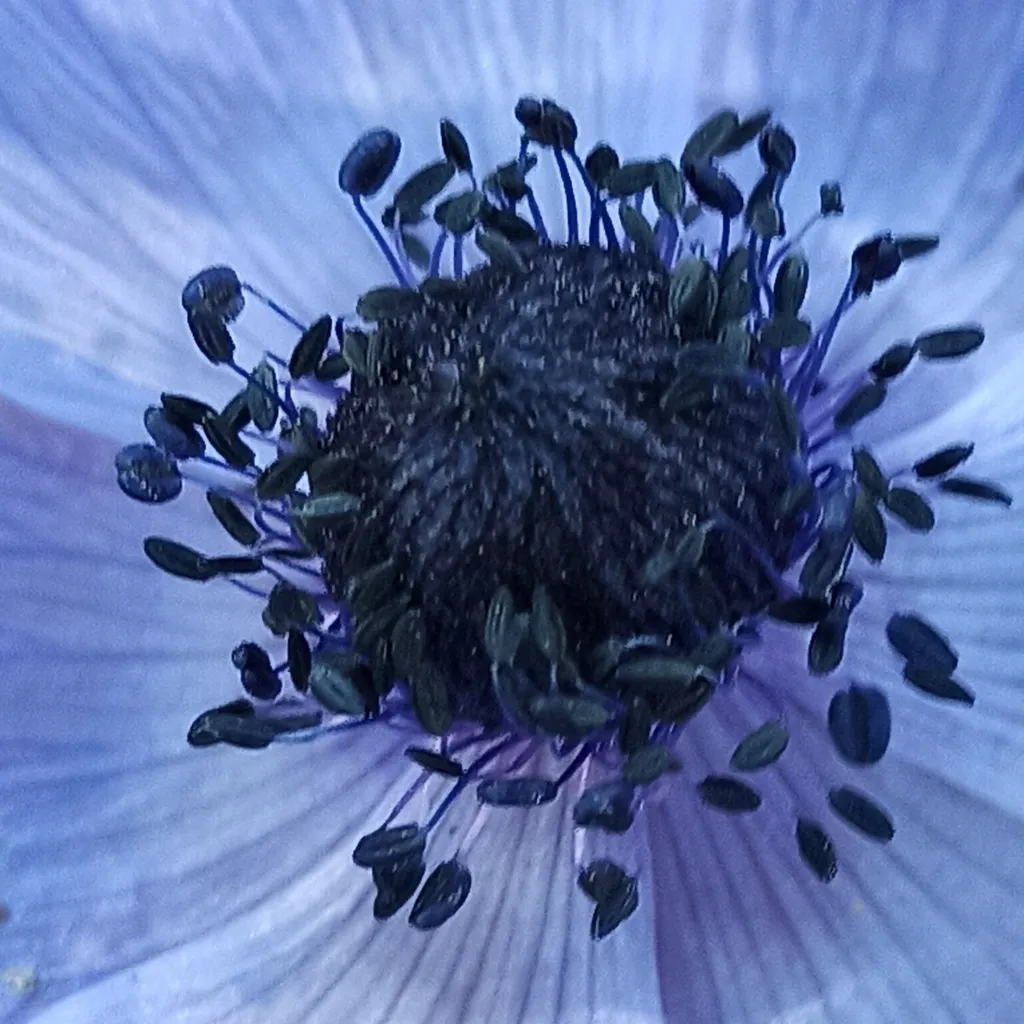
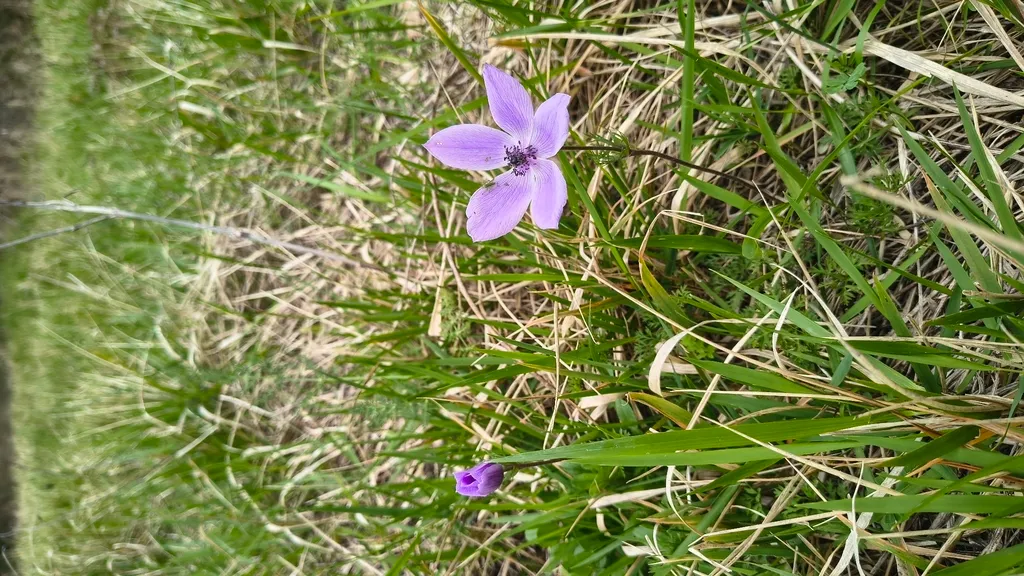
garden anemone pictures
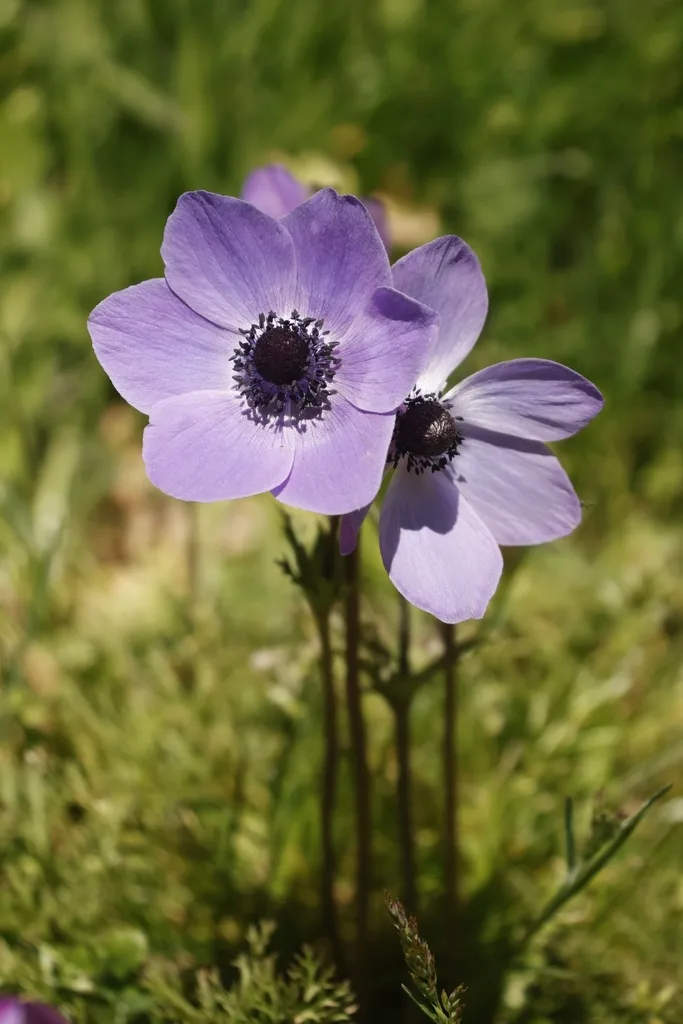
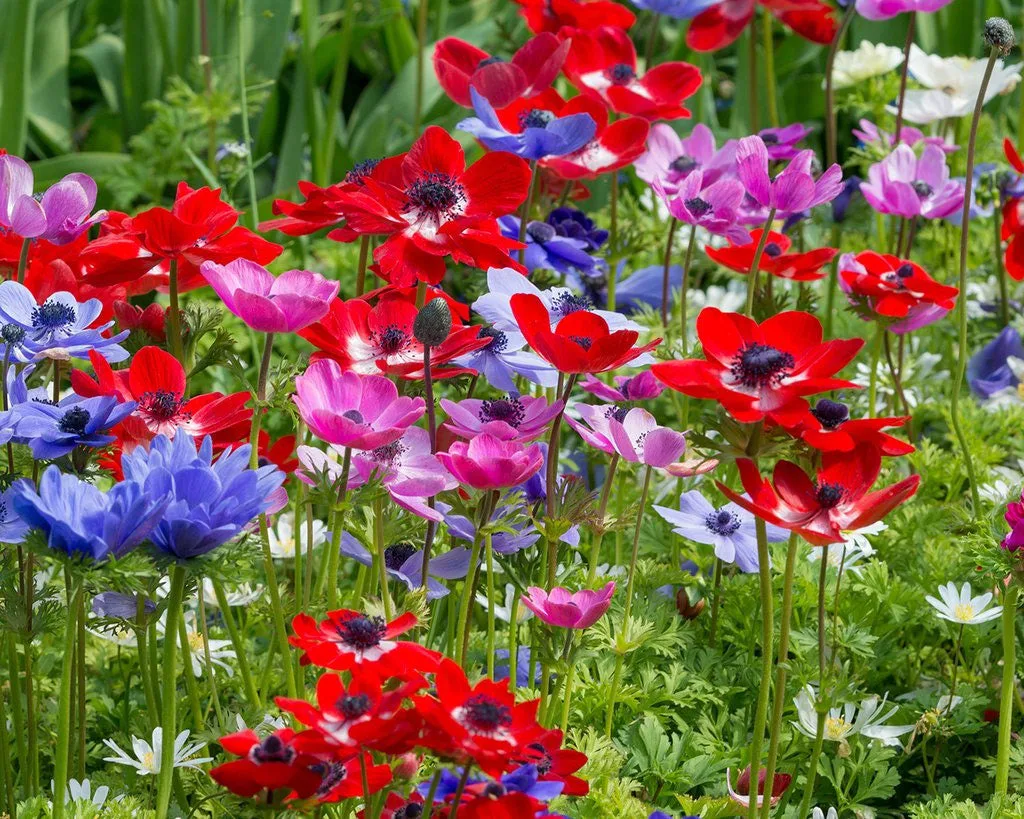
Distribution of garden anemone
Distribution map
Mediterranean to Caucasus
Information to be completed
Culture
Information to be completed
Toxicity
Ingestion may cause mild stomach upset, contact may irritate skin. Wear gloves and other protective equipment when handling]
Quick identification of garden anemone
Information to be completed
garden anemone care guide
- Water moderately during growth; keep soil moist, reduce after flowering.
- Watering
- Full sun
- Sunlight
- Information to be completed
- Ideal temperature

Watering
Water moderately during growth; keep soil moist, reduce after flowering.
Fertilizing
 Fertilizing
Apply a balanced fertilizer in early spring and after flowering.
Pruning
 Pruning
No pruning required
Propagation
 Propagation
Propagate by seed, sowing them in containers in a cold frame when ripe or propagate by division of tubers in summer when they are dormant
Growing
 Growing
Grow in a light, sandy soil, in full sun, making sure it is kept dry while dormant in summer. May need winter mulch protection in cold areas. See anemone cultivation
People also ask
Information to be completed
Common pests and diseases
Diseases
May be susceptible to Powdery mildews
Pests
May be susceptible to leaf eelworms and damage from caterpillars and slugs
Explore the plant health library →




