
prairie dropseed
Also known as: Information to be completed
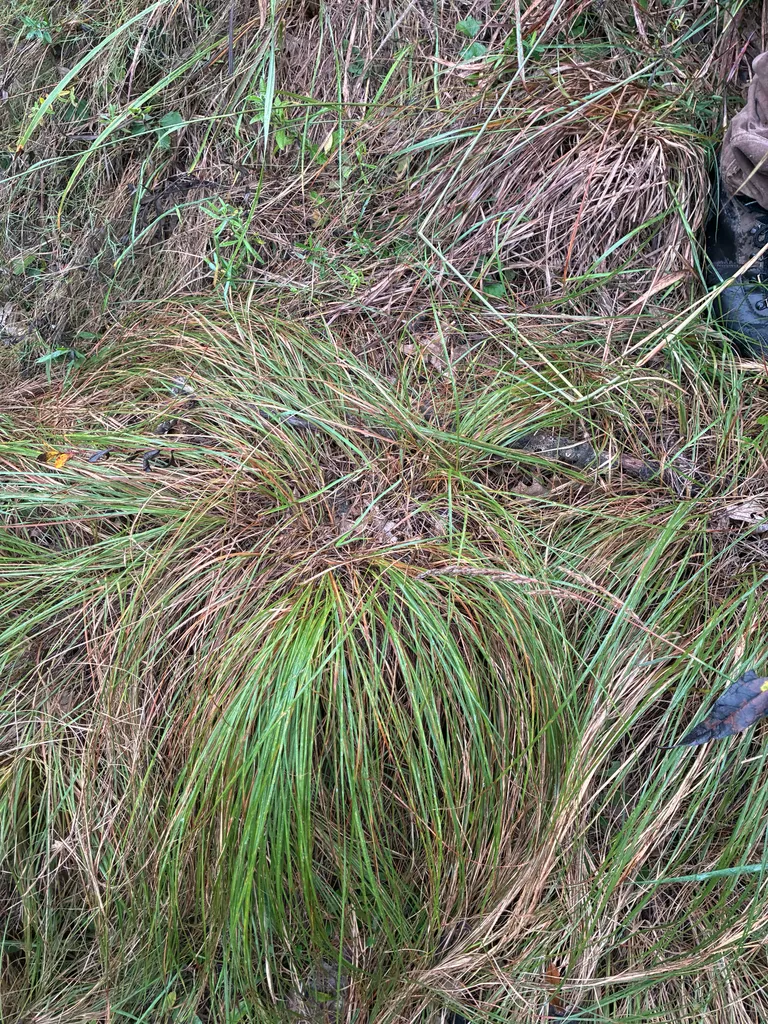
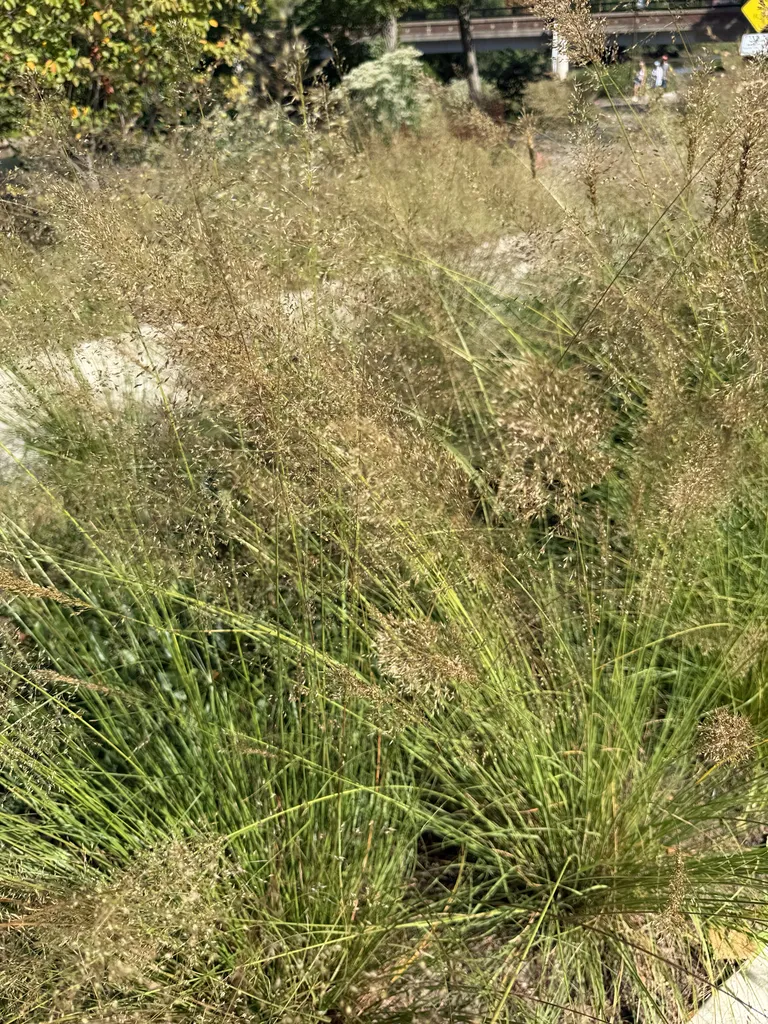
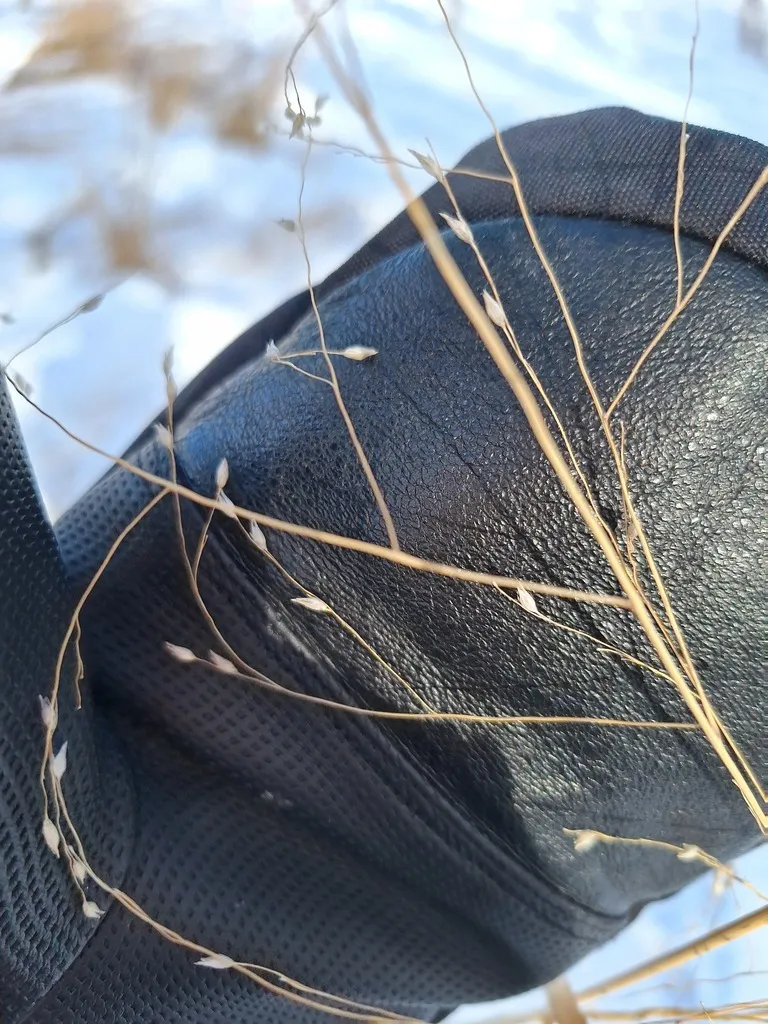
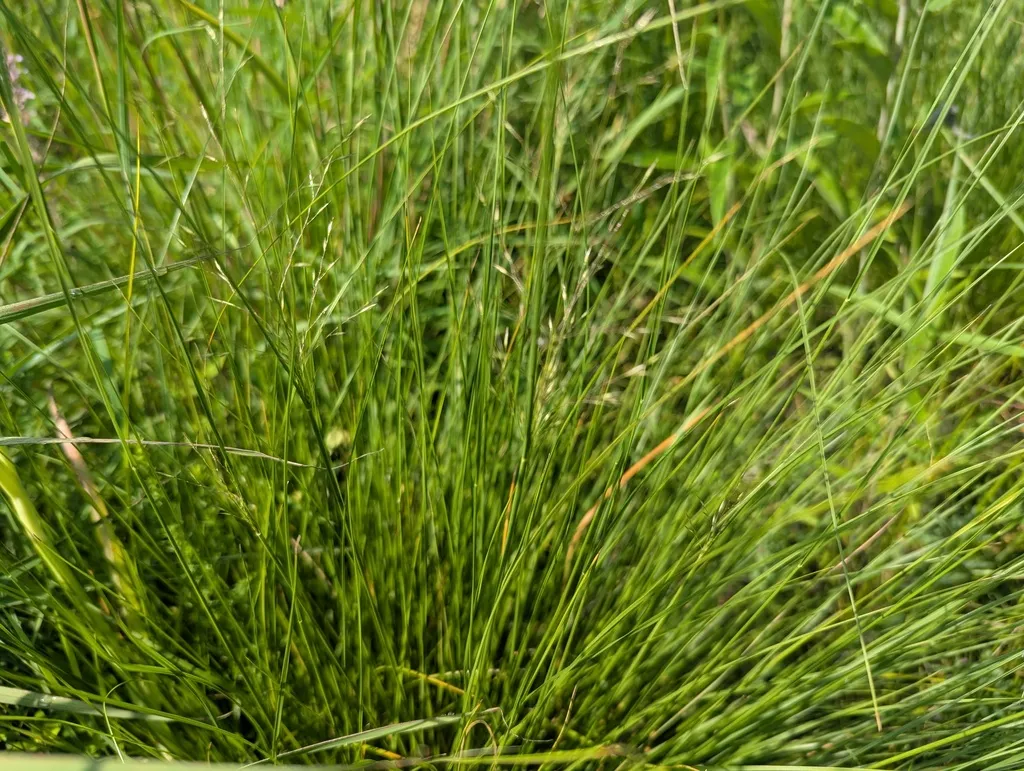
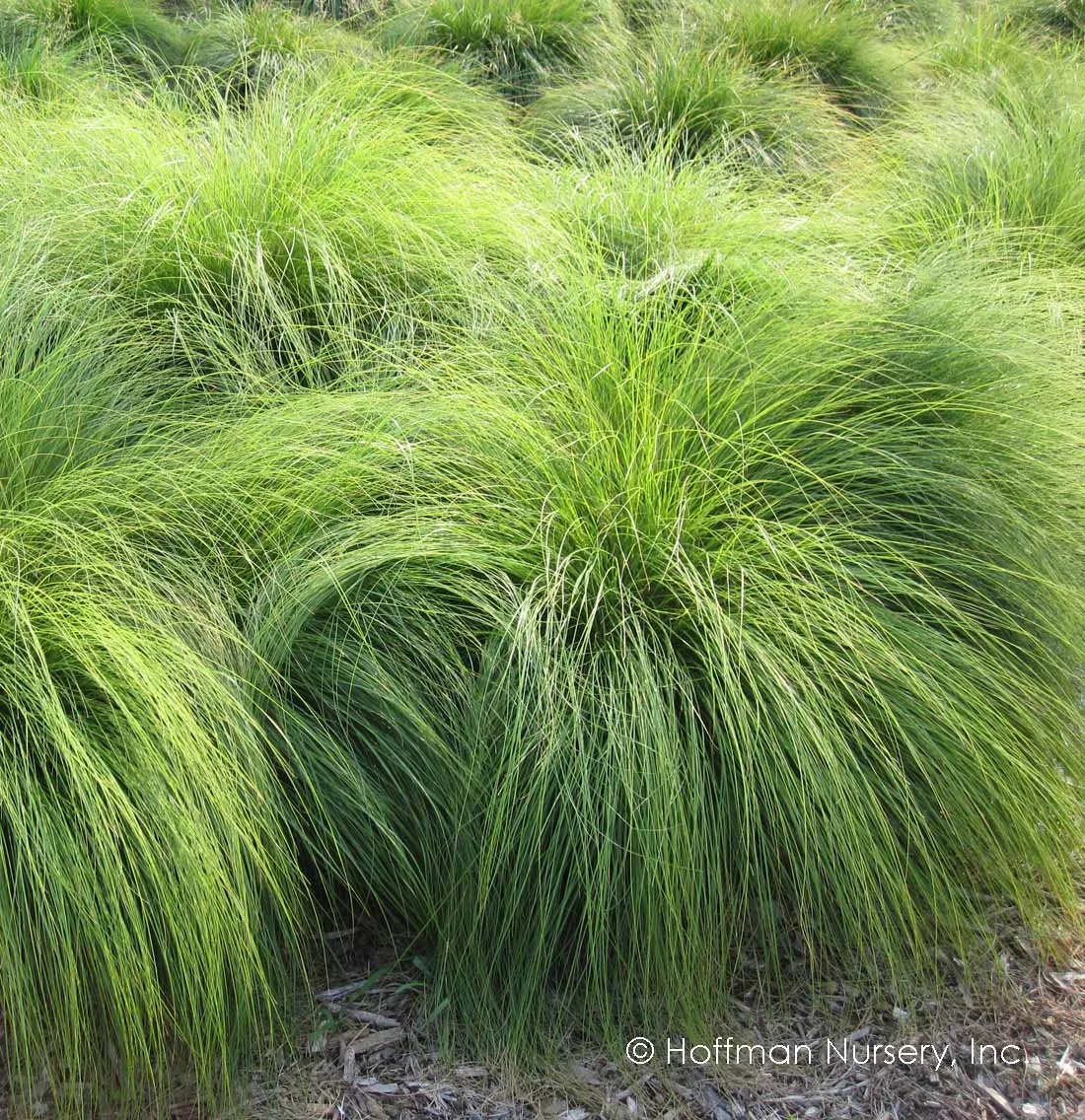
A perennial grass to about 90cm producing a dense clump of narrow, arching, mid-green leaves that produce yellow and orange tones in autumn, then die to pale brown, but remain a feature. The tiny, aromatic flowers are pinky brown and produced in airy sprays in late summer and early autumn, with the seed heads often persisting into winter
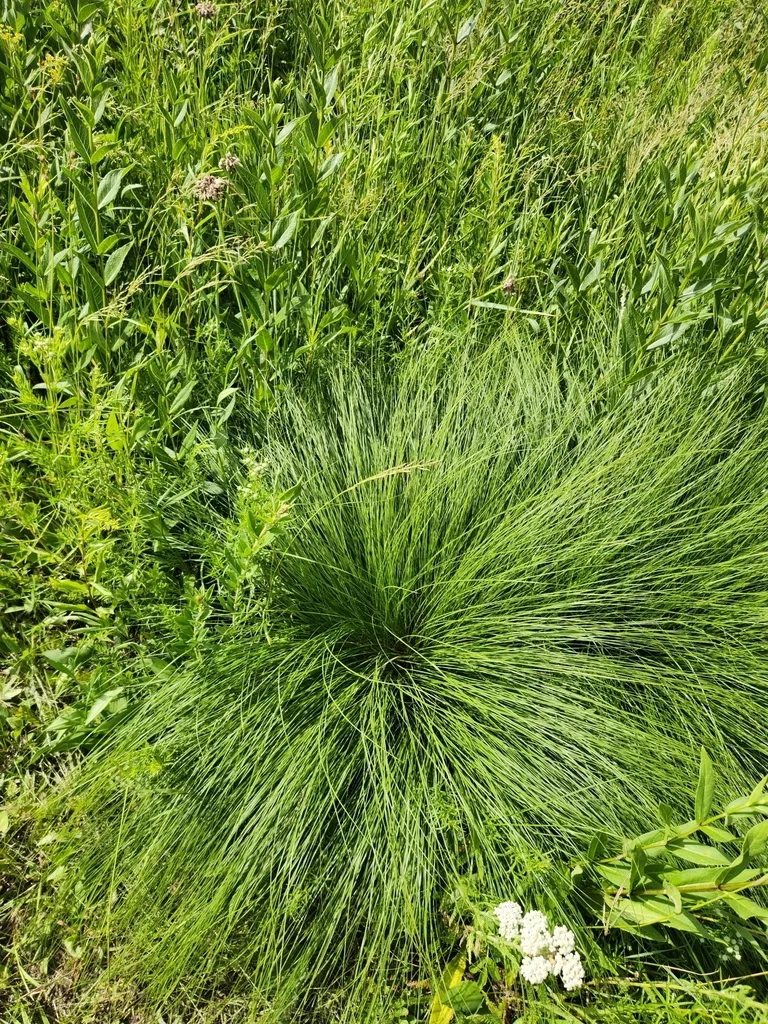
Scientific classification
- Species
- prairie dropseed (Sporobolus heterolepis)
- Genus
- Sporobolus
- Family
- Poaceae
- Order
- Poales
- Class
- Liliopsida
- Phylum
- Magnoliophyta
- Information to be completed
- Toxicity
- Grass Like
- Plant type
- 0.5-1 metres
- Height
- 0.5-1 metres
- Spread
- Deciduous
- Foliage
- Bushy
- Habit
- Autumn · Spring · Summer · Winter
- Season of interest
- Full sun
- Sunlight
- Information to be completed
- Ideal temperature









prairie dropseed pictures
Distribution of prairie dropseed
Distribution map
- Native
- Introduced
- Cultivated
Source:WCVP v16 · Royal Botanic Gardens, Kew · CC BY 3.0 · Boundaries:WGSRPD / TDWG
prairie dropseed care guide
- Moderate regular watering, avoid prolonged drought and stagnant waterlogging
- Watering
- Full sun
- Sunlight

Watering
Moderate regular watering, avoid prolonged drought and stagnant waterlogging
Fertilizing
 Fertilizing
Balanced perennial feed every four weeks spring through summer growth
Pruning
 Pruning
Cut back to near ground in early to mid-spring
Propagation
 Propagation
Propagate by seed or by division
Growing
 Growing
Grow in well-drained soil in a sunny position. Relatively slow-growing so don't allow other plants to crowd it out
Common pests and diseases
Diseases
Generally trouble free
Pests
Generally trouble free
Explore the plant health library →




