
Maxillaria grandiflora
Also known as: Information to be completed
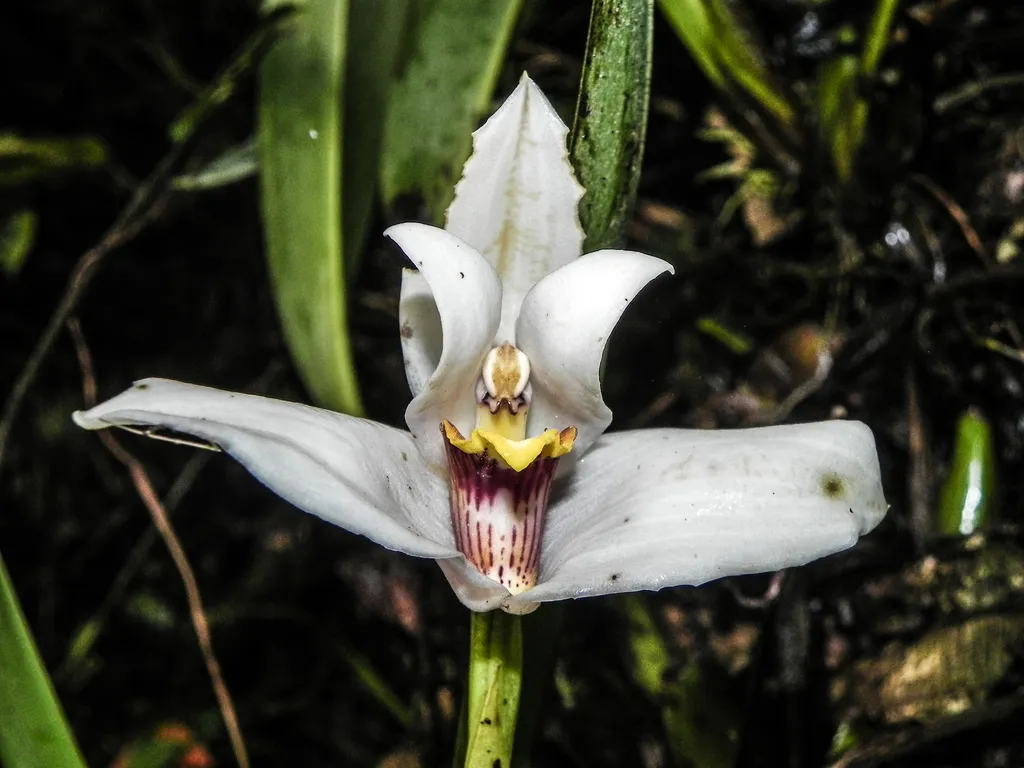
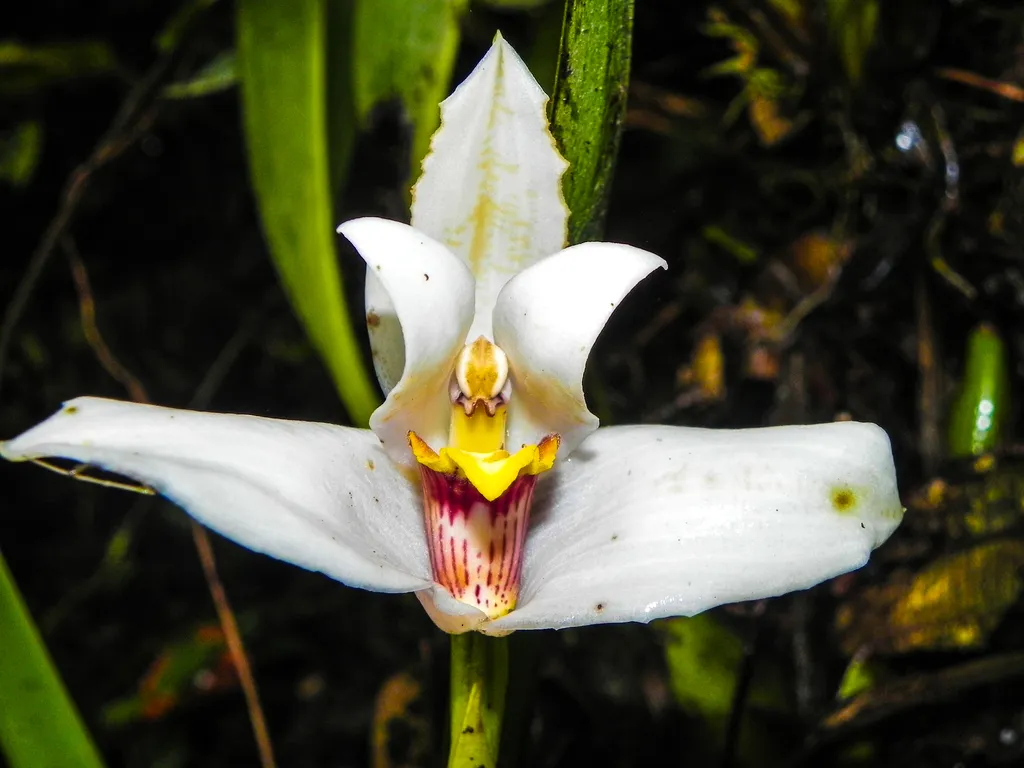
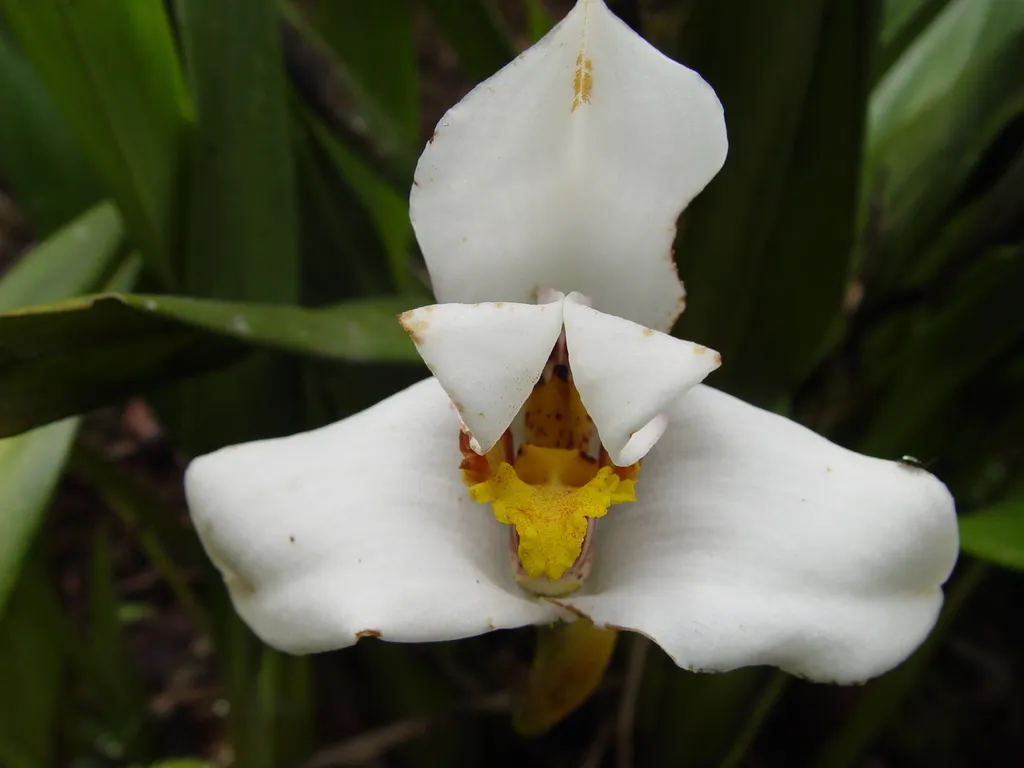
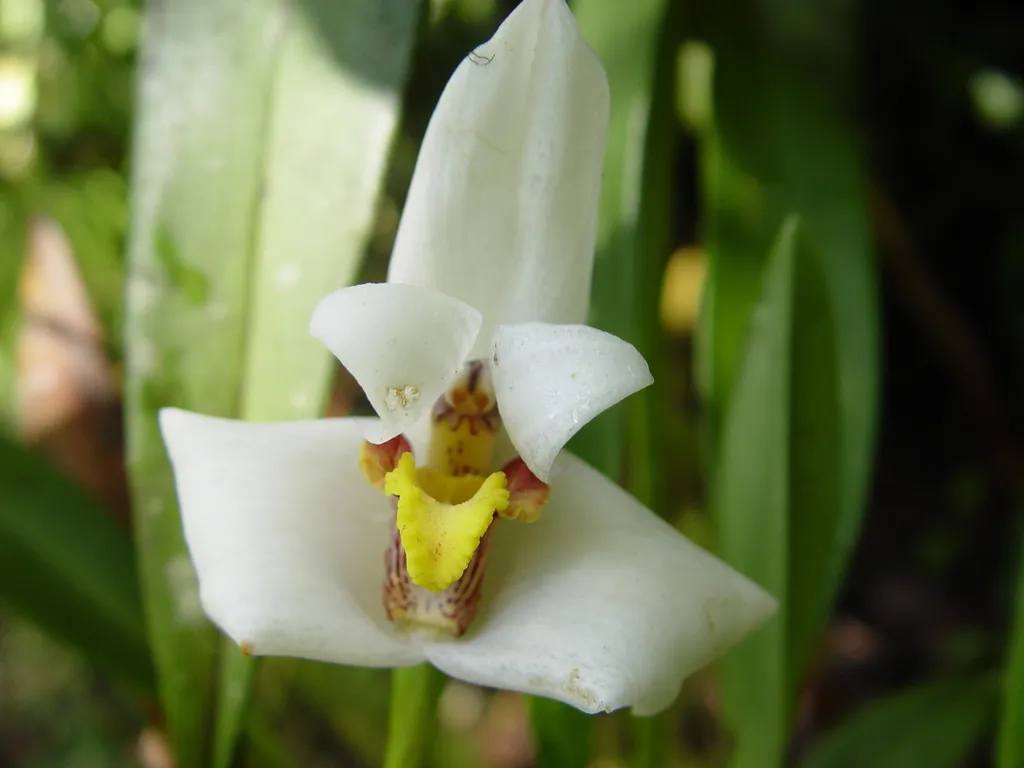
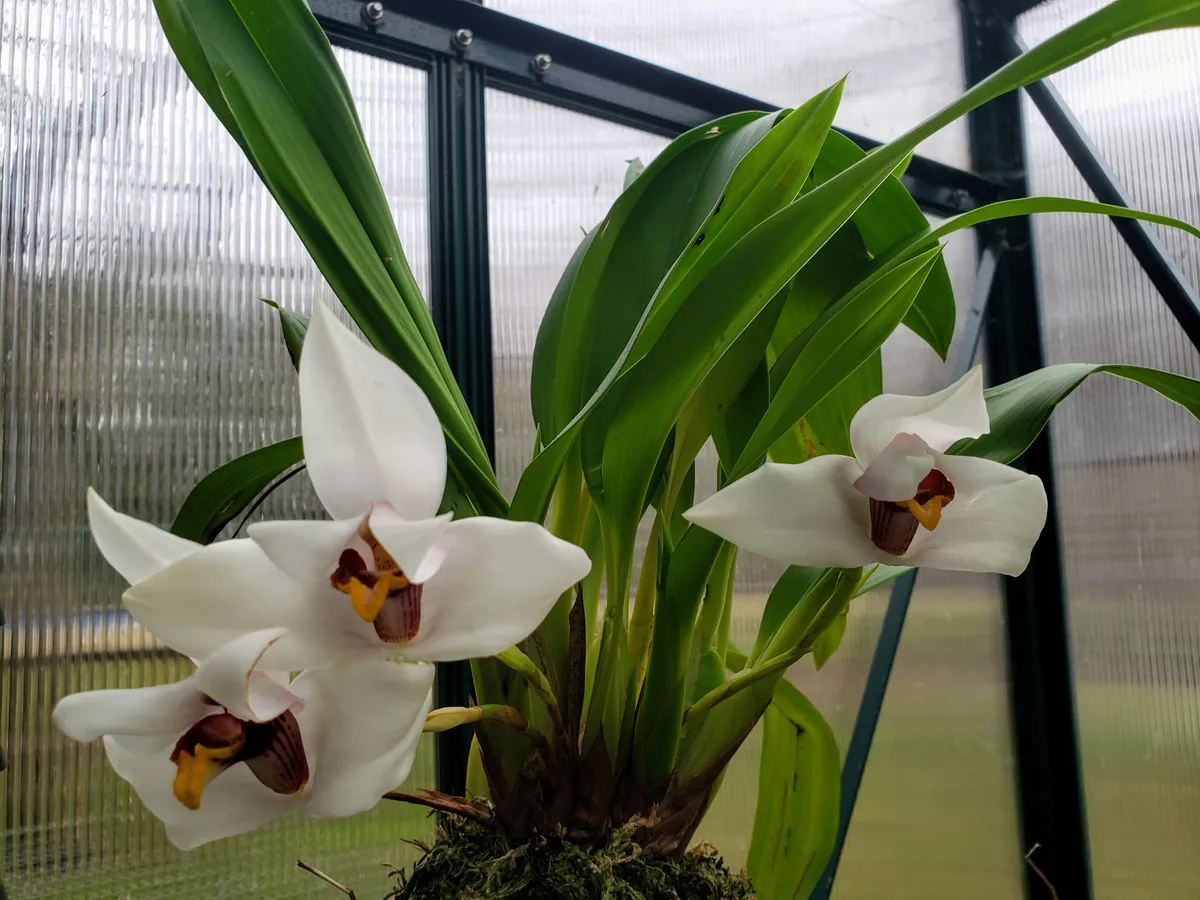
An epiphytic, evergreen orchid producing a clump of small, oval-shaped pseudobulbs, measuring approximately 4cm in diameter. Each pseudobulb carries one, up to 30cm long and 5.5cm wide leaf. In late spring and early summer, flowering stems emerge from the base of pseudobulbs. Each stem, 10-13cm long carries single, white, long-lasting flower. The flowers are scented, measuring 8-10cm across. Mature plants grown in optimal conditions often produce large numbers of flowering stems, flowering simultaneously
Scientific classification
- Species
- Maxillaria grandiflora (Maxillaria grandiflora)
- Genus
- Maxillaria
- Family
- Orchidaceae
- Order
- Asparagales
- Class
- Liliopsida
- Phylum
- Tracheophyta
- Information to be completed
- Toxicity
- Conservatory Greenhouse
- Plant type
- 0.1-0.5 metres
- Height
- 0.1-0.5 metres
- Spread
- Evergreen
- Foliage
- Clump forming
- Habit
- Spring · Summer · Autumn · Winter
- Season of interest
- Partial shade
- Sunlight
- Information to be completed
- Ideal temperature









Maxillaria grandiflora pictures
Distribution of Maxillaria grandiflora
Distribution map
- Native
- Introduced
- Cultivated
Source:WCVP v16 · Royal Botanic Gardens, Kew · CC BY 3.0 · Boundaries:WGSRPD / TDWG
Maxillaria grandiflora care guide
- Keep potting medium lightly moist, airy, and never stagnant
- Watering
- Partial shade
- Sunlight

Watering
Keep potting medium lightly moist, airy, and never stagnant
Fertilizing
 Fertilizing
Half-strength orchid feed every two to three weeks in active growth
Pruning
 Pruning
No pruning required
Propagation
 Propagation
 by seed is only possible in a controlled laboratory environment. Mature plants may be divided in early or mid spring, when the plant overgrows its container. Each division should have at least 3-4 healthy, older pseudobulbs with a sufficient amount of stored energy and water, to support new growth and reduce stress after repotting
Growing
 Growing
Grow in an open, free-draining, medium-grade, bark-based orchid mix with addition of perlite, sphagnum moss or coir. Requires day temperatures around 18-20°C and 14-16°C at night. Provide good light levels, but avoid direct sunlight. Water plants thoroughly when compost is almost dry, allow to drain and use orchid fertiliser regularly during growing season. See also indoor orchid cultivation
Common pests and diseases
Diseases
Generally disease free. Poor air movement and soggy potting mix may cause risk of bacterial infections
Pests
May be susceptible to aphids, glasshouse red spider mite, scale insects and mealybugs
Explore the plant health library →




