
dahlia 'Emory Paul'
Also known as: Information to be completed
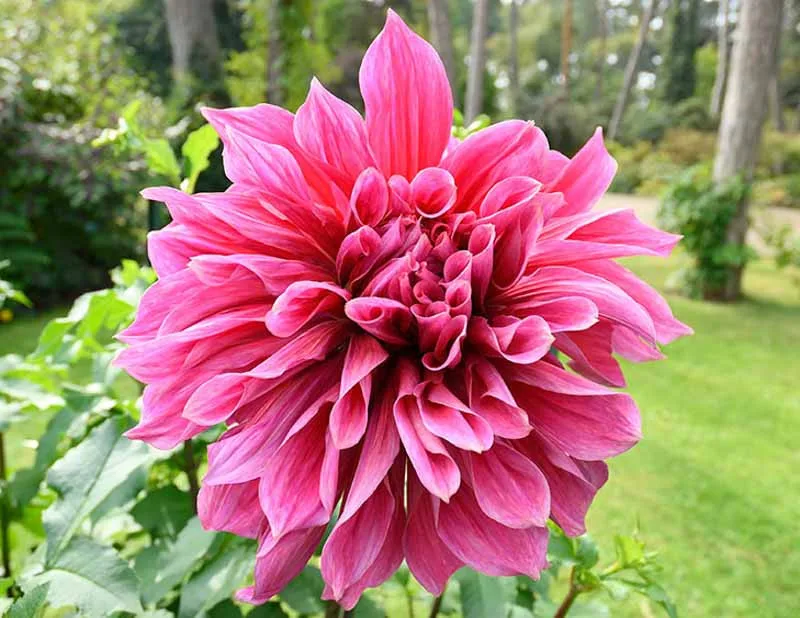
Emory Paul' is a green-leaved cultivar that grows to around 1m tall. It bears large pink-purple flowerheads in summer and early autumn
Scientific classification
- Species
- dahlia 'Emory Paul' (Dahlia 'Emory Paul')
- Genus
- Dahlia
- Family
- Asteraceae
- Order
- Asterales
- Class
- Magnoliopsida
- Phylum
- Magnoliophyta
- Information to be completed
- Toxicity
- Bedding · Herbaceous Perennial
- Plant type
- 0.5-1 metres
- Height
- 0.1-0.5 metres
- Spread
- Deciduous
- Foliage
- Columnar upright
- Habit
- Summer · Autumn
- Season of interest
- Full sun
- Sunlight
- Information to be completed
- Ideal temperature









dahlia 'Emory Paul' pictures
dahlia 'Emory Paul' care guide
- Generous deep watering once top substrate loses all surface moisture
- Watering
- Full sun
- Sunlight

Watering
Generous deep watering once top substrate loses all surface moisture
Fertilizing
 Fertilizing
High-potassium dilute dahlia feed biweekly summer blooming period
Pruning
 Pruning
Deadhead to prolong flowering. Cut back to near ground level in the autumn, before lifting and storing for the winter or mulching in milder locations
Propagation
 Propagation
Propagate by softwood cuttings taken in spring from shoots from stored tubers, or divide the tubers ensuring each division has a viable bud
Growing
 Growing
Grow in fertile, humus-rich, well-drained soil, enriched with organic matter and general purpose fertiliser, in full sun. Pinch out growing tips to encourage bushy plants and stake (see staking perennials). Water freely in dry periods. Lift and store tubers in autumn to replant or use as a source of cuttings in spring. See dahlia cultivation
Common pests and diseases
Diseases
May be affected by a virus, tubers may rot in store
Pests
Can get aphids, capsid bug, earwigs, caterpillars and glasshouse red spider mite
Explore the plant health library →




