
eastern bluestar
Also known as: Information to be completed
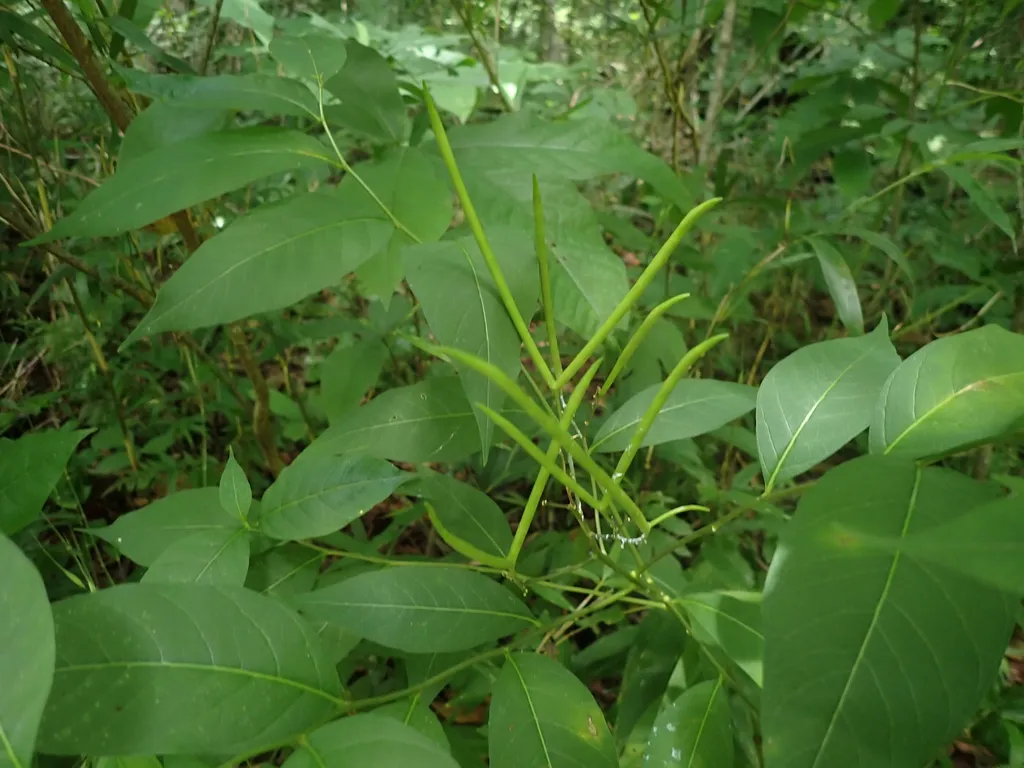
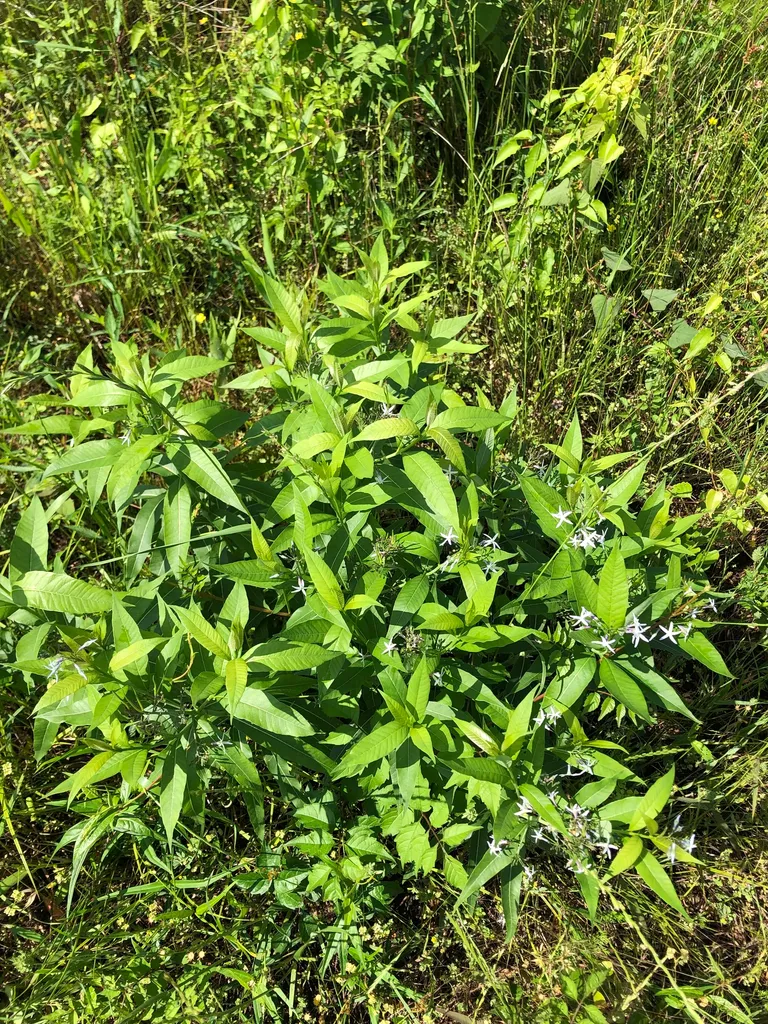
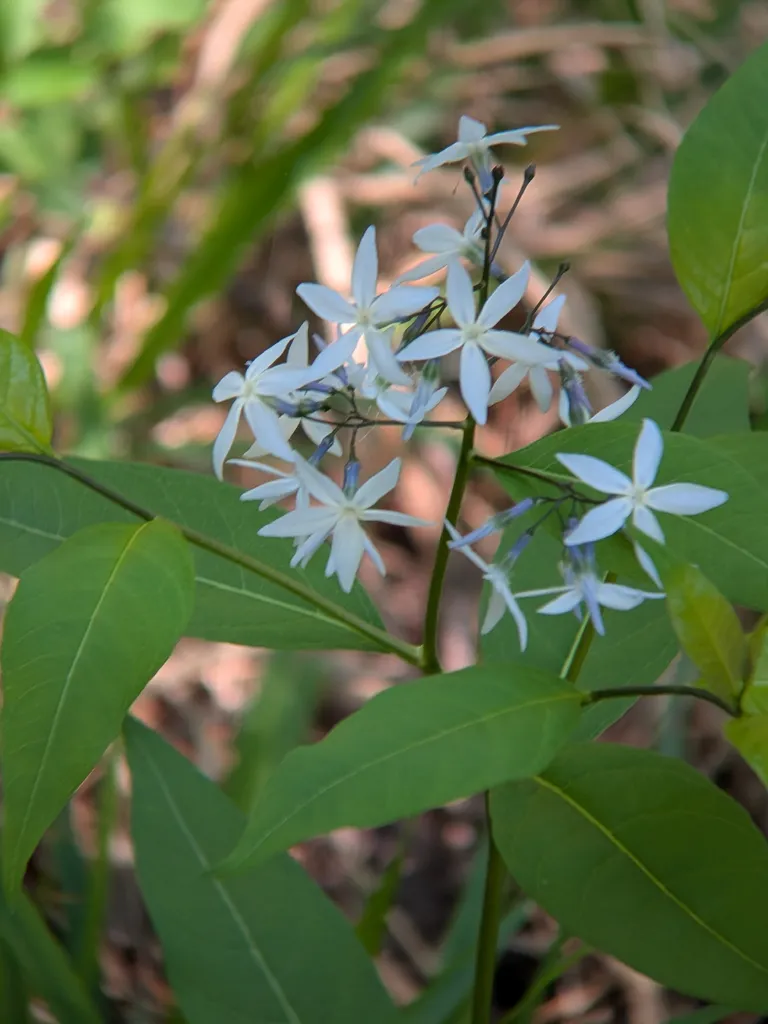
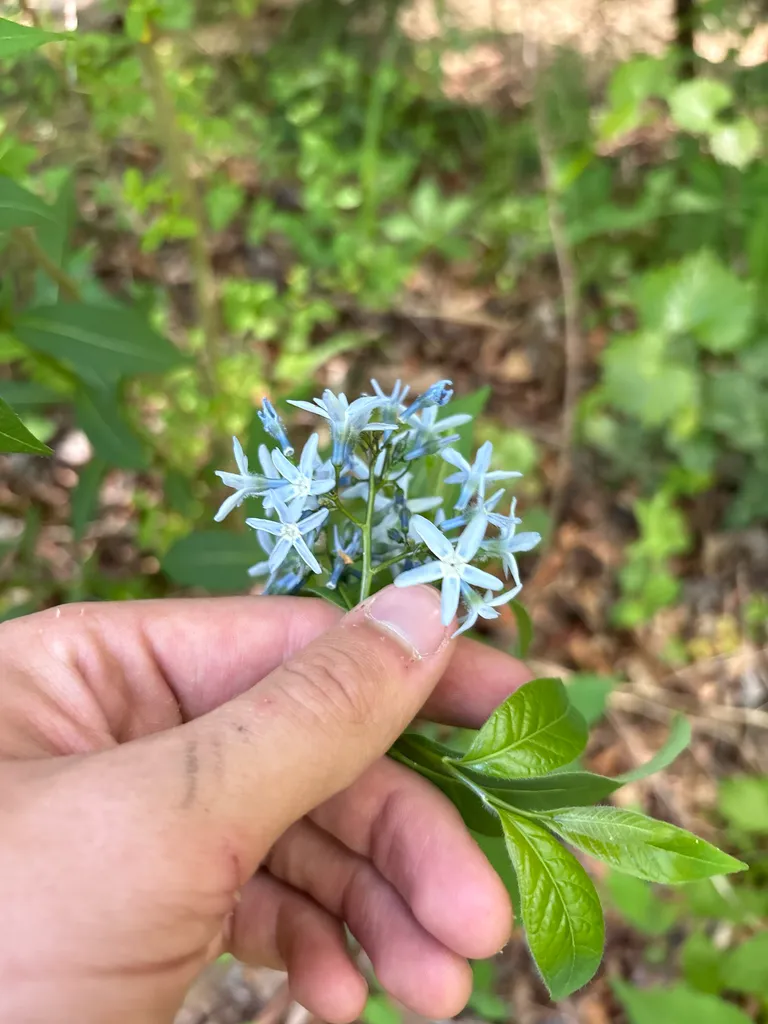
A clump-forming perennial with many stems bearing small, oval or lance-shaped, dark green leaves. Dense, rounded clusters of pale blue flowers are produced from late spring to mid-summer
Scientific classification
- Species
- eastern bluestar (Amsonia tabernaemontana)
- Genus
- Amsonia
- Family
- Apocynaceae
- Order
- Gentianales
- Class
- Magnoliopsida
- Phylum
- Magnoliophyta
- Information to be completed
- Toxicity
- Herbaceous Perennial
- Plant type
- 0.5-1 metres
- Height
- 0.1-0.5 metres
- Spread
- Deciduous
- Foliage
- Clump forming
- Habit
- Spring · Summer · Autumn
- Season of interest
- Full sun · Partial shade
- Sunlight
- Information to be completed
- Ideal temperature









eastern bluestar pictures
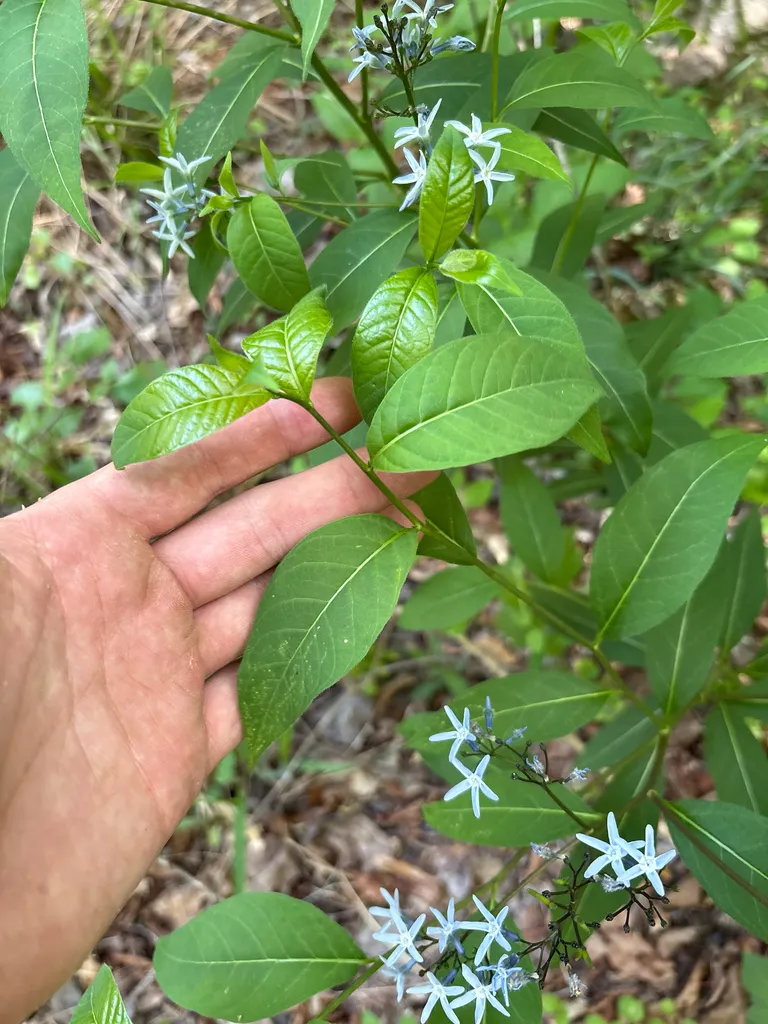
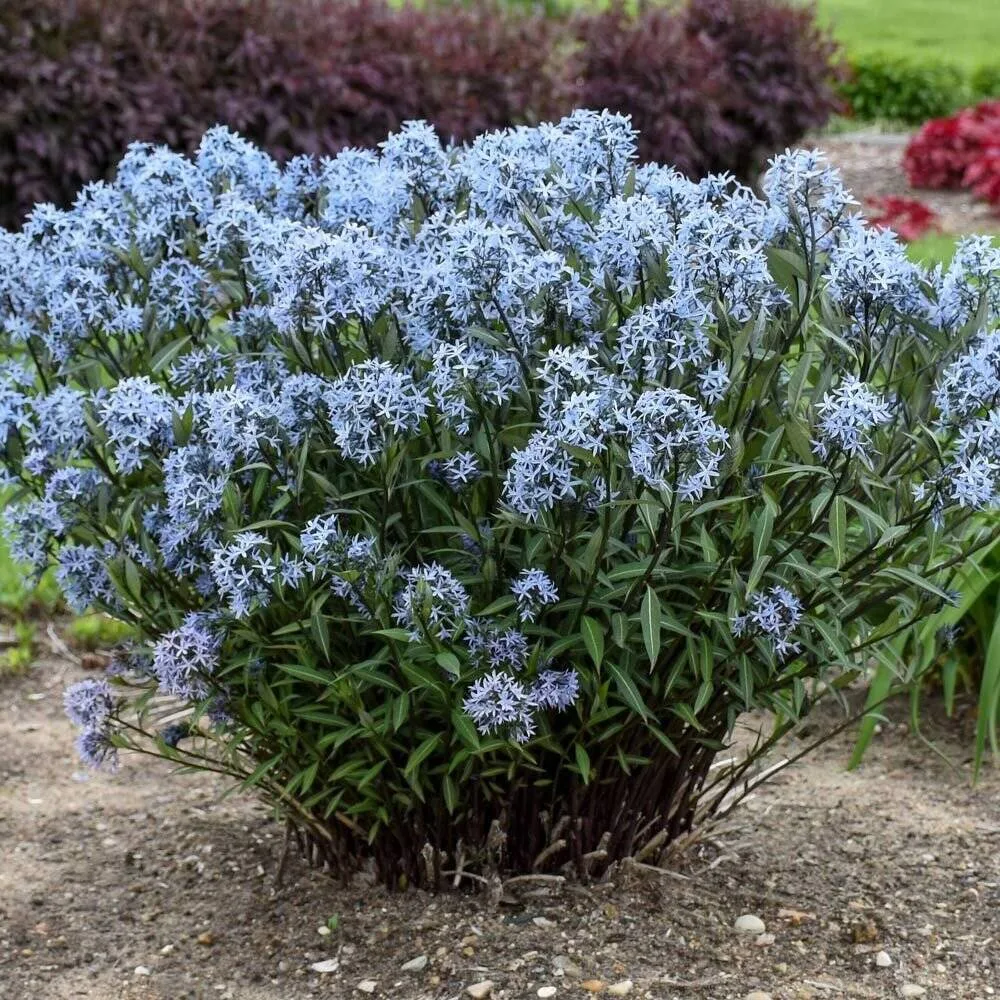
Distribution of eastern bluestar
Distribution map
- Native
- Introduced
- Cultivated
Source:WCVP v16 · Royal Botanic Gardens, Kew · CC BY 3.0 · Boundaries:WGSRPD / TDWG
eastern bluestar care guide
- Moderate steady moisture, reduce watering amount entering cold winter months
- Watering
- Full sun · Partial shade
- Sunlight

Watering
Moderate steady moisture, reduce watering amount entering cold winter months
Fertilizing
 Fertilizing
Balanced general plant feed monthly spring until end of summer growth
Pruning
 Pruning
Cut back in late autumn
Propagation
 Propagation
Propagate by seed sown in pots in a cold frame in autumn or spring. Alternatively propagate by division in spring or root softwood cuttings in early summer
Growing
 Growing
Grows best in fertile, moist but well-drained soil in full sun, although it can tolerate partial shade and is fairly drought-tolerant
Common pests and diseases
Diseases
Generally disease free
Pests
Generally pest-free
Explore the plant health library →




