
rose grape
Also known as: Information to be completed
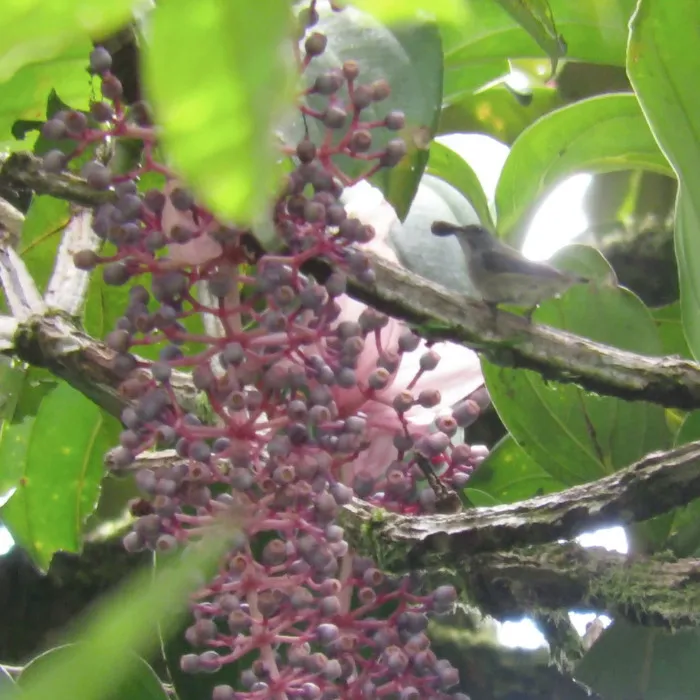
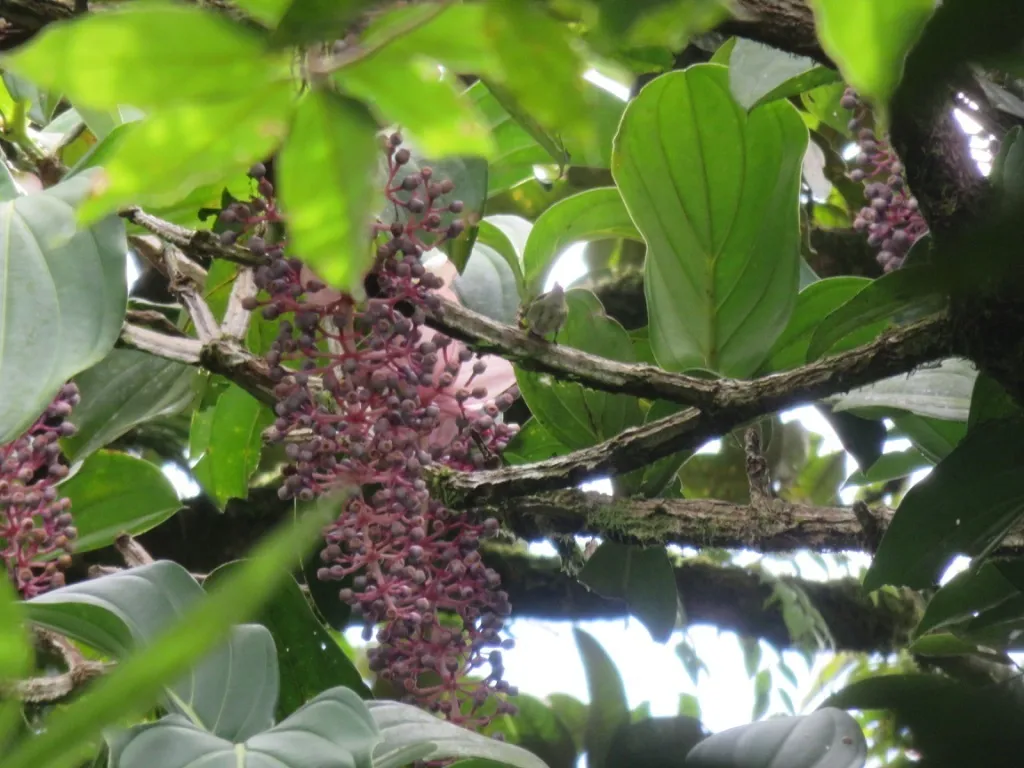
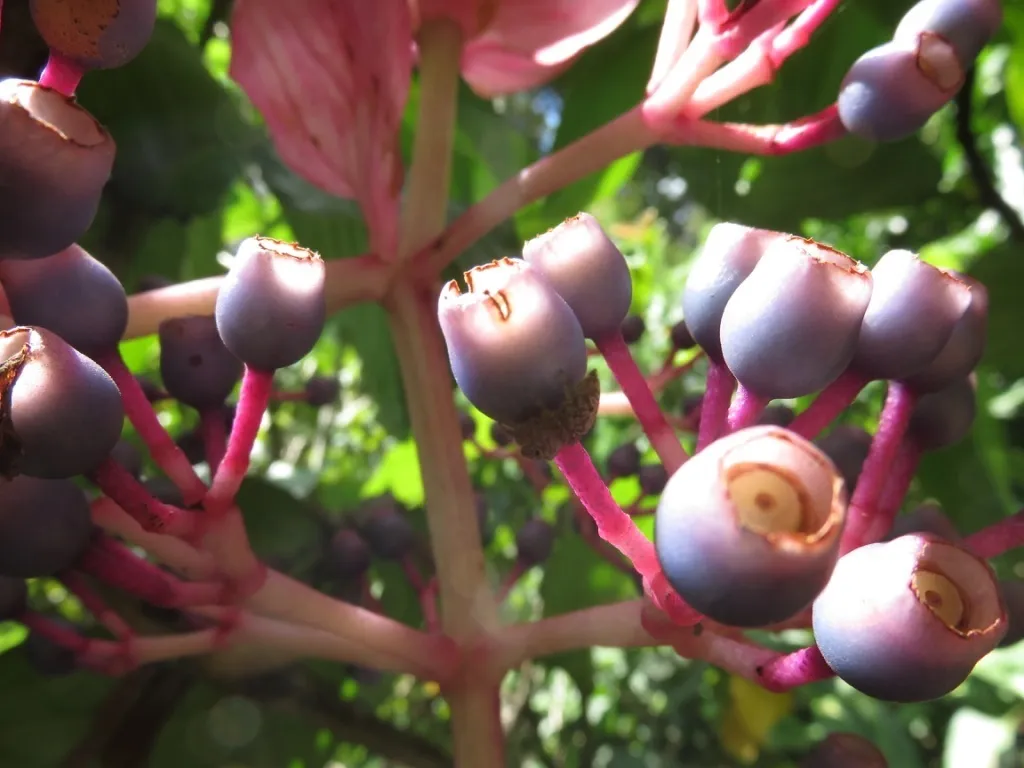
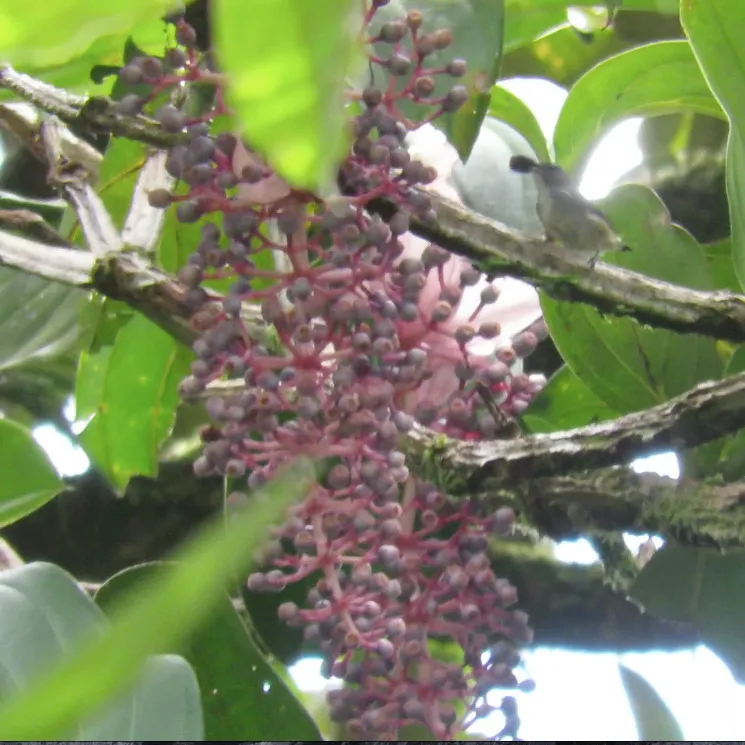
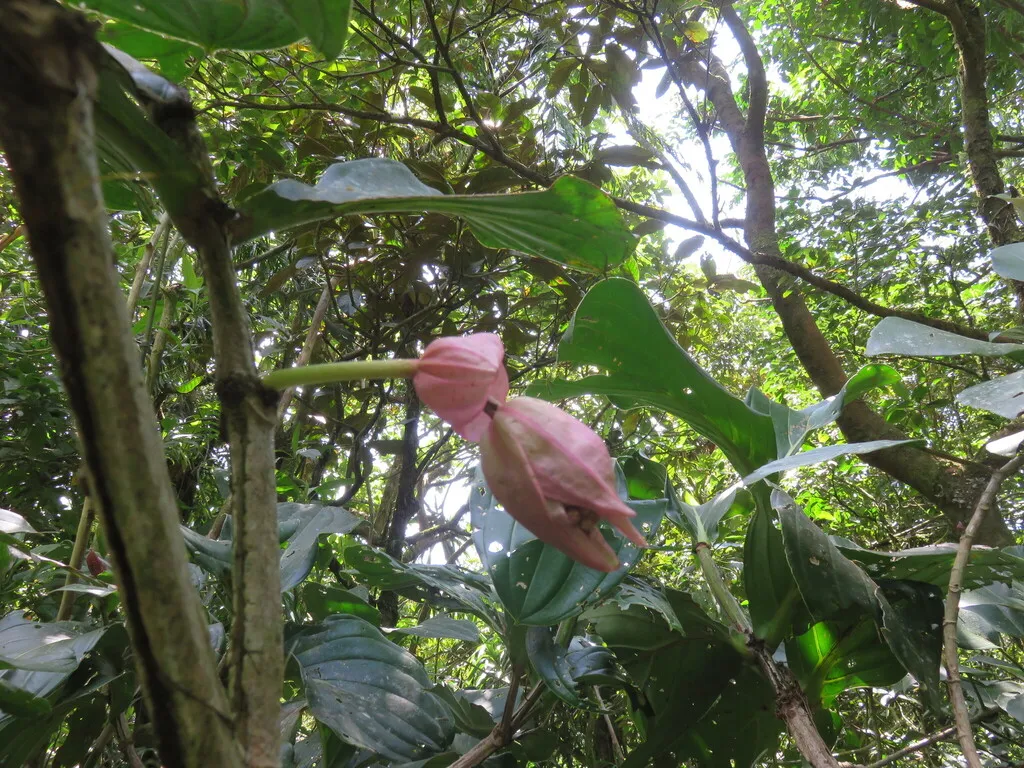
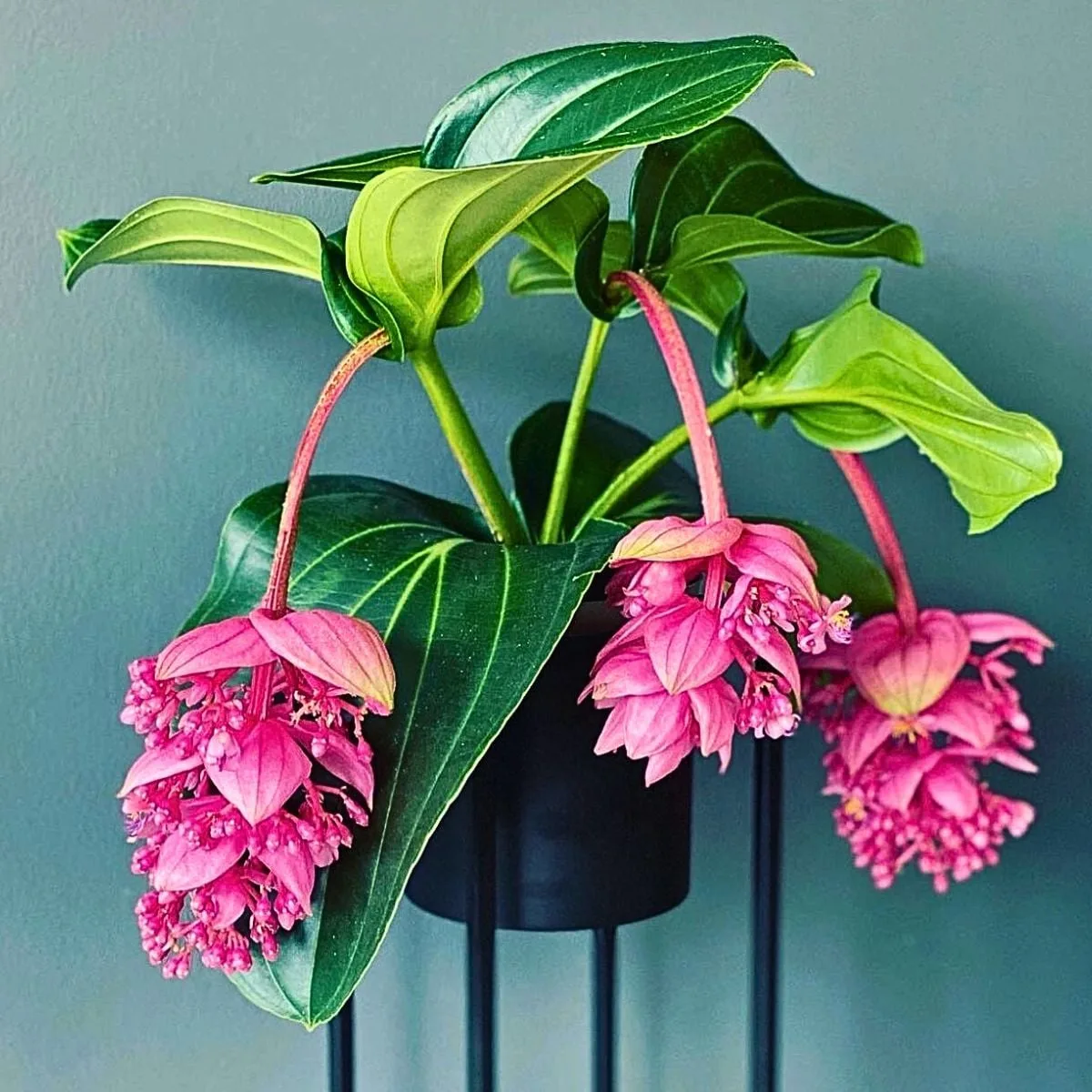
M. magnifica is an upright epiphytic shrub with leathery, broadly ovate, pale-veined, deep green leaves to 30cm long and, in summer, arching panicles of pink flowers 2.5cm across, with showy pink basal bracts
Scientific classification
- Species
- rose grape (Medinilla magnifica)
- Genus
- Medinilla
- Family
- Melastomataceae
- Order
- Myrtales
- Class
- Magnoliopsida
- Phylum
- Tracheophyta
- Information to be completed
- Toxicity
- Conservatory Greenhouse
- Plant type
- 1.5-2.5 metres
- Height
- 1-1.5 metres
- Spread
- Evergreen
- Foliage
- Bushy
- Habit
- Spring · Summer · Autumn · Winter
- Season of interest
- Full sun · Partial shade
- Sunlight
- Information to be completed
- Ideal temperature









rose grape pictures
Distribution of rose grape
Distribution map
- Native
- Introduced
- Cultivated
Source:WCVP v16 · Royal Botanic Gardens, Kew · CC BY 3.0 · Boundaries:WGSRPD / TDWG
rose grape care guide
- High humidity evenly moist mix, never let substrate fully dry
- Watering
- Full sun · Partial shade
- Sunlight

Watering
High humidity evenly moist mix, never let substrate fully dry
Fertilizing
 Fertilizing
Highly diluted tropical feed monthly warm growing months
Pruning
 Pruning
Prune lightly as needed to remove unwanted shoots and keep the shrub in shape. Prune in mid- to late spring.
Propagation
 Propagation
Propagate by seed, softwood cuttings in spring or semi-ripe cuttings in summer
Growing
 Growing
Grow under glass in loam-based potting compost (JI No 2) in bright filtered light, or full light with shade from hot sun. Provide high humidity by placing on an upturned saucer in a tray with moist gravel. Water moderately in growth and apply a balanced liquid fertiliser monthly. Water sparingly in winter
Common pests and diseases
Diseases
Generally disease free
Pests
scale insect may be a nuisance
Explore the plant health library →




