
bastard balm
Also known as: baum leaf; honey balm
A strongly aromatic, herbaceous perennial to 60cm tall, forming a clump of erect, square stems. The leaves, borne in opposite pairs, are softly hairy and wrinkled. In late spring and summer it produces whorls of tubular flowers in white, pink or purple, or white with pink or purple lips; the flowers are attractive to bees. Grow this native wildflower in a shady border or woodland garden
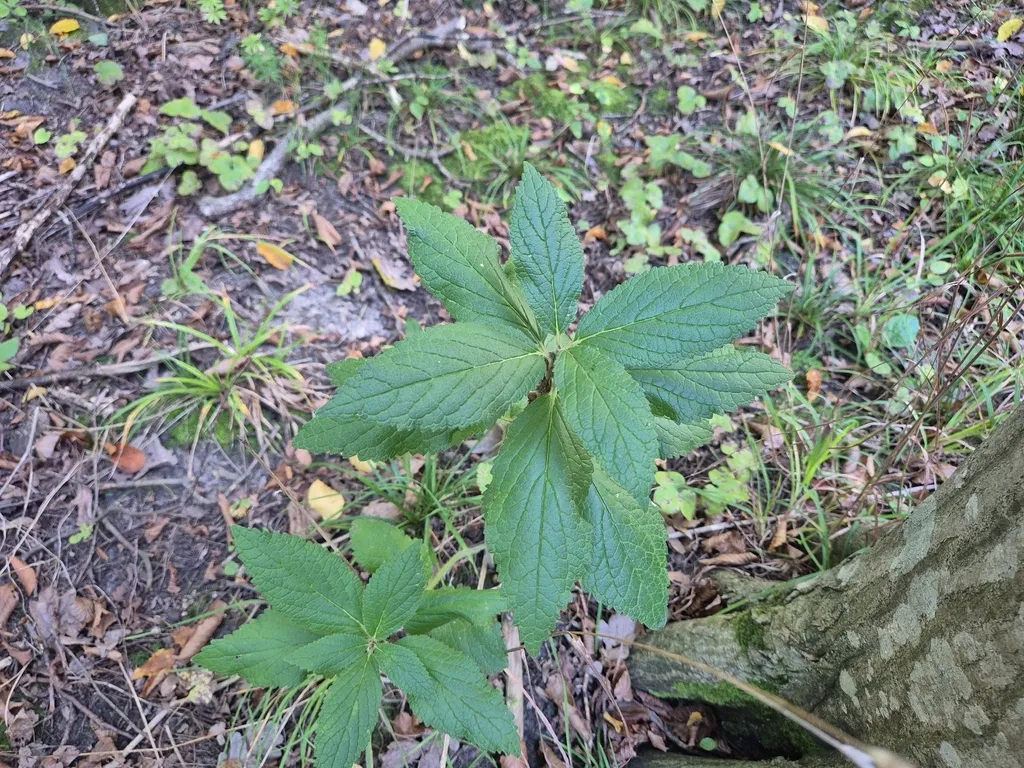
Scientific classification
- Species
- bastard balm (Melittis melissophyllum)
- Genus
- Melittis
- Family
- Lamiaceae
- Order
- Lamiales
- Class
- Magnoliopsida
- Phylum
- Tracheophyta
- Information to be completed
- Toxicity
- Herbaceous Perennial
- Plant type
- 0.5-1 metres
- Height
- 0.5-1 metres
- Spread
- Deciduous
- Foliage
- Clump forming
- Habit
- Spring · Summer · Autumn
- Season of interest
- Partial shade
- Sunlight
- Information to be completed
- Ideal temperature









bastard balm pictures
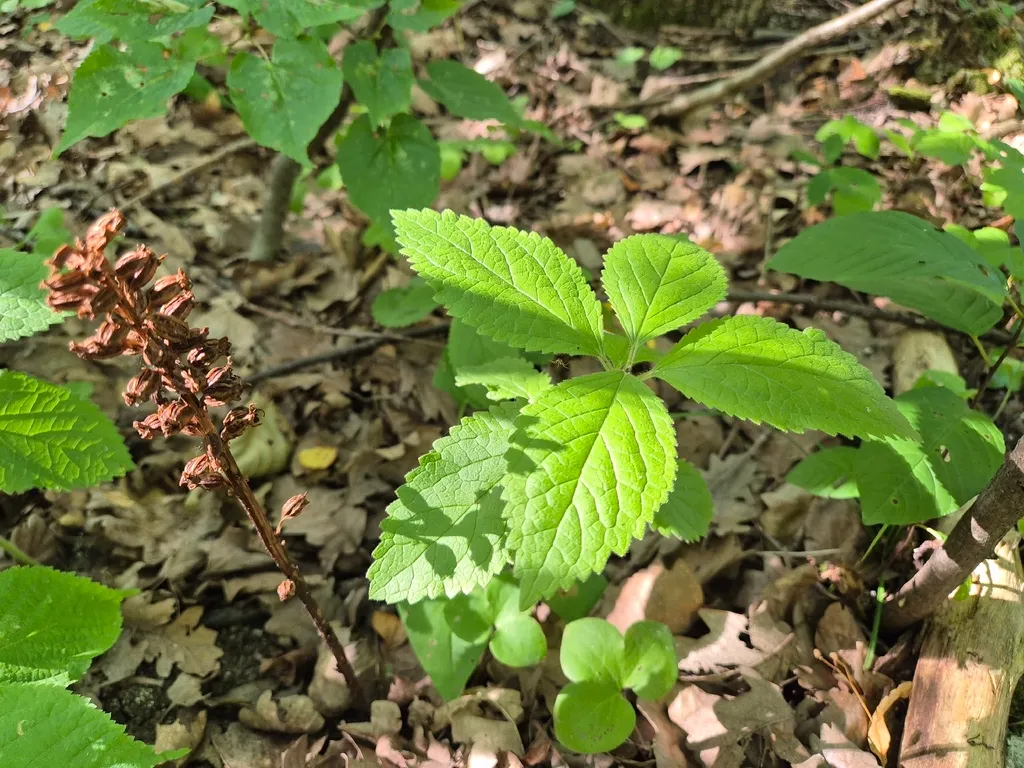
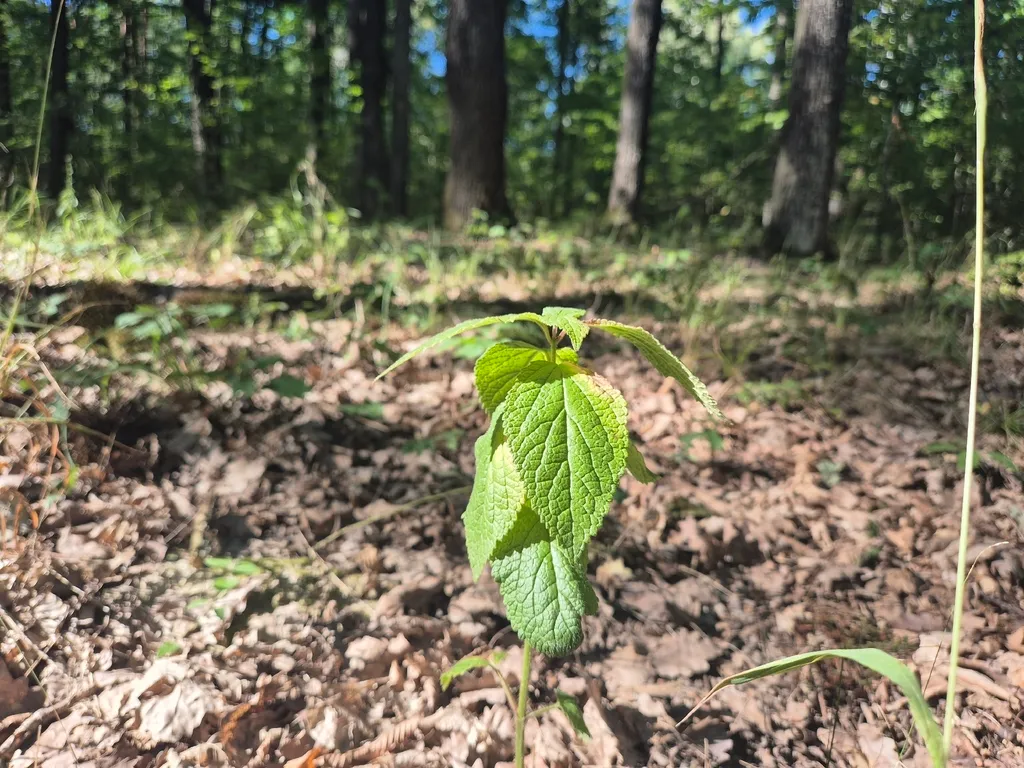
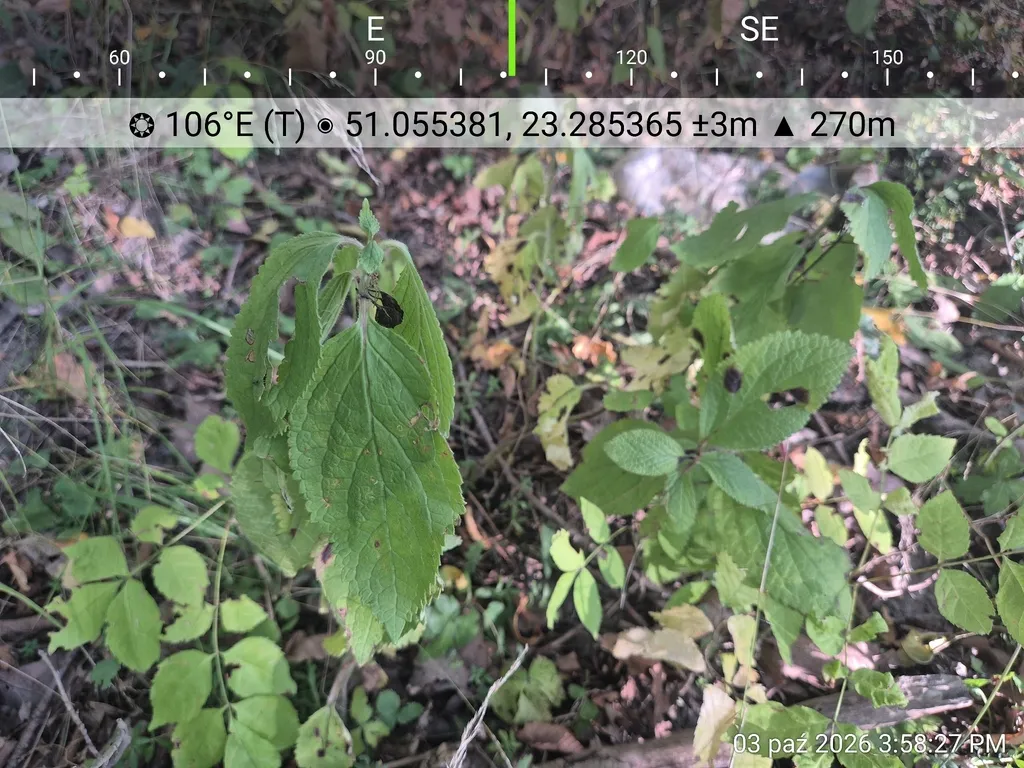
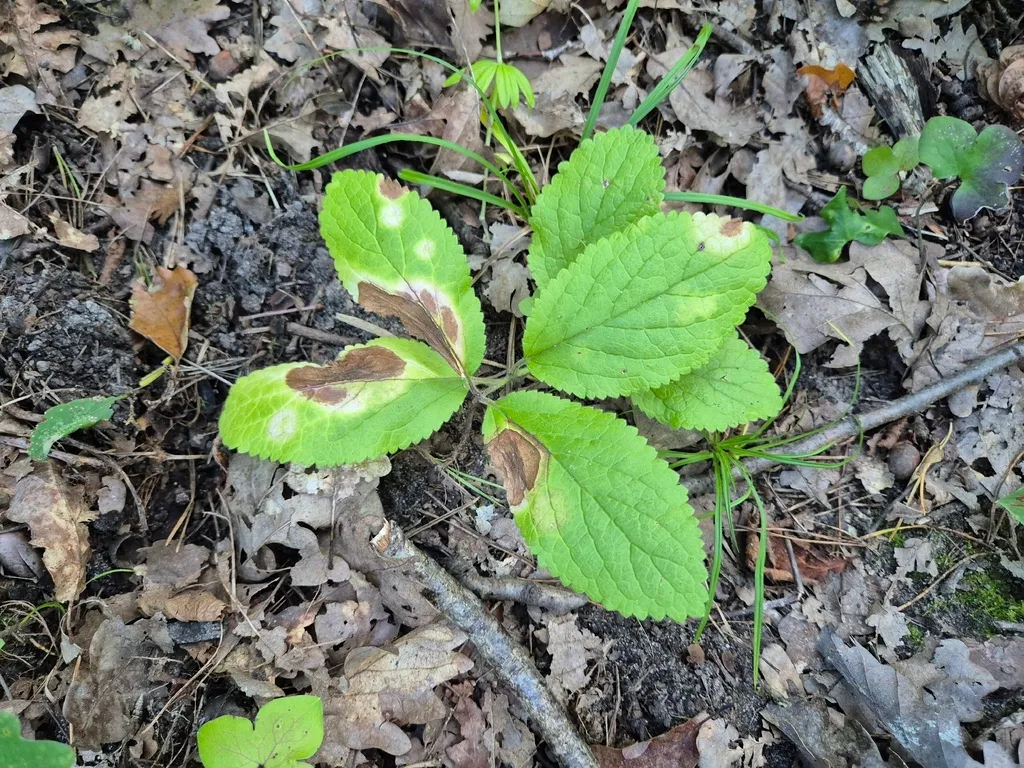
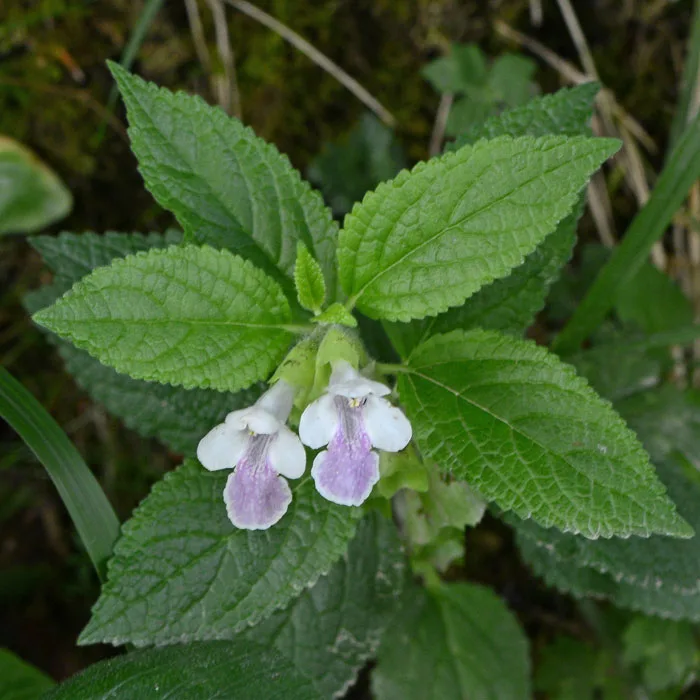
Distribution of bastard balm
Distribution map
- Native
- Introduced
- Cultivated
Locally extinct or doubtful records are excluded from native and introduced layers.
Source:WCVP v16 · Royal Botanic Gardens, Kew · CC BY 3.0 · Boundaries:WGSRPD / TDWG
bastard balm care guide
- Moderate regular watering, allowing brief slight drying between soakings
- Watering
- Partial shade
- Sunlight

Watering
Moderate regular watering, allowing brief slight drying between soakings
Fertilizing
 Fertilizing
Balanced perennial feed every four weeks from spring through summer
Pruning
 Pruning
No pruning required
Propagation
 Propagation
Propagate by sowing seed in containers in a cold frame as soon as ripe. Divide in spring
Growing
 Growing
Grow in moderately fertile, moist but well-drained soil in partial shade
Common pests and diseases
Diseases
Generally disease-free
Pests
Generally pest-free
Explore the plant health library →




