
oysterplant
Also known as: gromwell; oysterleaf; sea bugloss; sea lungwort
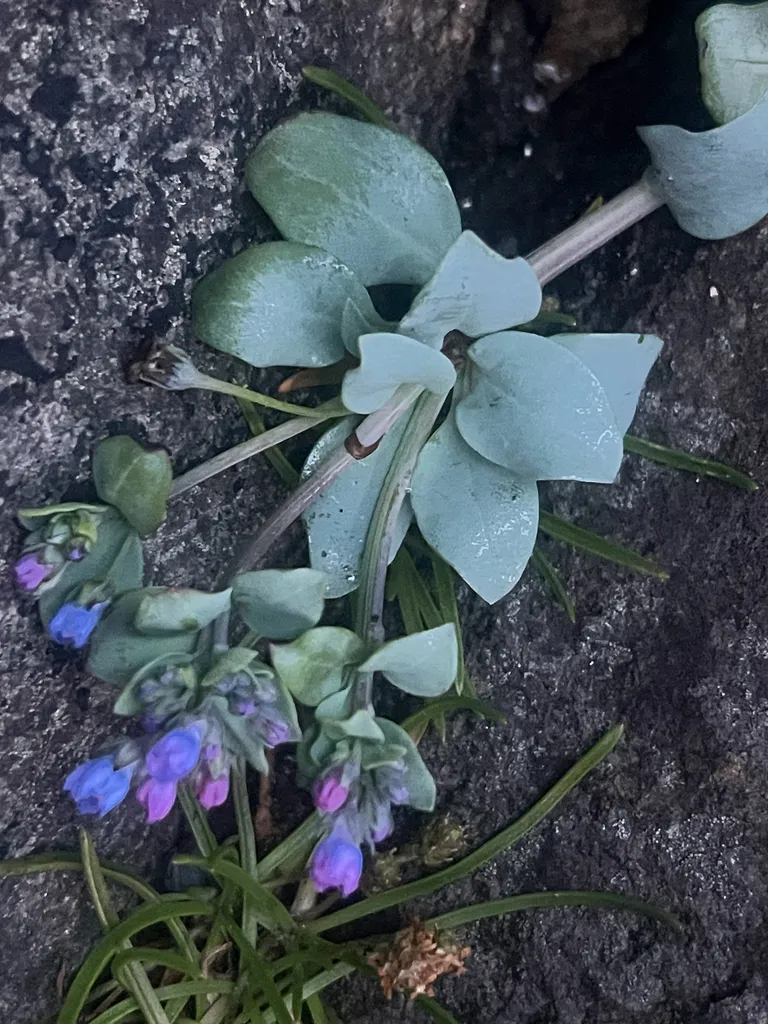
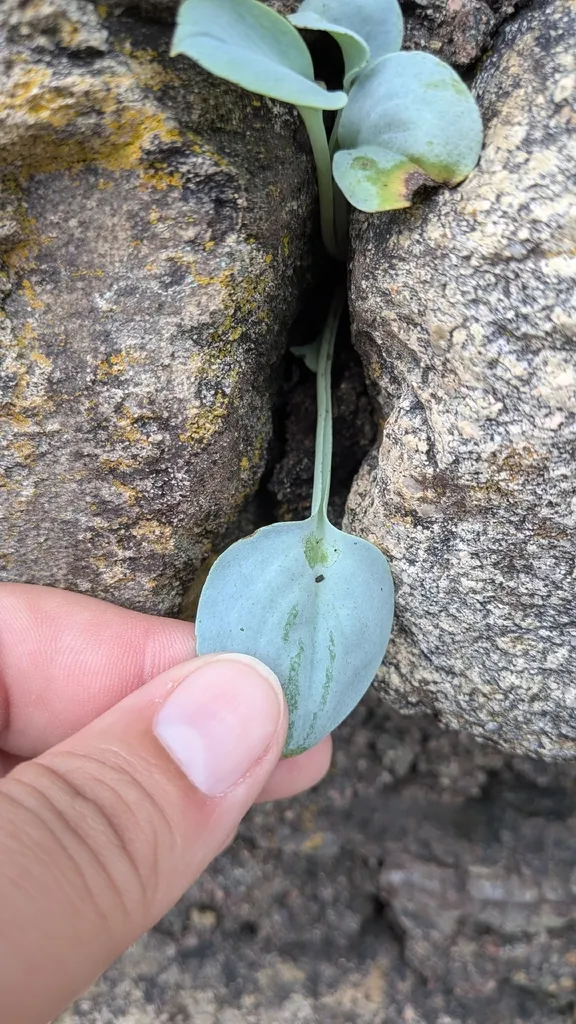
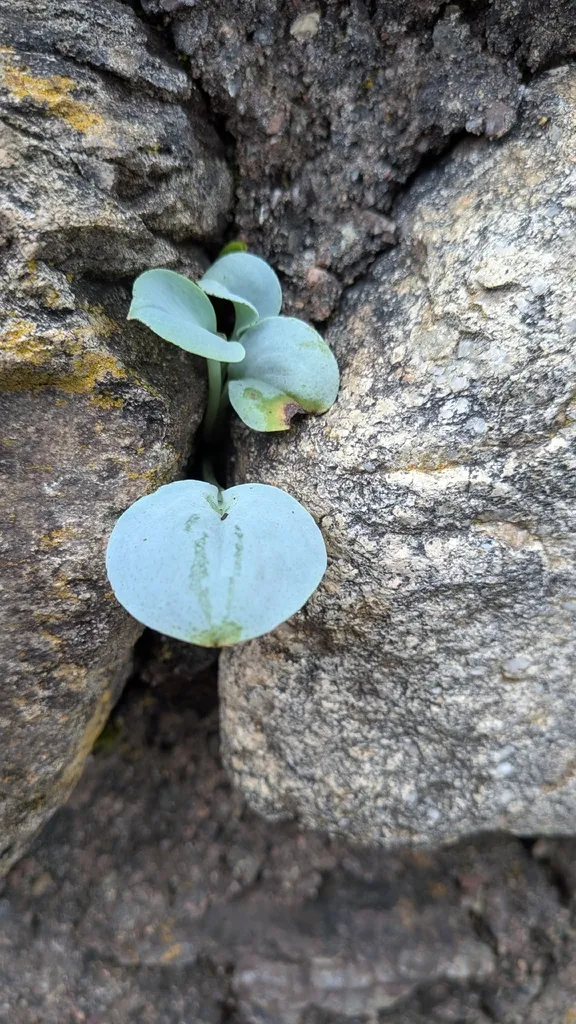
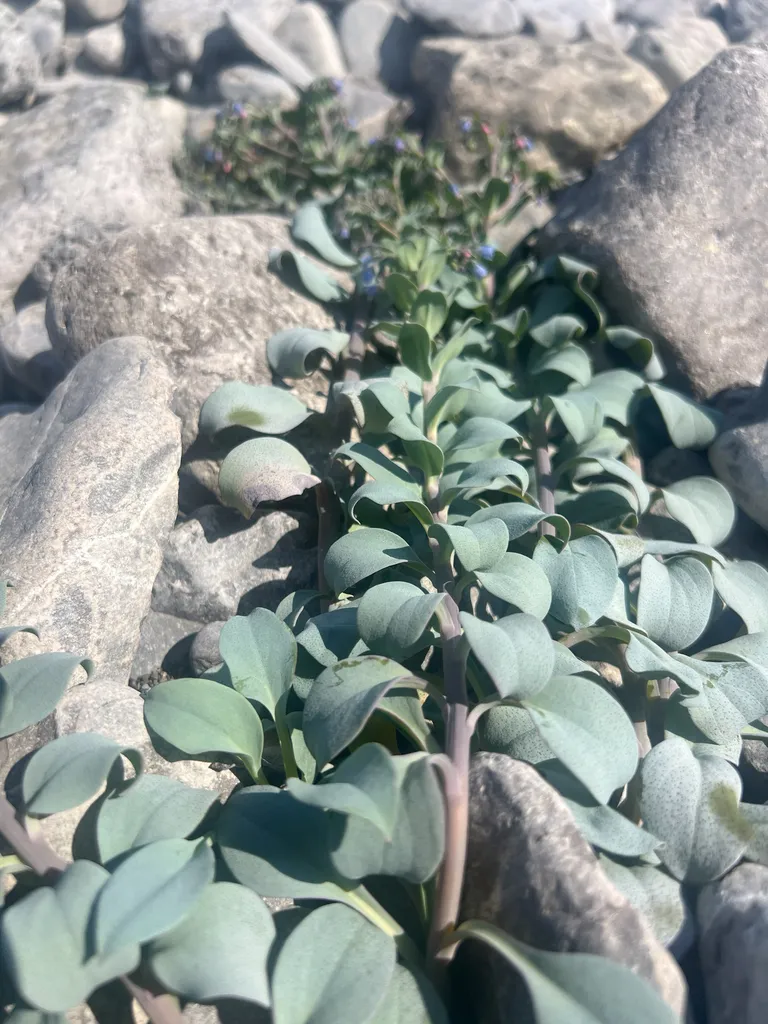
M. maritima is a spreading, prostrate perennial with fleshy, blue-grey-green leaves, up to 10cm long, and branched clusters of bright blue, bell-shaped flowers opening from pink buds in early summer
Scientific classification
- Species
- oysterplant (Mertensia maritima)
- Genus
- Mertensia
- Family
- Boraginaceae
- Information to be completed
- Toxicity
- Herbaceous Perennial
- Plant type
- Up to 10 cm
- Height
- 0.1-0.5 metres
- Spread
- Deciduous
- Foliage
- Trailing
- Habit
- Spring · Summer · Autumn
- Season of interest
- Full sun · Partial shade
- Sunlight
- Information to be completed
- Ideal temperature









oysterplant pictures
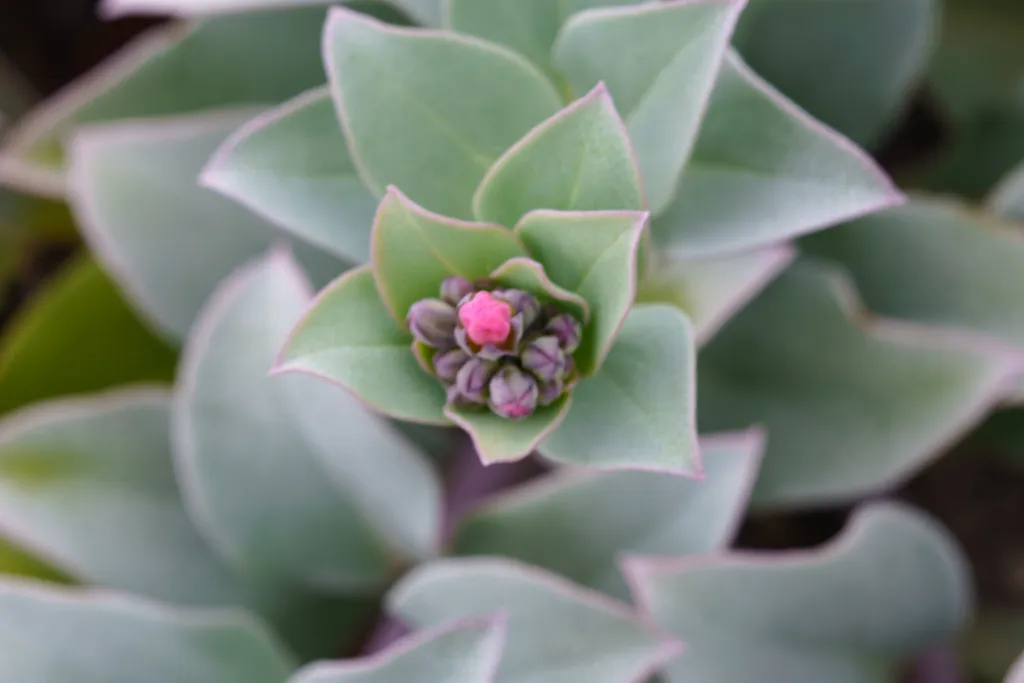
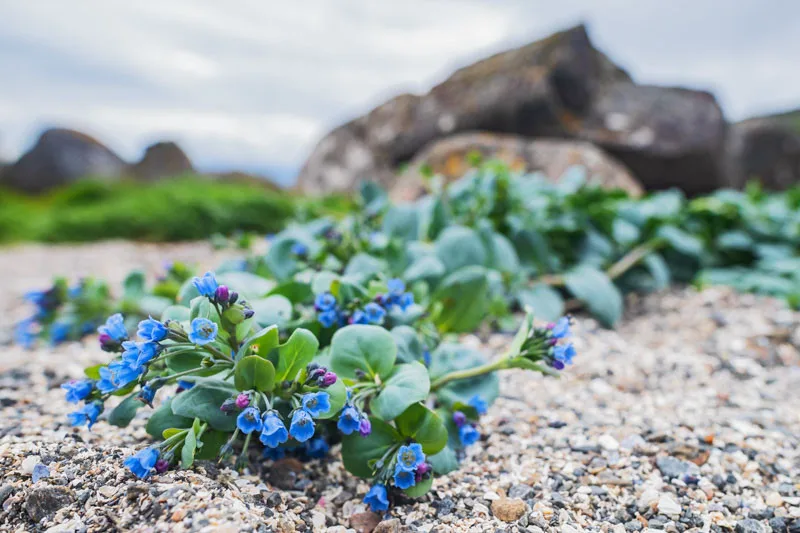
Distribution of oysterplant
Distribution map
- Native
- Introduced
- Cultivated
Source:WCVP v16 · Royal Botanic Gardens, Kew · CC BY 3.0 · Boundaries:WGSRPD / TDWG
Culture
Information to be completed
Toxicity
Information to be completed
Quick identification of oysterplant
Information to be completed
oysterplant care guide
- Moist coastal substrate, water regularly but ensure full drainage flow
- Watering
- Full sun · Partial shade
- Sunlight
- Information to be completed
- Ideal temperature

Watering
Moist coastal substrate, water regularly but ensure full drainage flow
Fertilizing
 Fertilizing
Light balanced liquid feed monthly spring through early summer blooms
Pruning
 Pruning
Cut back after flowering
Propagation
 Propagation
Propagate by seed sown in containers in a cold frame in autumn; keep young plants shaded and do not allow the soil to dry out. Divide plants carefully as new growth begins in spring
Growing
 Growing
Grow in sharply-drained, gritty soil with low fertility in full sun with some midday shade
People also ask
Information to be completed
Common pests and diseases
Diseases
Generally disease free
Pests
May be attacked by slugs and snails
Explore the plant health library →




