
Melianthus villosus
Also known as: Information to be completed
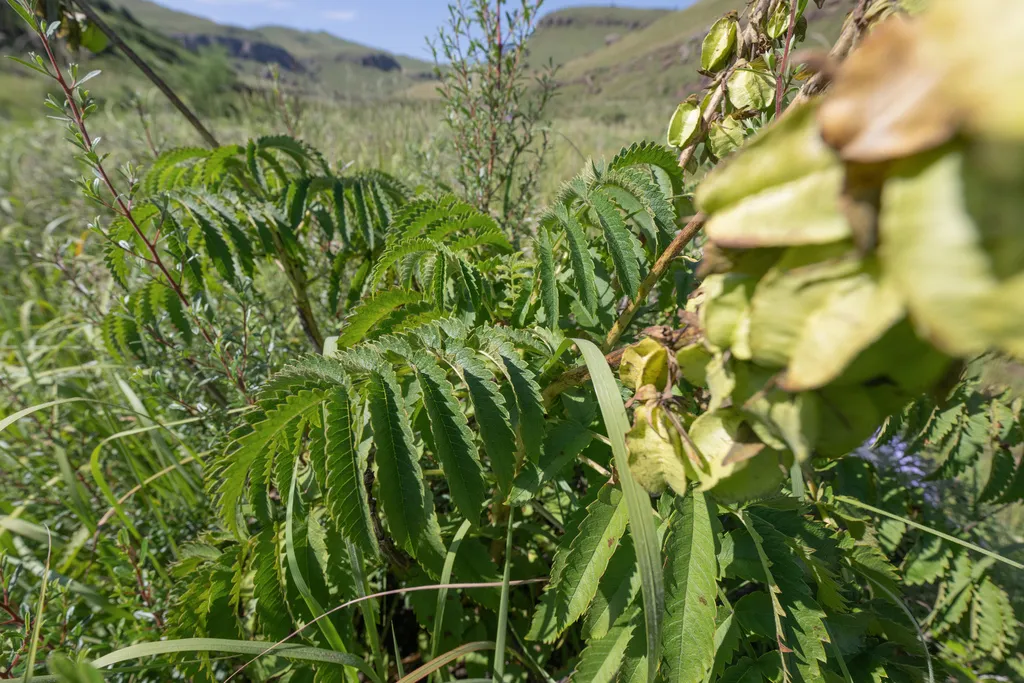
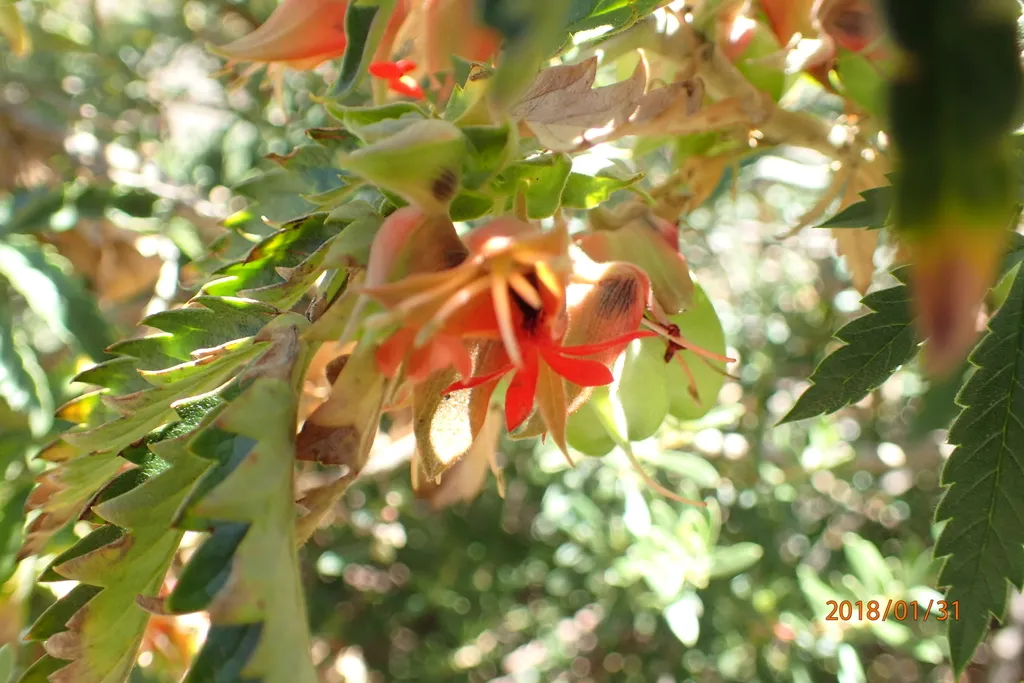
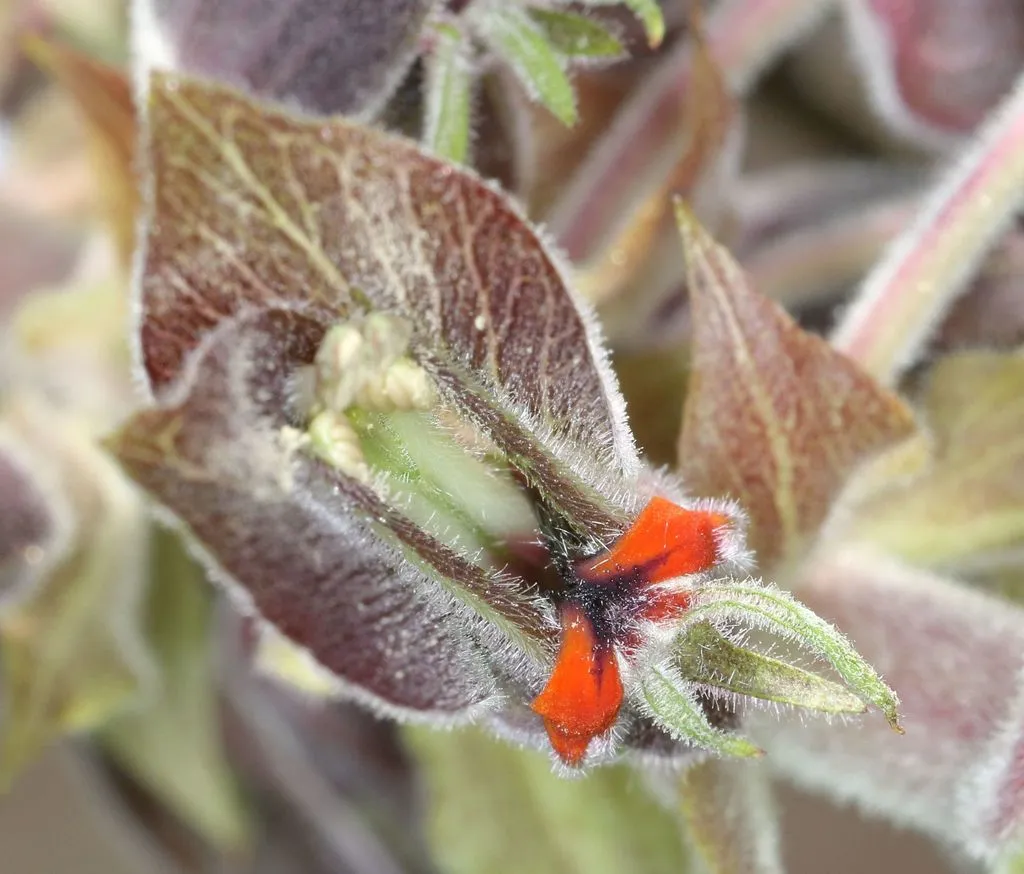
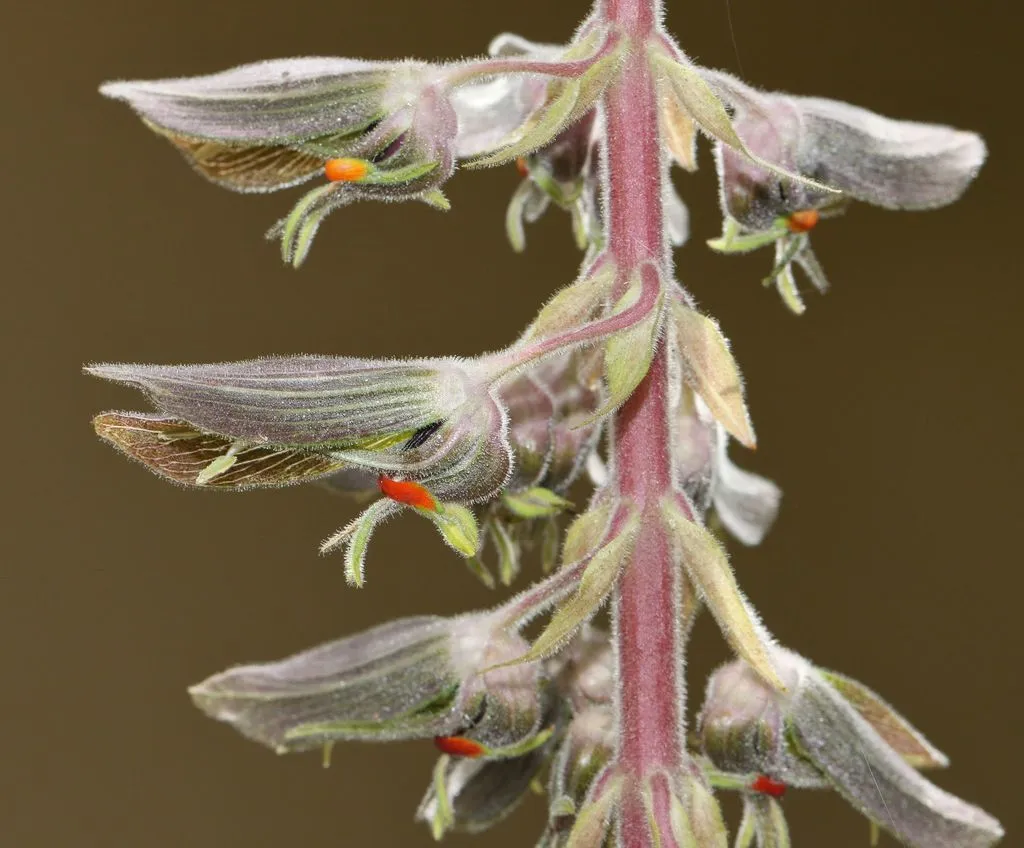
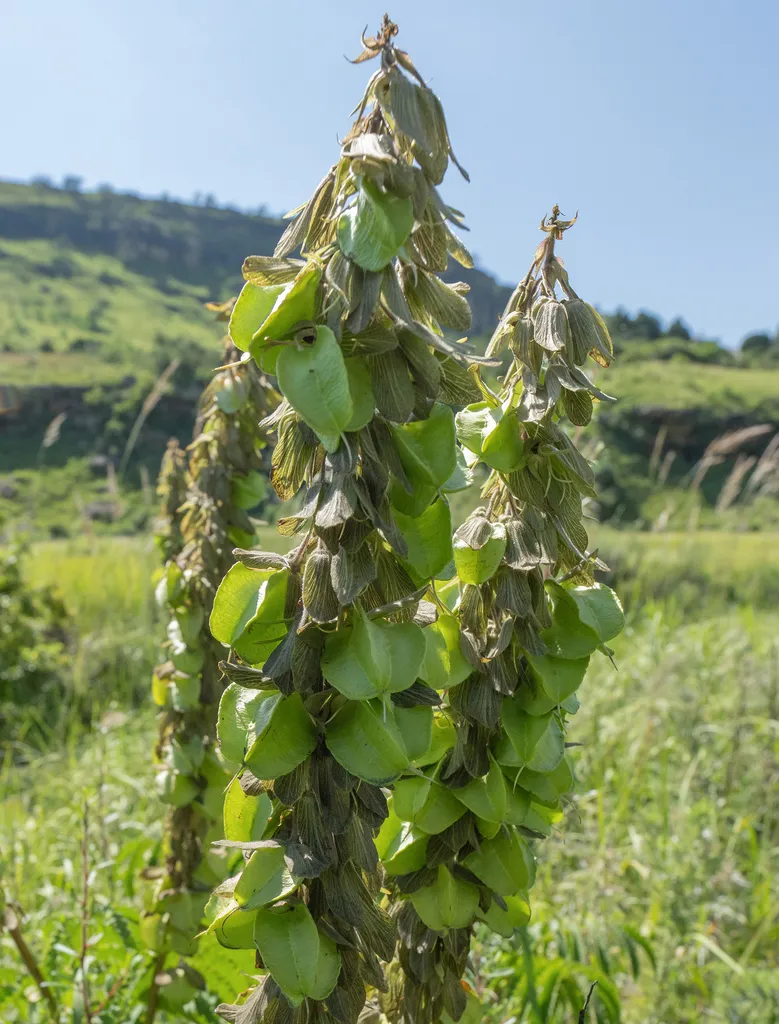
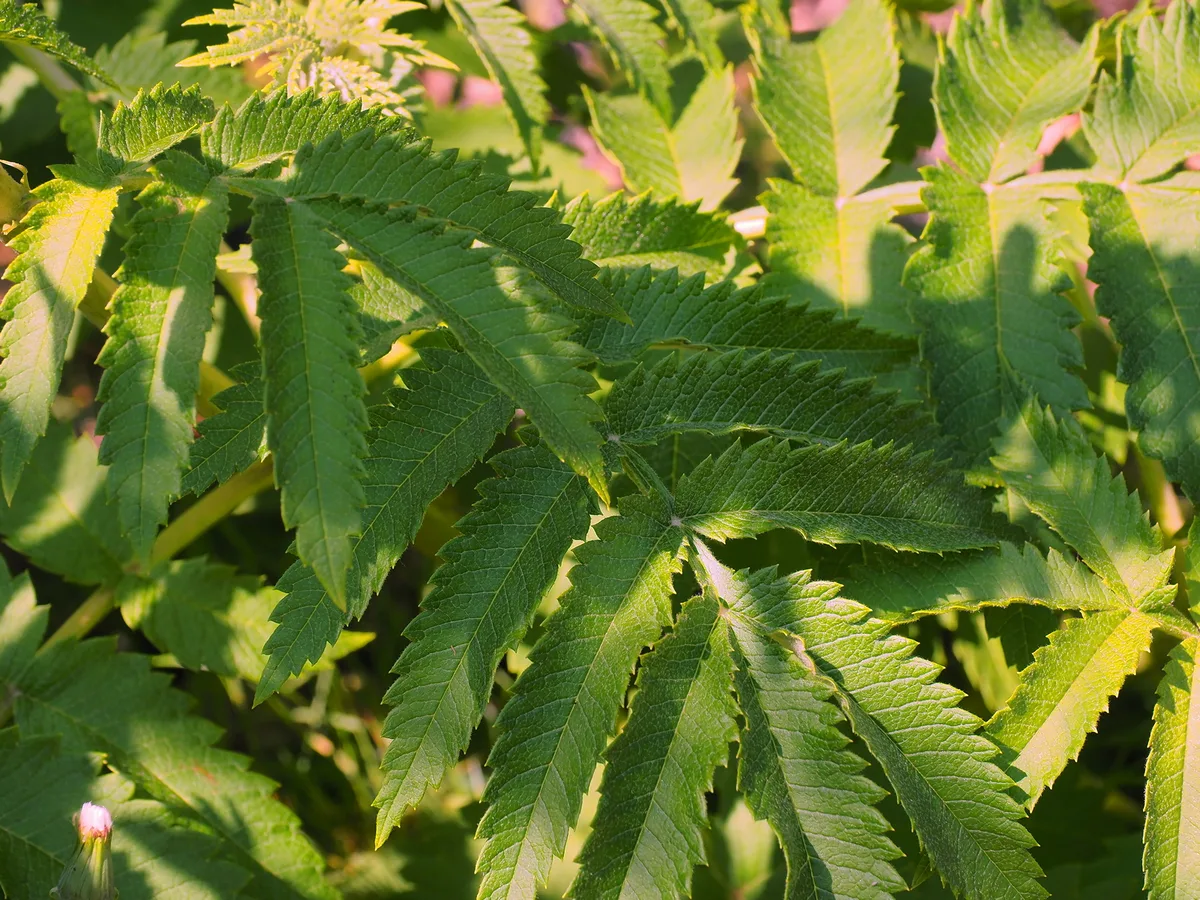
A compact, half-hardy evergreen subshrub, up to 2m high though often smaller in cultivation, with pinnate leaves to 30cm long, divided into coarsely toothed, aromatic green leaflets. Long, ascending flower spikes are produced from late winter to spring, bearing curious flowers held horizontally in clusters of 2-4. Flowers have hairy, brownish outer sepals, longer on top and short underneath, enclosing the narrow, magenta petals, and are followed by large, bright green seed capsules.
Scientific classification
- Species
- Melianthus villosus (Melianthus villosus)
- Genus
- Melianthus
- Family
- Melianthaceae
- Order
- Sapindales
- Class
- Magnoliopsida
- Phylum
- Tracheophyta
- Information to be completed
- Toxicity
- Shrubs
- Plant type
- 1.5-2.5 metres
- Height
- 1-1.5 metres
- Spread
- Evergreen
- Foliage
- Bushy
- Habit
- Spring · Summer · Autumn · Winter
- Season of interest
- Full sun
- Sunlight
- Information to be completed
- Ideal temperature









Melianthus villosus pictures
Distribution of Melianthus villosus
Distribution map
- Native
- Introduced
- Cultivated
Source:WCVP v16 · Royal Botanic Gardens, Kew · CC BY 3.0 · Boundaries:WGSRPD / TDWG
Melianthus villosus care guide
- Moderate regular watering, allowing brief slight drying between soakings
- Watering
- Full sun
- Sunlight

Watering
Moderate regular watering, allowing brief slight drying between soakings
Fertilizing
 Fertilizing
Balanced perennial feed every four weeks from spring through summer
Pruning
 Pruning
For colourful stems or large foliage, prune hard to a low framework. Let young plants establish for one to two years first. Prune in late winter or spring, before or as new growth starts.
Propagation
 Propagation
Propagate by seed, sown at 13-18°C in spring, or by basal softwood cuttings in late spring or early summer
Growing
 Growing
In milder areas, may be grown outdoors in moderately fertile, moist but well-drained soil in full sun. Shelter from cold, drying winds and provide a dry mulch in winter to protect from excessive winter wet. In areas prone to frosts, grow in a cold greenhouse or in containers that can be moved indoors over winter. May be herbaceous in colder areas
Common pests and diseases
Diseases
May be susceptible to honey fungus (rarely)
Pests
May be susceptible to red spider mite and glasshouse whitefly when grown under glass
Explore the plant health library →




