
Himalayan fairy grass
Also known as: Nepal silver grass
M. nepalensis is a deciduous ornamental grass to 1m in height with arching, linear green leaves from spring to autumn, often turning bronze in winter. It bears terminal panicles of pale yellow spikelets in summer, forming into yellow seed-heads in autumn, finally turning brown-yellow in winter
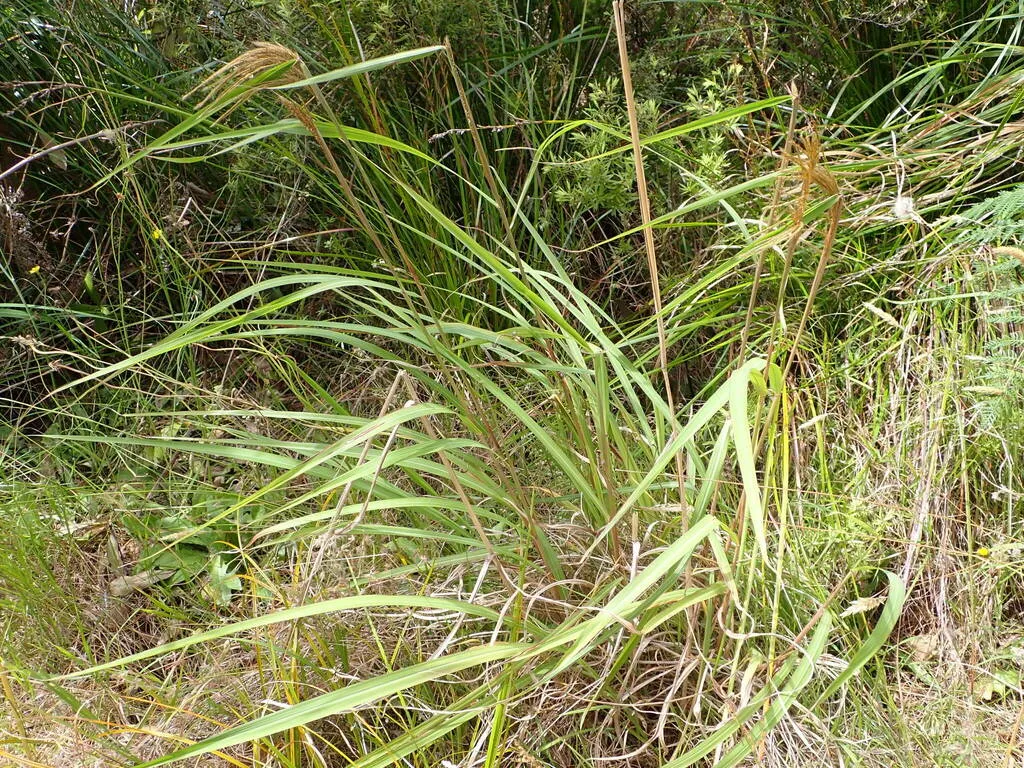
Scientific classification
- Species
- Himalayan fairy grass (Miscanthus nepalensis)
- Genus
- Miscanthus
- Family
- Poaceae
- Information to be completed
- Toxicity
- Grass Like
- Plant type
- 0.5-1 metres
- Height
- 0.5-1 metres
- Spread
- Deciduous
- Foliage
- Bushy
- Habit
- Spring · Summer · Autumn · Winter
- Season of interest
- Full sun
- Sunlight
- Information to be completed
- Ideal temperature









Himalayan fairy grass pictures
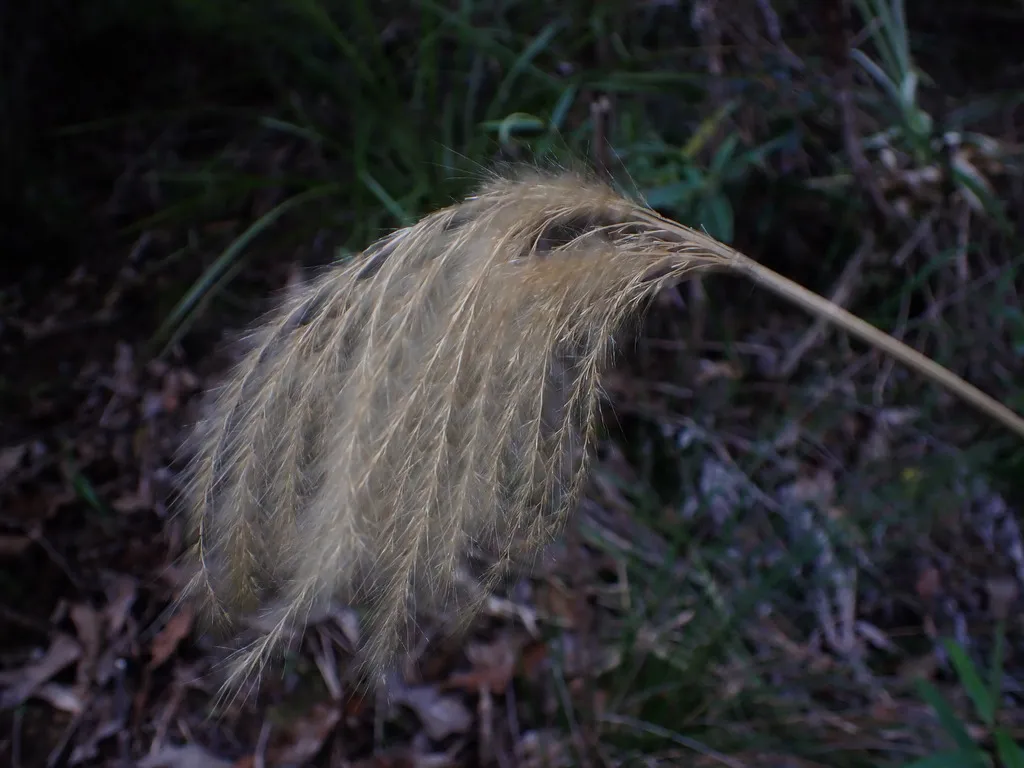
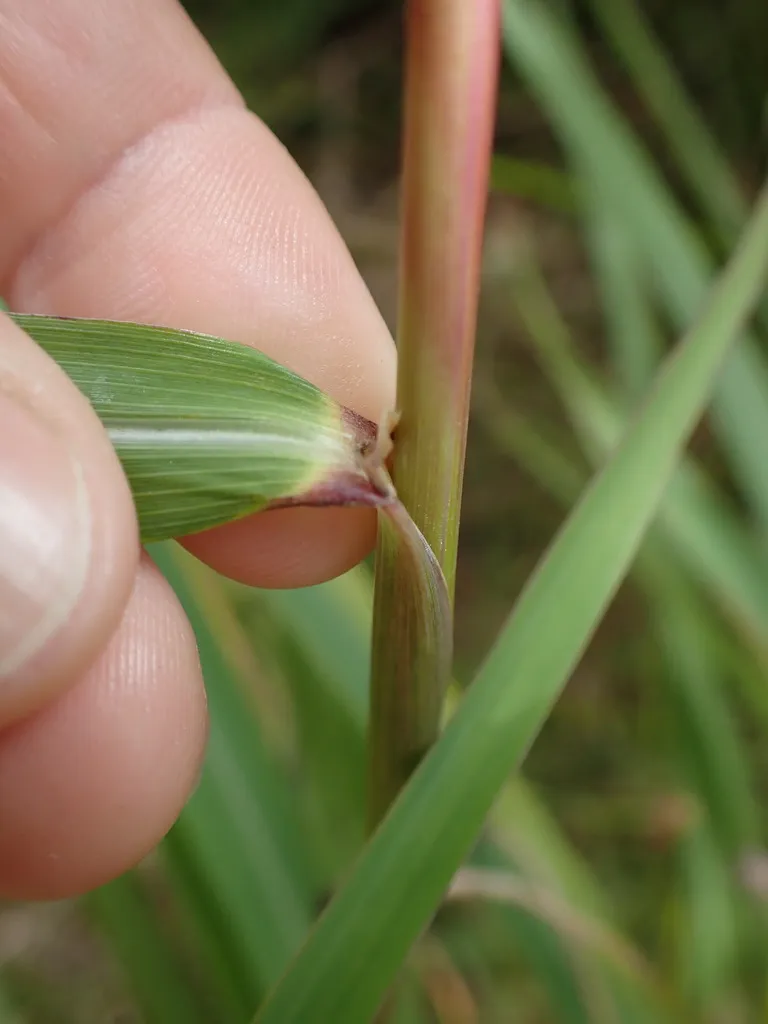
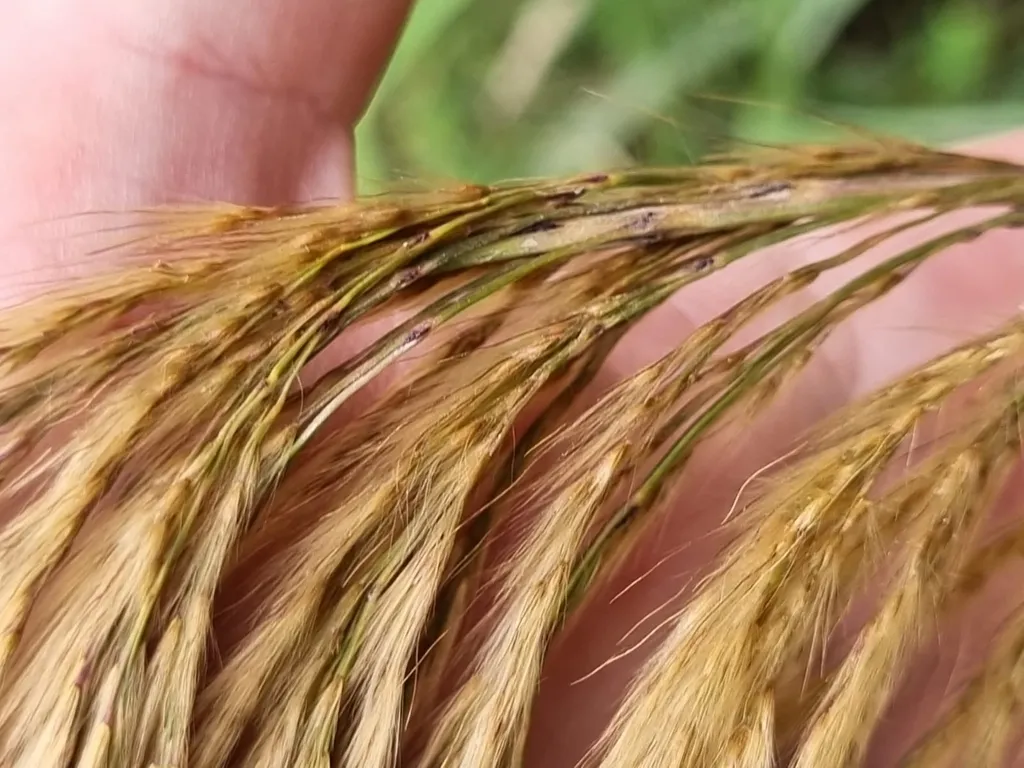
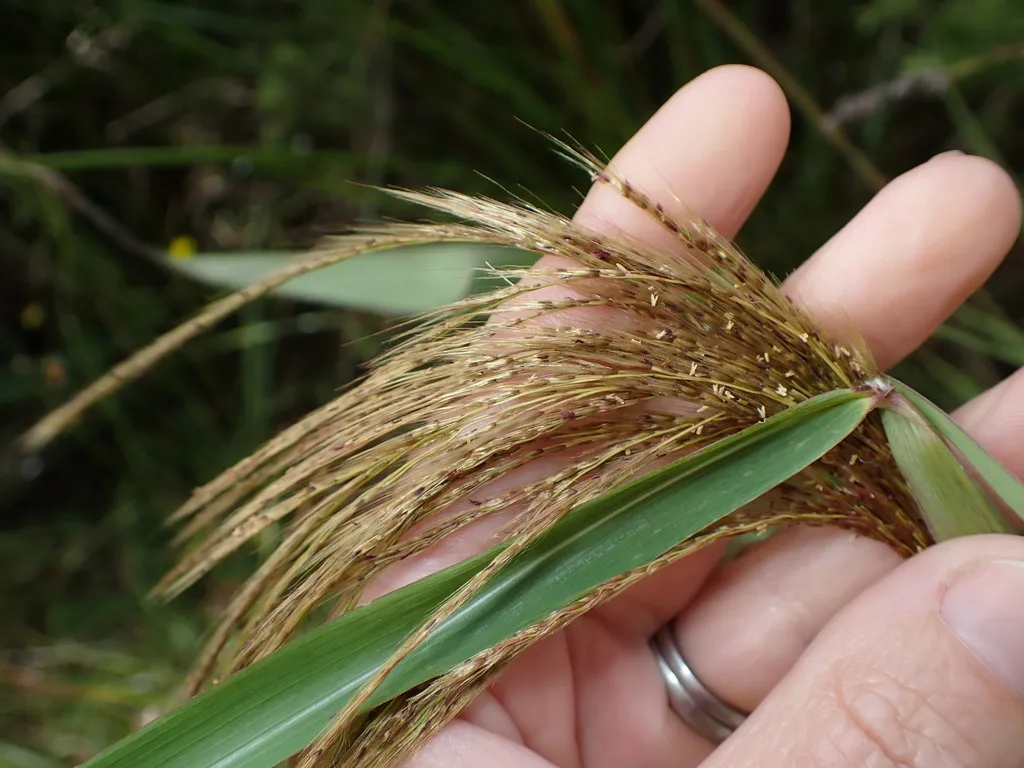
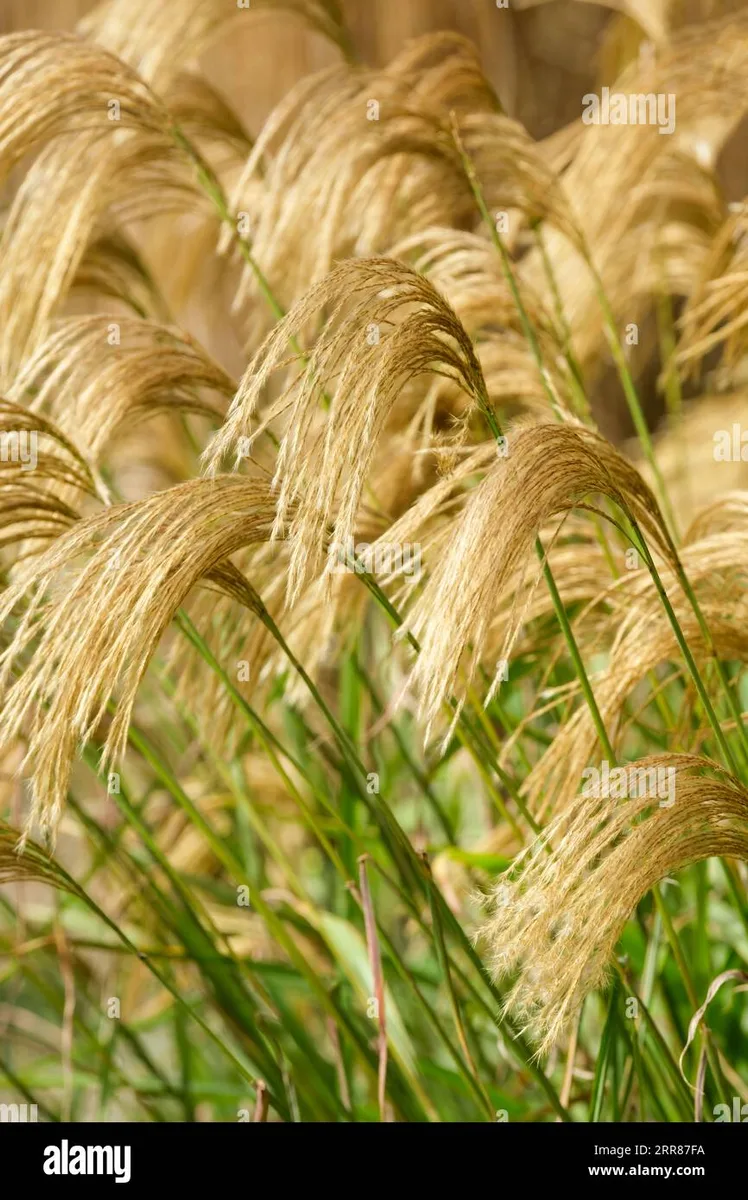
Distribution of Himalayan fairy grass
Distribution map
S and Southeastern Asia
Information to be completed
Culture
Information to be completed
Toxicity
Information to be completed
Quick identification of Himalayan fairy grass
Information to be completed
Himalayan fairy grass care guide
- Water regularly while establishing, drought tolerant when mature
- Watering
- Full sun
- Sunlight
- Information to be completed
- Ideal temperature

Watering
Water regularly while establishing, drought tolerant when mature
Fertilizing
 Fertilizing
Light balanced feed in spring
Pruning
 Pruning
Remove dead foliage and old flowered stems in spring taking care not to damage new shoots. Cut stems can be left on the border as a mulch or composted
Propagation
 Propagation
Propagate by seed sown in pots in a cold frame in spring or by division in spring
Growing
 Growing
Grow in any moderately fertile, moist but well-drained soil in full sun. Protect from excessive winter wet
People also ask
Information to be completed
Common pests and diseases
Diseases
Generally disease free
Pests
Generally pest-free
Explore the plant health library →




