
hairy red-hot poker
Also known as: Information to be completed
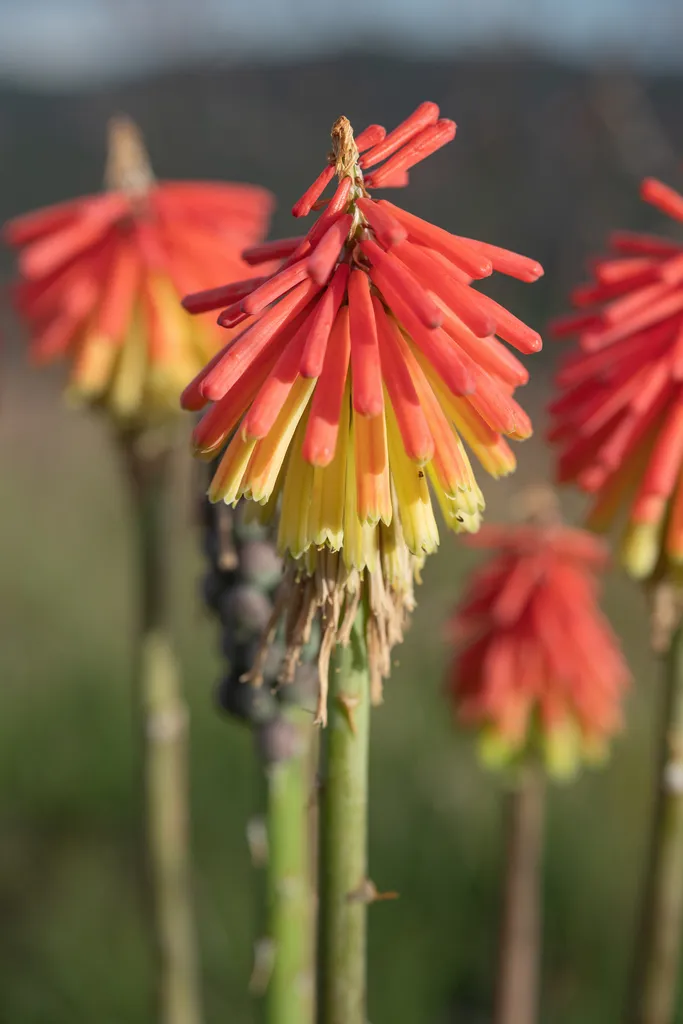
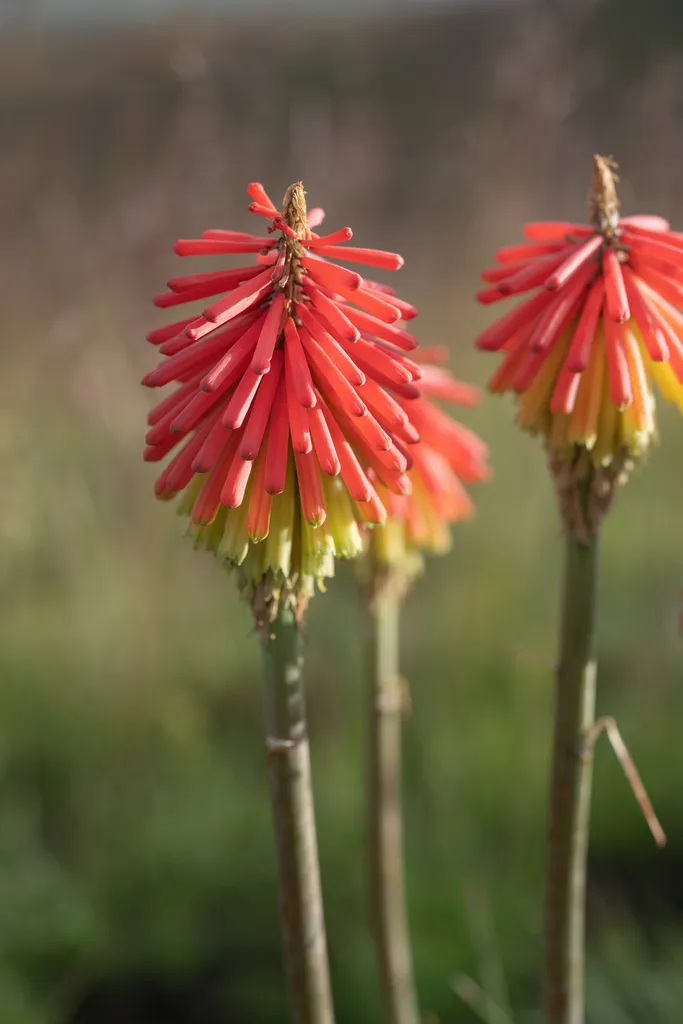
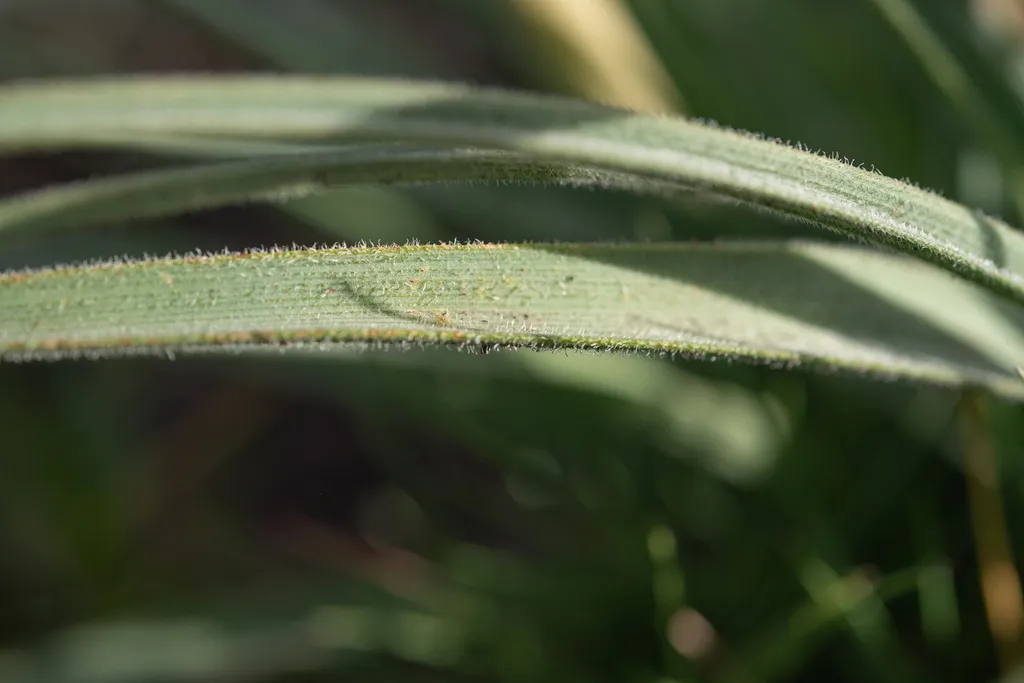
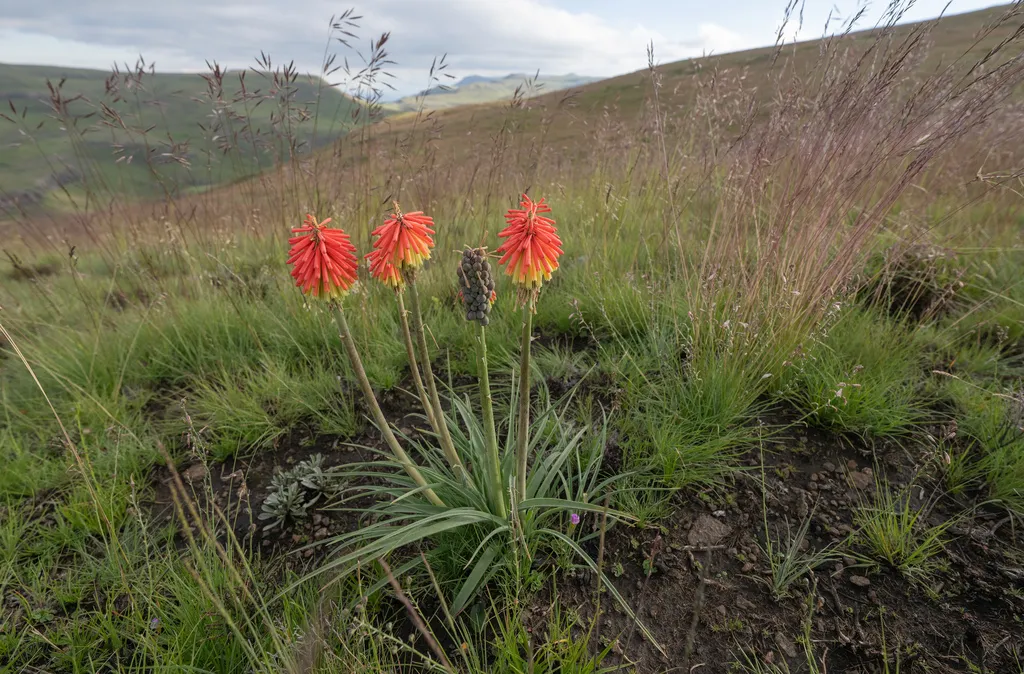
Compact, clump-forming perennial to 60cm tall with basal rosettes of hairy, arching, narrow leaves to 60cm long and 2.5cm wide. Dense conical flower spikes borne on stout stems in summer bear tubular flowers opening orange to salmon-pink and aging to greenish-yellow
Scientific classification
- Species
- hairy red-hot poker (Kniphofia hirsuta)
- Genus
- Kniphofia
- Family
- Asphodelaceae
- Information to be completed
- Toxicity
- Herbaceous Perennial
- Plant type
- 0.5-1 metres
- Height
- 0.1-0.5 metres
- Spread
- Deciduous
- Foliage
- Columnar upright
- Habit
- Spring · Summer · Autumn
- Season of interest
- Full sun · Partial shade
- Sunlight
- Information to be completed
- Ideal temperature









hairy red-hot poker pictures
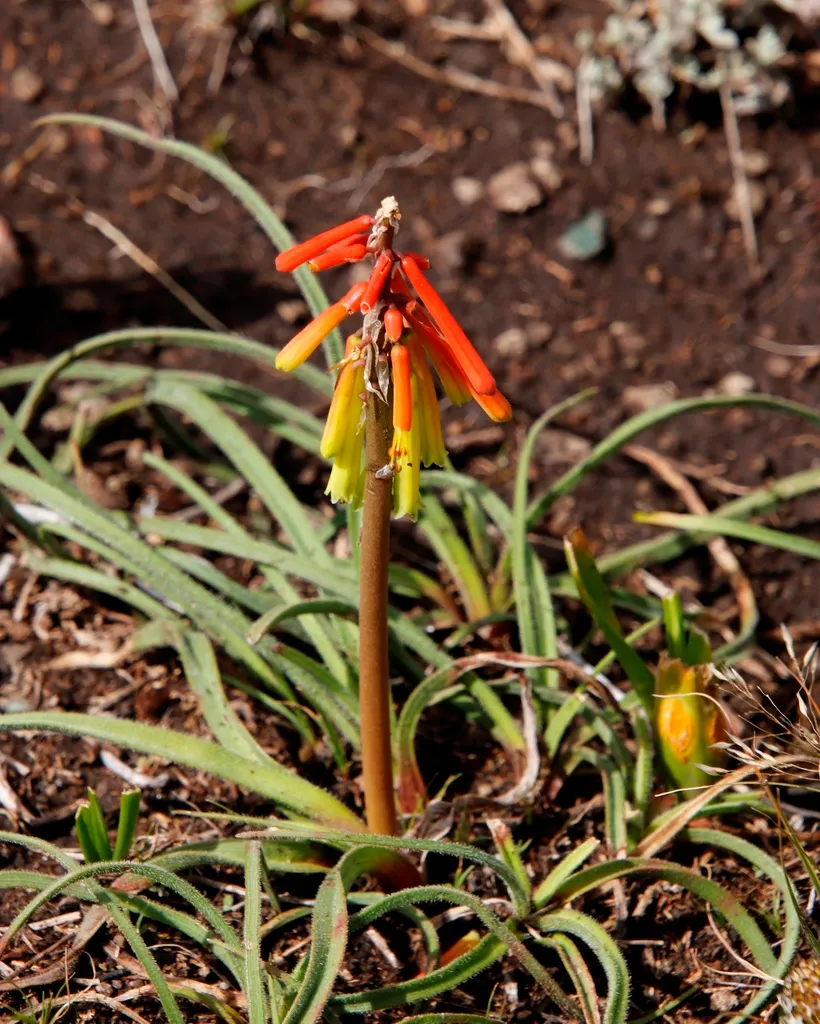
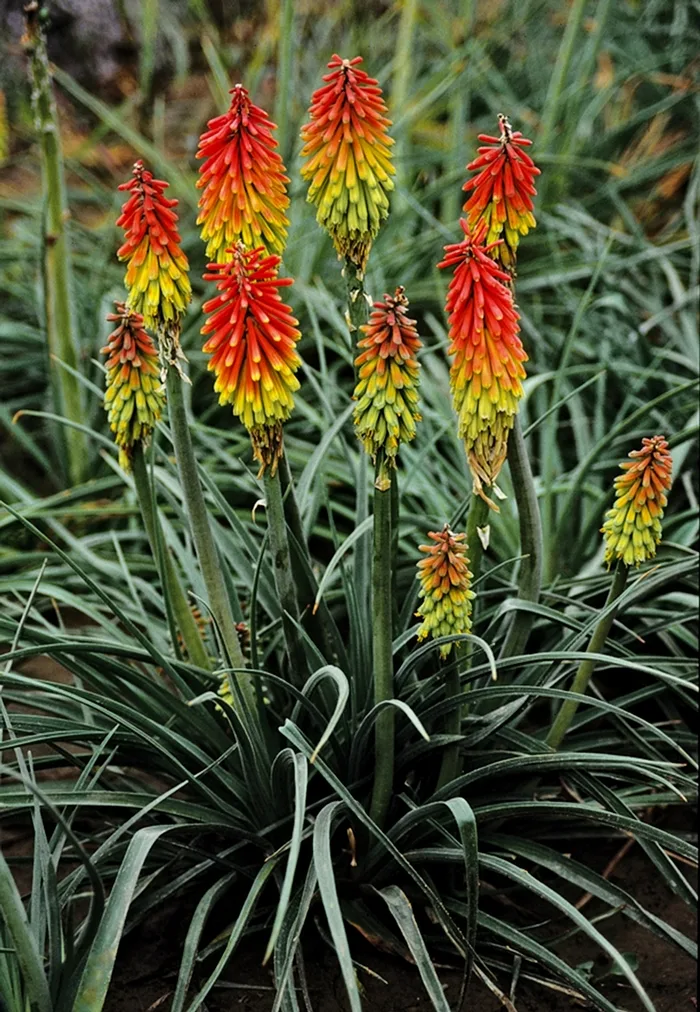
Distribution of hairy red-hot poker
Distribution map
- Native
- Introduced
- Cultivated
Source:WCVP v16 · Royal Botanic Gardens, Kew · CC BY 3.0 · Boundaries:WGSRPD / TDWG
Culture
Information to be completed
Toxicity
Information to be completed
Quick identification of hairy red-hot poker
Information to be completed
hairy red-hot poker care guide
- Moderate regular watering, allowing brief slight drying between soakings
- Watering
- Full sun · Partial shade
- Sunlight
- Information to be completed
- Ideal temperature

Watering
Moderate regular watering, allowing brief slight drying between soakings
Fertilizing
 Fertilizing
Balanced perennial feed every four weeks from spring through summer
Pruning
 Pruning
Cut down old flower stems after flowering; old or dead leaves can be tidied up or removed in mid-spring
Propagation
 Propagation
Propagate by division of established clumps in late spring or by taking offshoots from the crown
Growing
 Growing
Grow in full sun and fertile, moist but well-drained soil that isn’t too wet over winter. See kniphofia cultivation for further advice
People also ask
Information to be completed
Common pests and diseases
Diseases
Generally disease-free
Pests
May be susceptible to aphids, thrips, slugs and snails
Explore the plant health library →




