
long-leaved whorlflower
Also known as: Information to be completed
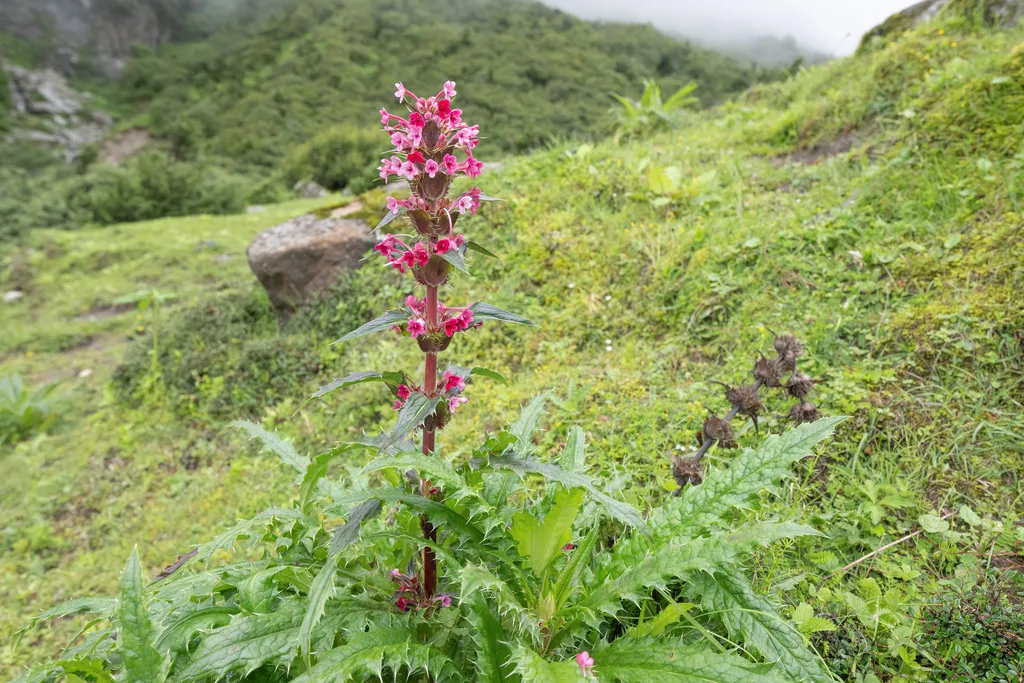
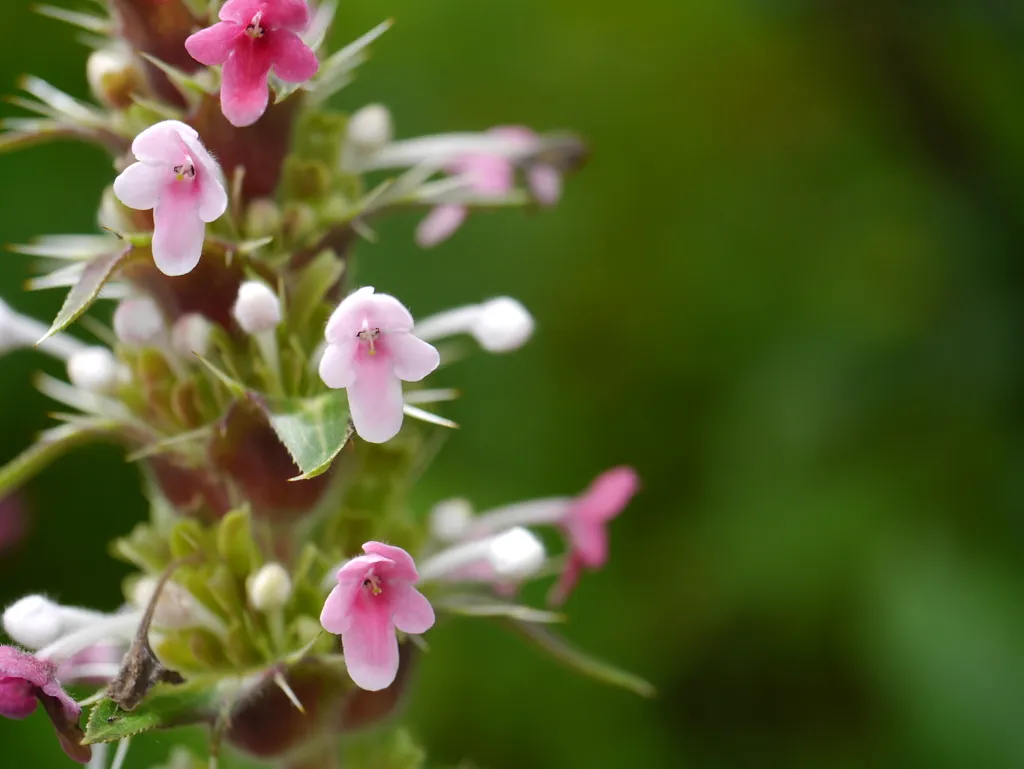
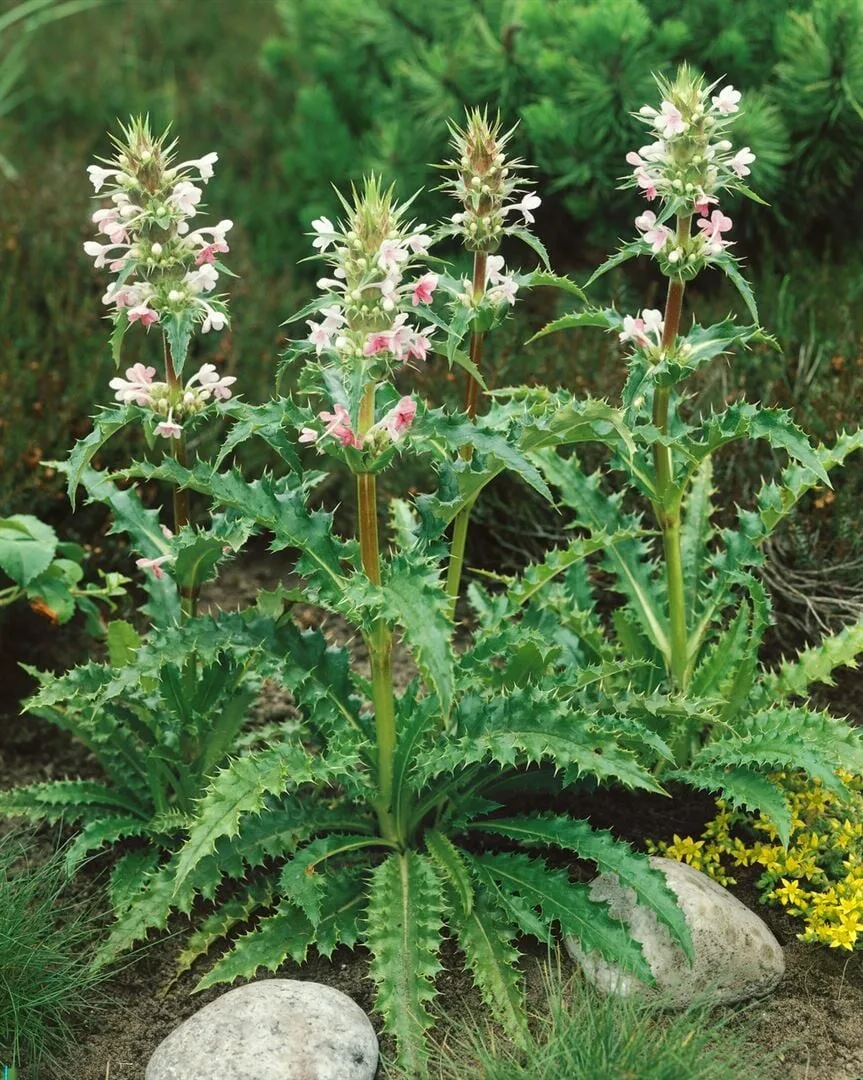
M. longifolia forms a compact rosette of spiny-margined, lance-shaped, glossy leaves to 30cm long, with white flowers 3cm long opening in mid summer, soon ageing to pink, then crimson
Scientific classification
- Species
- long-leaved whorlflower (Morina longifolia)
- Genus
- Morina
- Family
- Caprifoliaceae
- Order
- Dipsacales
- Class
- Magnoliopsida
- Phylum
- Magnoliophyta
- Information to be completed
- Toxicity
- Herbaceous Perennial
- Plant type
- 0.5-1 metres
- Height
- 0.1-0.5 metres
- Spread
- Evergreen
- Foliage
- Bushy
- Habit
- Spring · Summer · Autumn · Winter
- Season of interest
- Full sun
- Sunlight
- Information to be completed
- Ideal temperature









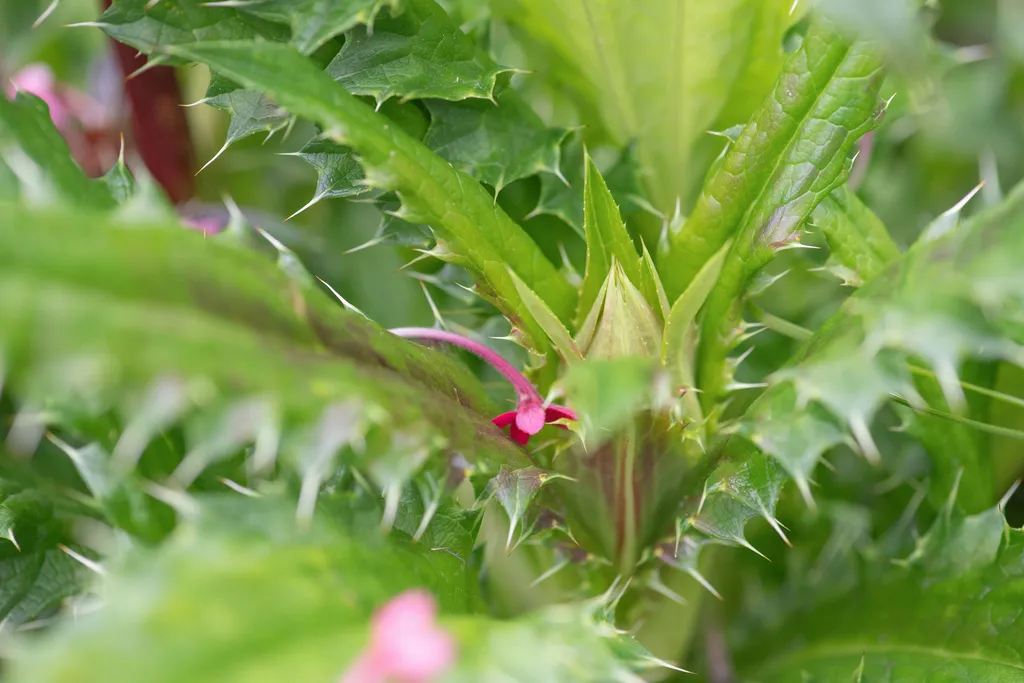
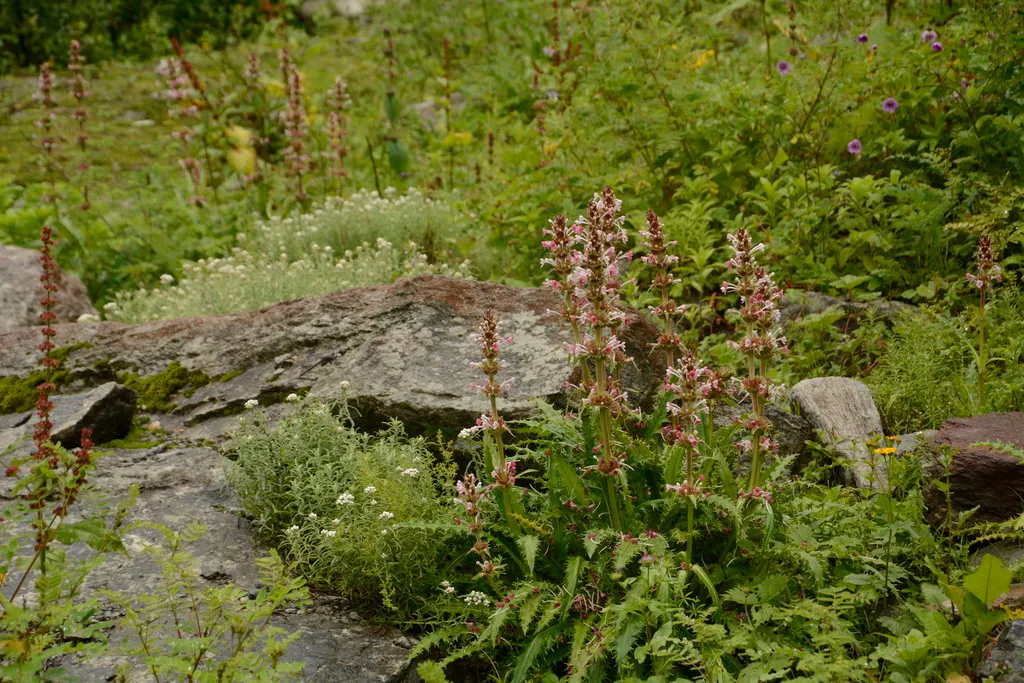
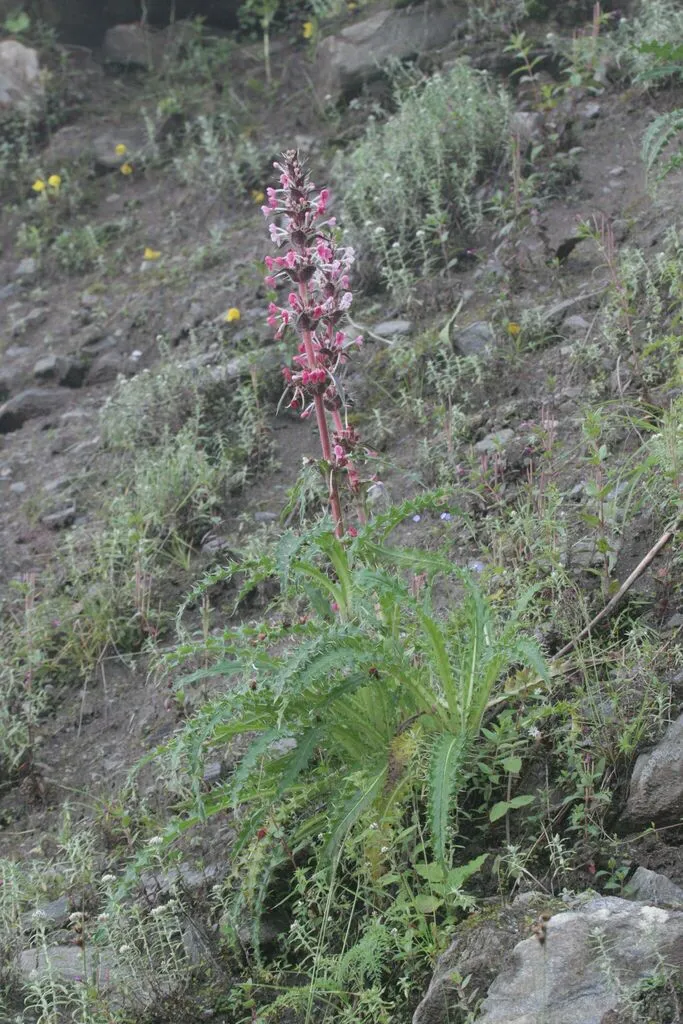
long-leaved whorlflower pictures
Distribution of long-leaved whorlflower
Distribution map
- Native
- Introduced
- Cultivated
Source:WCVP v16 · Royal Botanic Gardens, Kew · CC BY 3.0 · Boundaries:WGSRPD / TDWG
long-leaved whorlflower care guide
- Moderate regular watering, allowing brief slight drying between soakings
- Watering
- Full sun
- Sunlight

Watering
Moderate regular watering, allowing brief slight drying between soakings
Fertilizing
 Fertilizing
Balanced perennial feed every four weeks from spring through summer
Pruning
 Pruning
Seedheads are useful for dried flower arrangements
Propagation
 Propagation
Propagate by seed in a coldframe as soon as ripe with one seed per container of gritty seed compost. Can be propagated by winter root cuttings but plants do not like root disturbance
Growing
 Growing
Grow in sharply-drained poor soil with full sun and protect from winter wet. Plants dislike disturbance
Common pests and diseases
Diseases
Subject to rot, especially in shade
Pests
Susceptible to slugs and snails
Explore the plant health library →




