
white mulberry
Also known as: Russian mulberry; sycamine tree; white-fruited mulberry
A small to mid-sized deciduous tree, with a spreading habit and ovate to heart-shaped, glossy, toothed green leaves, turning pale yellow in autumn. Pale green catkins are produced in late spring and early summer, followed by edible, raspberry-like fruits that begin white and develop to reddish-pink or near-black. Silkworms are traditionally fed on the leaves of this tree
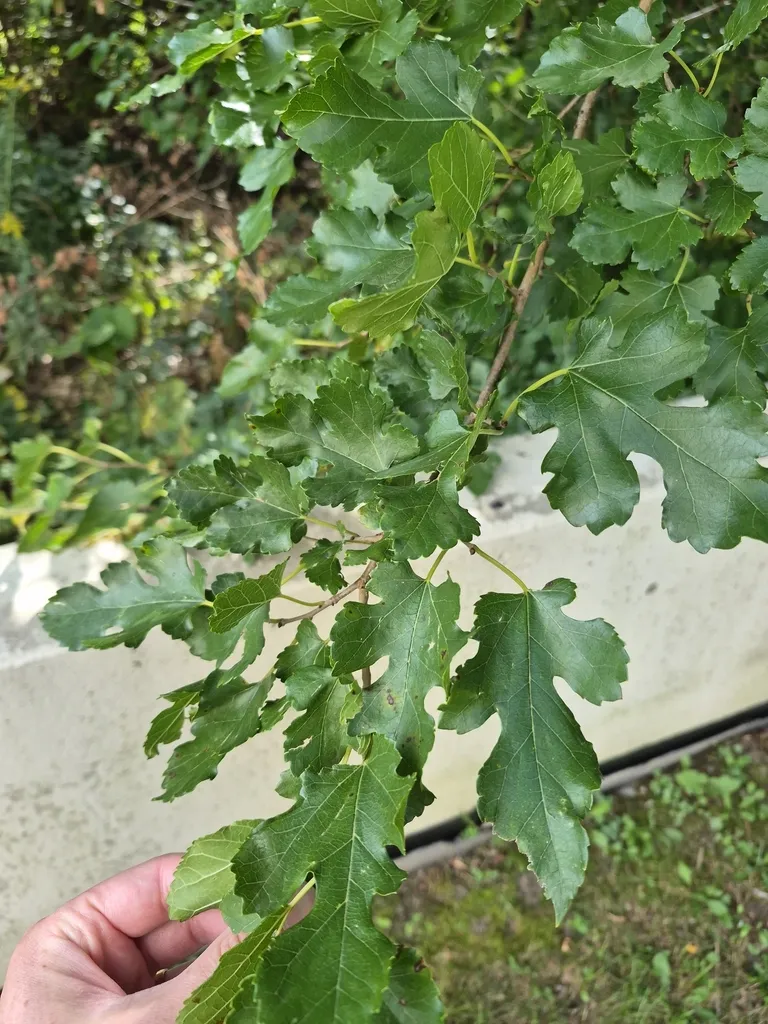
Scientific classification
- Species
- white mulberry (Morus alba)
- Genus
- Morus
- Family
- Moraceae
- Information to be completed
- Toxicity
- Trees · Fruit Edible
- Plant type
- 8-12 metres
- Height
- wider than 8 metres
- Spread
- Deciduous
- Foliage
- Information to be completed
- Habit
- Autumn · Spring · Summer
- Season of interest
- Full sun
- Sunlight
- Information to be completed
- Ideal temperature









white mulberry pictures
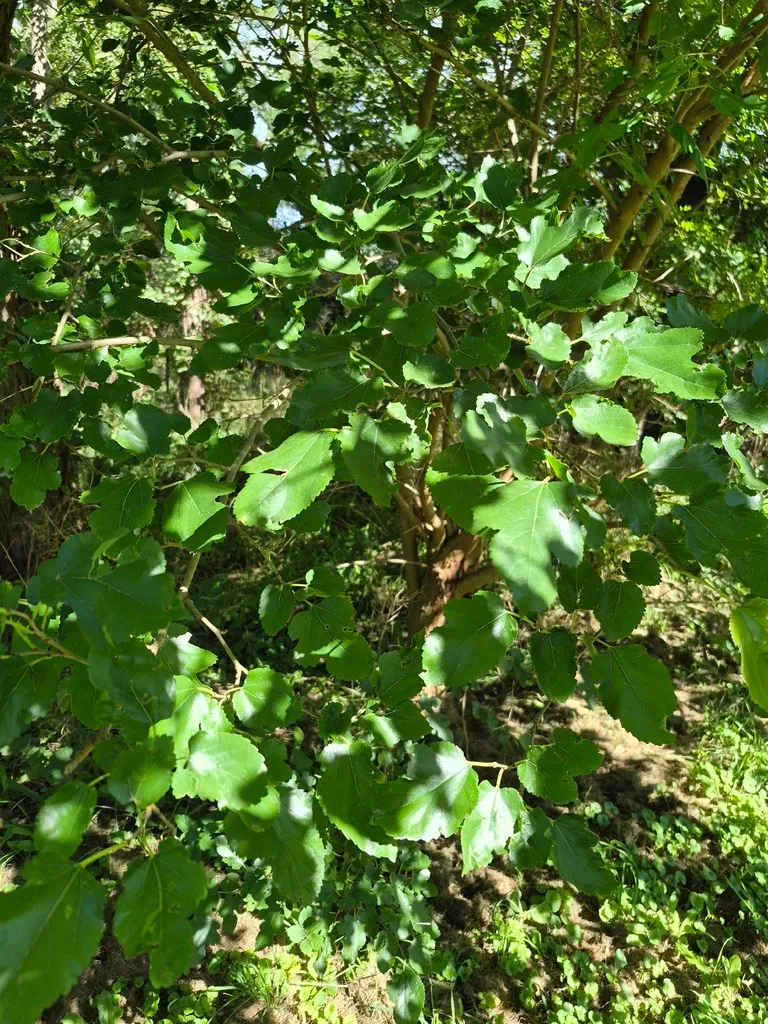
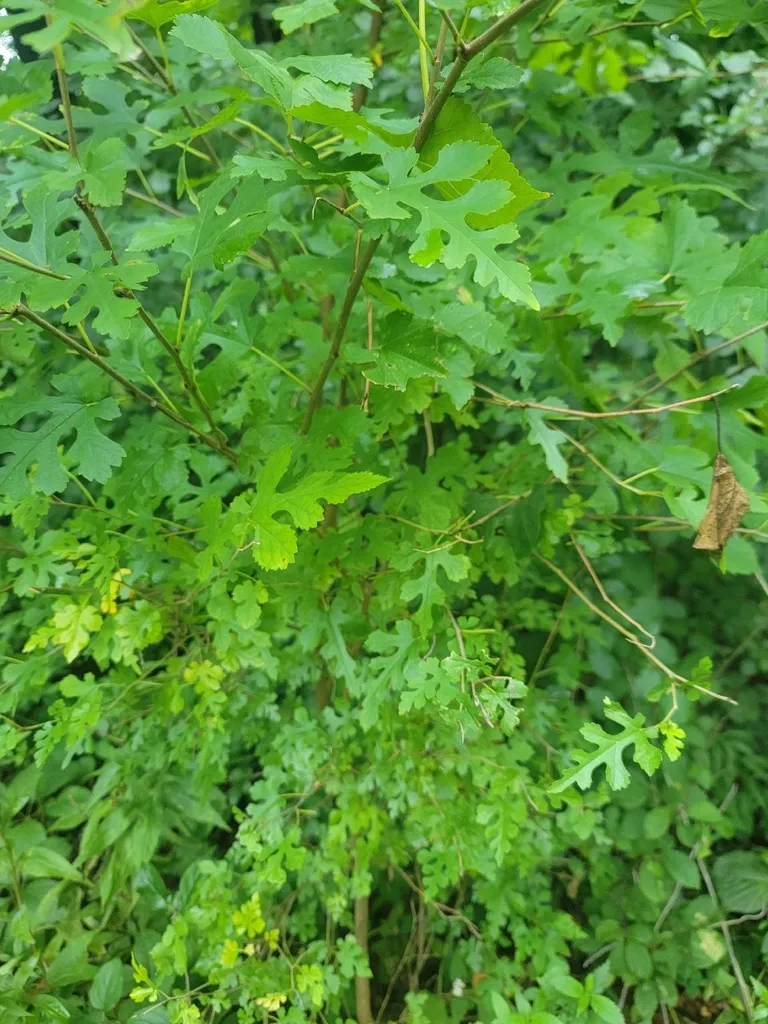
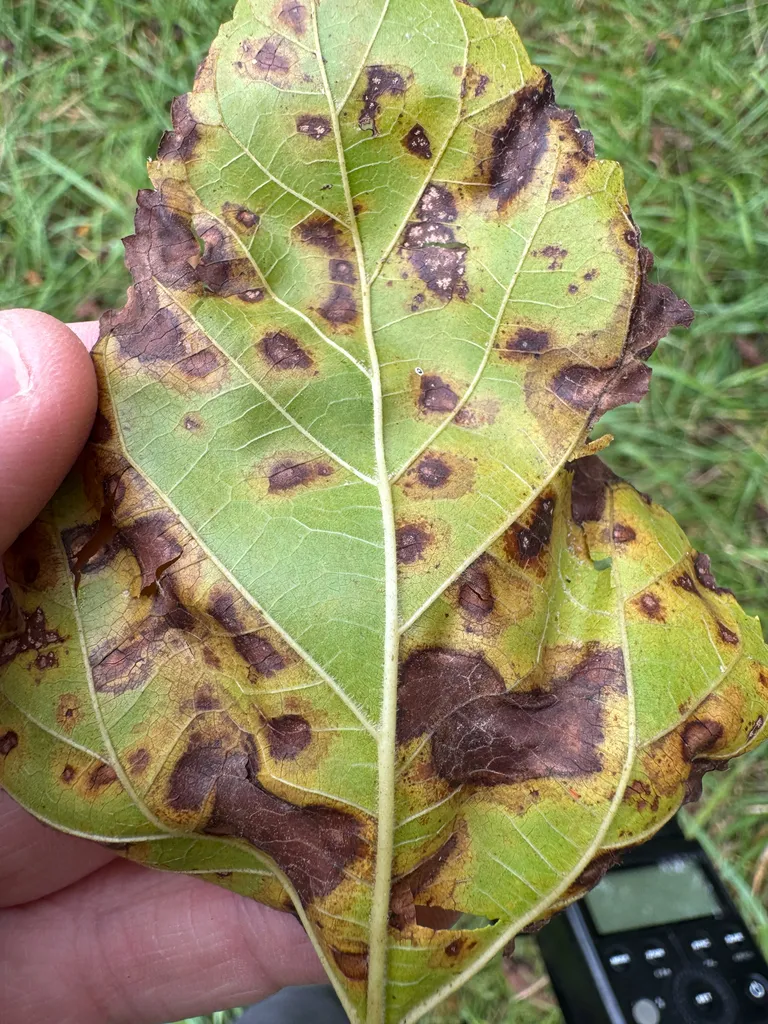
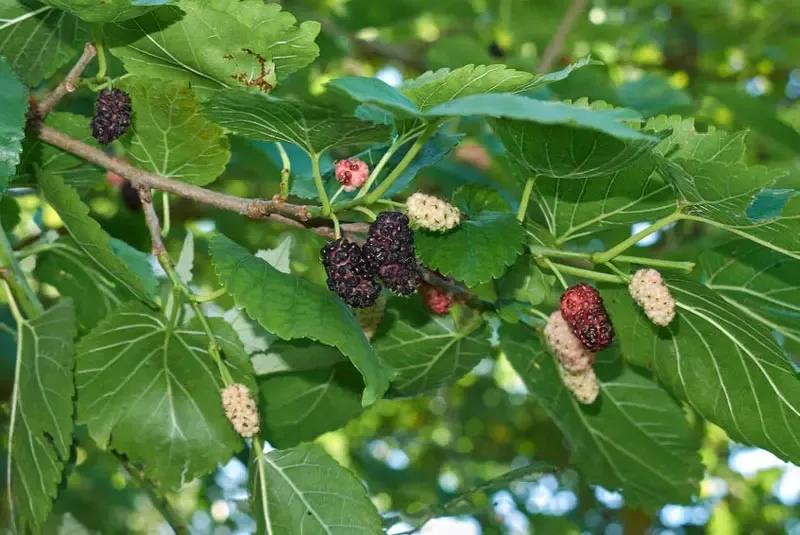
Distribution of white mulberry
Distribution map
China
Information to be completed
Culture
Information to be completed
Toxicity
Information to be completed
Quick identification of white mulberry
Information to be completed
white mulberry care guide
- Moderate regular watering, allowing brief slight drying between soakings
- Watering
- Full sun
- Sunlight
- Information to be completed
- Ideal temperature

Watering
Moderate regular watering, allowing brief slight drying between soakings
Fertilizing
 Fertilizing
Balanced perennial feed every four weeks from spring through summer
Pruning
 Pruning
Little pruning is needed. Remove diseased, damaged, crowded or crossing shoots and unwanted growth. Timing depends on the plant: generally late winter or early spring; plants prone to bleeding and deciduous magnolias need different timing, and deciduous azaleas and lilacs are pruned after flowering.
Propagation
 Propagation
Propagate by seed, by semi-ripe cuttings in summer, or by hardwood cuttings in autumn
Growing
 Growing
Grow in moist but well-drained, humus-rich, fertile soil in full sun, with shelter from cold, dry winds. See mulberry cultivation for further advice
People also ask
Information to be completed
Common pests and diseases
Diseases
May be susceptible to mulberry leaf spot, mulberry canker, coral spot, powdery mildews and honey fungus (rarely)
Pests
Generally pest-free
Explore the plant health library →




