
yellow lady's slipper orchid
Also known as: Information to be completed
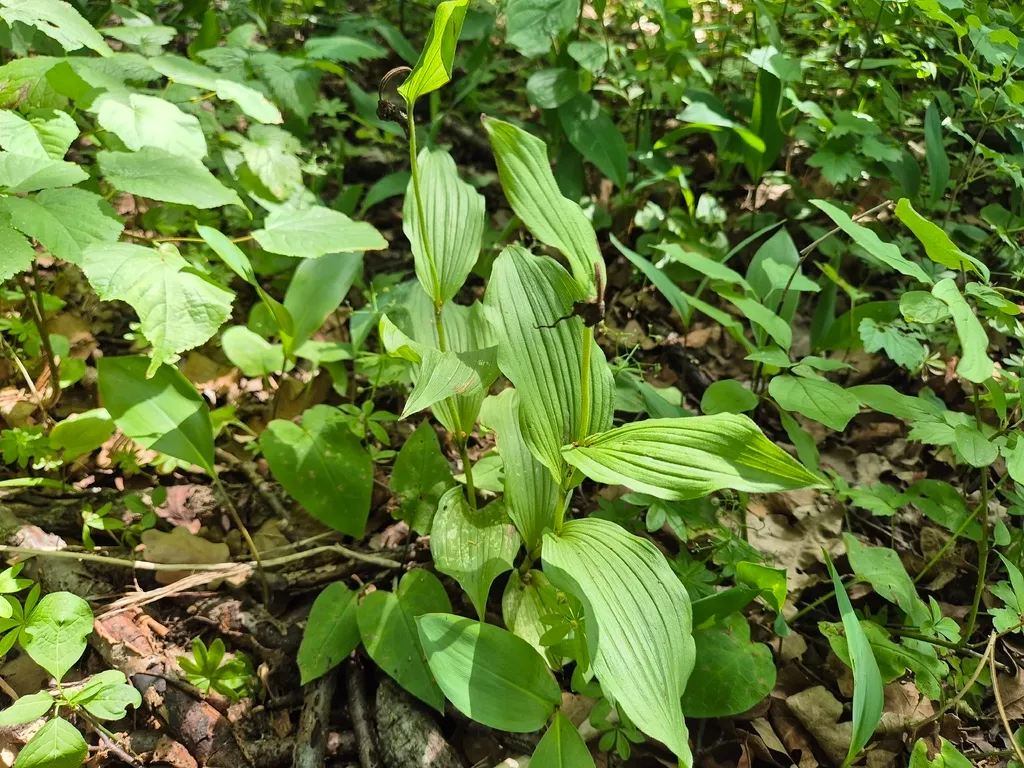
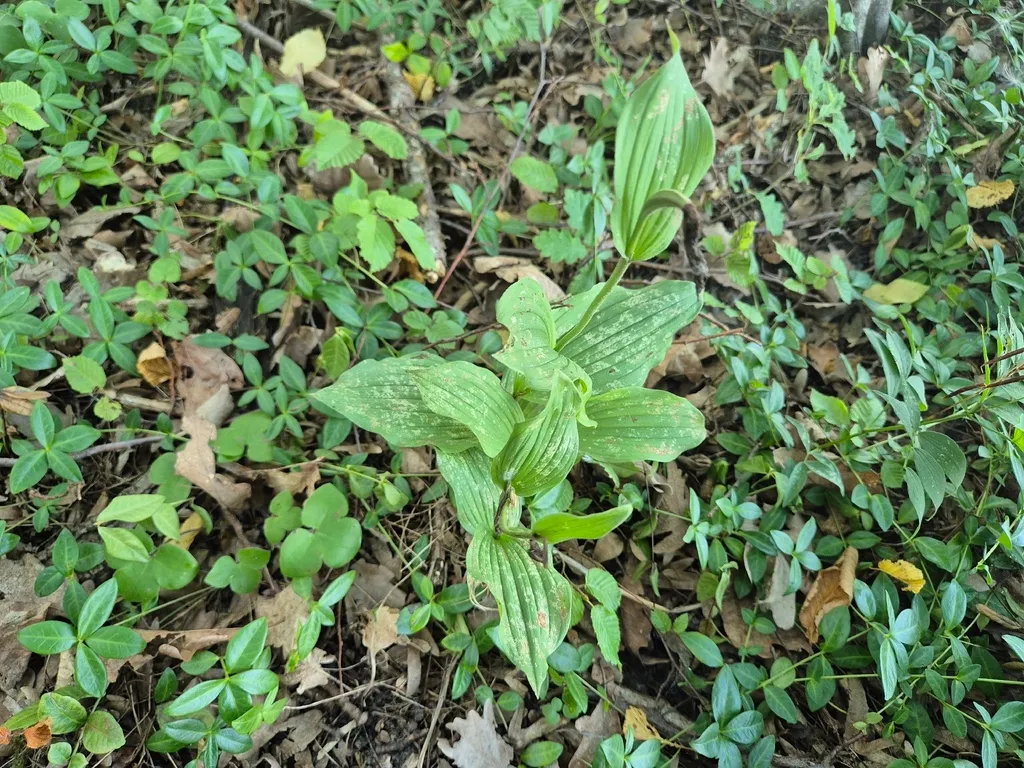
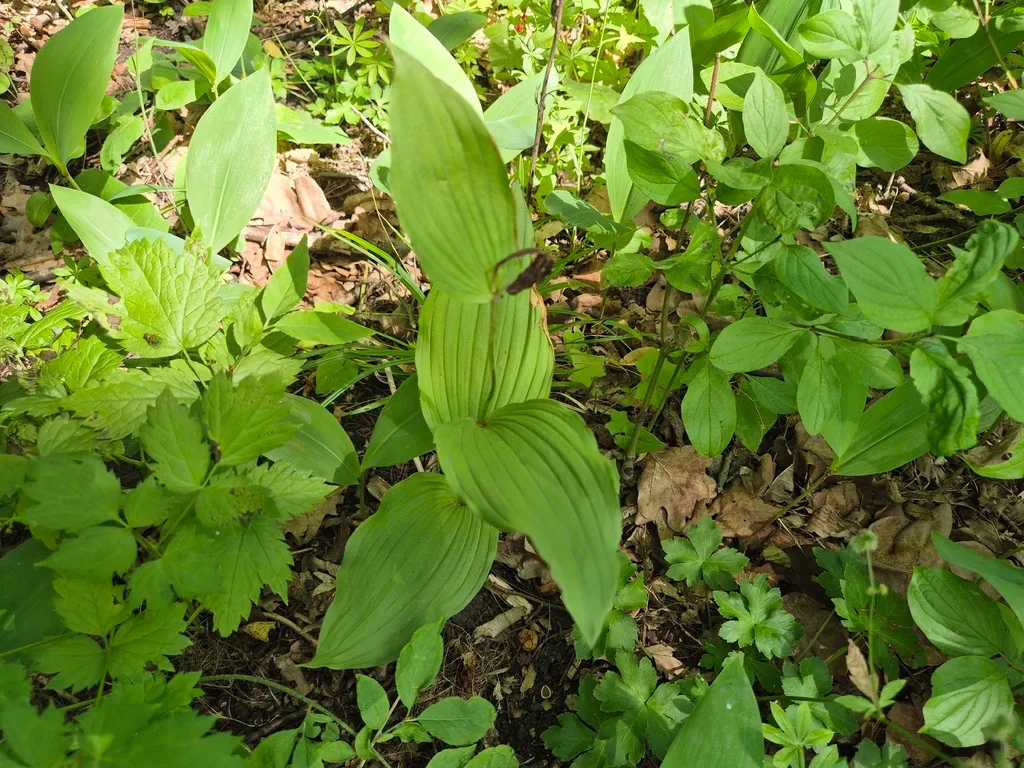
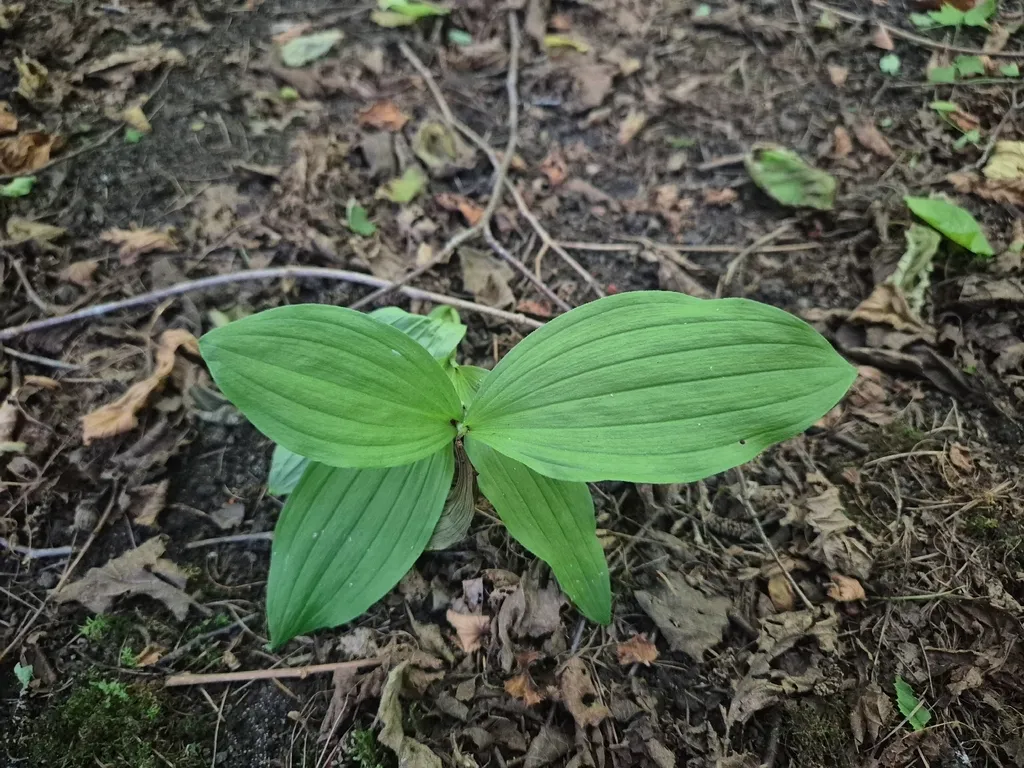
A terrestrial orchid with soft, folded bright green leaves 5-20cm long. In summer bears purple-brown flowers 9cm long with twisted petals and large, deep yellow lips, singly or in pairs on upright stems to 40cm high
Scientific classification
- Species
- yellow lady's slipper orchid (Cypripedium calceolus)
- Genus
- Cypripedium
- Family
- Orchidaceae
- Order
- Asparagales
- Class
- Liliopsida
- Phylum
- Magnoliophyta
- Skin allergen. Wear gloves and other protective equipment when handling
- Toxicity
- Alpine Rockery · Herbaceous Perennial
- Plant type
- 0.1-0.5 metres
- Height
- 0-0.1 metre
- Spread
- Deciduous
- Foliage
- Columnar upright
- Habit
- Spring · Summer · Autumn
- Season of interest
- Partial shade
- Sunlight
- Information to be completed
- Ideal temperature









yellow lady's slipper orchid pictures
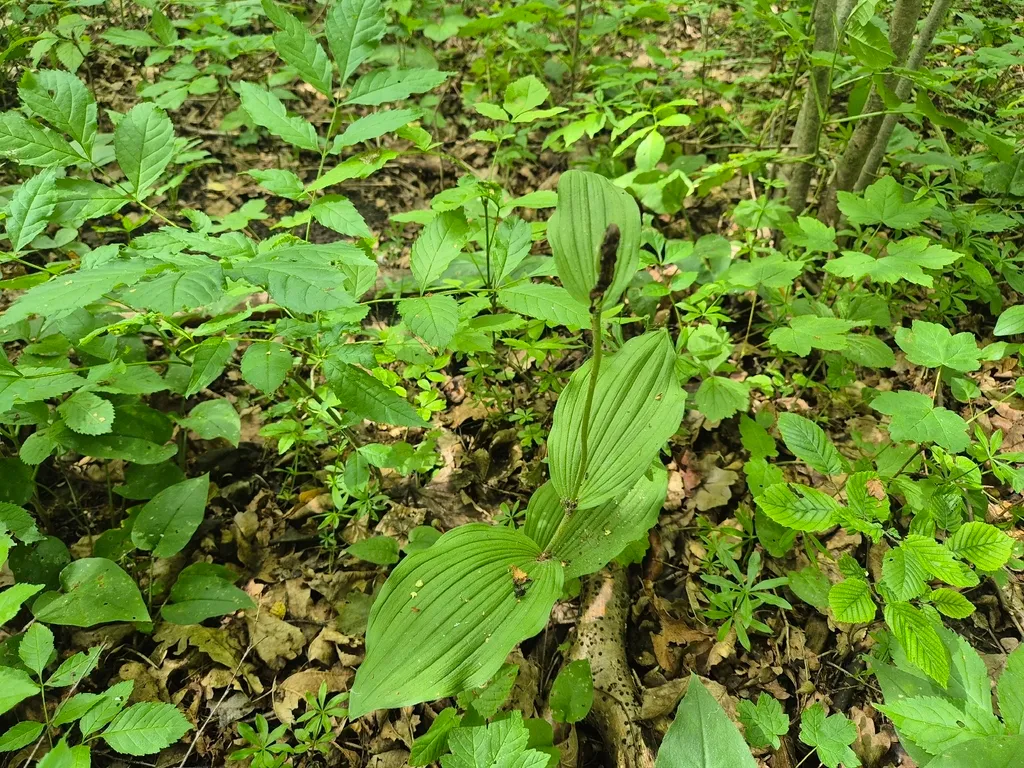
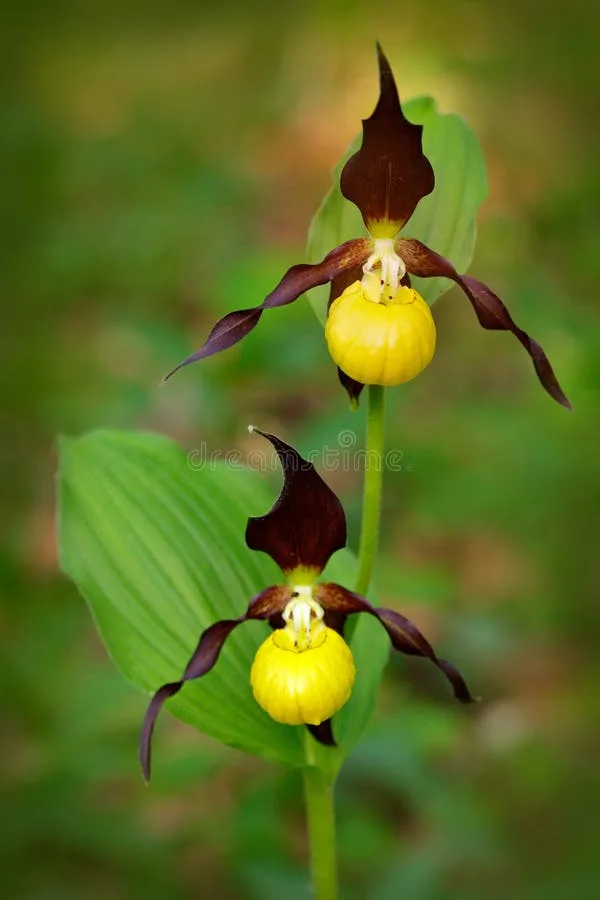
Distribution of yellow lady's slipper orchid
Distribution map
- Native
- Introduced
- Cultivated
Locally extinct or doubtful records are excluded from native and introduced layers.
Source:WCVP v16 · Royal Botanic Gardens, Kew · CC BY 3.0 · Boundaries:WGSRPD / TDWG
Toxicity
Skin allergen. Wear gloves and other protective equipment when handling
yellow lady's slipper orchid care guide
- Maintain evenly damp orchid mix, never letting roots dry hard
- Watering
- Partial shade
- Sunlight

Watering
Maintain evenly damp orchid mix, never letting roots dry hard
Fertilizing
 Fertilizing
Weak slipper orchid feed every two to three weeks in active growth
Pruning
 Pruning
No pruning required, allow foliage to die down naturally
Propagation
 Propagation
Propagate by division in early or mid-spring and replant immediately. Some of the soil from the root ball, which contains beneficial fungi, should be planted with each division
Growing
 Growing
Grow in moist, fertile, leafy, humus-rich slightly alkaline soil in a sheltered site with dappled or partial shade. Provide an annual winter mulch of leaf mould. Suits a shady rock garden or woodland garden
Common pests and diseases
Diseases
May be susceptible to grey moulds
Pests
May be susceptible to slugs and orchid scale insect
Explore the plant health library →




