
necklace vine
Also known as: Australian ivy; Australian maidenhair vine; maidenhair vine; mattress vine; wire plant; wire vine
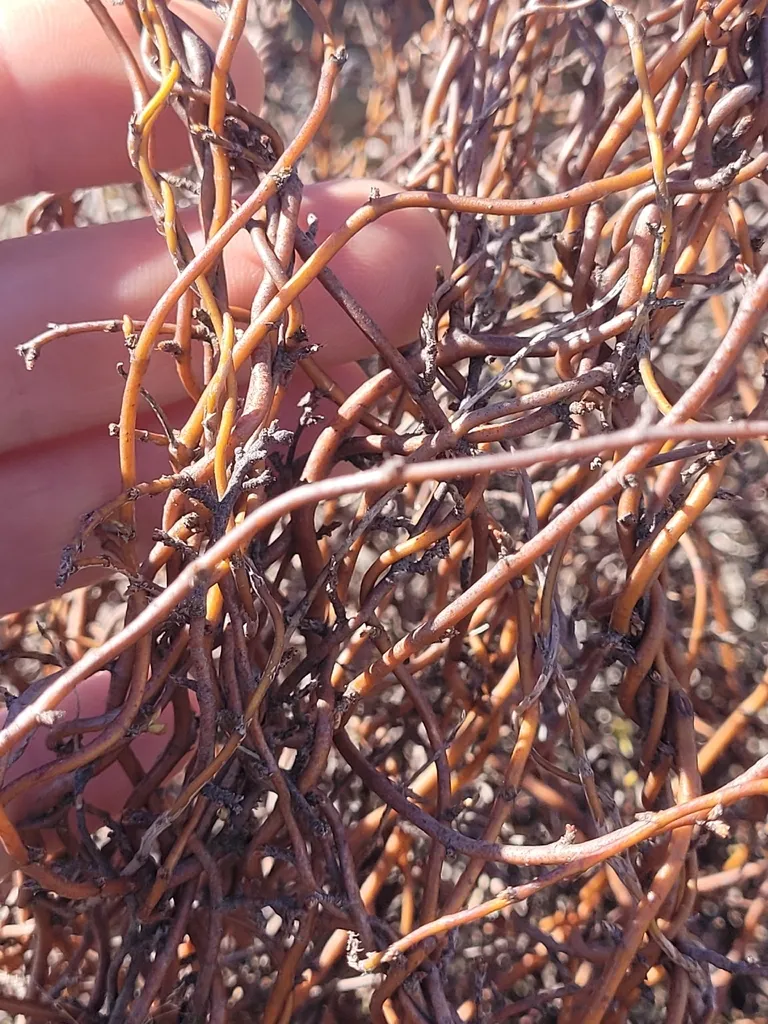
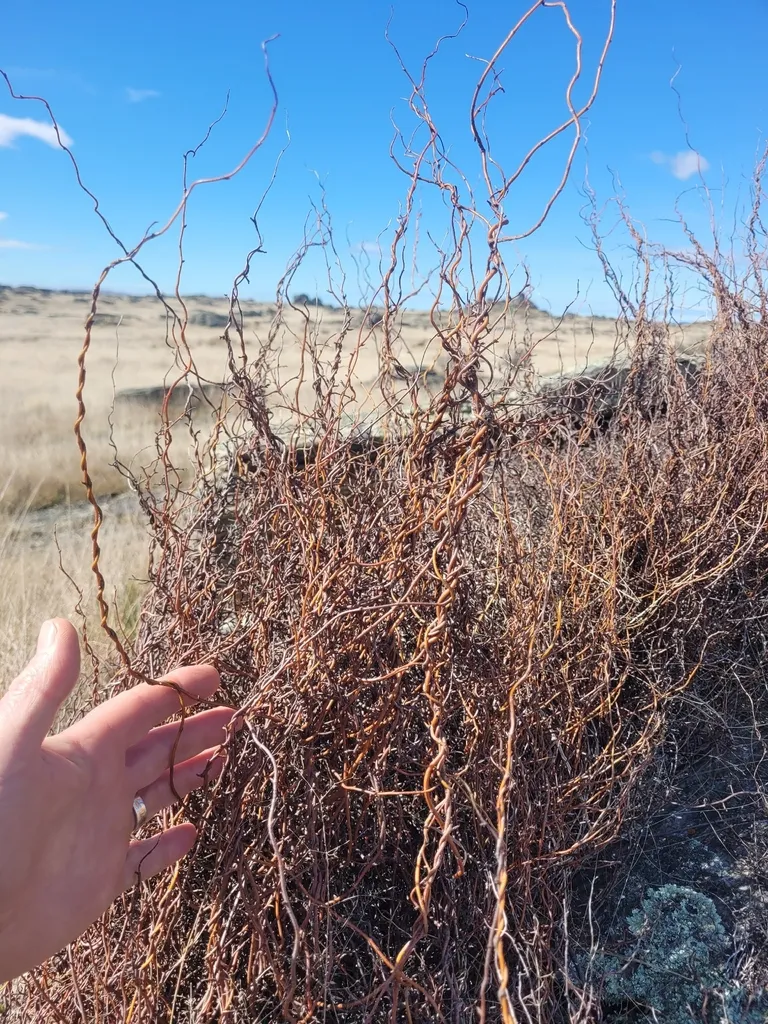
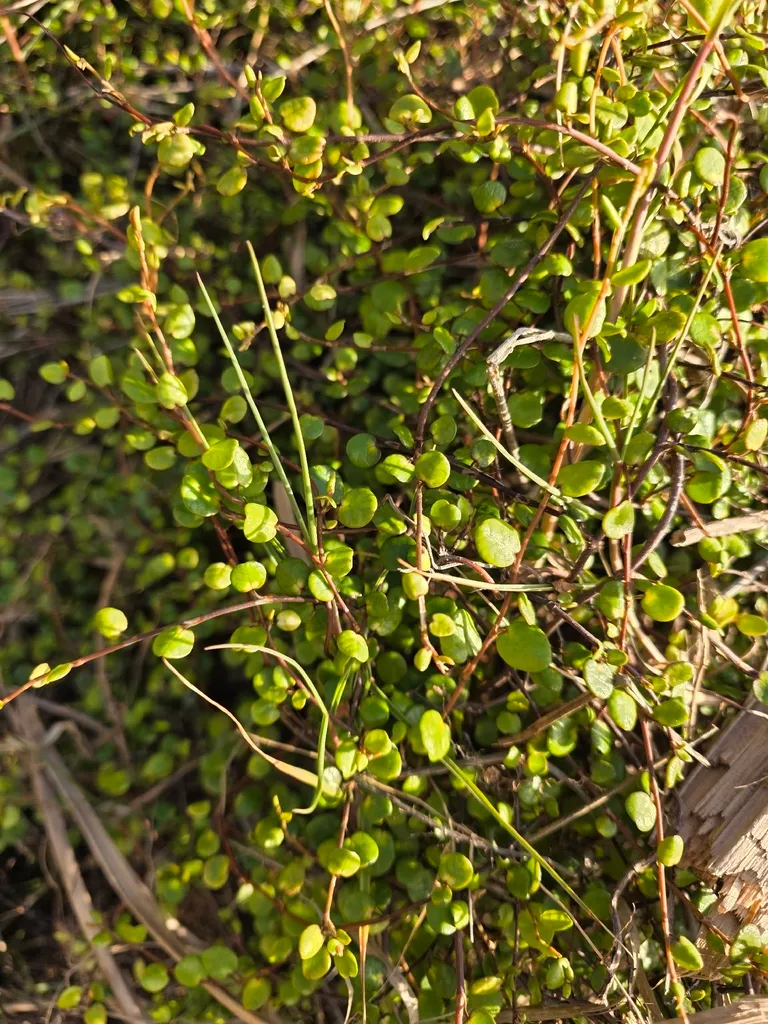
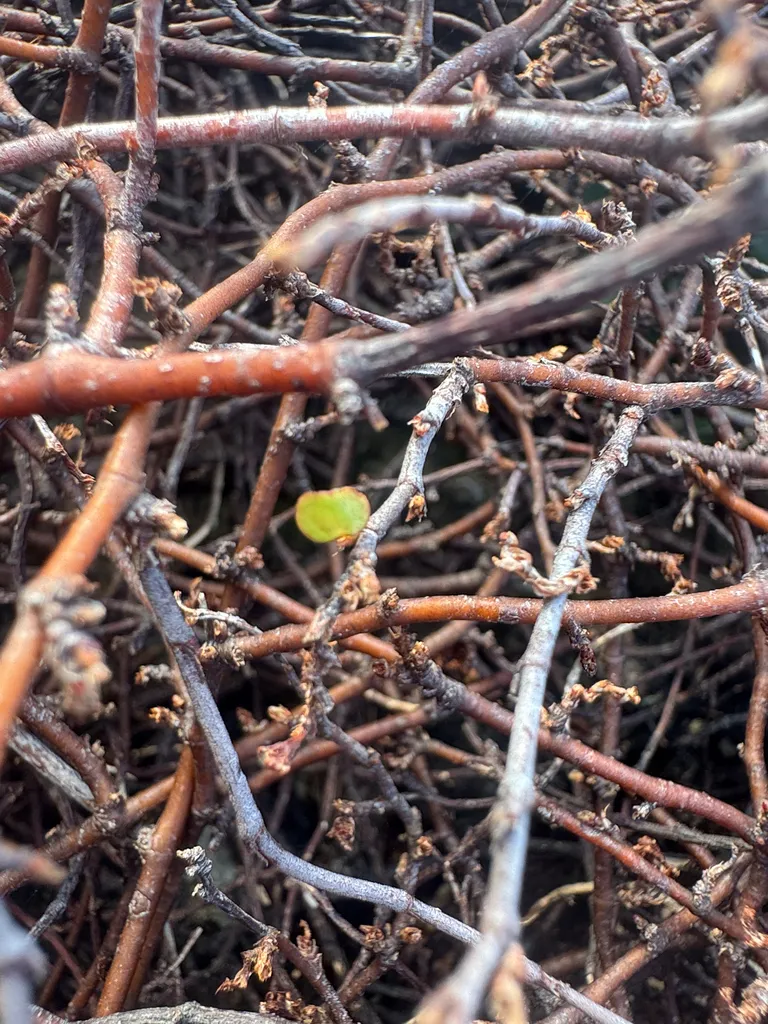
A deciduous climber, forming dense masses of slender, wiry, much interlaced stems, reaching 2.5-3m but vertical height usually not relevant. Dark green leaves are small, to 2cm long, variable in shape (roundish, heart-shaped, oblong and fiddle-shaped). Flowers greenish, borne in small terminal and axillary spikes in autumn. On female plants only, the perianth persists to a fruiting stage, becoming enlarged, glistening waxy white, enclosing a black, shining nutlet
Scientific classification
- Species
- necklace vine (Muehlenbeckia complexa)
- Genus
- Muehlenbeckia
- Family
- Polygonaceae
- Information to be completed
- Toxicity
- Climber Wall Shrub
- Plant type
- 2.5-4 metres
- Height
- 1.5-2.5 metres
- Spread
- Deciduous
- Foliage
- Trailing
- Habit
- Spring · Summer · Autumn
- Season of interest
- Full sun · Partial shade
- Sunlight
- Information to be completed
- Ideal temperature









necklace vine pictures
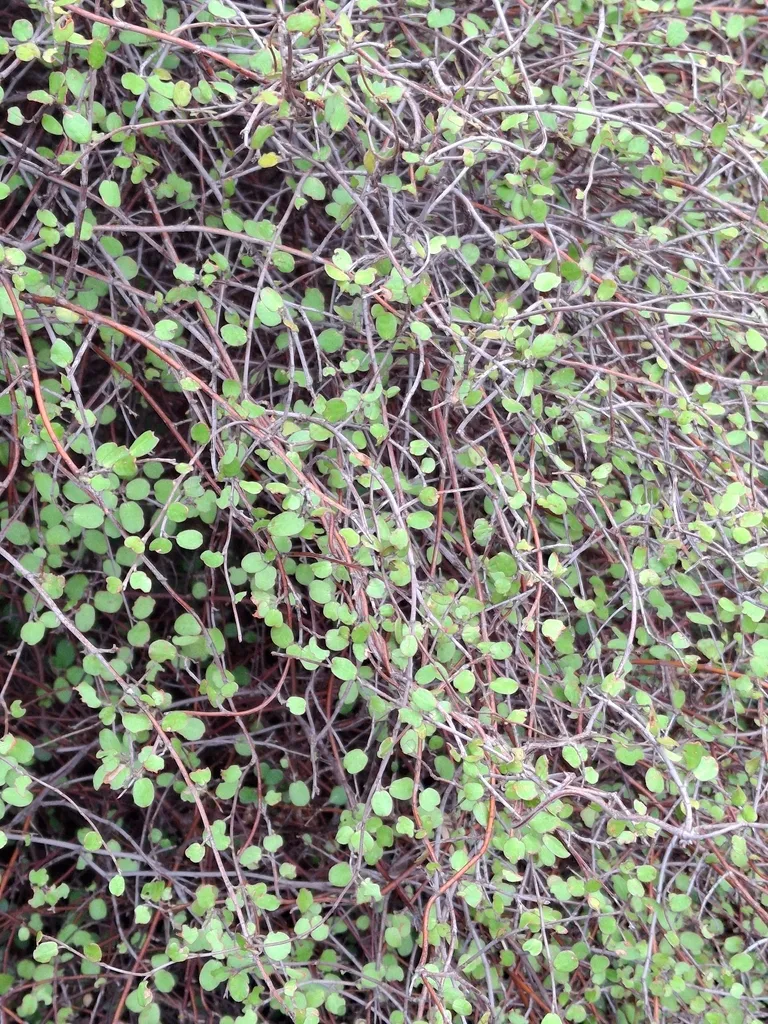
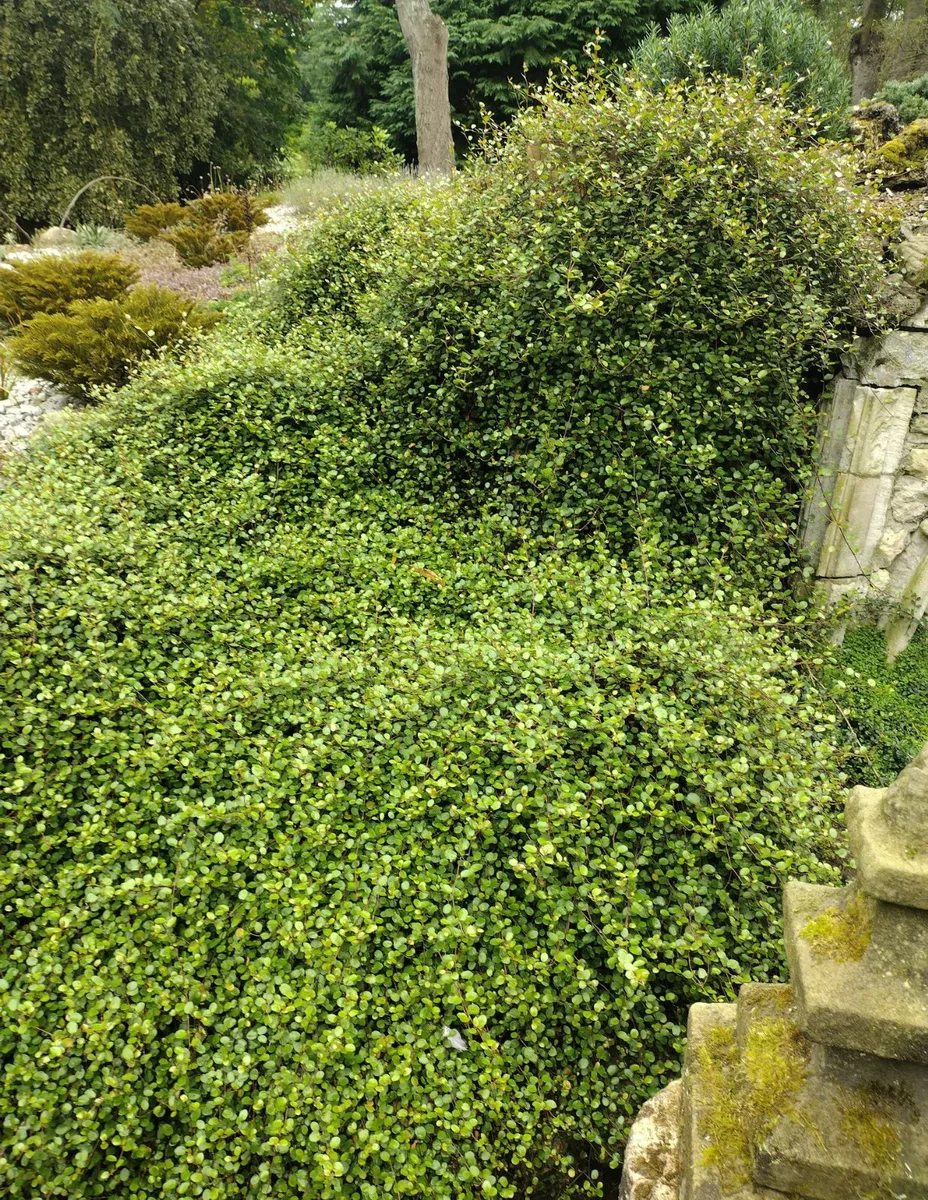
Distribution of necklace vine
Distribution map
New Zealand, Lord Howe Islands
Information to be completed
Culture
Information to be completed
Toxicity
Information to be completed
Quick identification of necklace vine
Information to be completed
necklace vine care guide
- Moderate regular watering, allowing brief slight drying between soakings
- Watering
- Full sun · Partial shade
- Sunlight
- Information to be completed
- Ideal temperature

Watering
Moderate regular watering, allowing brief slight drying between soakings
Fertilizing
 Fertilizing
Balanced perennial feed every four weeks from spring through summer
Pruning
 Pruning
Routine pruning is unnecessary; shorten overlong shoots to fit the available space. For last-year flowering growth, prune after flowering; for current-year flowering growth, prune in late winter or spring. This guidance is for established plants.
Propagation
 Propagation
Propagate by semi-ripe cuttings with bottom heat in summer
Growing
 Growing
Grow in moist, well-drained soil in full sun or light shade with shelter from cold winds; suitable support will be needed
People also ask
Information to be completed
Common pests and diseases
Diseases
Generally trouble free
Pests
Generally trouble free
Explore the plant health library →




