
Stewart's catmint
Also known as: Information to be completed
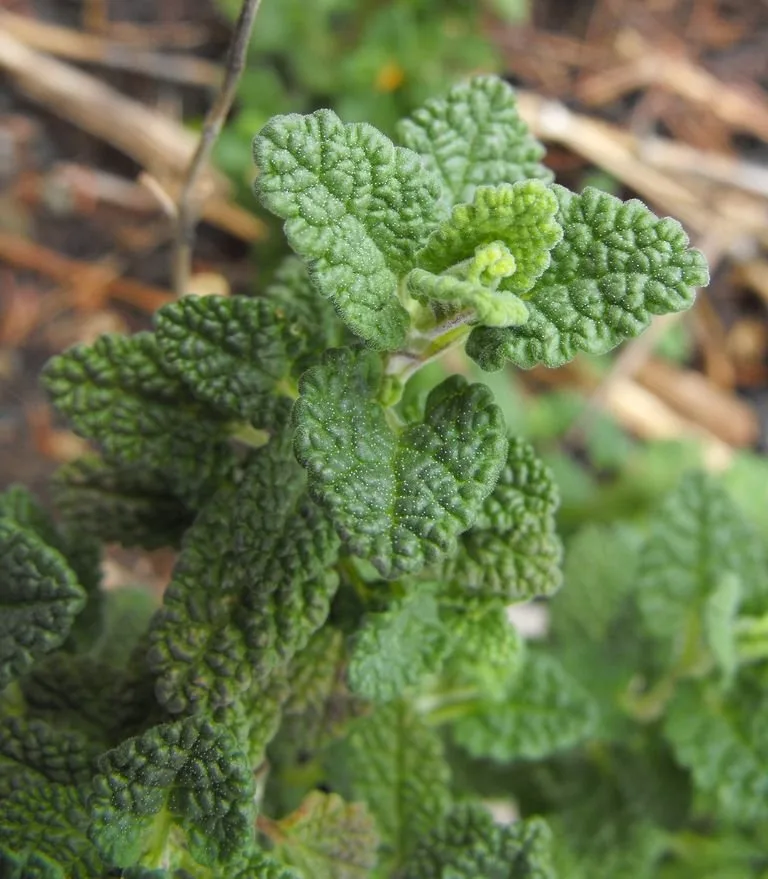
N. stewartiana is an upright, aromatic, clump-forming perennial to 60cm, with branching stems and toothed, bright green leaves. In early to late summer produces spires of tubular, purple flowers arranged in whorls
Scientific classification
- Species
- Stewart's catmint (Nepeta stewartiana)
- Genus
- Nepeta
- Family
- Lamiaceae
- Order
- Lamiales
- Class
- Magnoliopsida
- Phylum
- Magnoliophyta
- Information to be completed
- Toxicity
- Herbaceous Perennial
- Plant type
- 0.5-1 metres
- Height
- 0.1-0.5 metres
- Spread
- Deciduous
- Foliage
- Bushy
- Habit
- Spring · Summer · Autumn
- Season of interest
- Full sun
- Sunlight
- Information to be completed
- Ideal temperature









Stewart's catmint pictures
Distribution of Stewart's catmint
Distribution map
- Native
- Introduced
- Cultivated
Source:WCVP v16 · Royal Botanic Gardens, Kew · CC BY 3.0 · Boundaries:WGSRPD / TDWG
Stewart's catmint care guide
- Moderate regular watering, avoid prolonged drought or waterlogging
- Watering
- Full sun
- Sunlight

Watering
Moderate regular watering, avoid prolonged drought or waterlogging
Fertilizing
 Fertilizing
Balanced feed in spring and light repeat in growth season
Pruning
 Pruning
Deadhead spent flowerheads and cut hard back at the end of the flowering season or in early spring
Propagation
 Propagation
Propagate by seed, or division in spring or autumn; take softwood stem-tip cuttings in early summer or semi-ripe cuttings in early autumn
Growing
 Growing
Grow in well-drained soil in full sun but will tolerate light shade
Common pests and diseases
Diseases
Powdery mildews can be problematic
Pests
May be damaged by slugs and snails and cats
Explore the plant health library →




