
black-eyed Susan
Also known as: glowing coneflower; orange coneflower
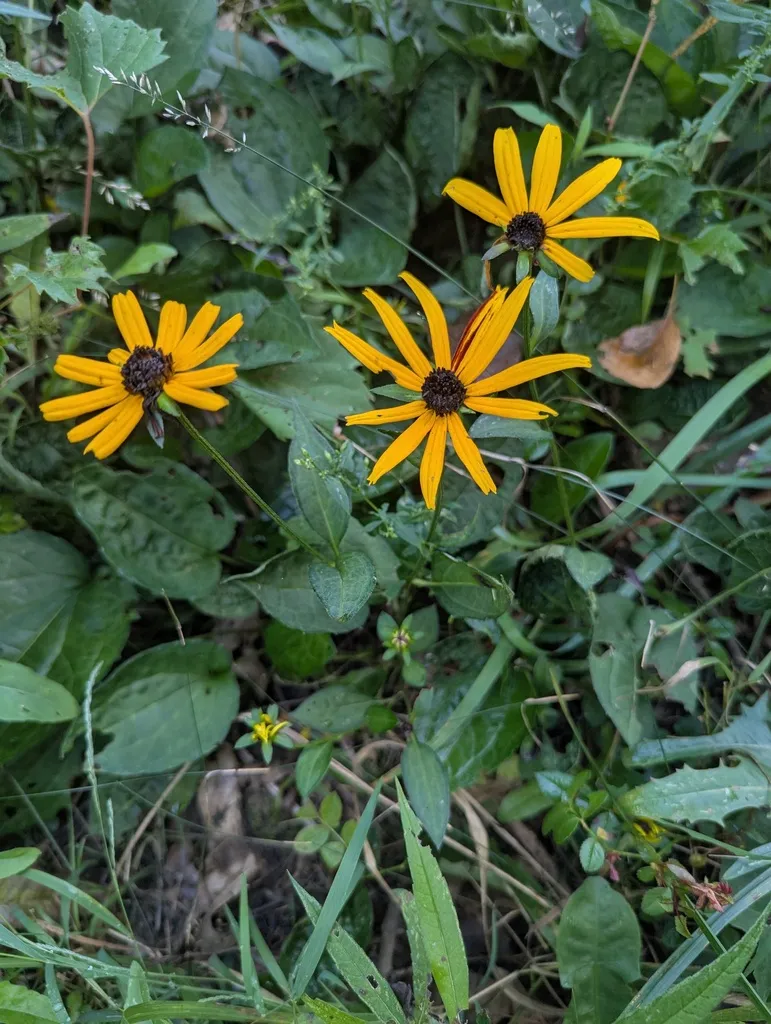
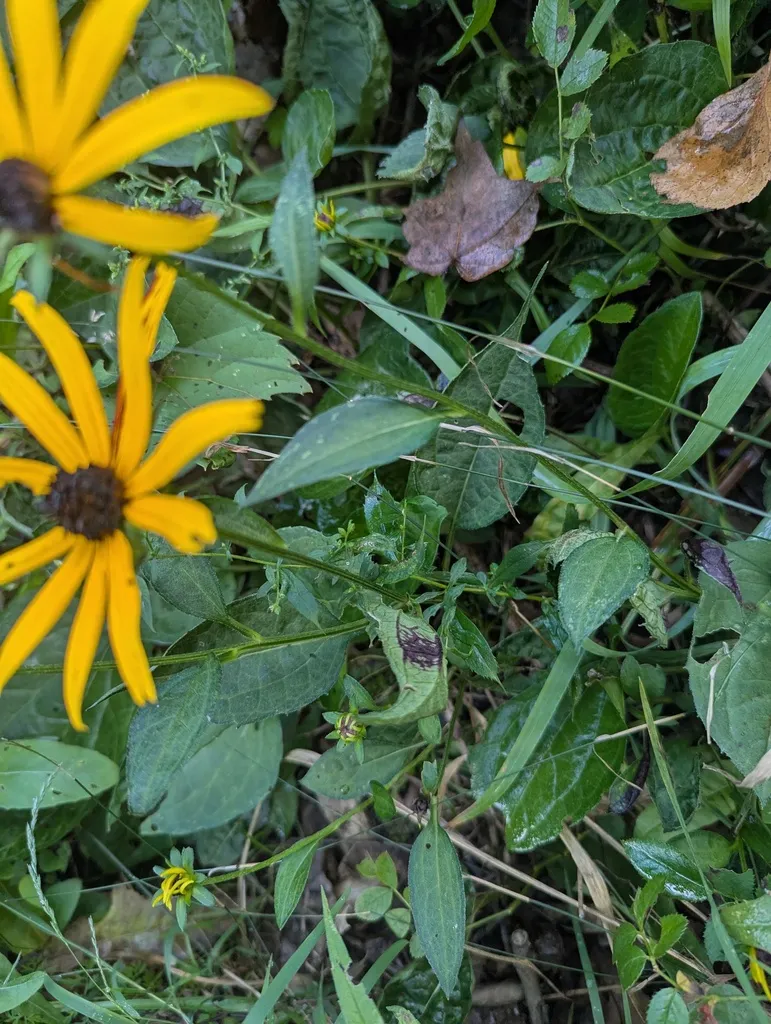
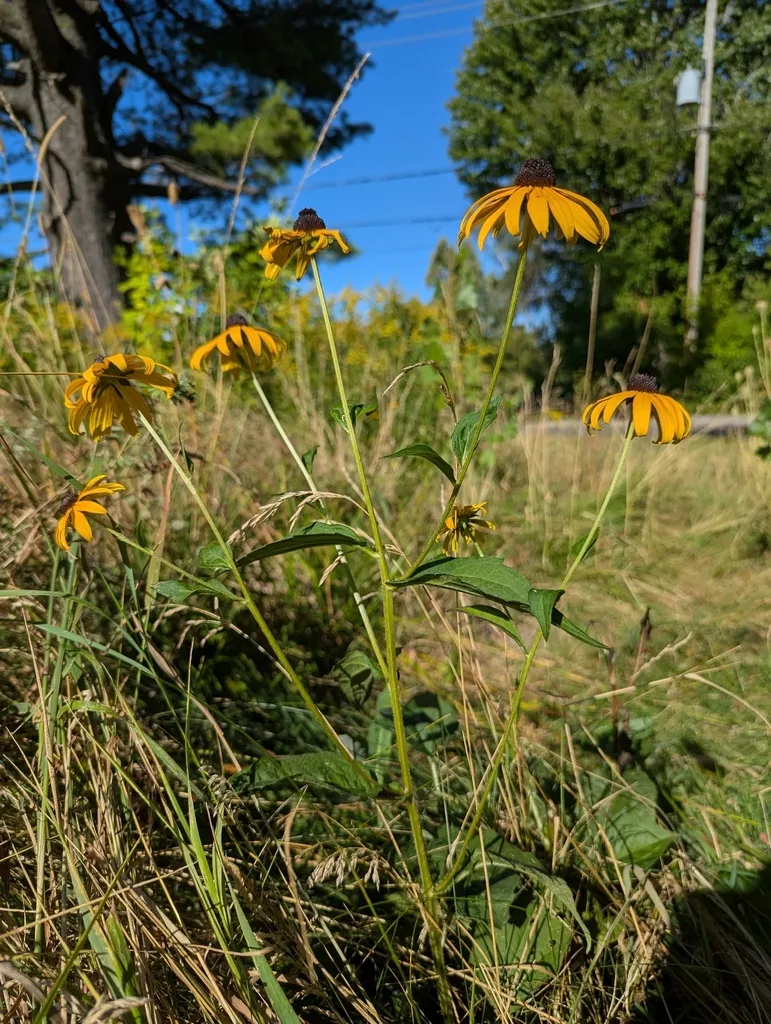
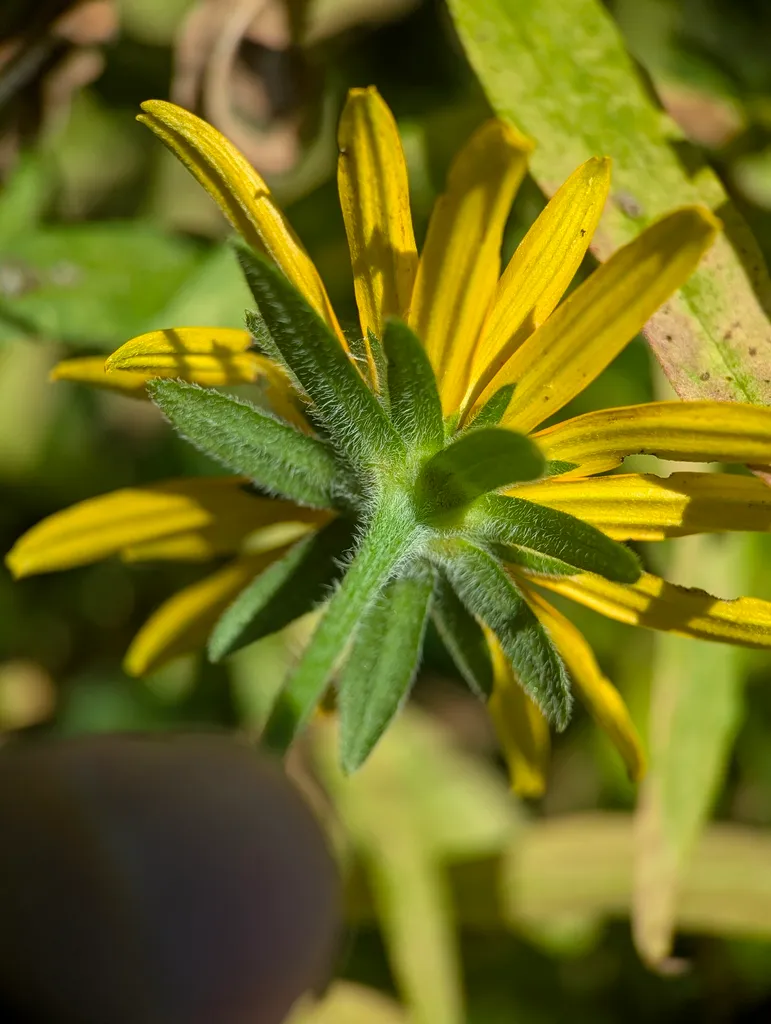
R. fulgida is a rhizomatous perennial with hairy leaves and branching stems that carry flowers with deep-brown centres and warm-golden ray florets in mid to late summer and early autumn
Scientific classification
- Species
- black-eyed Susan (Rudbeckia fulgida)
- Genus
- Rudbeckia
- Family
- Asteraceae
- Order
- Asterales
- Class
- Magnoliopsida
- Phylum
- Magnoliophyta
- Information to be completed
- Toxicity
- Herbaceous Perennial
- Plant type
- 0.5-1 metres
- Height
- 0.5-1 metres
- Spread
- Deciduous
- Foliage
- Bushy
- Habit
- Spring · Summer · Autumn
- Season of interest
- Full sun · Partial shade
- Sunlight
- Information to be completed
- Ideal temperature









black-eyed Susan pictures
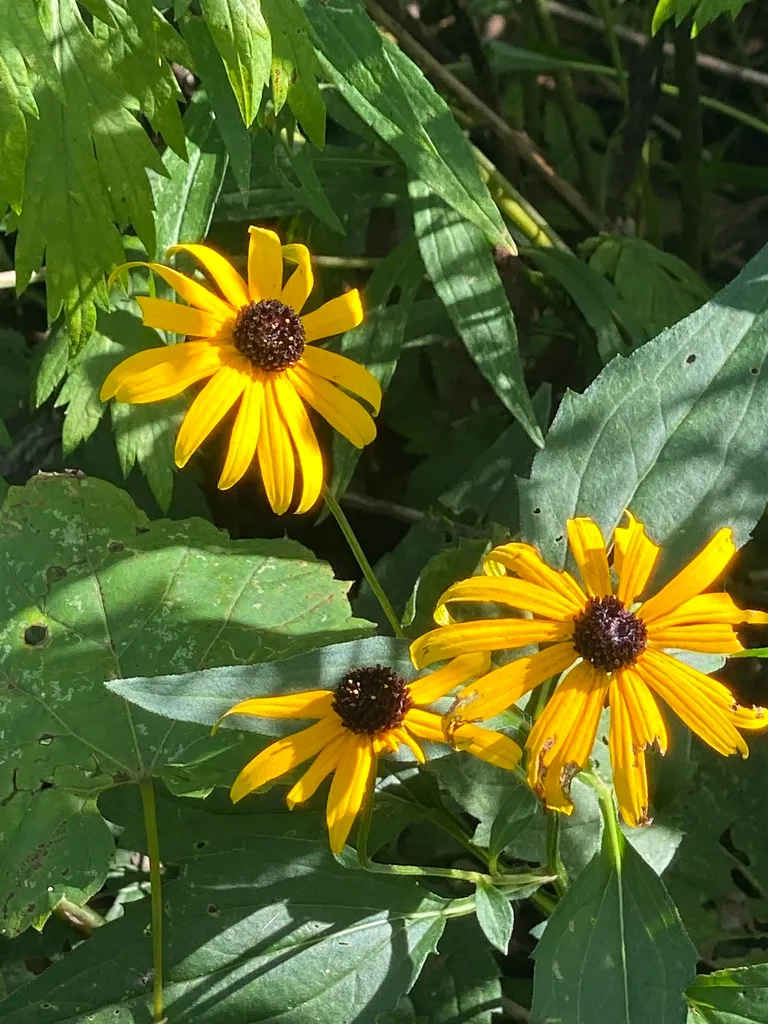
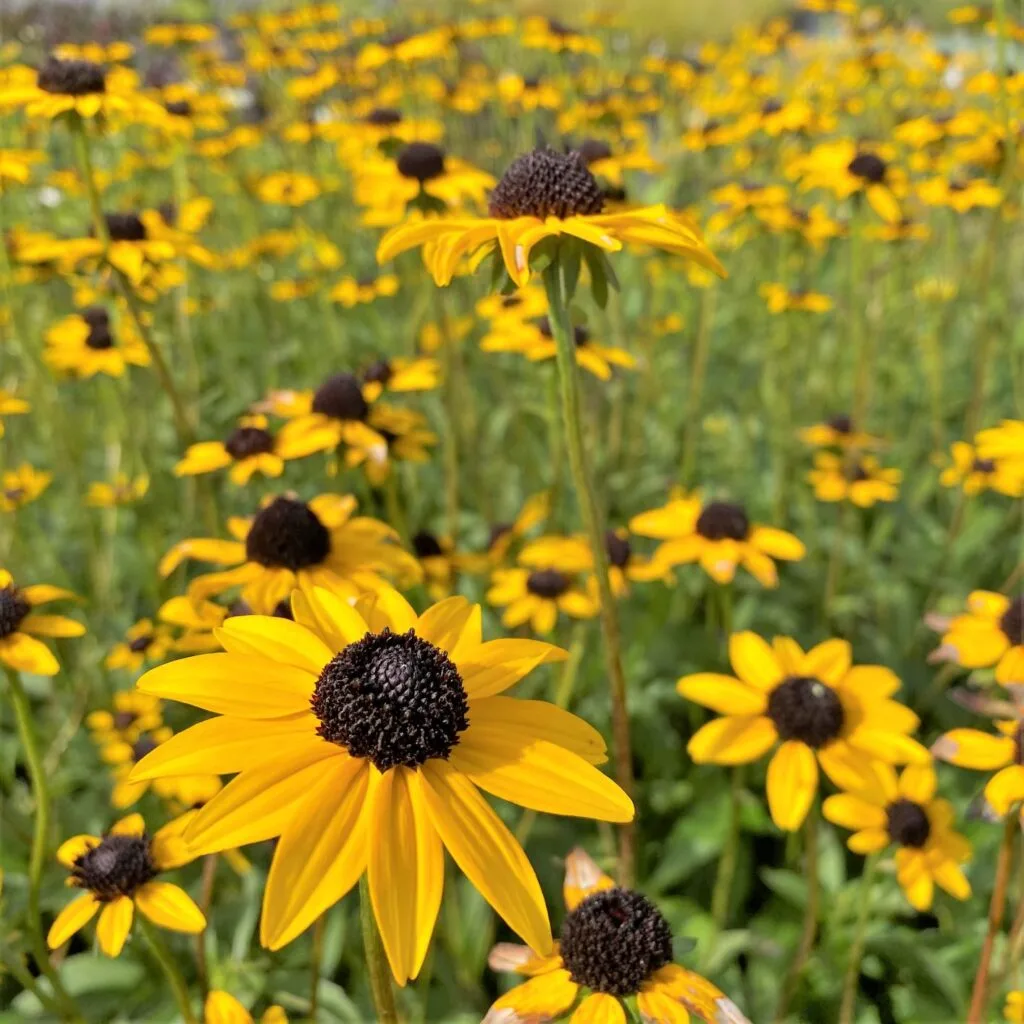
Distribution of black-eyed Susan
Distribution map
- Native
- Introduced
- Cultivated
Source:WCVP v16 · Royal Botanic Gardens, Kew · CC BY 3.0 · Boundaries:WGSRPD / TDWG
black-eyed Susan care guide
- Deep water then let soil surface dry fully for drought resistance
- Watering
- Full sun · Partial shade
- Sunlight

Watering
Deep water then let soil surface dry fully for drought resistance
Fertilizing
 Fertilizing
Single light balanced fertilizer application each early spring year
Pruning
 Pruning
Deadhead regularly. Can be cut back in autumn, though stems and seedheads persist well and can provide structure in winter
Propagation
 Propagation
Propagate by seed, or divide established plants in spring
Growing
 Growing
Grow in humus rich, moist but well-drained soil in full sun or partial shade. Able to tolerate drought once established. See rudbeckia cultivation for further advice
Common pests and diseases
Diseases
May be susceptible to powdery mildews
Pests
May be susceptible to aphids and slugs
Explore the plant health library →




