
apple 'King of the Pippins'
Also known as: Information to be completed
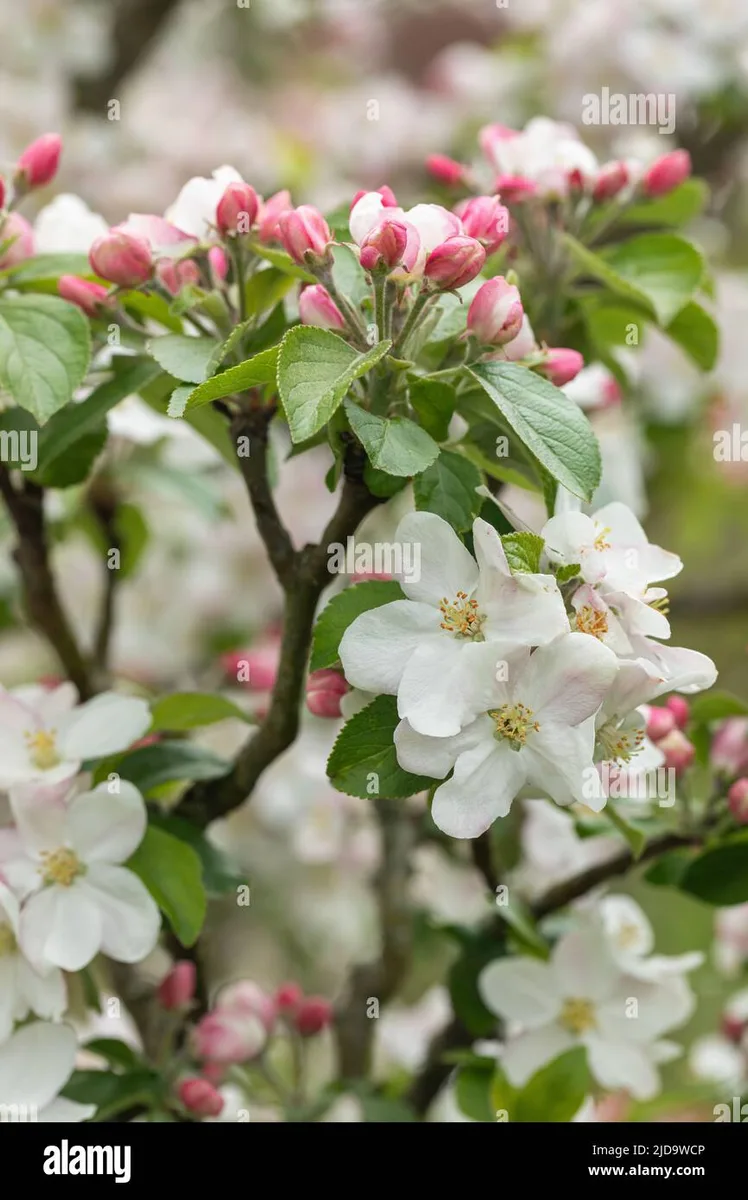
A dessert cultivar in pollination group 5. It is suitable for northerly, colder, higher rainfall areas, where it will grow with an upright habit and produce heavy, regular crops. Fruit are of medium size and are orange and red flushed over yellow. If well ripened they have a good flavour and when cooked, keep their shape and are flavoursome. Fruit keeps well and so the season of use runs from October through to December or longer
Scientific classification
- Species
- apple 'King of the Pippins' (Malus domestica 'King of the Pippins')
- Genus
- Malus
- Family
- Rosaceae
- Order
- Rosales
- Class
- Magnoliopsida
- Phylum
- Magnoliophyta
- Information to be completed
- Toxicity
- Fruit Edible
- Plant type
- 4-8 metres
- Height
- 4-8 metres
- Spread
- Deciduous
- Foliage
- Bushy
- Habit
- Spring · Summer · Autumn
- Season of interest
- Full sun
- Sunlight
- Information to be completed
- Ideal temperature









apple 'King of the Pippins' pictures
Distribution of apple 'King of the Pippins'
Distribution map
- Native
- Introduced
- Cultivated
Source:WCVP v16 · Royal Botanic Gardens, Kew · CC BY 3.0 · Boundaries:WGSRPD / TDWG
apple 'King of the Pippins' care guide
- Deep watering during dry spells, let surface soil partly dry between sessions
- Watering
- Full sun
- Sunlight

Watering
Deep watering during dry spells, let surface soil partly dry between sessions
Fertilizing
 Fertilizing
Balanced tree feed applied once every early spring growth cycle
Pruning
 Pruning
Regular pruning is required - see apple pruning; spur bearing
Propagation
 Propagation
Propagate by chip budding or grafting onto a clonal rootstock for fruit. The rootstock used will largely determine the vigour of the tree
Growing
 Growing
It will crop best in a sunny situation. The height will depend on the rootstock and training method. Suitable for all training forms. Keep a clear area around the trunk of at least 60cm radius. Fruit thinning may be required. For more details see apple cultivation
Common pests and diseases
Diseases
May be susceptible to apple canker, apple scab, blossom wilt, brown rot, fireblight, honey fungus and powdery mildews
Pests
May be susceptible to aphids, including woolly aphid and rosy apple aphid, fruit tree red spider mite, codling moth and other caterpillars
Explore the plant health library →




