
Chalus grape hyacinth
Also known as: Information to be completed
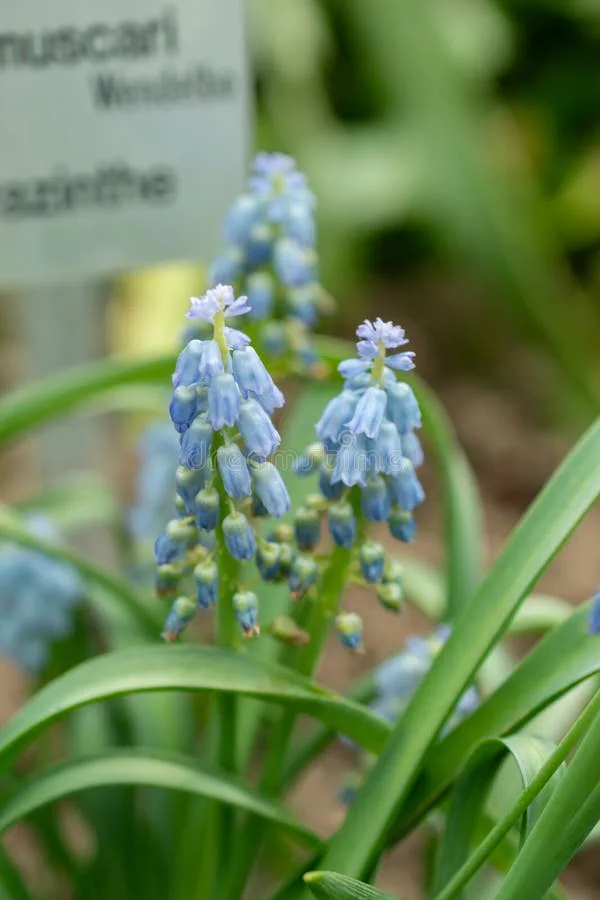
M. pseudomuscari is a bulbous perennial to 15cm in height, with flopping, narrow, grey-green leaves and mid-blue, tubular flowers in racemes to 6cm in length
Scientific classification
- Species
- Chalus grape hyacinth (Muscari pseudomuscari)
- Genus
- Muscari
- Family
- Asparagaceae
- Ornamental bulbs, not to be eaten. Wear gloves and other protective equipment when handling
- Toxicity
- Bulbs
- Plant type
- 0.1-0.5 metres
- Height
- 0-0.1 metre
- Spread
- Deciduous
- Foliage
- Clump forming
- Habit
- Spring · Summer
- Season of interest
- Full sun · Partial shade
- Sunlight
- Information to be completed
- Ideal temperature









Chalus grape hyacinth pictures
Distribution of Chalus grape hyacinth
Distribution map
Iran
Information to be completed
Culture
Information to be completed
Toxicity
Ornamental bulbs, not to be eaten. Wear gloves and other protective equipment when handling
Quick identification of Chalus grape hyacinth
Information to be completed
Chalus grape hyacinth care guide
- Even moisture while sprouting, cease watering once leaves turn yellow fully
- Watering
- Full sun · Partial shade
- Sunlight
- Information to be completed
- Ideal temperature

Watering
Even moisture while sprouting, cease watering once leaves turn yellow fully
Fertilizing
 Fertilizing
Weak bulb nutrient solution applied monthly during active leaf growth
Pruning
 Pruning
No pruning required
Propagation
 Propagation
Propagate by seed sown in autumn, in containers in a cold frame or separate offsets in summer
Growing
 Growing
Plant 10cm deep in autumn in any moderately fertile, well-drained soil. Lift and divide (when dormant in summer) congested clumps to maintain vigour. May be invasive
People also ask
Information to be completed
Common pests and diseases
Diseases
May be susceptible to fungal infections including anther smuts and bluebell rust (see rust diseases), and bacterial soft rot and some virus diseases
Pests
Generally pest-free
Explore the plant health library →




