
decurrent mutisia
Also known as: Information to be completed
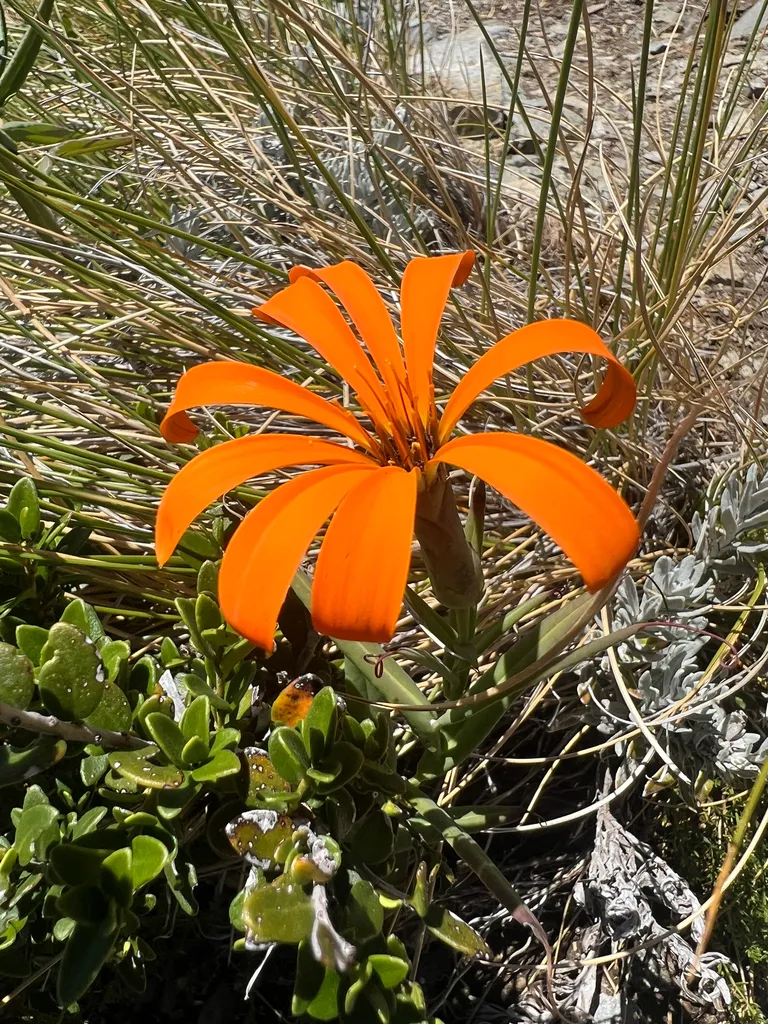
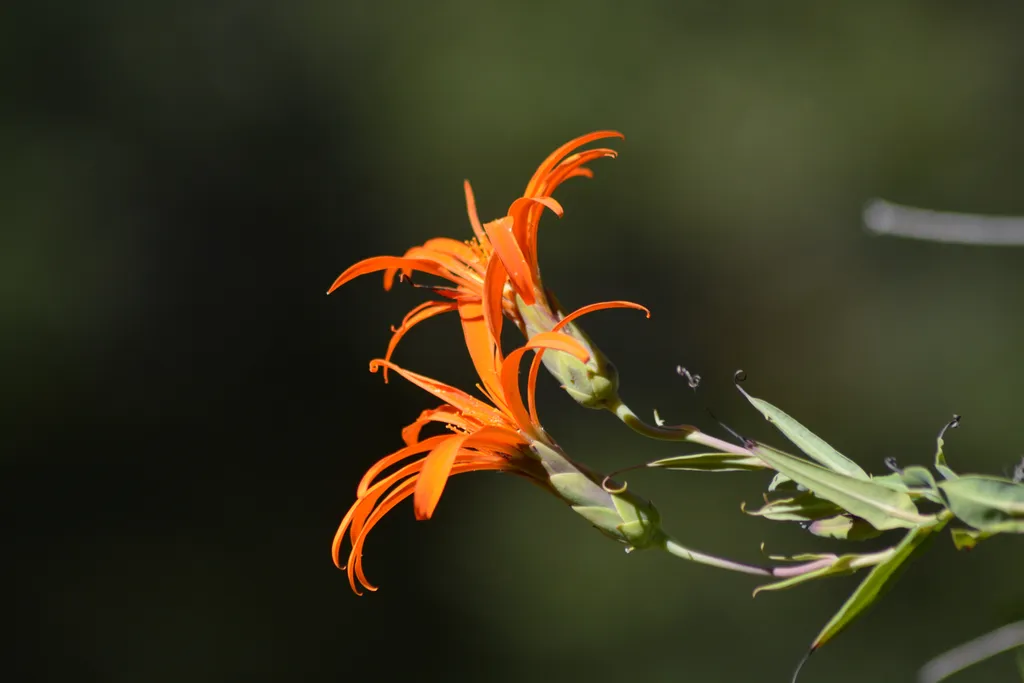
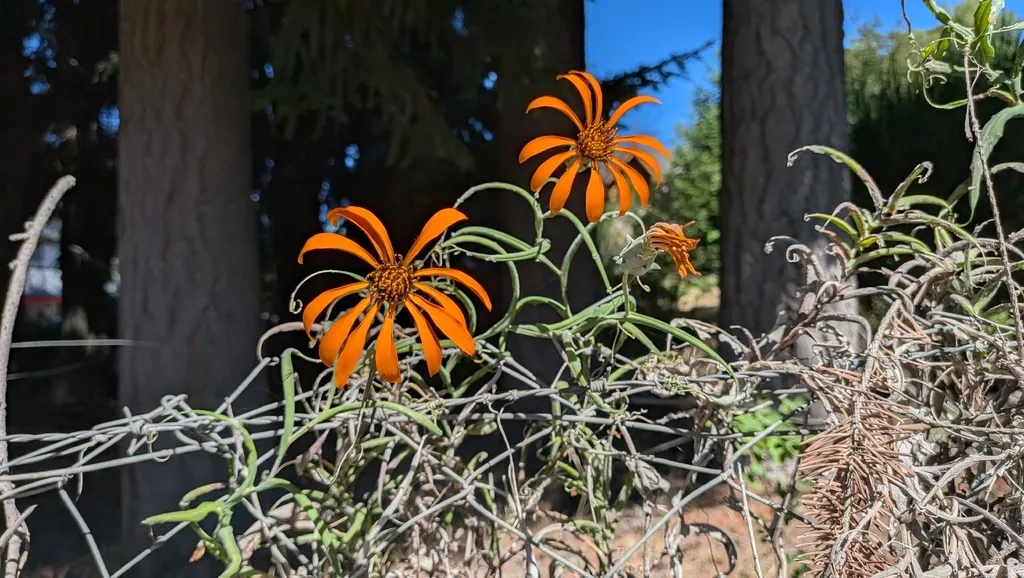
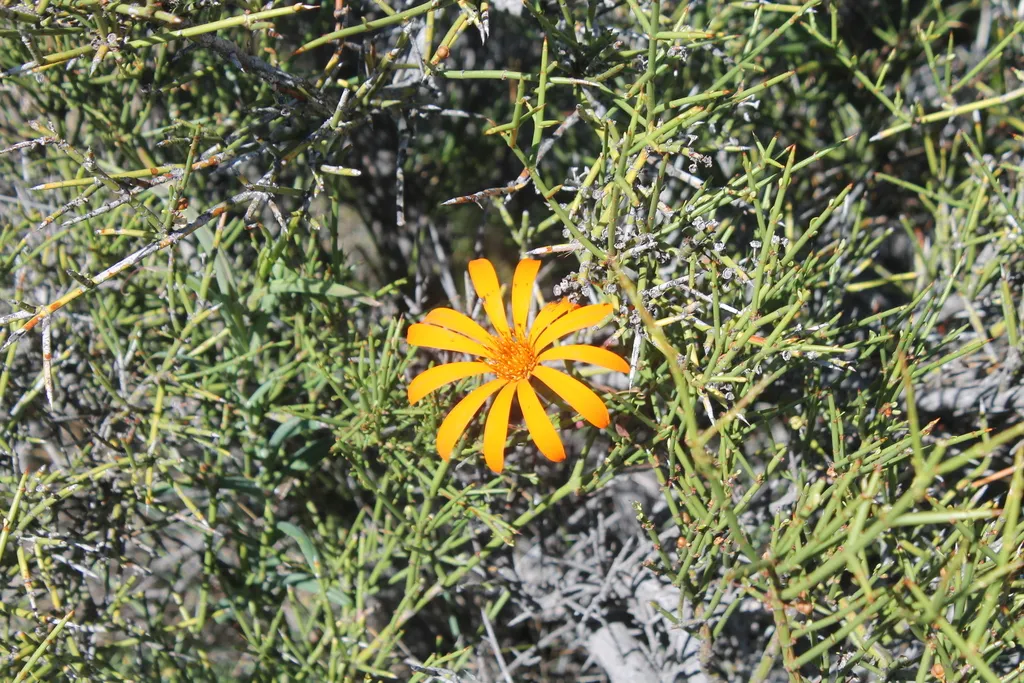
M. decurrens is a rhizomatous sub-shrub with winged climbing stems bearing oblong, entire or toothed, dark green leaves ending in a forked tendril, with daisy-like bright orange flowers to 12cm across in summer
Scientific classification
- Species
- decurrent mutisia (Mutisia decurrens)
- Genus
- Mutisia
- Family
- Asteraceae
- Information to be completed
- Toxicity
- Climber Wall Shrub · Conservatory Greenhouse
- Plant type
- 1.5-2.5 metres
- Height
- 0.1-0.5 metres
- Spread
- Evergreen
- Foliage
- Climbing
- Habit
- Spring · Summer · Autumn · Winter
- Season of interest
- Full sun
- Sunlight
- Information to be completed
- Ideal temperature









decurrent mutisia pictures
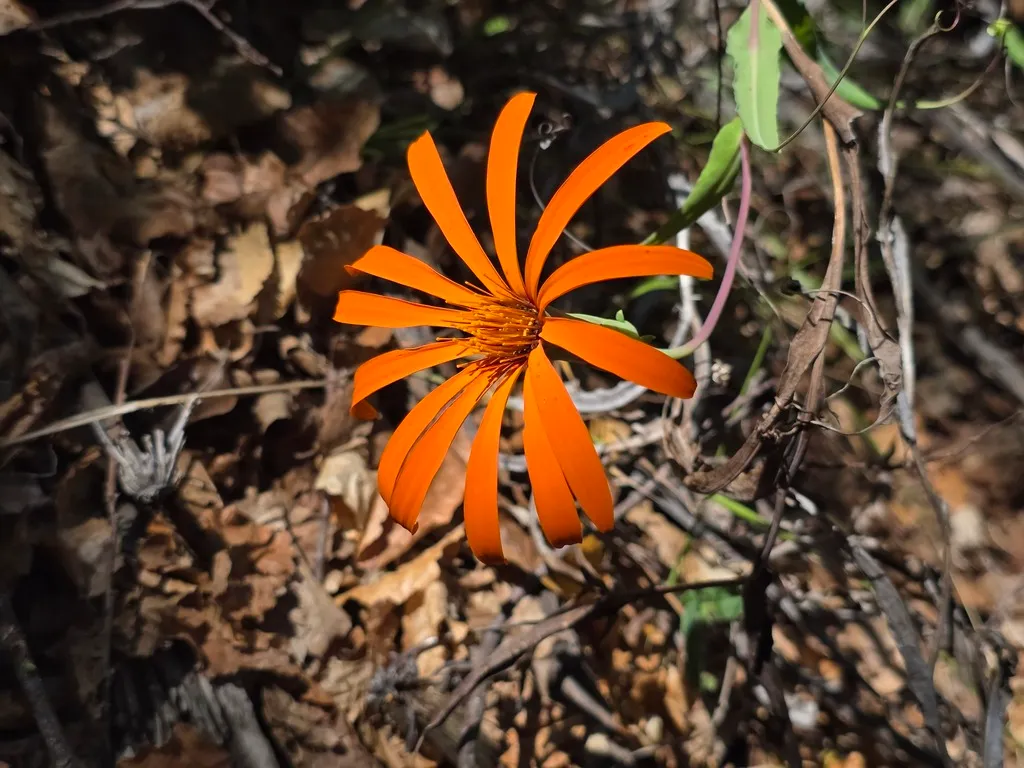
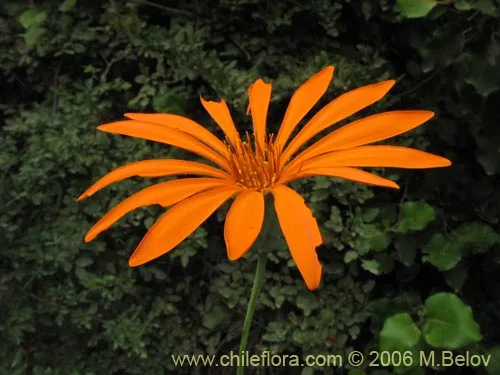
Distribution of decurrent mutisia
Distribution map
Chile, Argentina (Andes)
Information to be completed
Culture
Information to be completed
Toxicity
Information to be completed
Quick identification of decurrent mutisia
Information to be completed
decurrent mutisia care guide
- Moderate regular watering, allowing brief slight drying between soakings
- Watering
- Full sun
- Sunlight
- Information to be completed
- Ideal temperature

Watering
Moderate regular watering, allowing brief slight drying between soakings
Fertilizing
 Fertilizing
Balanced perennial feed every four weeks from spring through summer
Pruning
 Pruning
Routine pruning is unnecessary; shorten overlong shoots to fit the available space. For last-year flowering growth, prune after flowering; for current-year flowering growth, prune in late winter or spring. This guidance is for established plants.
Propagation
 Propagation
Propagate by seed or root stem tip cuttings
Growing
 Growing
Grow outdoors in moist but well-drained soil in full sun. Protect from excessive winter wet and shelter from cold winds. Keep roots moist and cool. Grow indoors in loam based potting compost in bright light, but with shading from full sun from late spring until autumn
People also ask
Information to be completed
Common pests and diseases
Diseases
Generally disease free
Pests
Generally pest-free
Explore the plant health library →




