
sweet cicely
Also known as: anise; British myrrh; garden myrrh; great chervil; myrrh; sweet bracken; sweet chervil; sweet fern; sweet Mary
M. odorata is an erect, aniseed-scented perennial with bright green, 2- to 3-pinnate leaves and white flowers in umbels, followed by spindle-shaped fruits
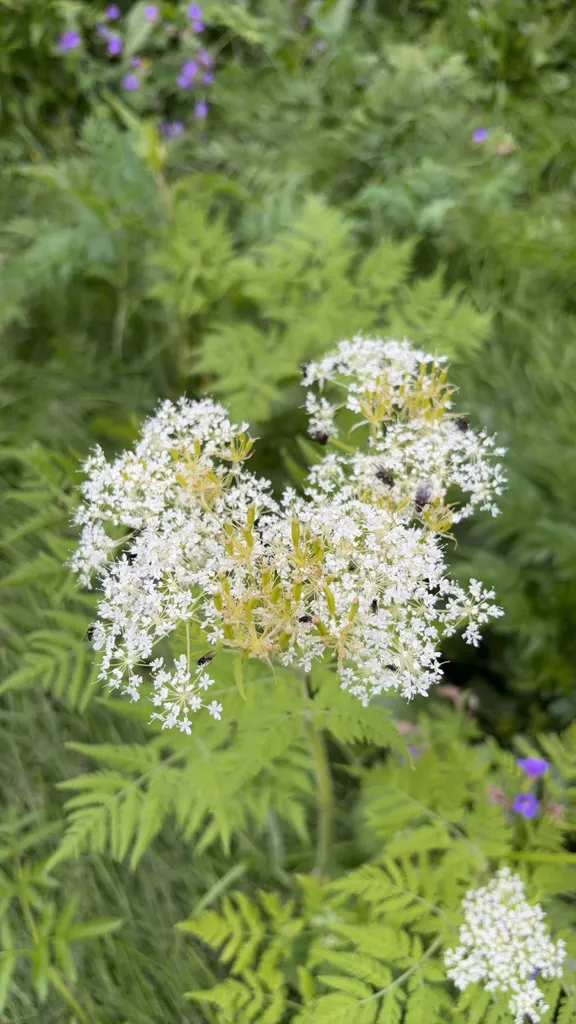
Scientific classification
- Species
- sweet cicely (Myrrhis odorata)
- Genus
- Myrrhis
- Family
- Apiaceae
- Order
- Apiales
- Class
- Magnoliopsida
- Phylum
- Magnoliophyta
- Information to be completed
- Toxicity
- Herbs - Culinary · Herbaceous Perennial
- Plant type
- 1-1.5 metres
- Height
- 0.5-1 metres
- Spread
- Deciduous
- Foliage
- Columnar upright
- Habit
- Spring · Summer · Autumn
- Season of interest
- Partial shade
- Sunlight
- Information to be completed
- Ideal temperature









sweet cicely pictures
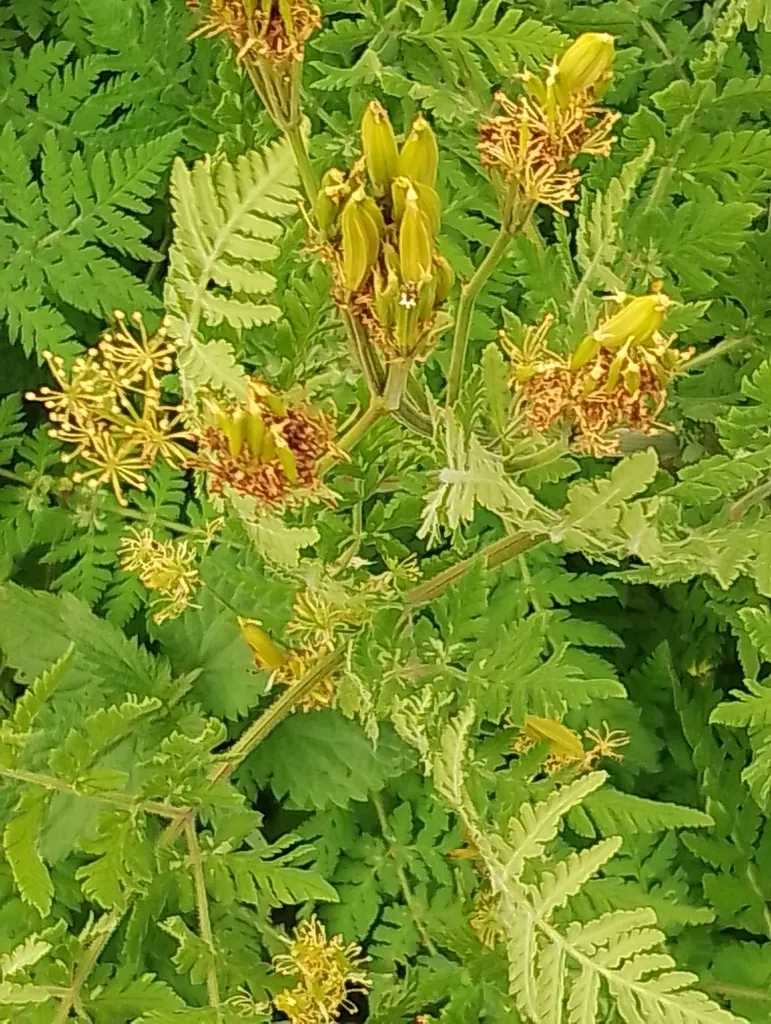
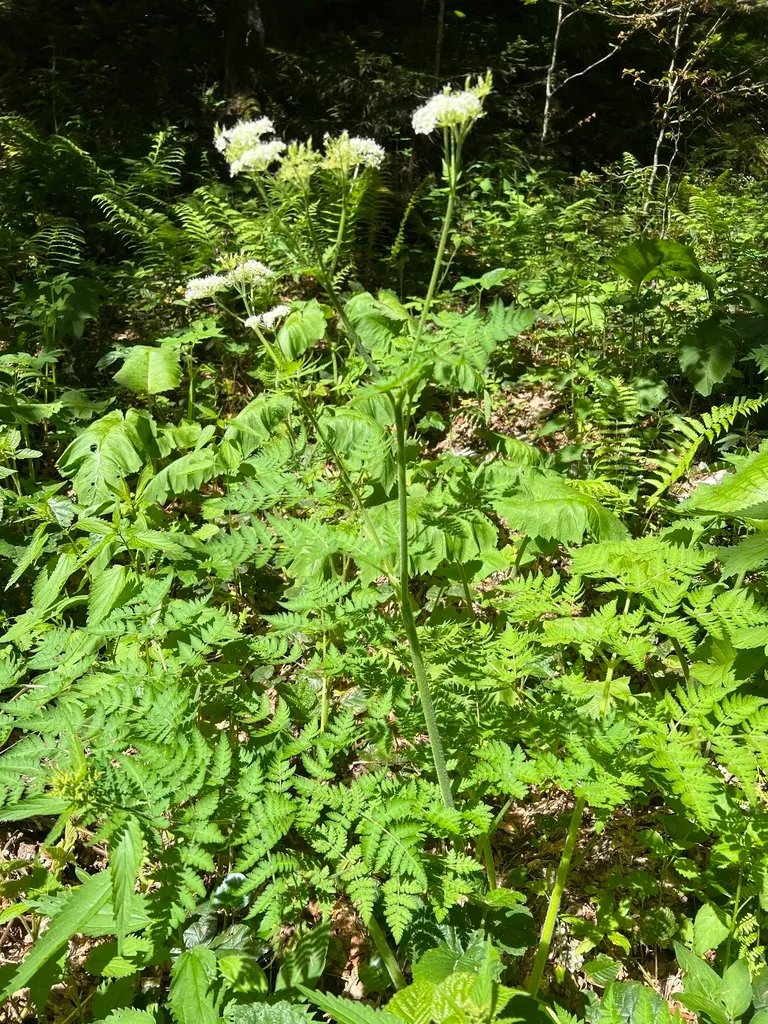
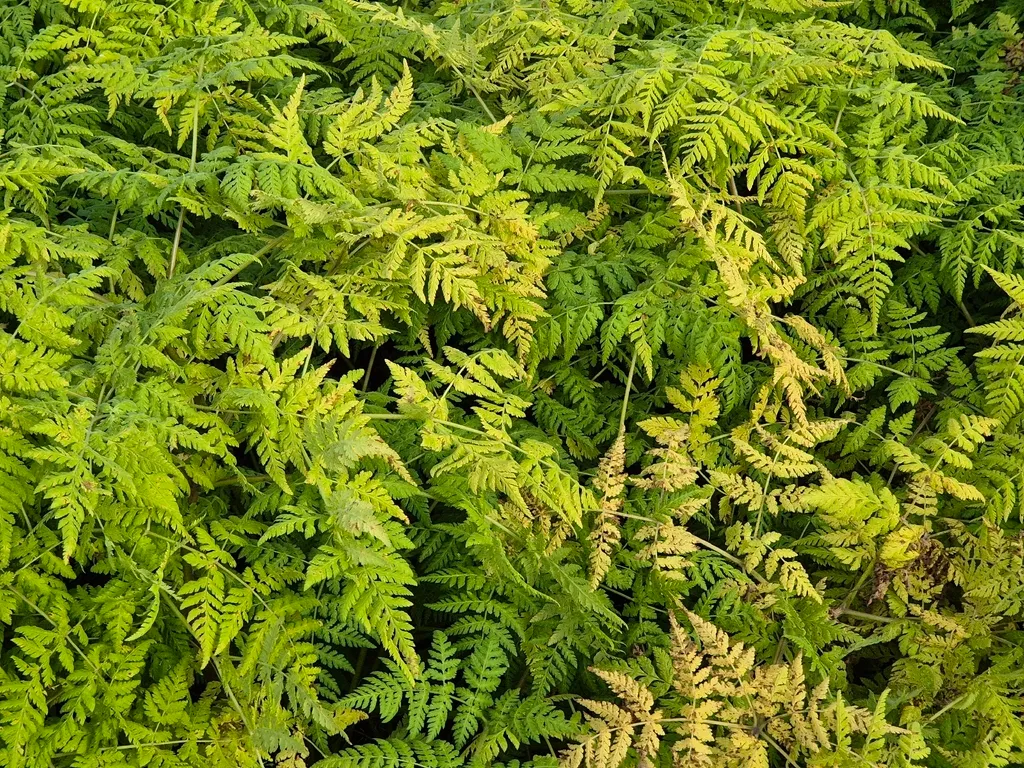
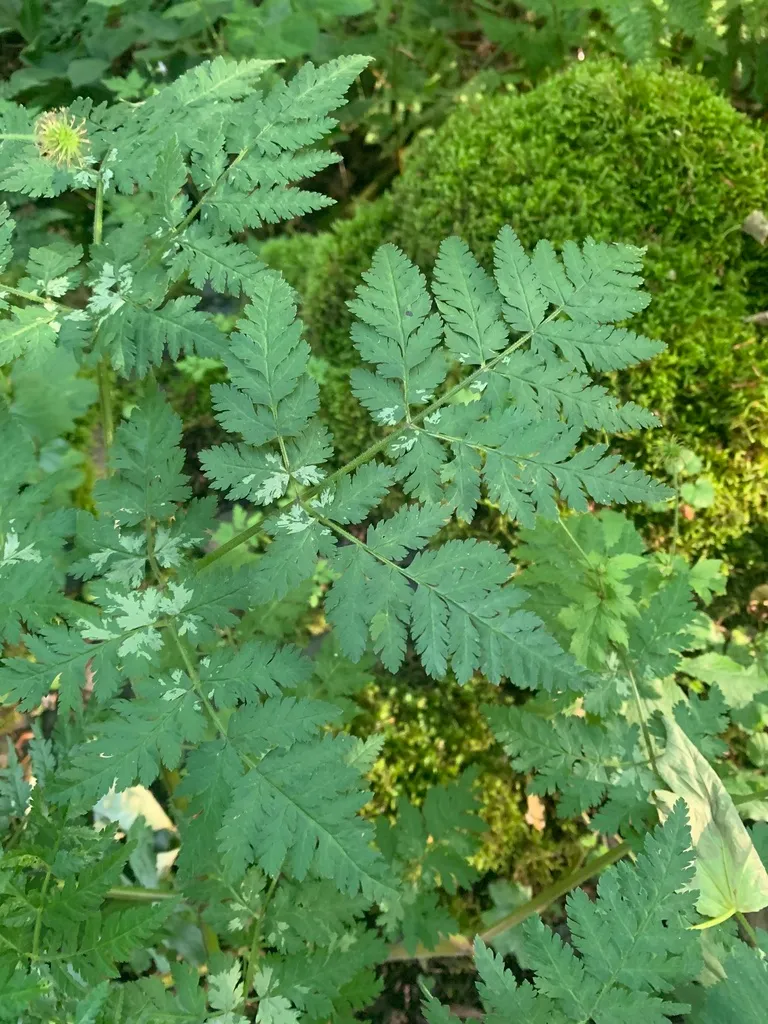
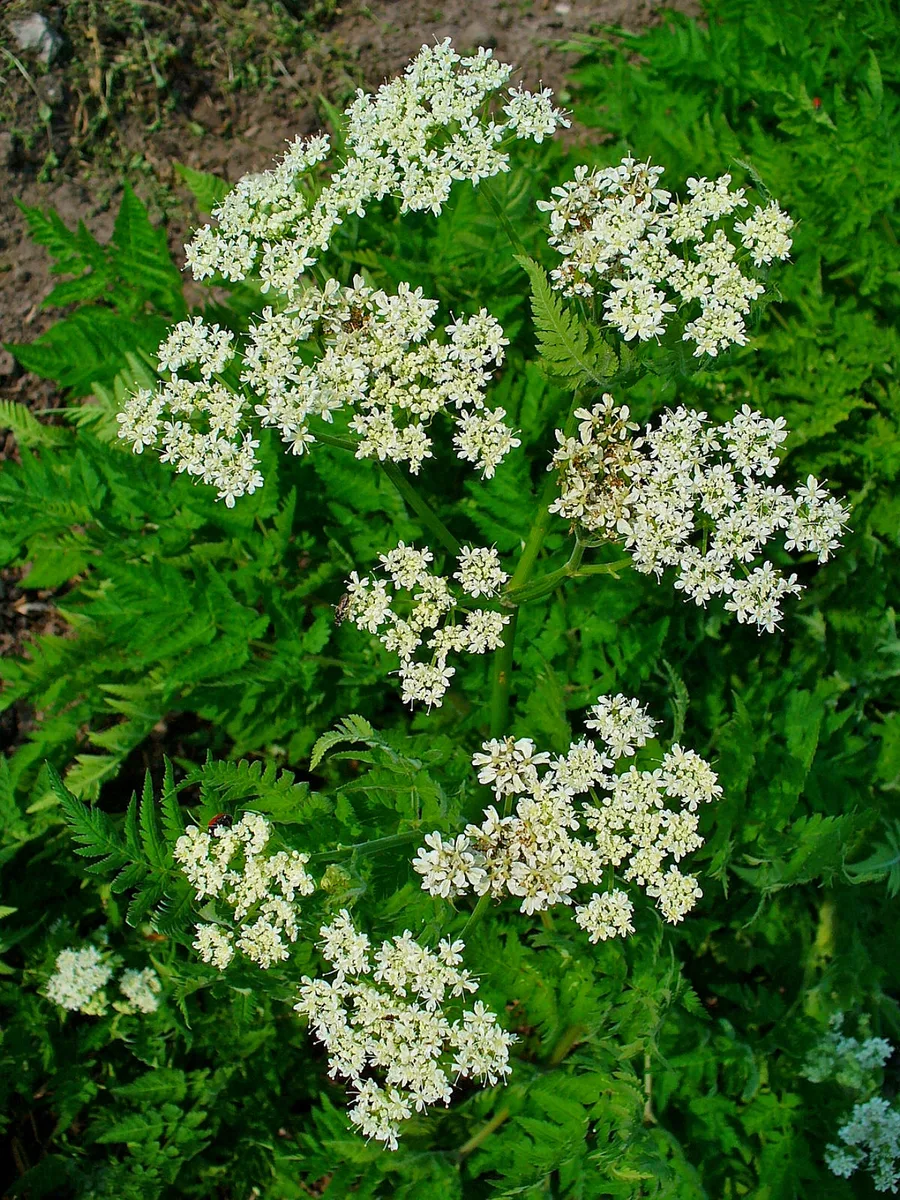
Distribution of sweet cicely
Distribution map
- Native
- Introduced
- Cultivated
Source:WCVP v16 · Royal Botanic Gardens, Kew · CC BY 3.0 · Boundaries:WGSRPD / TDWG
sweet cicely care guide
- Moderate regular watering, allowing brief slight drying between soakings
- Watering
- Partial shade
- Sunlight

Watering
Moderate regular watering, allowing brief slight drying between soakings
Fertilizing
 Fertilizing
Balanced perennial feed every four weeks from spring through summer
Pruning
 Pruning
Cut back after flowering
Propagation
 Propagation
Propagate by seed or by division in spring or autumn
Growing
 Growing
Grow in moderately fertile, moist but well-drained soil in dappled shade. When used as a culinary herb remove flower stalks as they develop to improve the quality of the leaves
Common pests and diseases
Diseases
Generally disease free
Pests
Generally pest-free
Explore the plant health library →




