
leopard plant
Also known as: spotted colt's foot
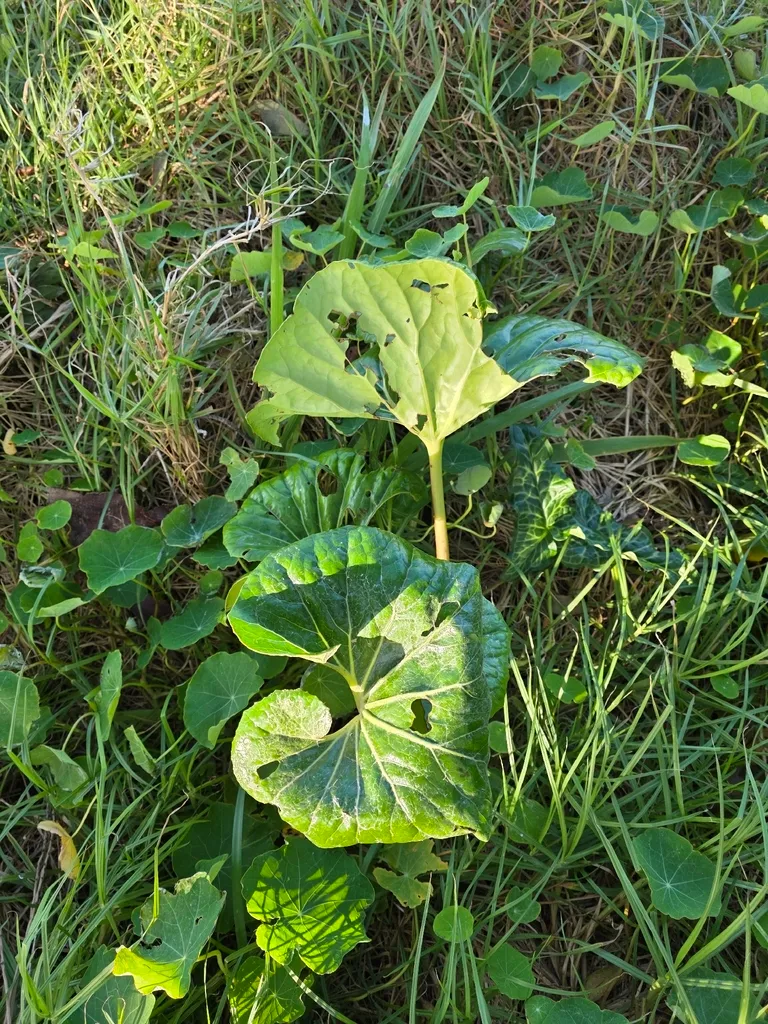
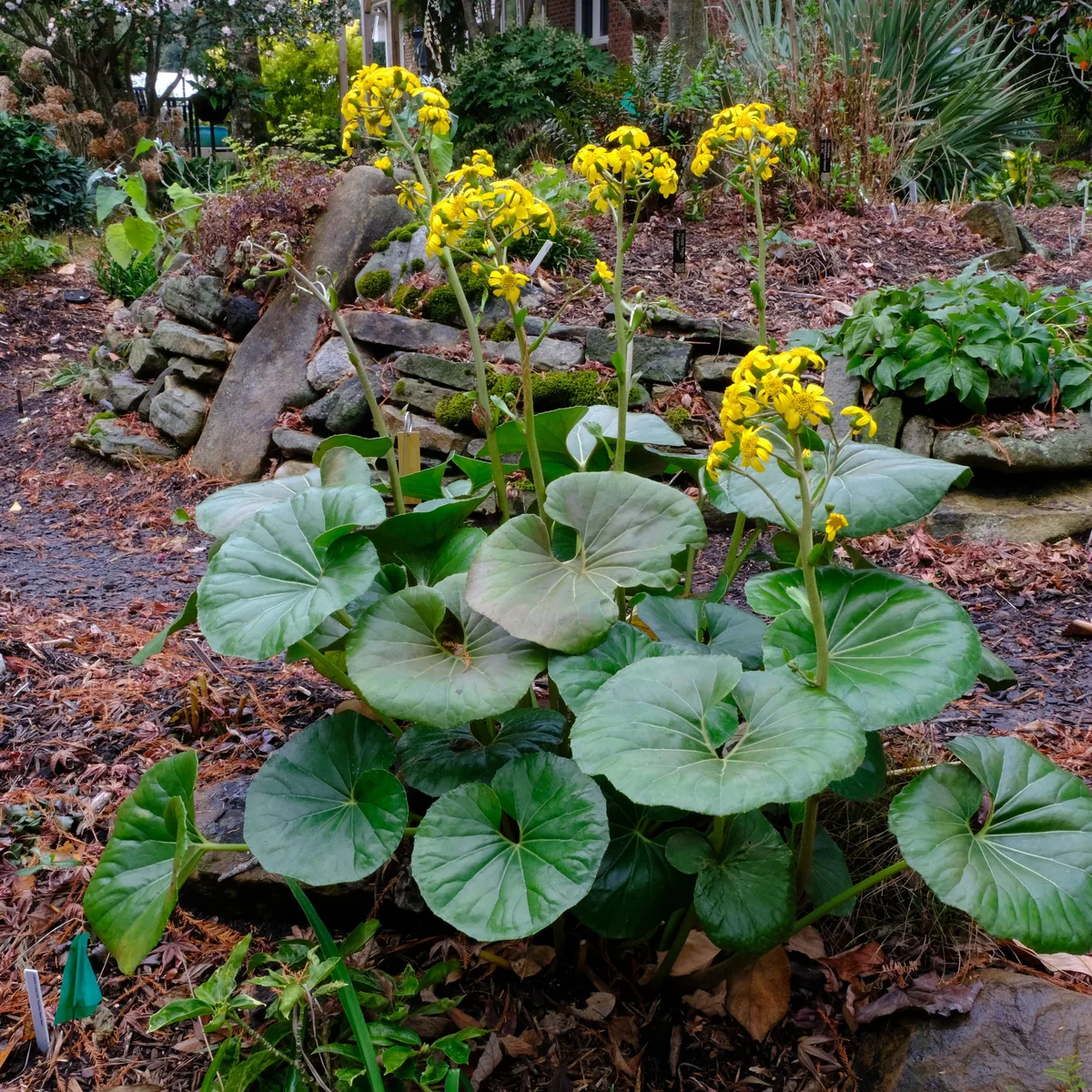
A slightly tender clump-forming evergreen perennial to 60cm in height, with large, slightly fleshy, glossy rich green, kidney-shaped leaves. Branched clusters of daisy-like bright yellow flowers 4cm across are borne in late autumn and early winter
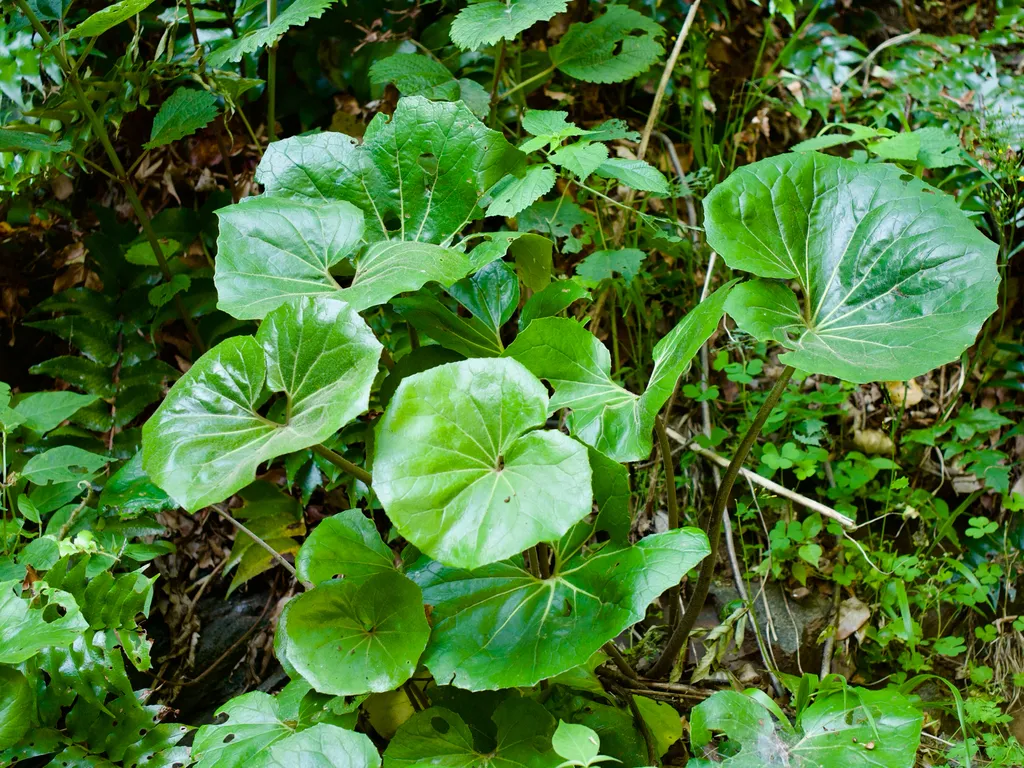
Scientific classification
- Species
- leopard plant (Farfugium japonicum)
- Genus
- Farfugium
- Family
- Asteraceae
- Order
- Asterales
- Class
- Magnoliopsida
- Phylum
- Tracheophyta
- Information to be completed
- Toxicity
- Herbaceous Perennial
- Plant type
- 0.5-1 metres
- Height
- 0.5-1 metres
- Spread
- Evergreen
- Foliage
- Clump forming
- Habit
- Spring · Summer · Autumn · Winter
- Season of interest
- Partial shade
- Sunlight
- Information to be completed
- Ideal temperature









leopard plant pictures
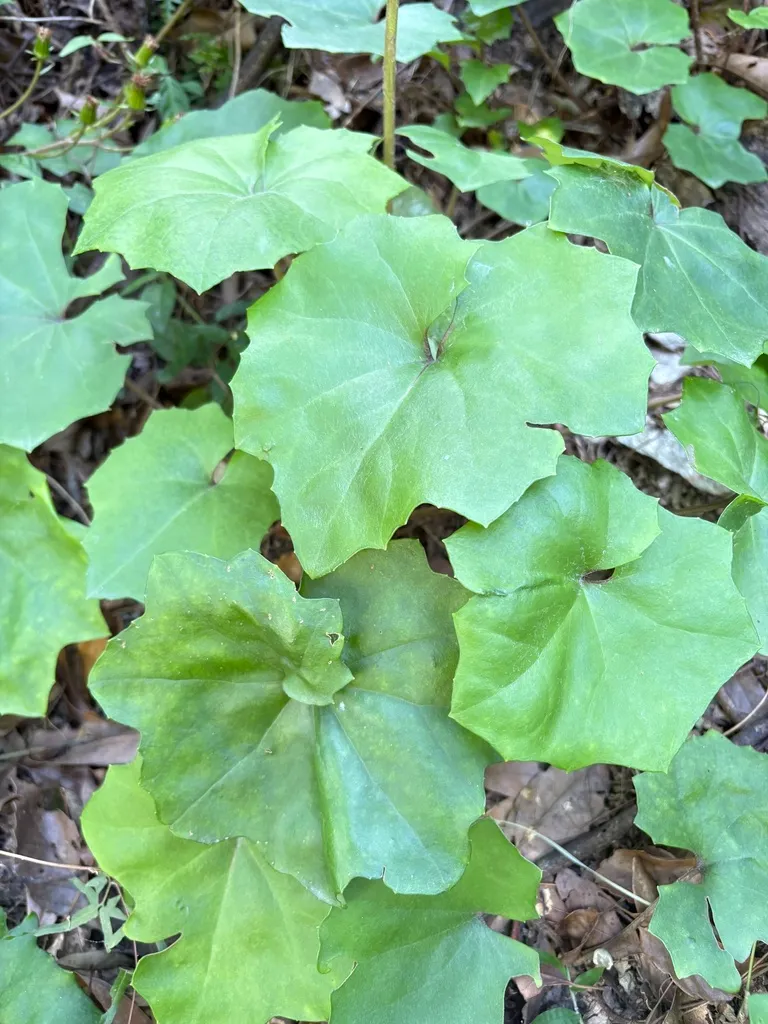
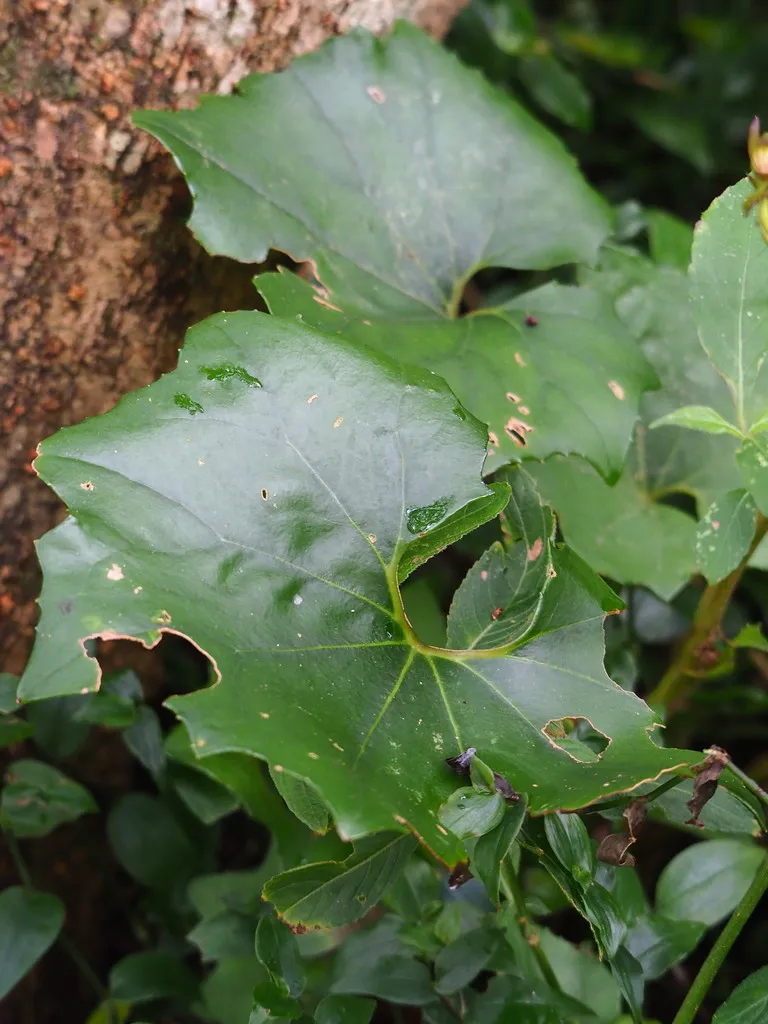
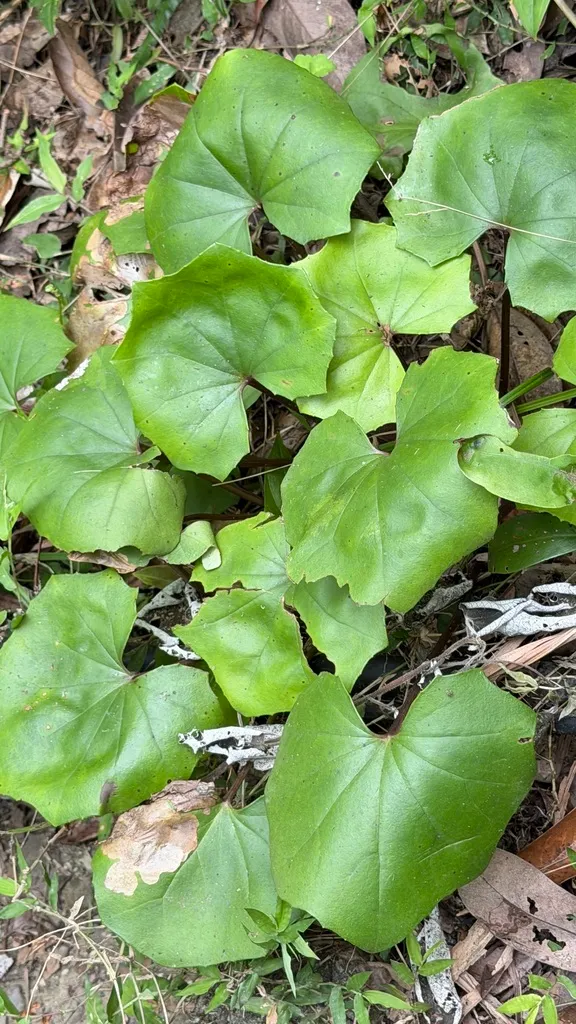
Distribution of leopard plant
Distribution map
- Native
- Introduced
- Cultivated
Source:WCVP v16 · Royal Botanic Gardens, Kew · CC BY 3.0 · Boundaries:WGSRPD / TDWG
leopard plant care guide
- Moderate regular watering, avoid prolonged drought or waterlogging
- Watering
- Partial shade
- Sunlight

Watering
Moderate regular watering, avoid prolonged drought or waterlogging
Fertilizing
 Fertilizing
Balanced feed in spring and light repeat in growth season
Pruning
 Pruning
No pruning required
Propagation
 Propagation
Propagate by seed sown in containers in a cold frame in winter or spring or by division in spring
Growing
 Growing
Grows well in most fertile soils but will require protection from cold, drying winds. In colder climes provide a deep winter mulch
Common pests and diseases
Diseases
Generally disease-free
Pests
May be susceptible to slugs and snails
Explore the plant health library →




