
Apache beads
Also known as: lizard tail; yerba mansa
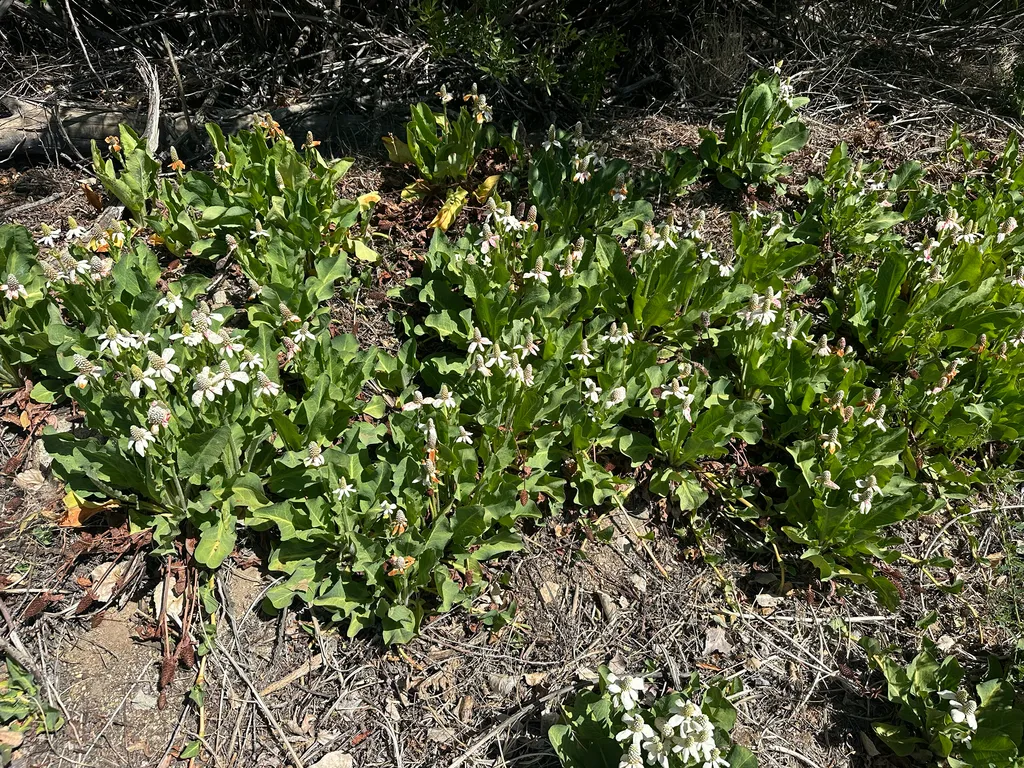
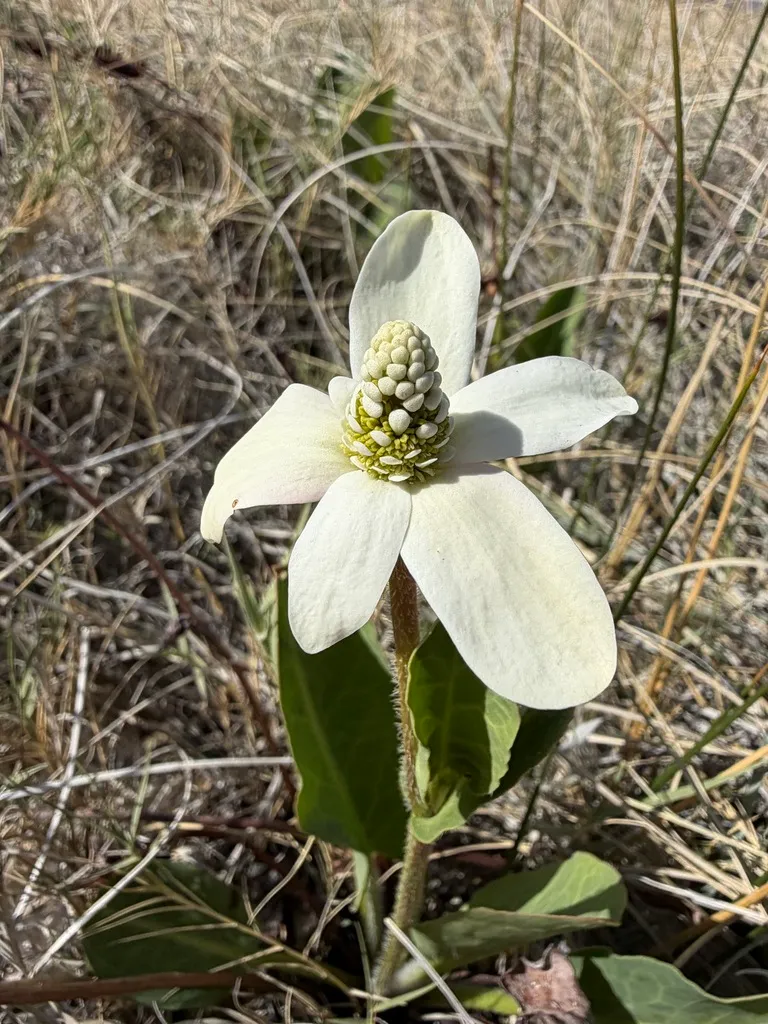
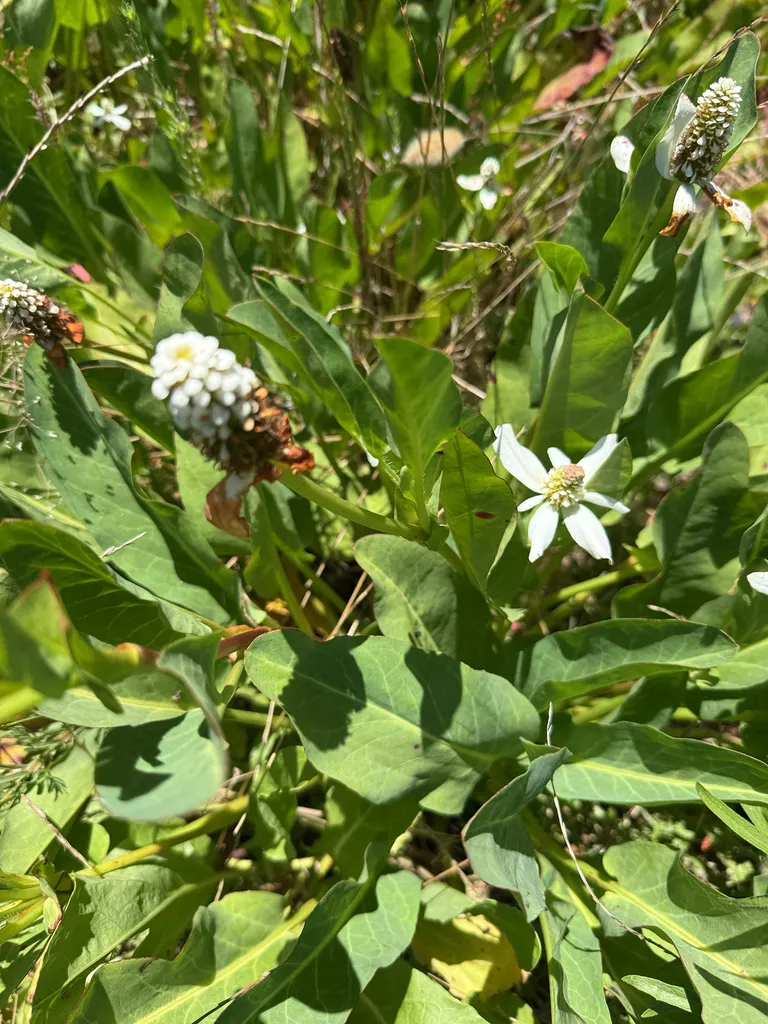
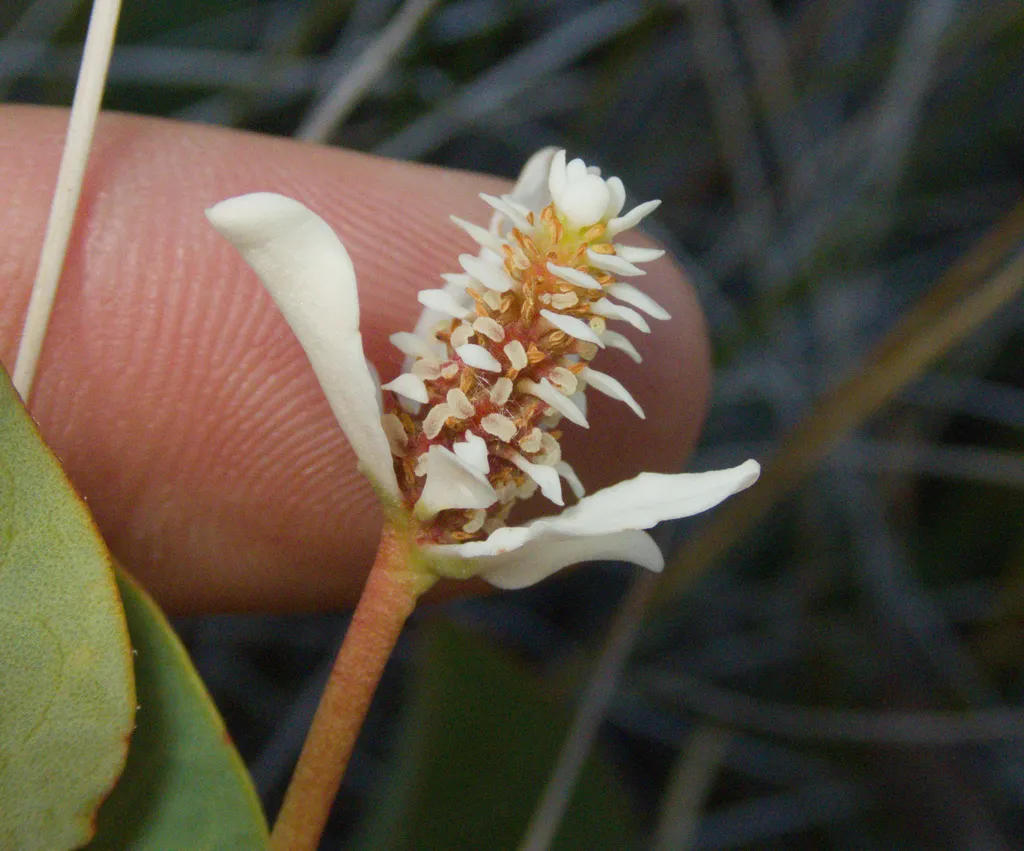
Has large, green or grey-green leaves up to 20cm long, and spreads slowly by producing runners. Tiny, scented, white, pale yellow or greenish flowers are clustered into a cone, with ring of conspicuous white bracts around the base. Red tints appear in cold snaps and the whole plant can turn red in autumn
Scientific classification
- Species
- Apache beads (Anemopsis californica)
- Genus
- Anemopsis
- Family
- Saururaceae
- Order
- Piperales
- Class
- Magnoliopsida
- Phylum
- Magnoliophyta
- Information to be completed
- Toxicity
- Bogs
- Plant type
- 0.1-0.5 metres
- Height
- 0.1-0.5 metres
- Spread
- Deciduous
- Foliage
- Bushy
- Habit
- Autumn · Spring · Summer
- Season of interest
- Full sun · Partial shade
- Sunlight
- Information to be completed
- Ideal temperature









Apache beads pictures
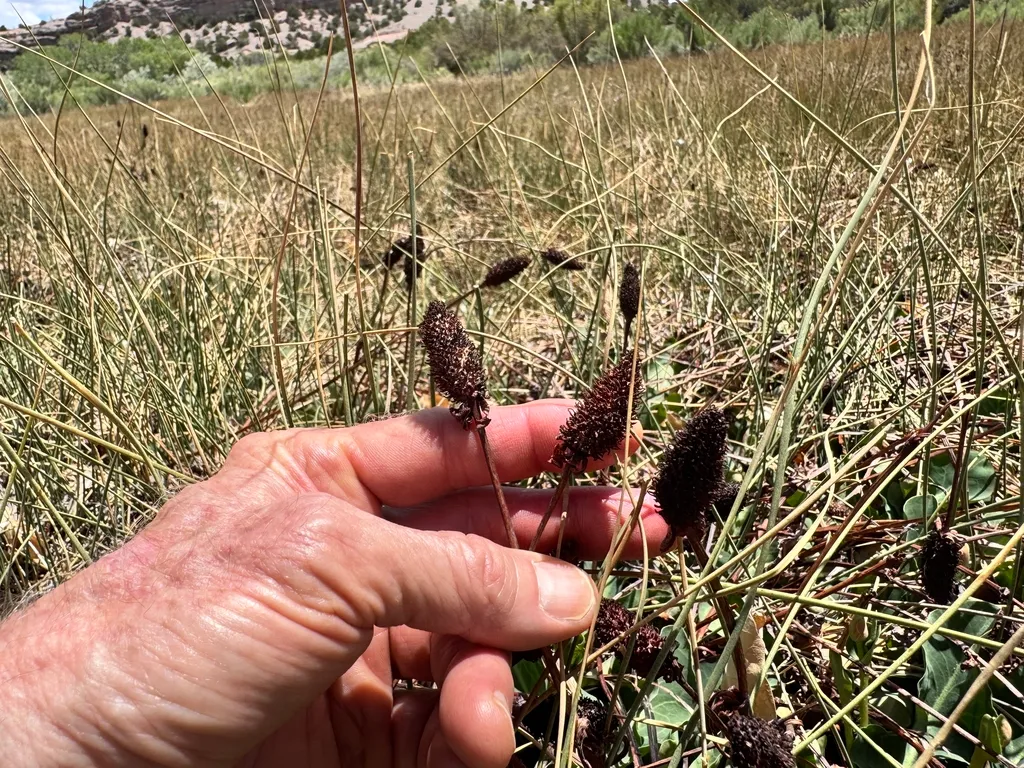
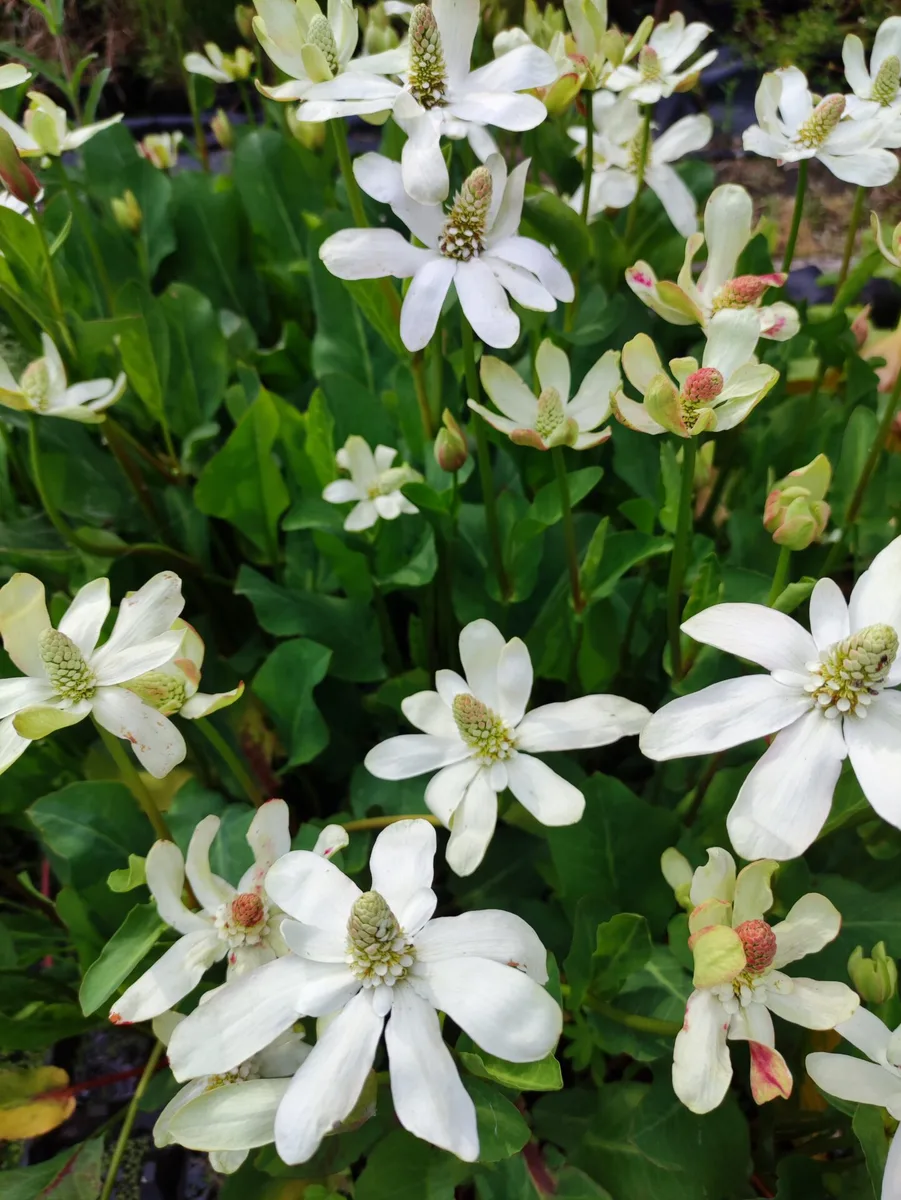
Distribution of Apache beads
Distribution map
- Native
- Introduced
- Cultivated
Source:WCVP v16 · Royal Botanic Gardens, Kew · CC BY 3.0 · Boundaries:WGSRPD / TDWG
Apache beads care guide
- Moderate regular watering, allowing brief slight drying between soakings
- Watering
- Full sun · Partial shade
- Sunlight

Watering
Moderate regular watering, allowing brief slight drying between soakings
Fertilizing
 Fertilizing
Balanced perennial feed every four weeks from spring through summer
Pruning
 Pruning
Remove dead leaves and spent flowers as necessary
Propagation
 Propagation
Propagate by seed, by division or by separating rooted runners
Growing
 Growing
Needs a permanently moist soil, and will tolerate up to 10cm of water over the crown. Happy in sun or semi-shade
Common pests and diseases
Diseases
Generally trouble free
Pests
Generally trouble free
Explore the plant health library →




