
heart-shaped leaved pincushion protea
Also known as: Information to be completed
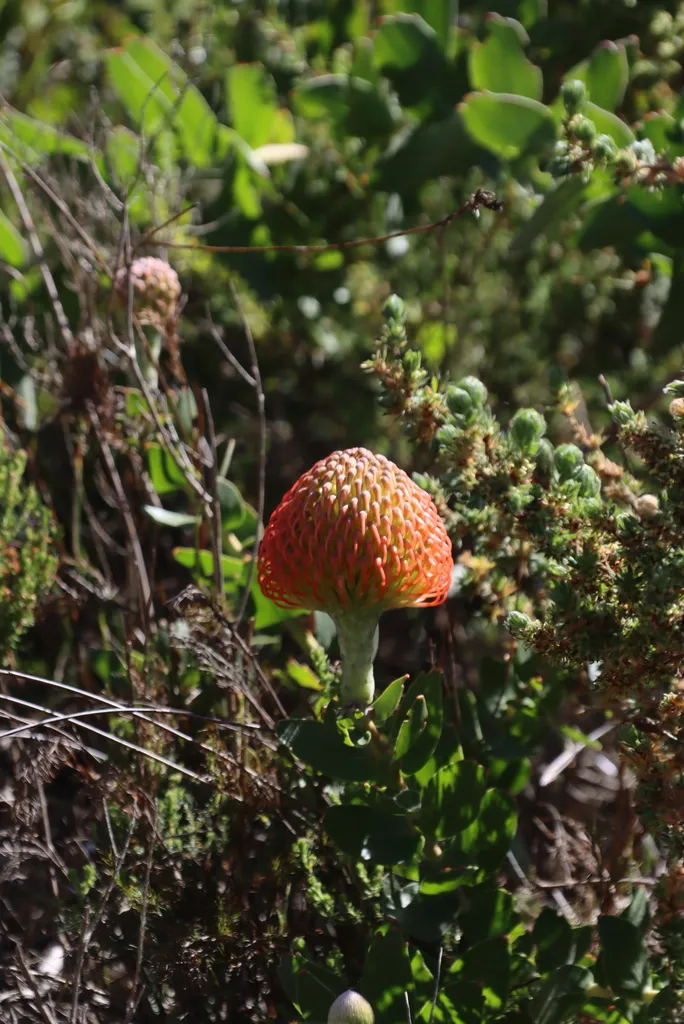
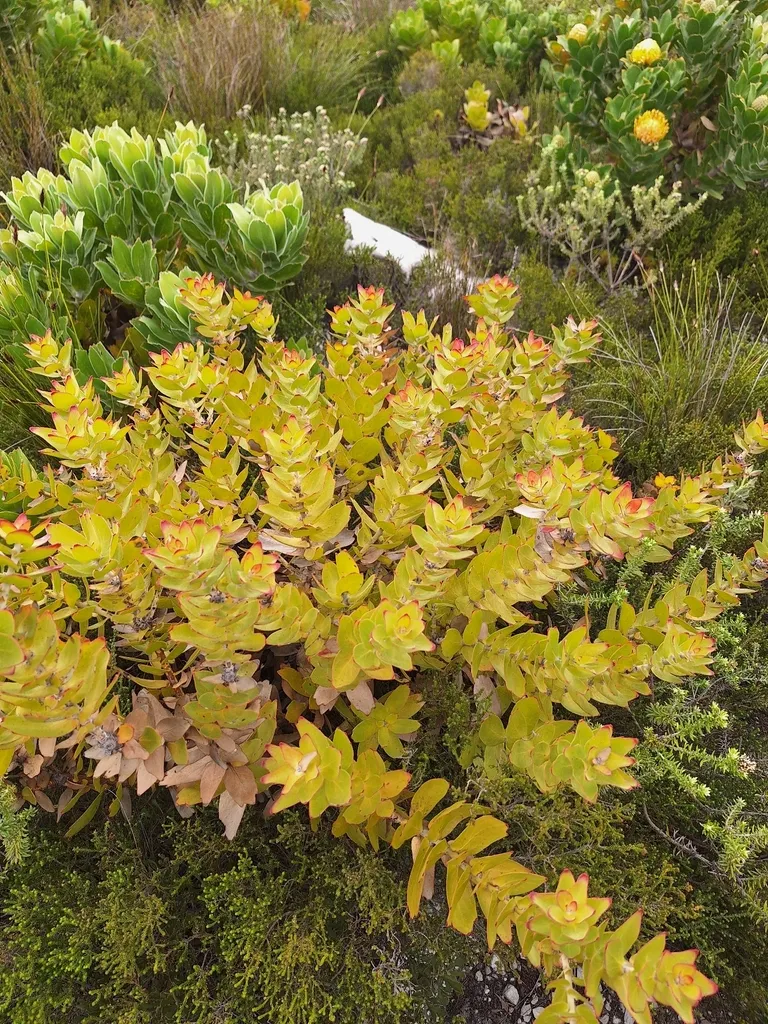
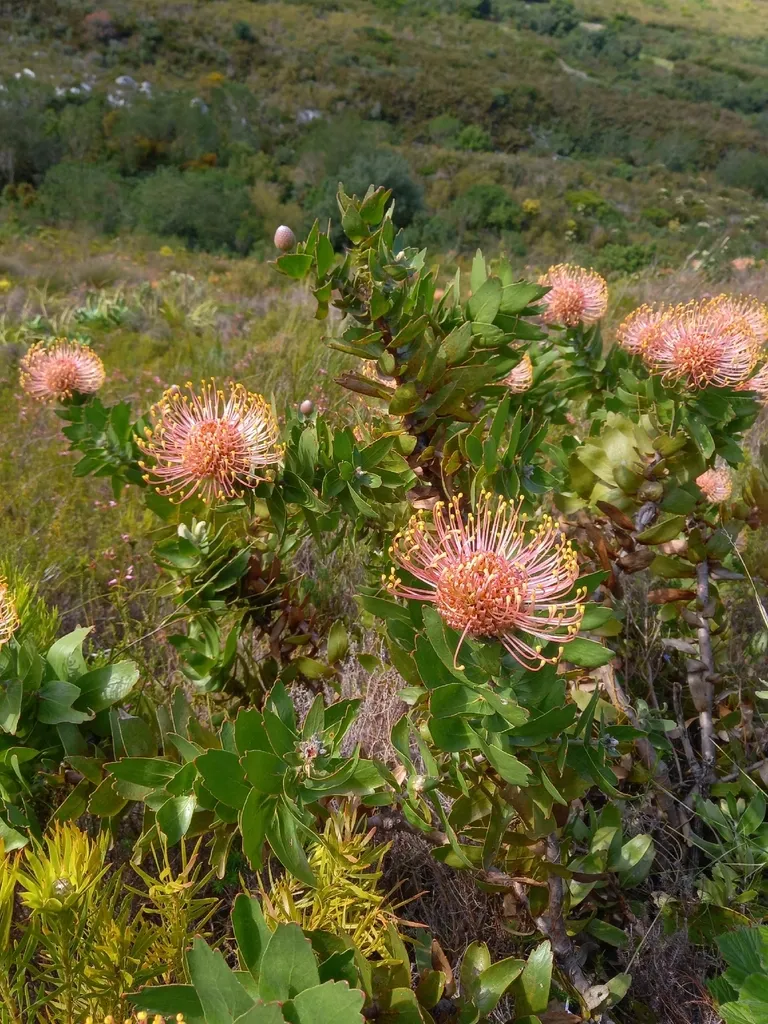
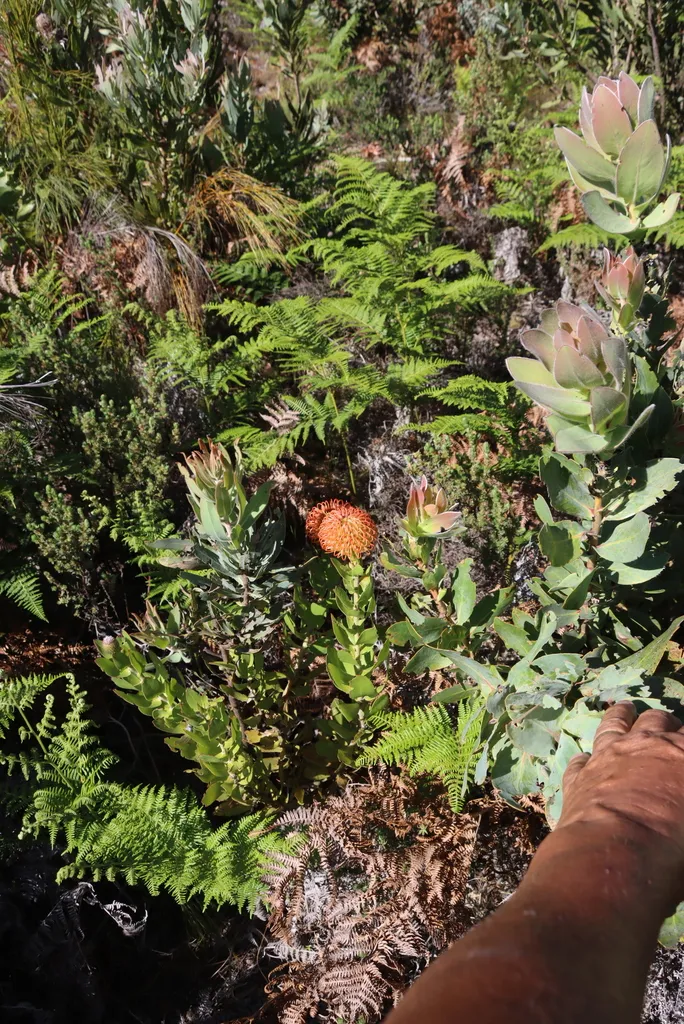
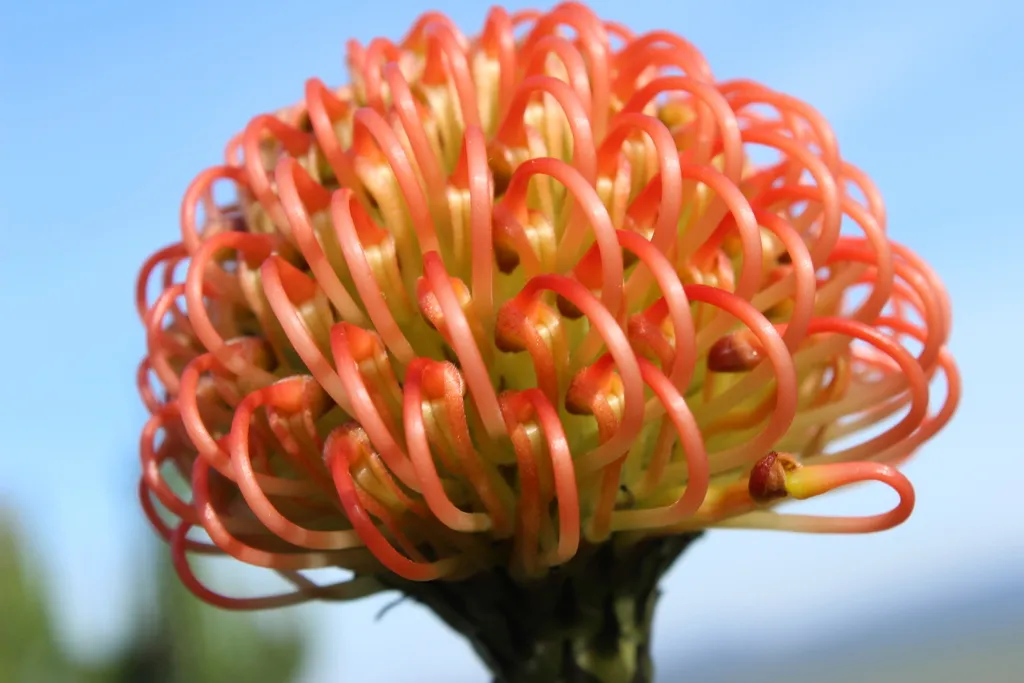
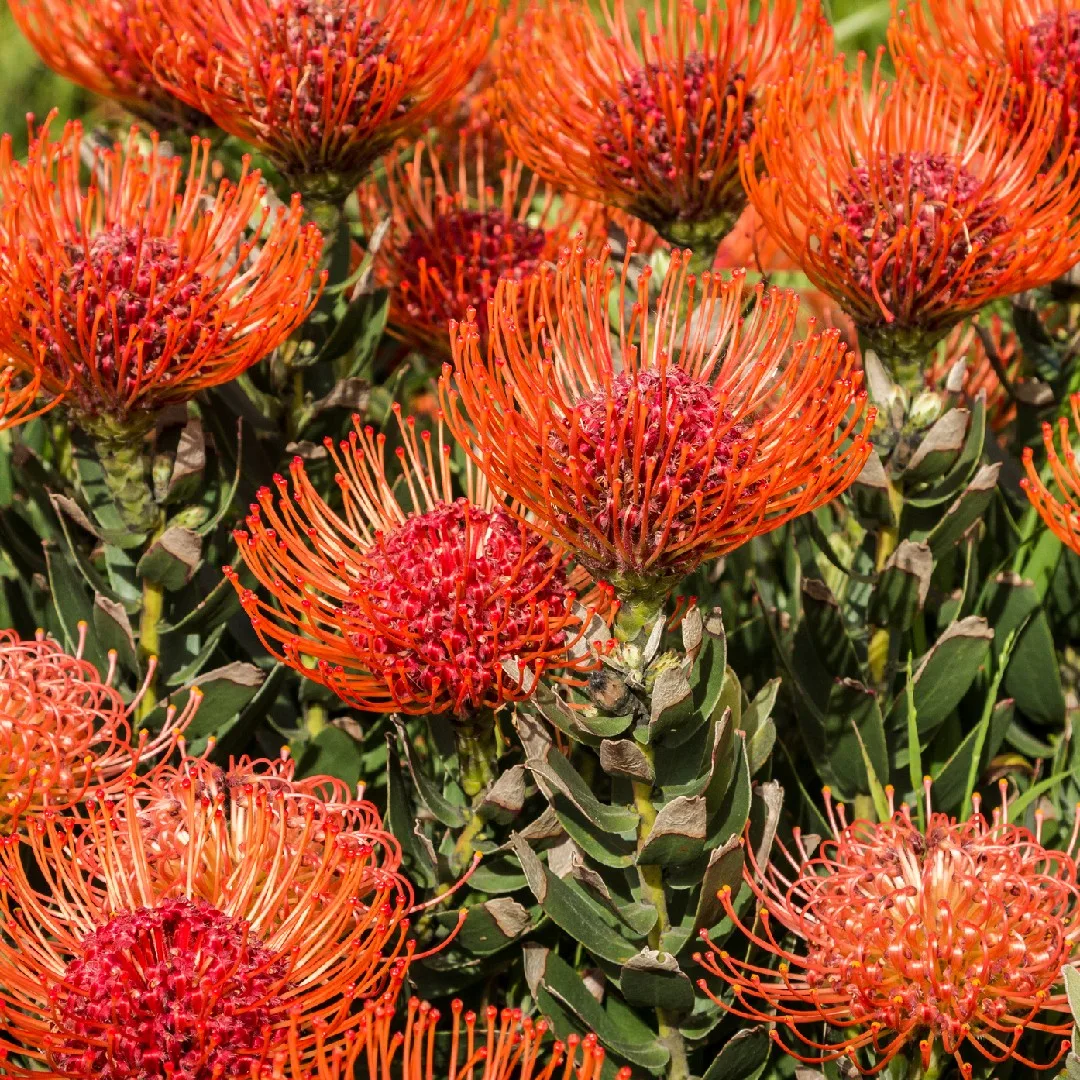
L. cordifolium is rounded, spreading, evergreen shrub with stalkless, leathery leaves to 8cm long. From early spring to mid-summer, horizontal or arching stems that bendupwards at the tips produce large, spherical flower heads up to 12cm across, comprising numerous orange, red or yellow styles
Scientific classification
- Species
- heart-shaped leaved pincushion protea (Leucospermum cordifolium)
- Genus
- Leucospermum
- Family
- Proteaceae
- Order
- Proteales
- Class
- Magnoliopsida
- Phylum
- Tracheophyta
- Information to be completed
- Toxicity
- Conservatory Greenhouse · Shrubs
- Plant type
- 1.5-2.5 metres
- Height
- 1.5-2.5 metres
- Spread
- Evergreen
- Foliage
- Bushy
- Habit
- Spring · Summer · Autumn · Winter
- Season of interest
- Full sun
- Sunlight
- Information to be completed
- Ideal temperature









heart-shaped leaved pincushion protea pictures
Distribution of heart-shaped leaved pincushion protea
Distribution map
- Native
- Introduced
- Cultivated
Source:WCVP v16 · Royal Botanic Gardens, Kew · CC BY 3.0 · Boundaries:WGSRPD / TDWG
heart-shaped leaved pincushion protea care guide
- Minimal watering cycles, wait full substrate dryness before each irrigation
- Watering
- Full sun
- Sunlight

Watering
Minimal watering cycles, wait full substrate dryness before each irrigation
Fertilizing
 Fertilizing
Very diluted low-phosphorus feed once monthly spring growth season
Pruning
 Pruning
Little pruning is needed. Remove diseased, damaged, crowded or crossing shoots and unwanted growth. Timing depends on the plant: generally late winter or early spring; plants prone to bleeding and deciduous magnolias need different timing, and deciduous azaleas and lilacs are pruned after flowering.
Propagation
 Propagation
Propagate by seed or semi-ripe cuttings
Growing
 Growing
Grow under glass in low-nutrient compost in full light. Water sparingly in winter, but do not allow to dry out. Die back and general failure to thrive usually indicates that the compost is too rich
Common pests and diseases
Diseases
Generally disease free
Pests
Glasshouse red spider mite may be a problem
Explore the plant health library →




