
perpetually flowering carnation 'Prado'
Also known as: Information to be completed
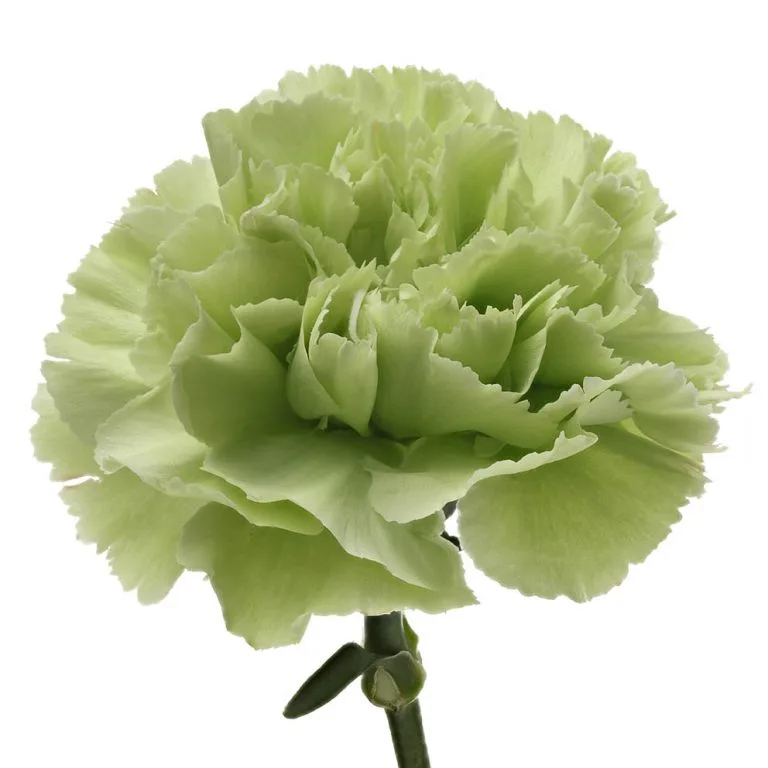
Prado' is a robust perennial with pale yellow, double flowers 10cm across, strongly clove-scented, produced throughout the year
Scientific classification
- Species
- perpetually flowering carnation 'Prado' (Dianthus 'Prado')
- Genus
- Dianthus
- Family
- Caryophyllaceae
- Skin allergen, wear gloves and other protective equipment when handling]
- Toxicity
- Conservatory Greenhouse · Herbaceous Perennial
- Plant type
- 0.5-1 metres
- Height
- 0.1-0.5 metres
- Spread
- Evergreen
- Foliage
- Bushy
- Habit
- Spring · Summer · Autumn · Winter
- Season of interest
- Full sun
- Sunlight
- Information to be completed
- Ideal temperature









perpetually flowering carnation 'Prado' pictures
Distribution of perpetually flowering carnation 'Prado'
Distribution map
Information to be completed
Information to be completed
Culture
Information to be completed
Toxicity
Skin allergen, wear gloves and other protective equipment when handling]
Quick identification of perpetually flowering carnation 'Prado'
Information to be completed
perpetually flowering carnation 'Prado' care guide
- Water moderately, allow top substrate partial drying before rewatering
- Watering
- Full sun
- Sunlight
- Information to be completed
- Ideal temperature

Watering
Water moderately, allow top substrate partial drying before rewatering
Fertilizing
 Fertilizing
Weak pinks flower feed every three weeks spring until late autumn frost
Pruning
 Pruning
Deadhead regularly to prolong flowering and promote a compact habit
Propagation
 Propagation
Propagate by softwood cuttings of non-flowering shoots in late winter
Growing
 Growing
Grow under glass at 7 to 10°C in a loam-based potting compost in bright filtered light with good ventilation. In winter provide low humidity and full light. When in growth water moderately and apply a balanced liquid fertiliser every 10 days
People also ask
Information to be completed
Common pests and diseases
Diseases
May be susceptible to powdery mildews, a rust, a virus and fusarium wilt
Pests
May be susceptible to slugs and aphids
Explore the plant health library →




