
melon spurge
Also known as: Information to be completed
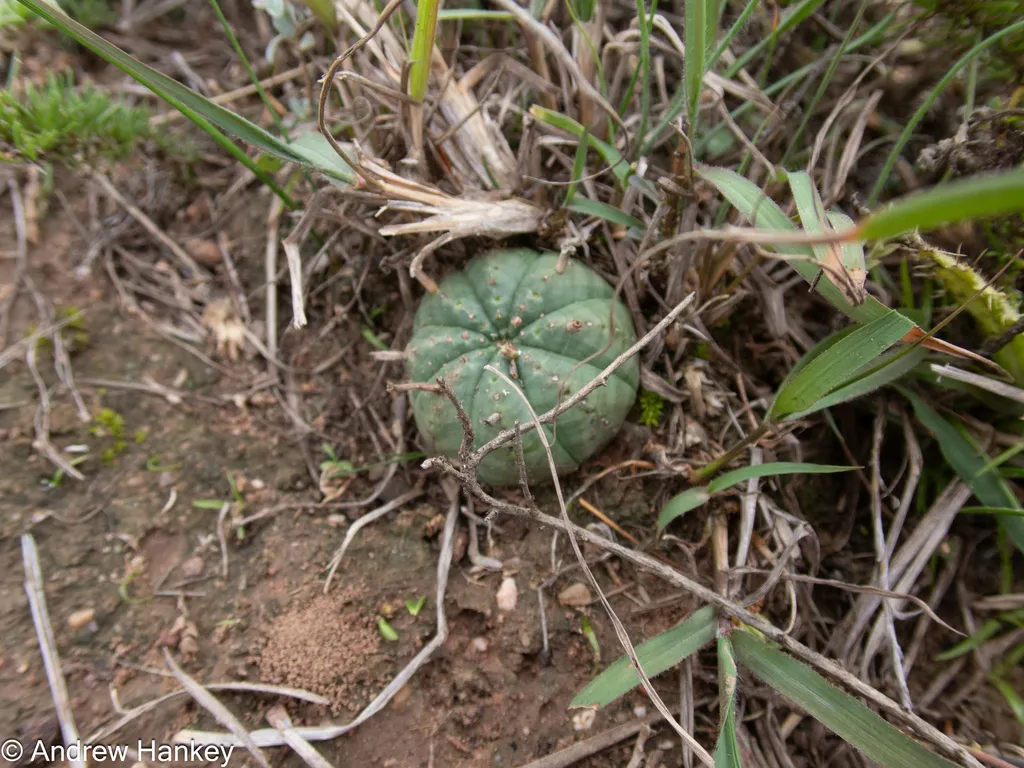
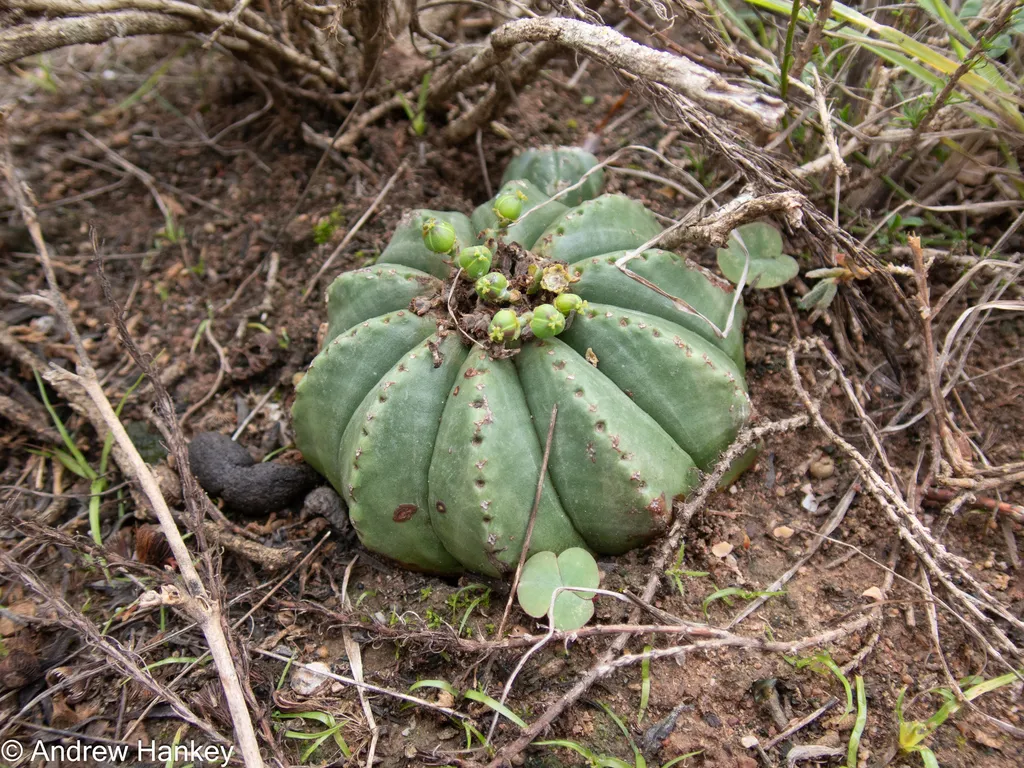
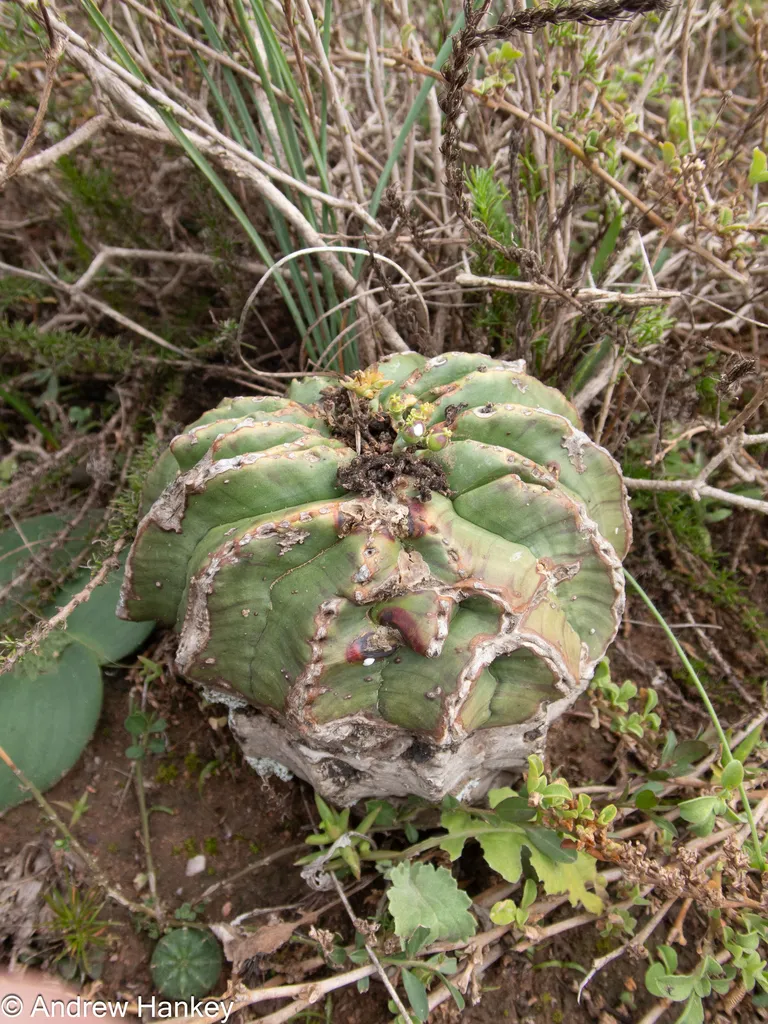
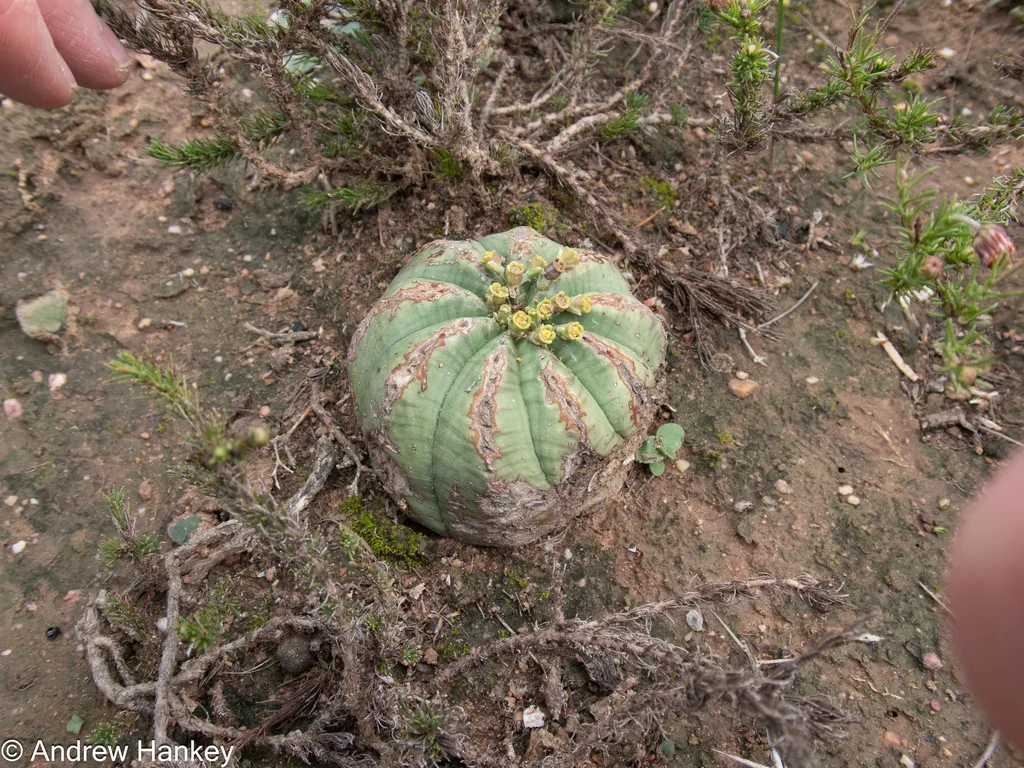
A tender, clump-forming, slow-growing succulent producing roughly spherical, leafless and spineless stems to 12.5cm (5in) in diameter with 8-12 vertical, angled ribs, variably marked with narrow, horizontal bands of green and purple-bronze. In spring and summer, greenish-yellow flowers emerge from the ribs near the top of the plant on stems which dry and remain persistent after flowering is over. Older plants can produce offsets from around their base.
Scientific classification
- Species
- melon spurge (Euphorbia meloformis)
- Genus
- Euphorbia
- Family
- Euphorbiaceae
- Order
- Malpighiales
- Class
- Magnoliopsida
- Phylum
- Magnoliophyta
- IRRITANT to skin/eye, harmful if eaten. Wear gloves and other protective equipment when handling]
- Toxicity
- Cactus Succulent
- Plant type
- 0.1-0.5 metres
- Height
- 0.1-0.5 metres
- Spread
- Evergreen
- Foliage
- Clump forming
- Habit
- Spring · Summer · Autumn · Winter
- Season of interest
- Full sun · Partial shade
- Sunlight
- Information to be completed
- Ideal temperature









melon spurge pictures
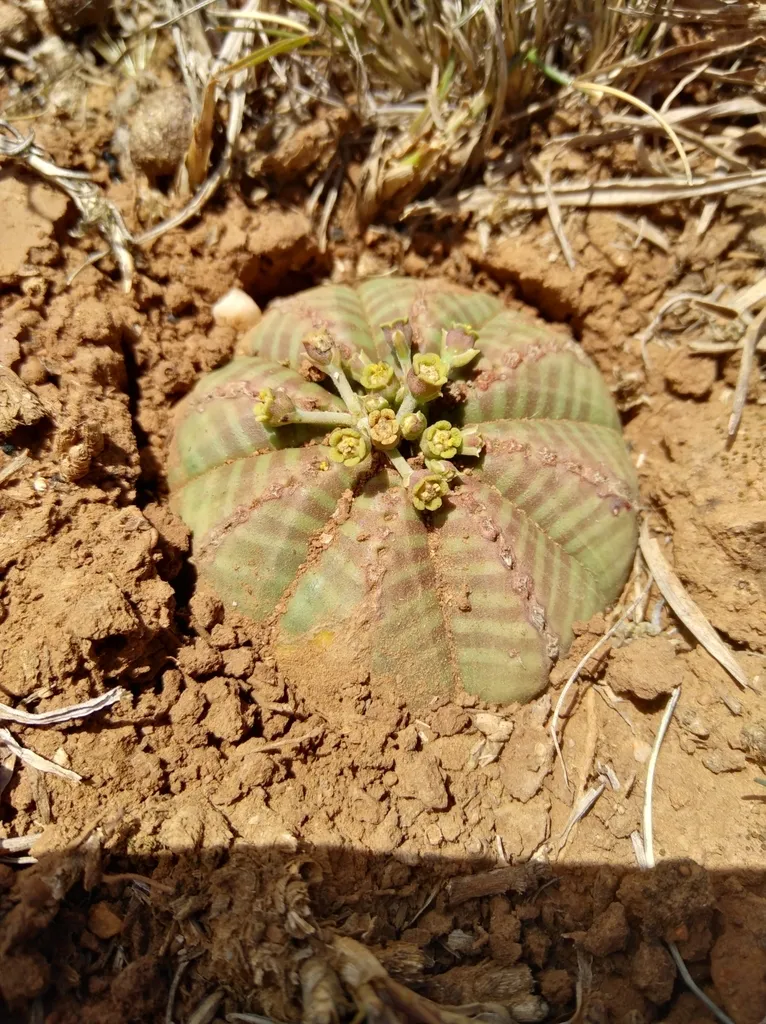
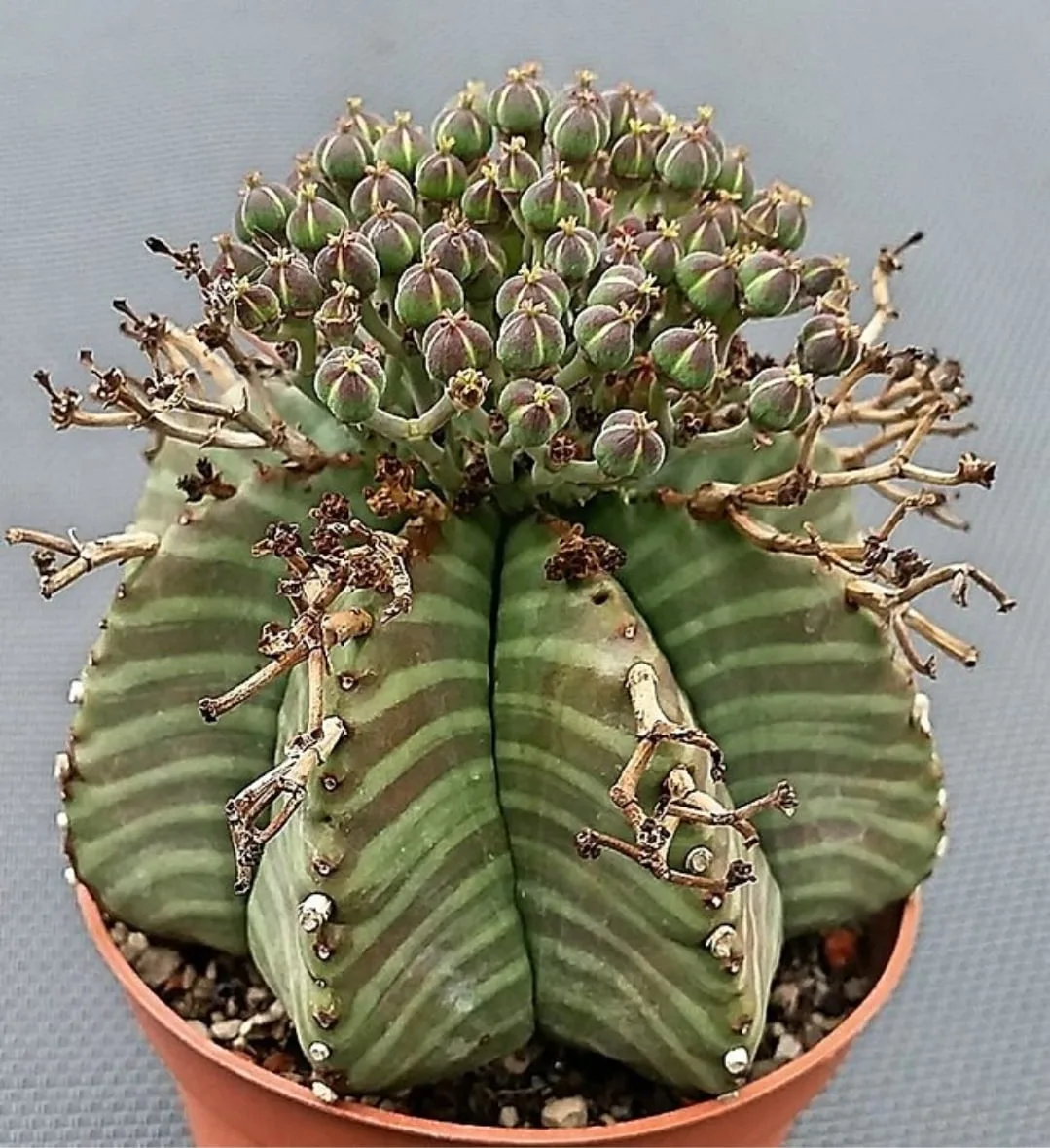
Distribution of melon spurge
Distribution map
- Native
- Introduced
- Cultivated
Source:WCVP v16 · Royal Botanic Gardens, Kew · CC BY 3.0 · Boundaries:WGSRPD / TDWG
Toxicity
IRRITANT to skin/eye, harmful if eaten. Wear gloves and other protective equipment when handling]
melon spurge care guide
- Moderate regular watering, avoid prolonged drought and stagnant waterlogging
- Watering
- Full sun · Partial shade
- Sunlight

Watering
Moderate regular watering, avoid prolonged drought and stagnant waterlogging
Fertilizing
 Fertilizing
Balanced perennial feed every four weeks spring through summer growth
Pruning
 Pruning
No pruning required
Propagation
 Propagation
Propagate by seed, or from offsets
Growing
 Growing
Grows best in well-drained soil, in full sun. to partial shade. See Euphorbia for further advice
Common pests and diseases
Diseases
Generally disease-free
Pests
May be susceptible to mealybugs
Explore the plant health library →




