
Zimmermann's pasqueflower
Also known as: Information to be completed
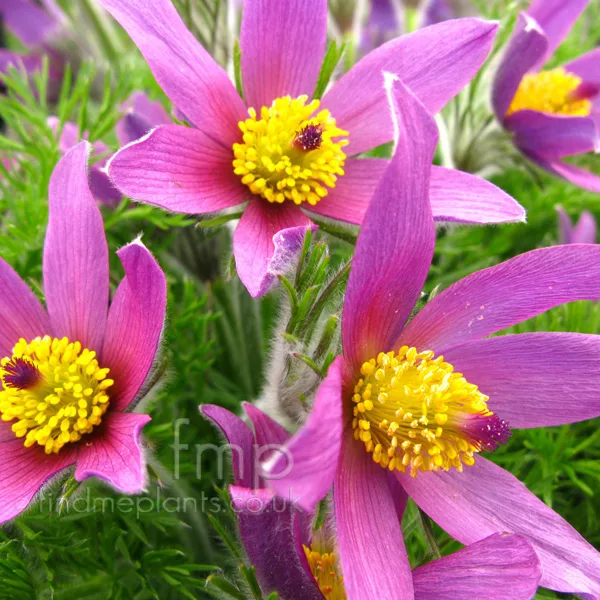
P. zimmermannii is a herbaceous perennial up to 30cm high with green feathery leaves. In spring, pendulous, bell-shaped, dark violet-purple flowers, up to 3cm long, with yellow stamens and purple stigmas appear surounded by feathery bracts 5-10cm long; stems, leaves, bracts and the backs of the petals are covered in fine silvery hairs
Scientific classification
- Species
- Zimmermann's pasqueflower (Pulsatilla zimmermannii)
- Genus
- Pulsatilla
- Family
- Ranunculaceae
- Order
- Ranunculales
- Class
- Magnoliopsida
- Phylum
- Magnoliophyta
- Information to be completed
- Toxicity
- Alpine Rockery
- Plant type
- 0.1-0.5 metres
- Height
- 0.1-0.5 metres
- Spread
- Deciduous
- Foliage
- Clump forming
- Habit
- Spring · Summer · Autumn
- Season of interest
- Full sun
- Sunlight
- Information to be completed
- Ideal temperature









Zimmermann's pasqueflower pictures
Distribution of Zimmermann's pasqueflower
Distribution map
- Native
- Introduced
- Cultivated
Source:WCVP v16 · Royal Botanic Gardens, Kew · CC BY 3.0 · Boundaries:WGSRPD / TDWG
Zimmermann's pasqueflower care guide
- Moderate regular watering, allowing brief slight drying between soakings
- Watering
- Full sun
- Sunlight

Watering
Moderate regular watering, allowing brief slight drying between soakings
Fertilizing
 Fertilizing
Balanced perennial feed every four weeks from spring through summer
Pruning
 Pruning
No pruning required
Propagation
 Propagation
Propagate by seed, sown as soon as it is ripe in containers in an open frame, or by root cuttings in winter
Growing
 Growing
Plant when small in an alpine house, in a mix of equal parts loam-based potting compost, such as John Innes No. 1, and grit, or outside in humus-rich, gritty, very well-drained soil in full sun, and leave undisturbed
Common pests and diseases
Diseases
Generally disease-free
Pests
Generally pest-free but young growth may be affected by slugs and snails
Explore the plant health library →




