
beaked yucca
Also known as: Information to be completed
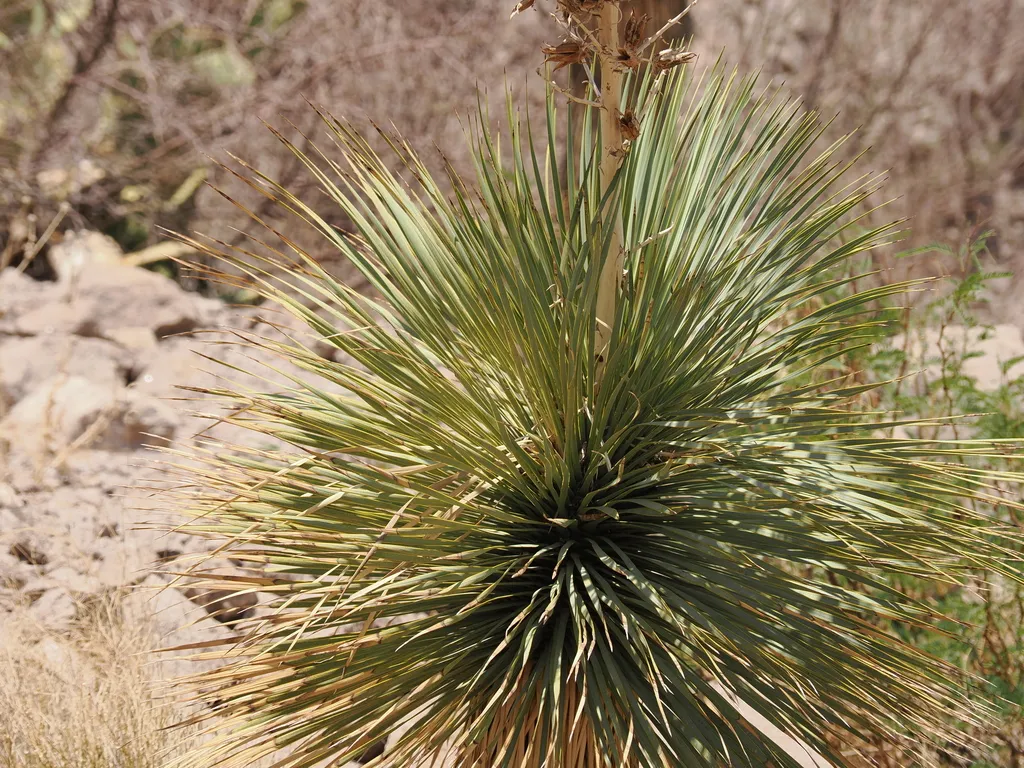
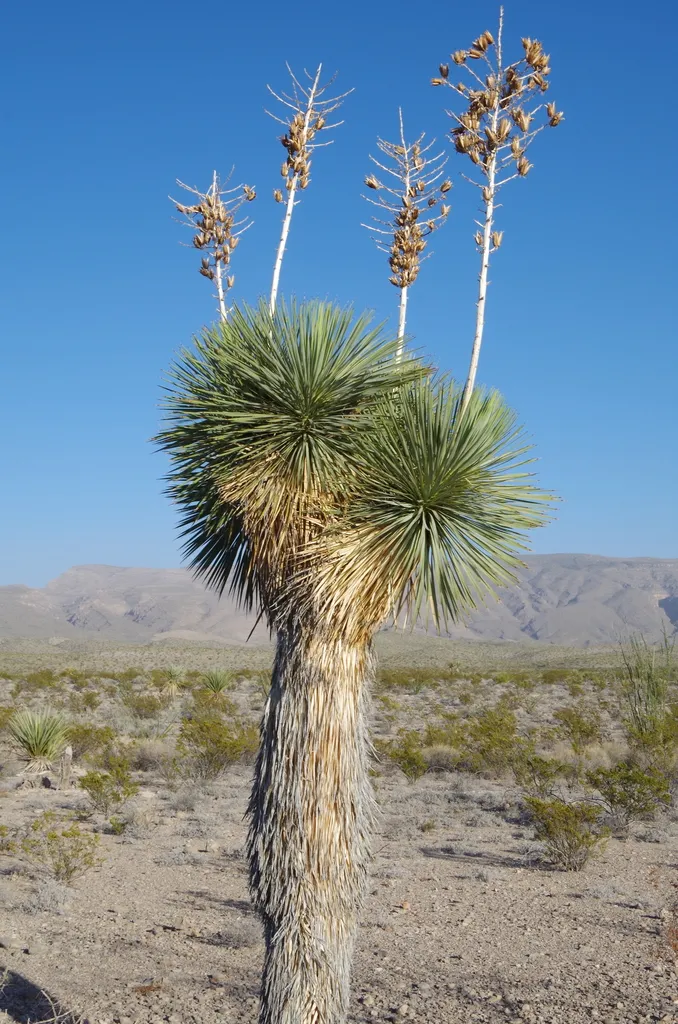
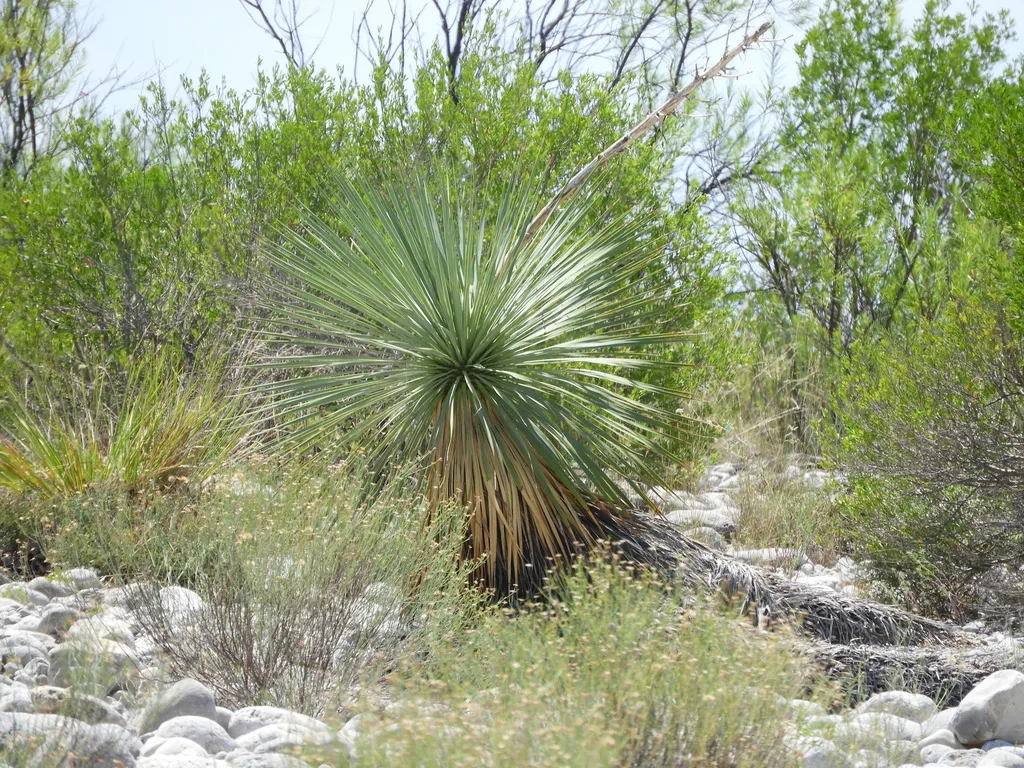
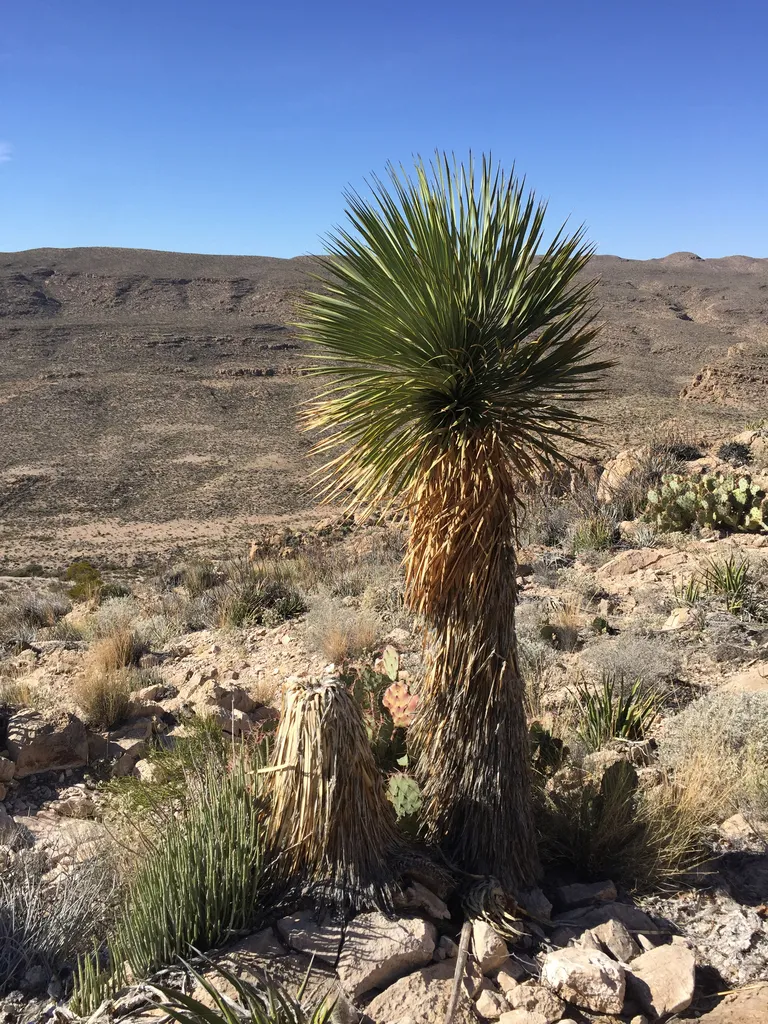
a tree yucca up to around 3.5m high, with one or more woody stems, and a sphere of narrow, smooth, spine-tipped, blue-green leaves; they are 60-90cm long but only 1.3-2.5cm wide, and are rigid near the stem but flexible after the widest point, so that they move in even a slight breeze. The flowering stalk is up to 1.5m long with white flowers in summer or autumn
Scientific classification
- Species
- beaked yucca (Yucca rostrata)
- Genus
- Yucca
- Family
- Asparagaceae
- Skin allergen. Wear gloves and other protective equipment when handling
- Toxicity
- Trees
- Plant type
- 2.5-4 metres
- Height
- 1.5-2.5 metres
- Spread
- Evergreen
- Foliage
- Columnar upright
- Habit
- Spring · Summer · Autumn · Winter
- Season of interest
- Full sun
- Sunlight
- Information to be completed
- Ideal temperature









beaked yucca pictures
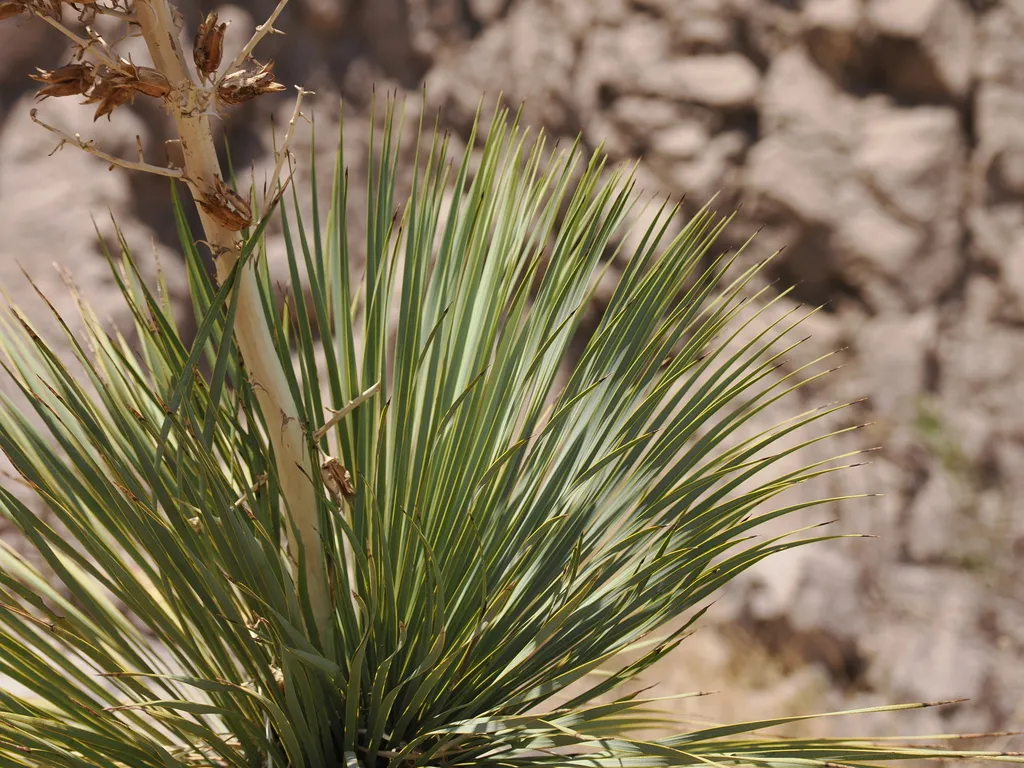
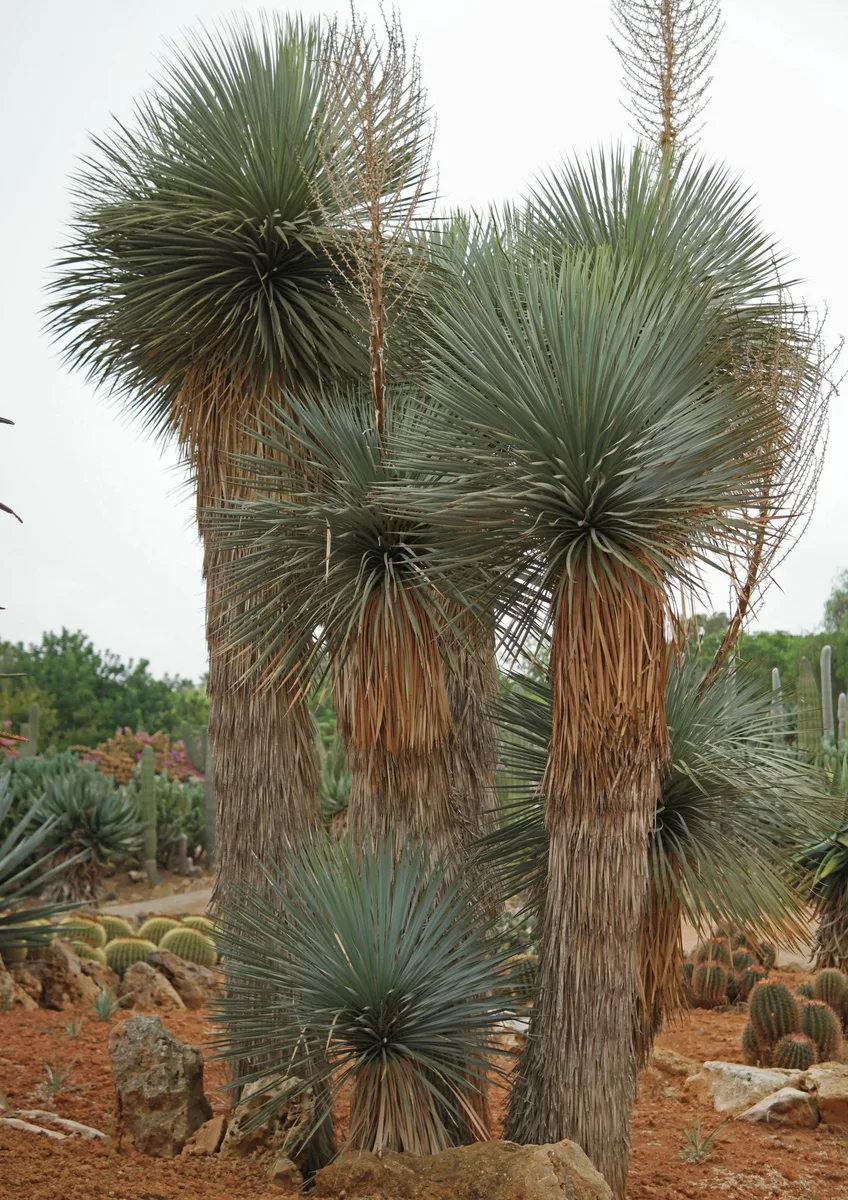
Distribution of beaked yucca
Distribution map
- Native
- Introduced
- Cultivated
Source:WCVP v16 · Royal Botanic Gardens, Kew · CC BY 3.0 · Boundaries:WGSRPD / TDWG
Culture
Information to be completed
Toxicity
Skin allergen. Wear gloves and other protective equipment when handling
Quick identification of beaked yucca
Information to be completed
beaked yucca care guide
- Moderate regular watering, avoid prolonged drought or waterlogging
- Watering
- Full sun
- Sunlight
- Information to be completed
- Ideal temperature

Watering
Moderate regular watering, avoid prolonged drought or waterlogging
Fertilizing
 Fertilizing
Balanced feed in spring and light repeat in growth season
Pruning
 Pruning
No pruning required
Propagation
 Propagation
Propagate by seed, sown at 15-18°C, which may take eight weeks or more to germinate, or propagate by root cuttings in winter
Growing
 Growing
Grow in full sun with shelter from cold drying winds and in well-drained soil - it will grow well in open, rich loamy soil but tolerates poorer, sandier soil, and may withstand cold better when grown in poorer soil
People also ask
Information to be completed
Common pests and diseases
Diseases
May be susceptible to leaf spot
Pests
May be susceptible to aphids on flower spikes and snails
Explore the plant health library →




