
rose 'Noble Antony'
Also known as: Information to be completed
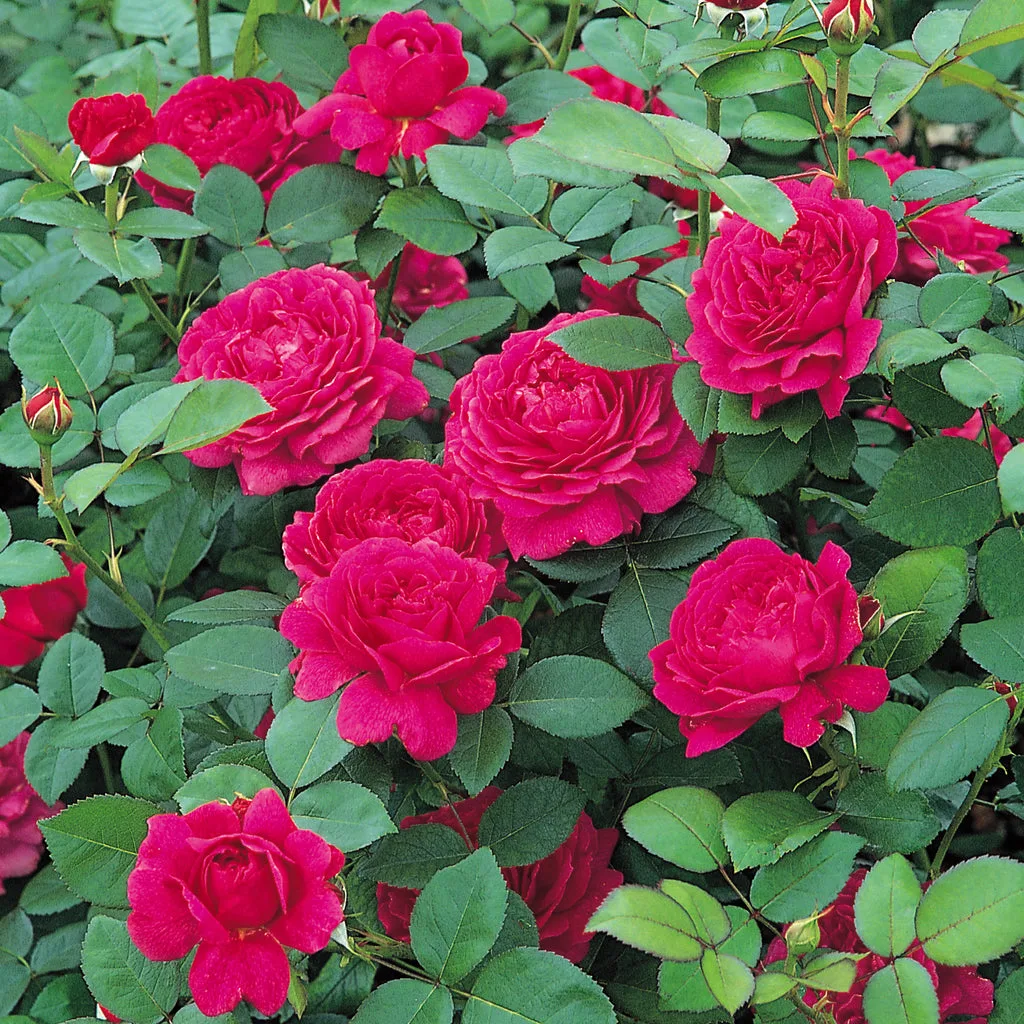
A compact shrub rose up to 1m high with dark green leaves and semi-double, domed, deep purplish pink flowers with a very strong old-rose scent, the outer petals recurved, and repeat flowering from summer to autumn
Scientific classification
- Species
- rose 'Noble Antony' (Rosa Noble Antony ('Ausway'))
- Genus
- Rosa
- Family
- Rosaceae
- Order
- Rosales
- Class
- Magnoliopsida
- Phylum
- Magnoliophyta
- Fruit are ornamental - not to be eaten. Wear gloves and other protective equipment when handling
- Toxicity
- Roses
- Plant type
- 0.5-1 metres
- Height
- 0.5-1 metres
- Spread
- Deciduous
- Foliage
- Bushy
- Habit
- Spring · Summer · Autumn
- Season of interest
- Full sun
- Sunlight
- Information to be completed
- Ideal temperature









rose 'Noble Antony' pictures
Toxicity
Fruit are ornamental - not to be eaten. Wear gloves and other protective equipment when handling
rose 'Noble Antony' care guide
- Deep watering, allow slight surface drying between waterings
- Watering
- Full sun
- Sunlight

Watering
Deep watering, allow slight surface drying between waterings
Fertilizing
 Fertilizing
Rose feed in spring and after each major flush
Pruning
 Pruning
Keep single-flowering shrub roses lightly pruned, removing dead, diseased, crossing and weak growth. Thin a few old unproductive stems if crowded. Prune in late summer after flowering.
Propagation
 Propagation
Propagate by hardwood cuttings in autumn, by softwood cuttings under glass in spring and summer, or by T-budding in summer; propagation for resale is prohibited without a licence
Growing
 Growing
Grow in full sun in moderately fertile, humus-rich, moist but well-drained soil, and dead-head to encourage repeat flowering; for more advice, see rose cultivation
Common pests and diseases
Diseases
May be susceptible to rose black spot, rose rust, replant disease, rose dieback, and rose powdery mildews. May also be susceptible to disorders rose blindness and flower balling and sometimes honey fungus
Pests
May be susceptible to aphids, leafhoppers, glasshouse red spider mite, scale insects, caterpillars and rose leaf-rolling sawfly. Deer and rabbits can cause damage
Explore the plant health library →




