
Thomson's lily
Also known as: rosy Himalayan lily
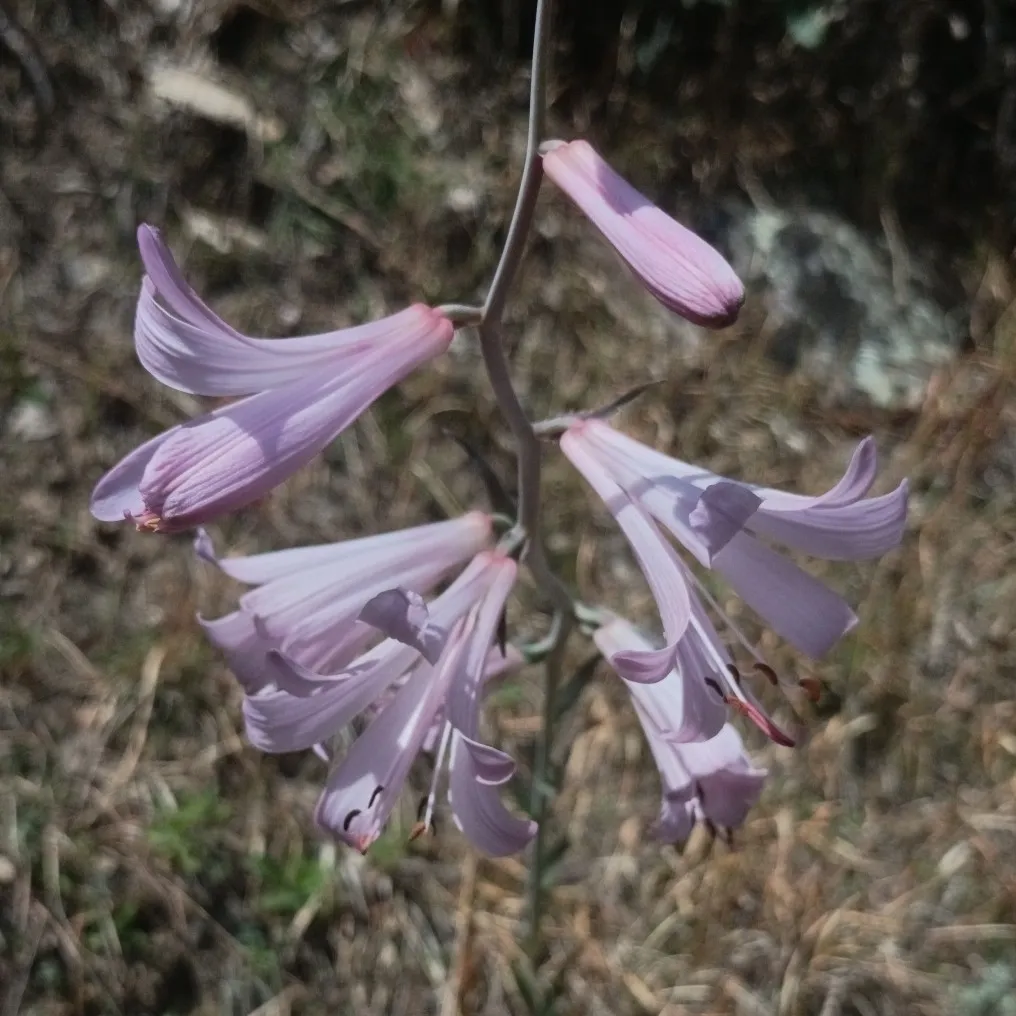
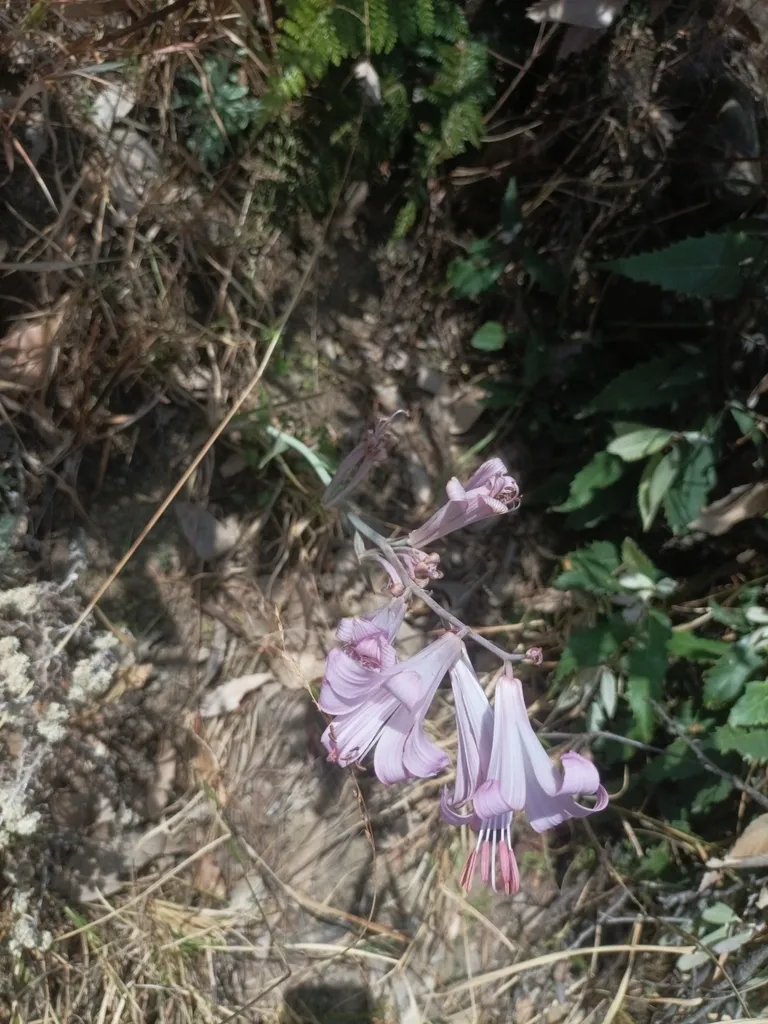
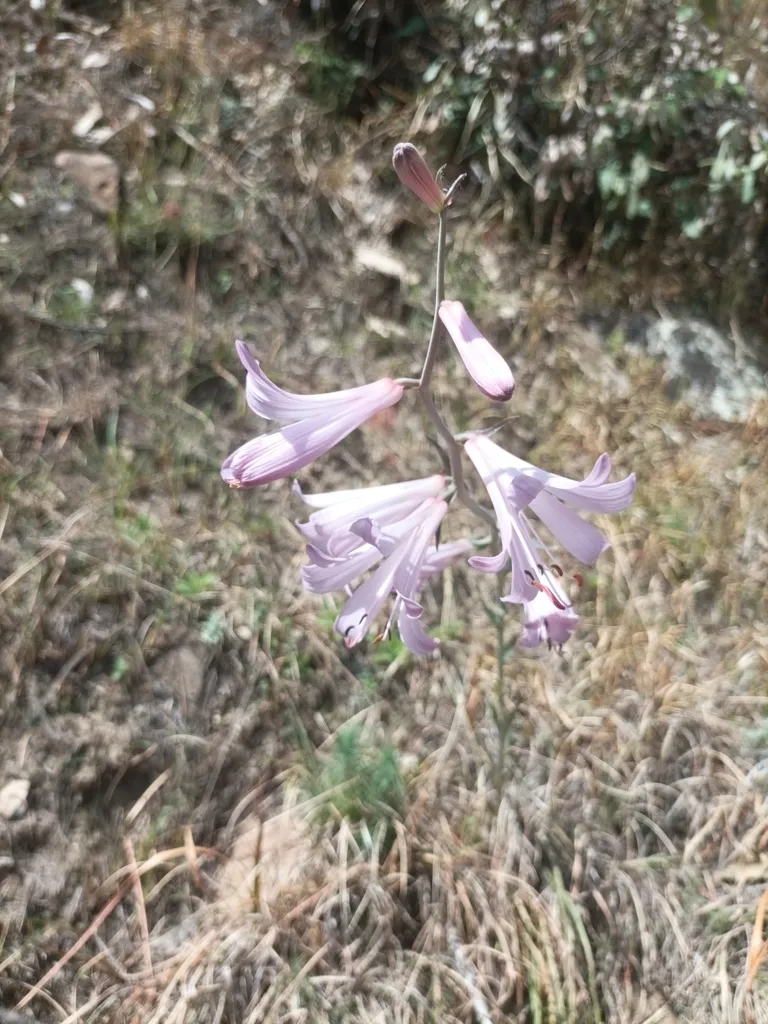
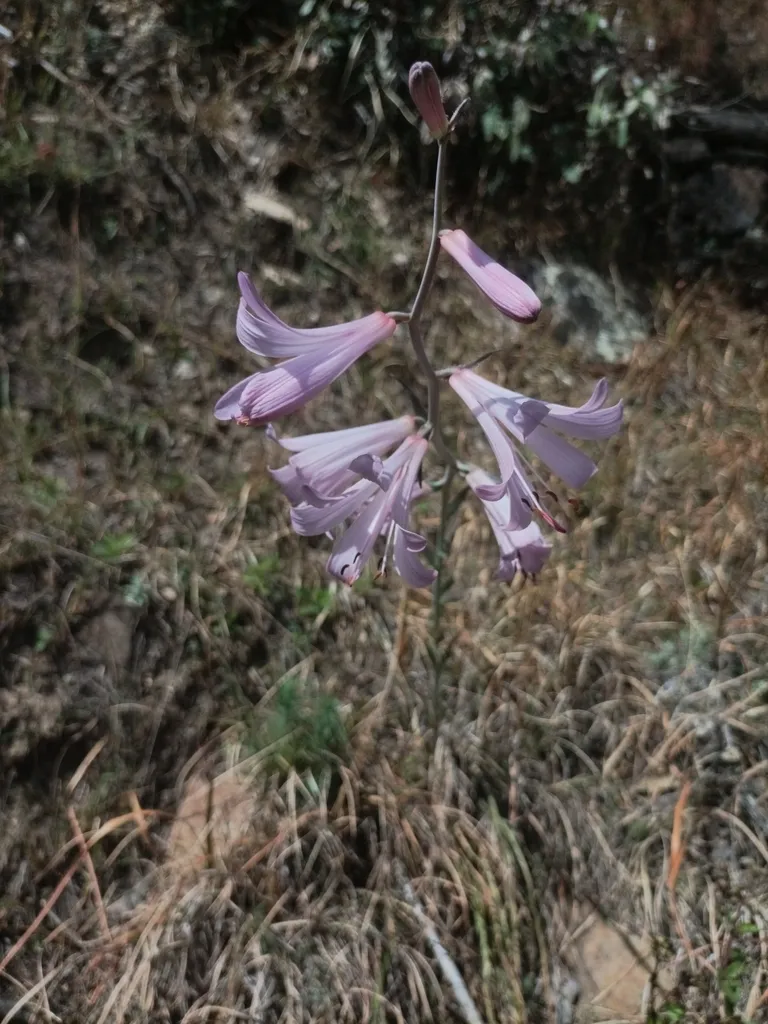
N. thompsonianum is a bulbous perennial with narrow, bright green, strap-shaped leaves, up to 45cm at the base, shorter on the stems. The scented, pale lilac-pink, lily-like flowers are produced in spikes of 10 to 30 in early summer
Scientific classification
- Species
- Thomson's lily (Notholirion thomsonianum)
- Genus
- Notholirion
- Family
- Liliaceae
- Information to be completed
- Toxicity
- Conservatory Greenhouse · Bulbs
- Plant type
- 0.5-1 metres
- Height
- 0.1-0.5 metres
- Spread
- Deciduous
- Foliage
- Columnar upright
- Habit
- Spring · Summer
- Season of interest
- Full sun
- Sunlight
- Information to be completed
- Ideal temperature









Thomson's lily pictures
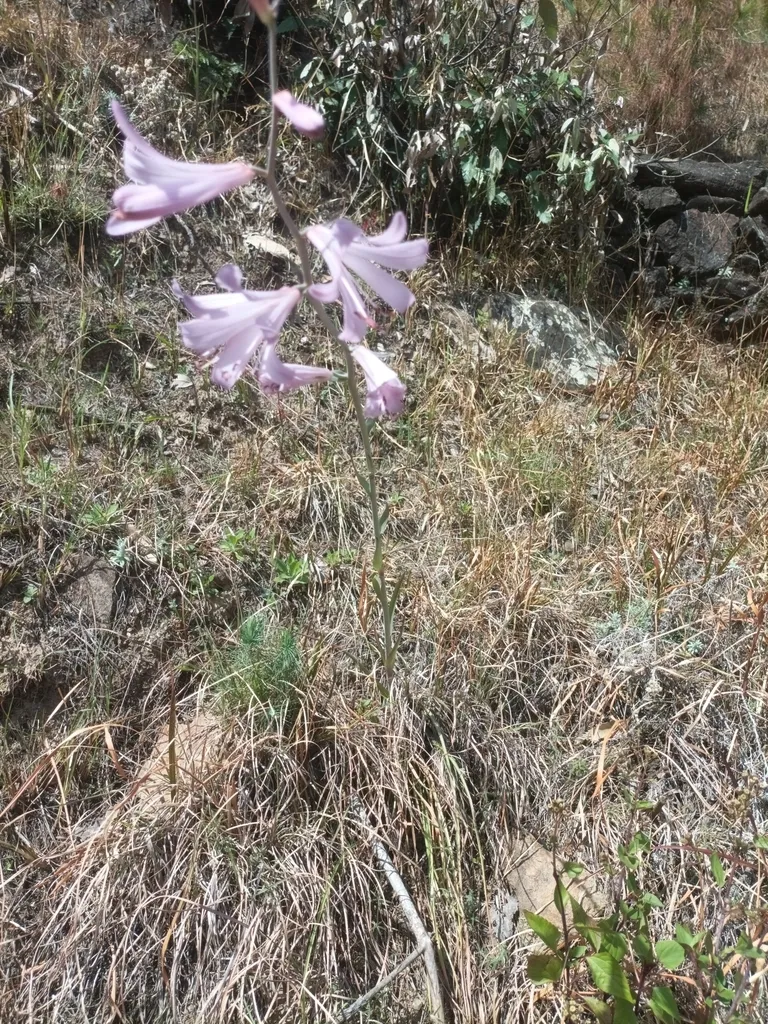
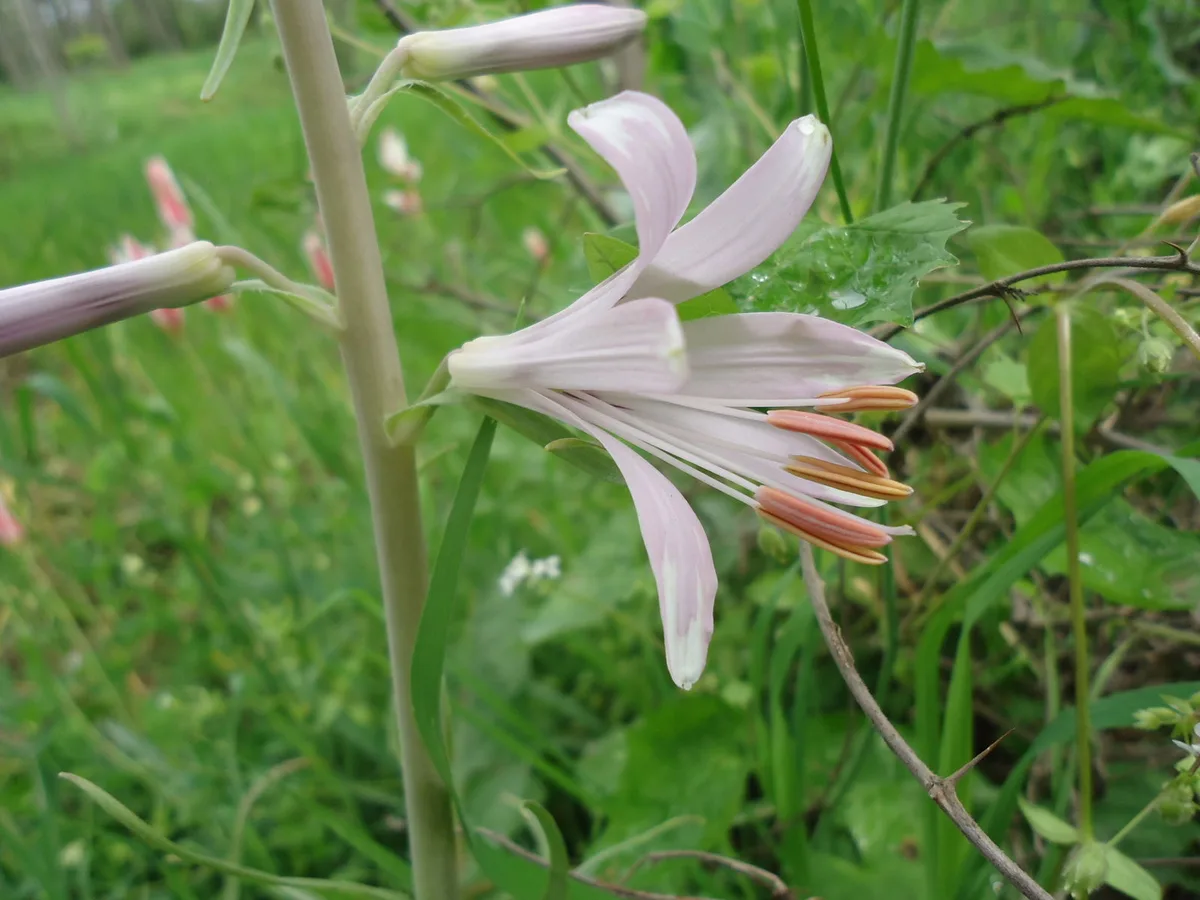
Distribution of Thomson's lily
Distribution map
- Native
- Introduced
- Cultivated
Source:WCVP v16 · Royal Botanic Gardens, Kew · CC BY 3.0 · Boundaries:WGSRPD / TDWG
Culture
Information to be completed
Toxicity
Information to be completed
Quick identification of Thomson's lily
Information to be completed
Thomson's lily care guide
- Moderate regular watering, avoid prolonged drought or waterlogging
- Watering
- Full sun
- Sunlight
- Information to be completed
- Ideal temperature

Watering
Moderate regular watering, avoid prolonged drought or waterlogging
Fertilizing
 Fertilizing
Balanced feed in spring and light repeat in growth season
Pruning
 Pruning
Deadhead after flowering and allow foliage to die down naturally
Propagation
 Propagation
Propagate by seed, or by separating bulblets in autumn
Growing
 Growing
Plant 10-15cm deep in autumn. Outdoors plant in deep, humus-rich, moist but well drained soil in a sunny position. Provide protection during severe or prolonged frosts. Under glass plant in large containers of loamless potting compost with added leaf mould and sharp sand in bright, filtered light.
People also ask
Information to be completed
Common pests and diseases
Diseases
Generally disease free
Pests
Susceptible to slugs and snails
Explore the plant health library →




