
phlox 'Hesperis'
Also known as: Information to be completed
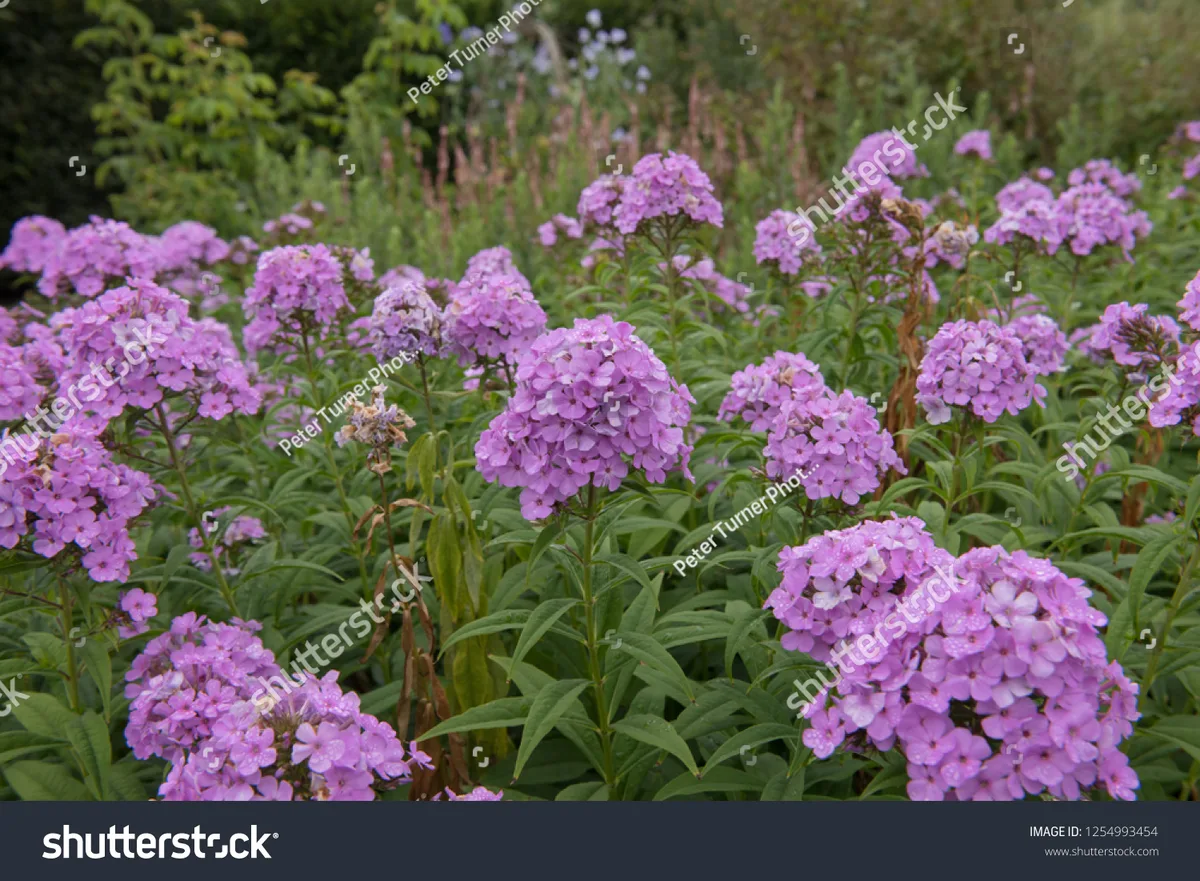
An upright perennial, with leafy stems to 80cm in height. Domed heads of lilac-pink scented flowers appear from midsummer into early autumn
Scientific classification
- Species
- phlox 'Hesperis' (Phlox × arendsii 'Hesperis')
- Genus
- Phlox
- Family
- Polemoniaceae
- Order
- Ericales
- Class
- Magnoliopsida
- Phylum
- Magnoliophyta
- Information to be completed
- Toxicity
- Herbaceous Perennial
- Plant type
- 0.5-1 metres
- Height
- 0.1-0.5 metres
- Spread
- Deciduous
- Foliage
- Clump forming
- Habit
- Spring · Summer · Autumn
- Season of interest
- Partial shade · Full sun
- Sunlight
- Information to be completed
- Ideal temperature









phlox 'Hesperis' pictures
phlox 'Hesperis' care guide
- Evenly moist humus soil, drain all excess standing water rapidly
- Watering
- Partial shade · Full sun
- Sunlight

Watering
Evenly moist humus soil, drain all excess standing water rapidly
Fertilizing
 Fertilizing
Diluted perennial phlox feed every three weeks spring and summer time
Pruning
 Pruning
Deadhead to promote flowering, and cut back in autumn
Propagation
 Propagation
Propagate by division in autumn or spring, by basal cuttings in spring or by root cuttings in early autumn or winter
Growing
 Growing
Grow in fertile, moist soil in full sun or partial shade
Common pests and diseases
Diseases
May be susceptible to powdery mildews, leafy gall and leaf spot
Pests
May be susceptible to stem eelworms
Explore the plant health library →




