
tupelo
Also known as: black gum tree; common tupelo tree; cotton gum; pepperidge; sour gum tree
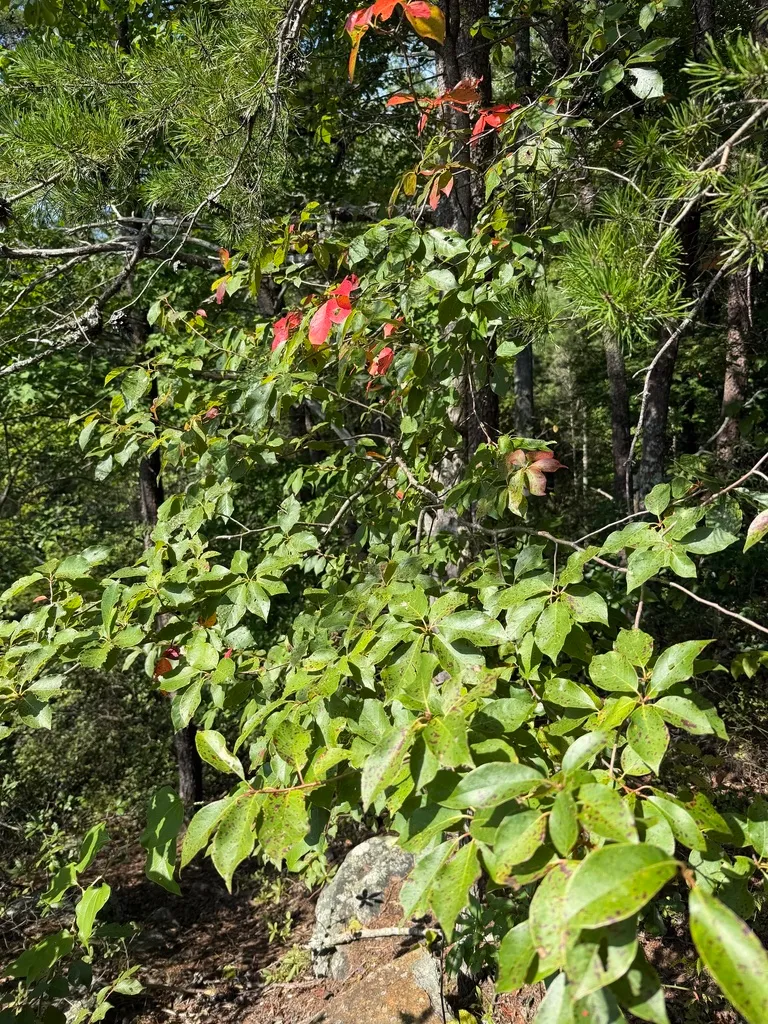
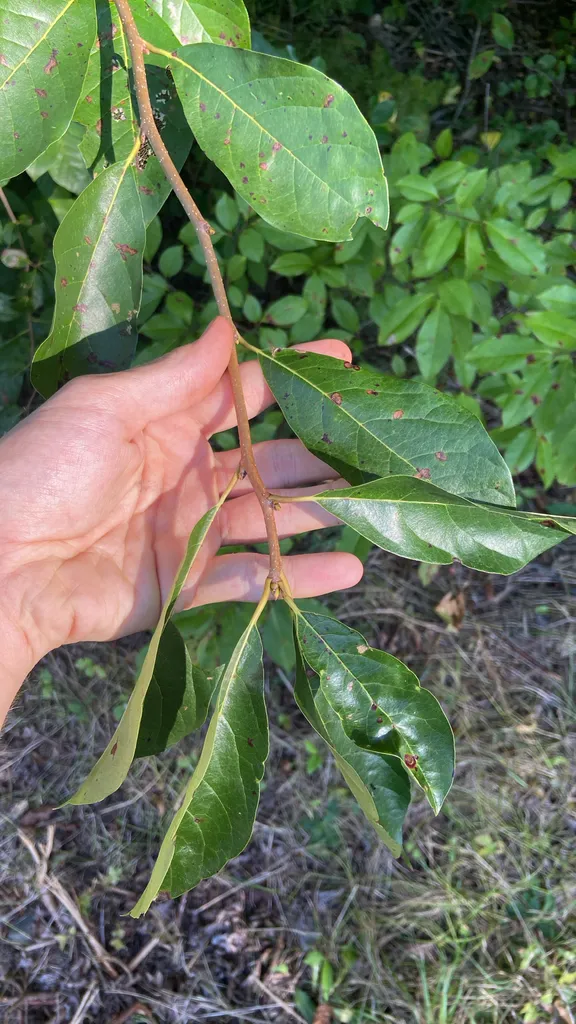
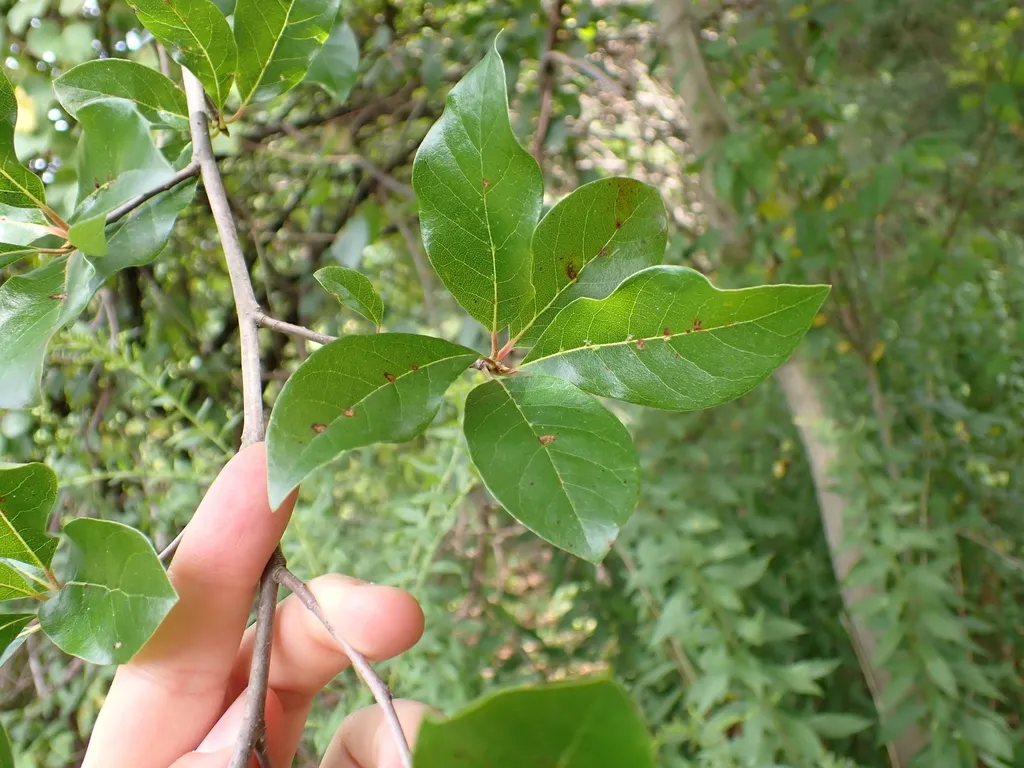
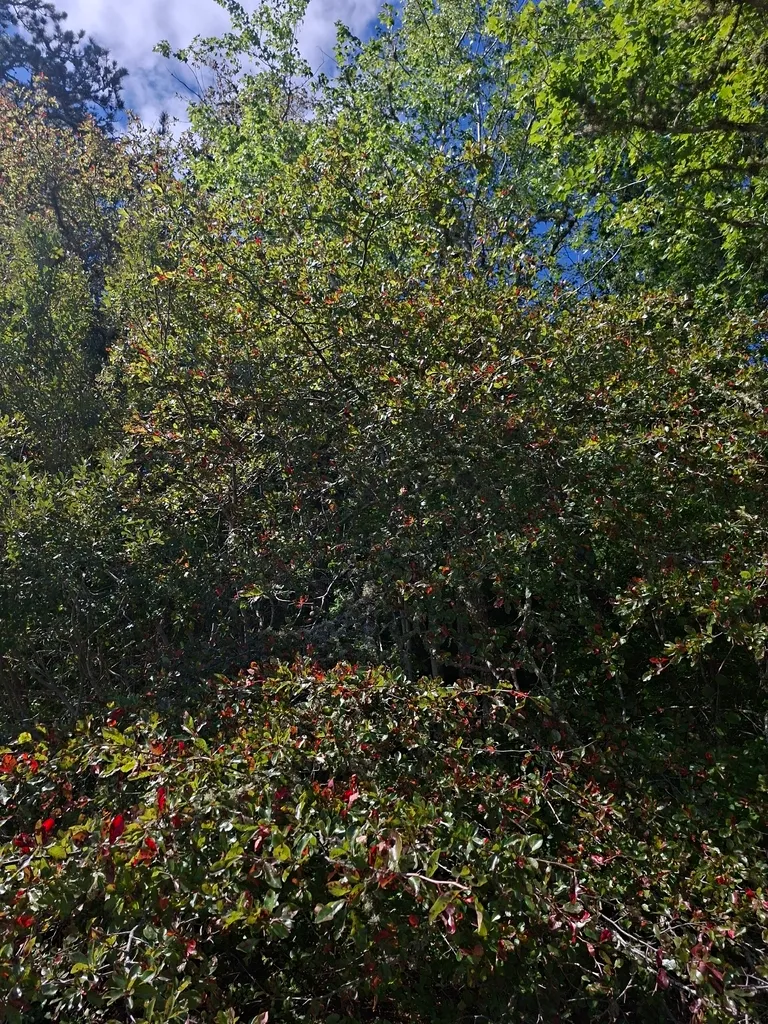
N. sylvatica is a small, slow-growing deciduous tree of elegant, broadly conical habit. Ovate leaves to 15cm in length turn brilliant red and yellow in autumn. Flowers and fruits inconspicuous
Scientific classification
- Species
- tupelo (Nyssa sylvatica)
- Genus
- Nyssa
- Family
- Nyssaceae
- Information to be completed
- Toxicity
- Trees
- Plant type
- Higher than 12 metres
- Height
- wider than 8 metres
- Spread
- Deciduous
- Foliage
- Bushy
- Habit
- Autumn · Spring · Summer
- Season of interest
- Full sun · Partial shade
- Sunlight
- Information to be completed
- Ideal temperature









tupelo pictures
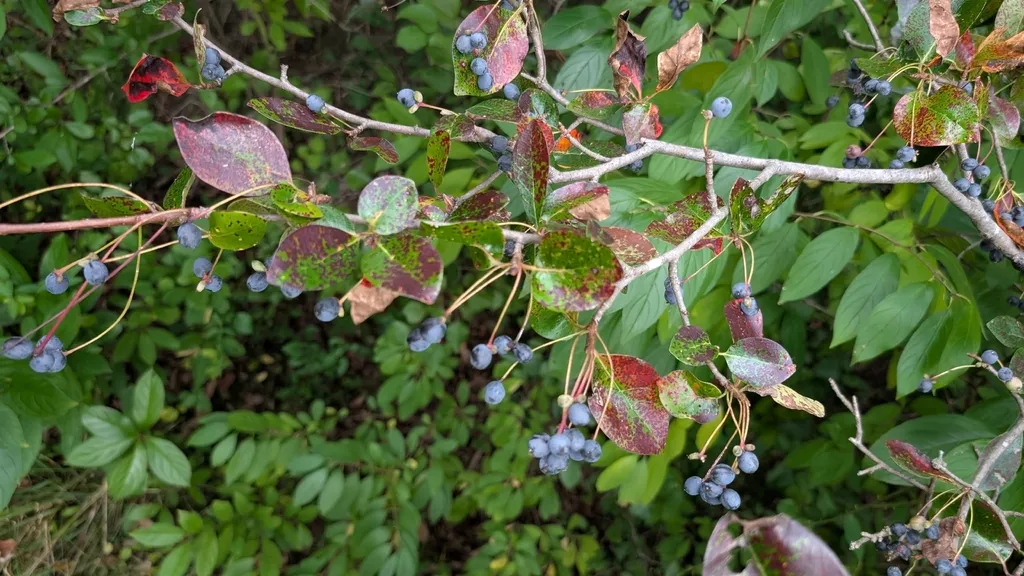
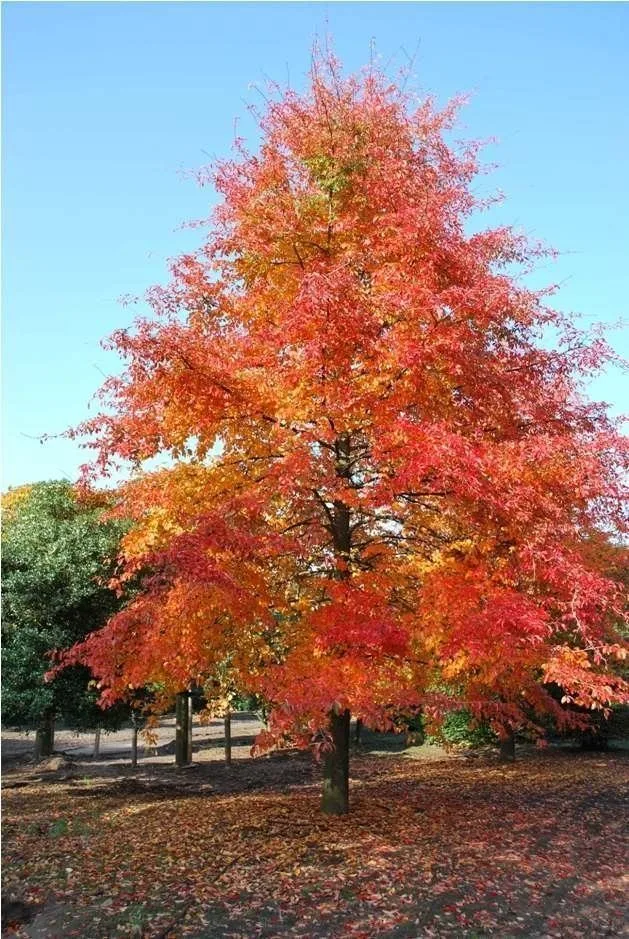
Distribution of tupelo
Distribution map
Eastern Northern America
Information to be completed
Culture
Information to be completed
Toxicity
Information to be completed
Quick identification of tupelo
Information to be completed
tupelo care guide
- Deep watering during dry spells, allowing slight surface drying between soakings
- Watering
- Full sun · Partial shade
- Sunlight
- Information to be completed
- Ideal temperature

Watering
Deep watering during dry spells, allowing slight surface drying between soakings
Fertilizing
 Fertilizing
Balanced shrub or tree feed once each early spring
Pruning
 Pruning
Little pruning is needed. Remove diseased, damaged, crowded or crossing shoots and unwanted growth. Timing depends on the plant: generally late winter or early spring; plants prone to bleeding and deciduous magnolias need different timing, and deciduous azaleas and lilacs are pruned after flowering.
Propagation
 Propagation
Propagate by seed sown in a seedbed in autumn or by softwood cuttings in early summer or semi-hardwood cuttings in mid-summer
Growing
 Growing
Grow in moist, humus-rich, fertile soils with shelter from cold, dry winds. Resents transplanting so grow from small containerised plants
People also ask
Information to be completed
Common pests and diseases
Diseases
May be susceptible to honey fungus in gardens where it is present but insufficient data to determine degree of susceptibility
Pests
Generally pest-free
Explore the plant health library →




