
gout plant
Also known as: Guatemala rhubarb; tartogo
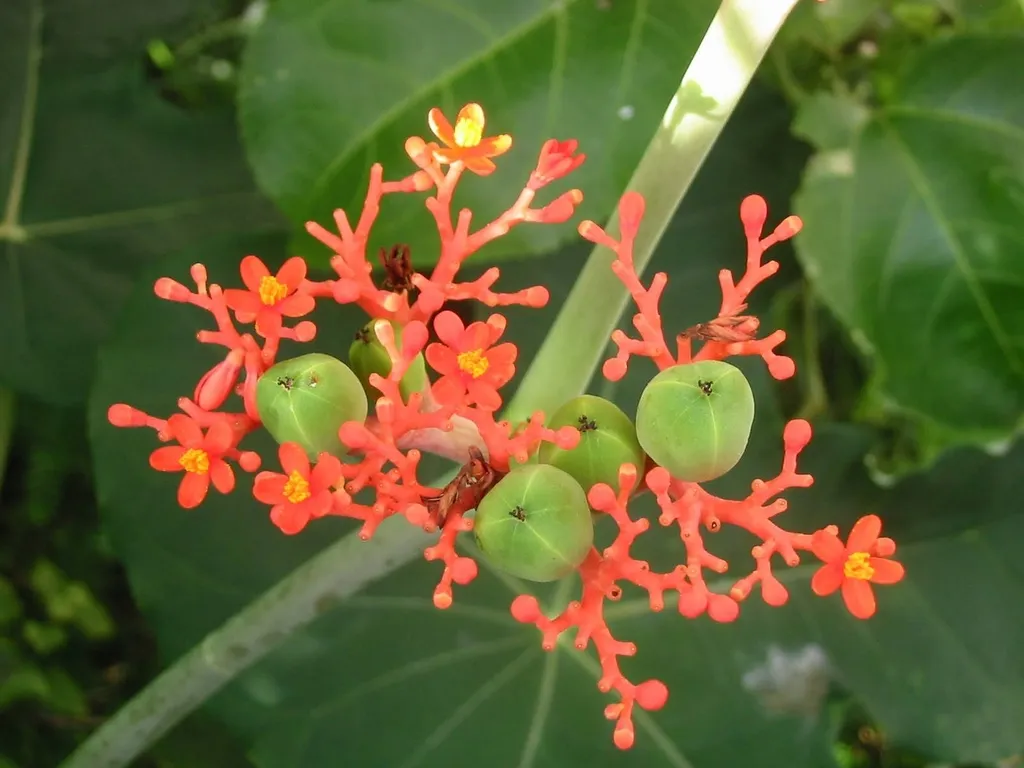
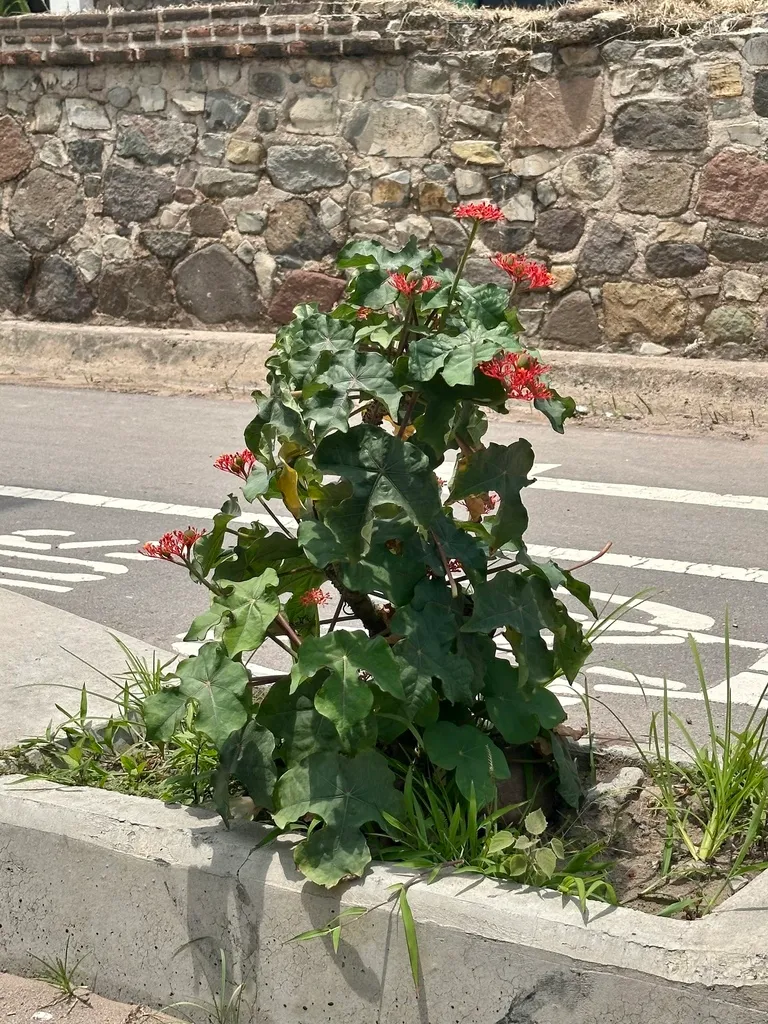
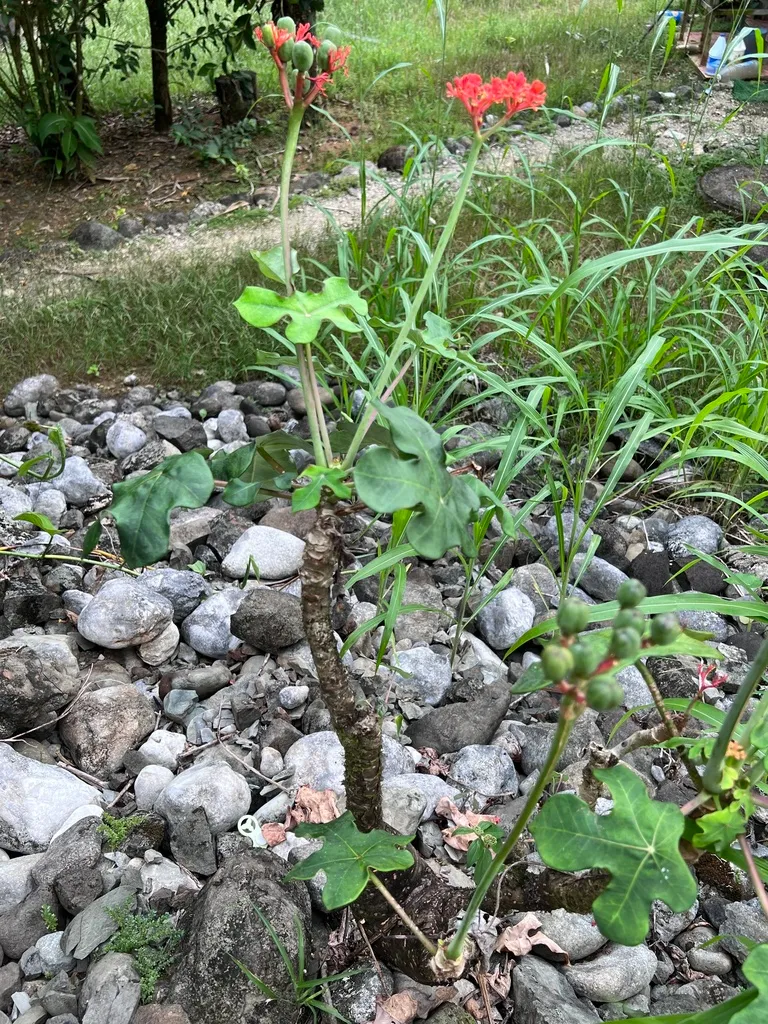
J. podagrica is a shrubby perennial with a short stout caudex and branched fleshy, spiny stems bearing leathery 3 or 5-lobed leaves, whitish beneath, clustered at the tips, and small bright scarlet flowers in branched terminal clusters in summer
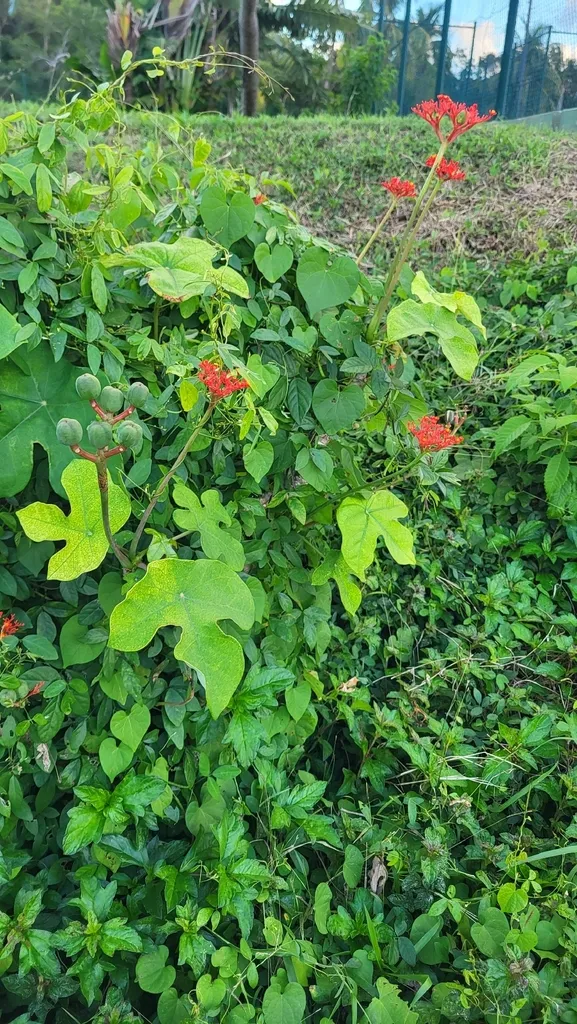
Scientific classification
- Species
- gout plant (Jatropha podagrica)
- Genus
- Jatropha
- Family
- Euphorbiaceae
- Order
- Malpighiales
- Class
- Magnoliopsida
- Phylum
- Magnoliophyta
- Harmful if eaten. Wear gloves and other protective equipment when handling
- Toxicity
- Cactus Succulent
- Plant type
- 0.1-0.5 metres
- Height
- 0.1-0.5 metres
- Spread
- Deciduous
- Foliage
- Bushy
- Habit
- Summer
- Season of interest
- Full sun · Partial shade
- Sunlight
- Information to be completed
- Ideal temperature









gout plant pictures
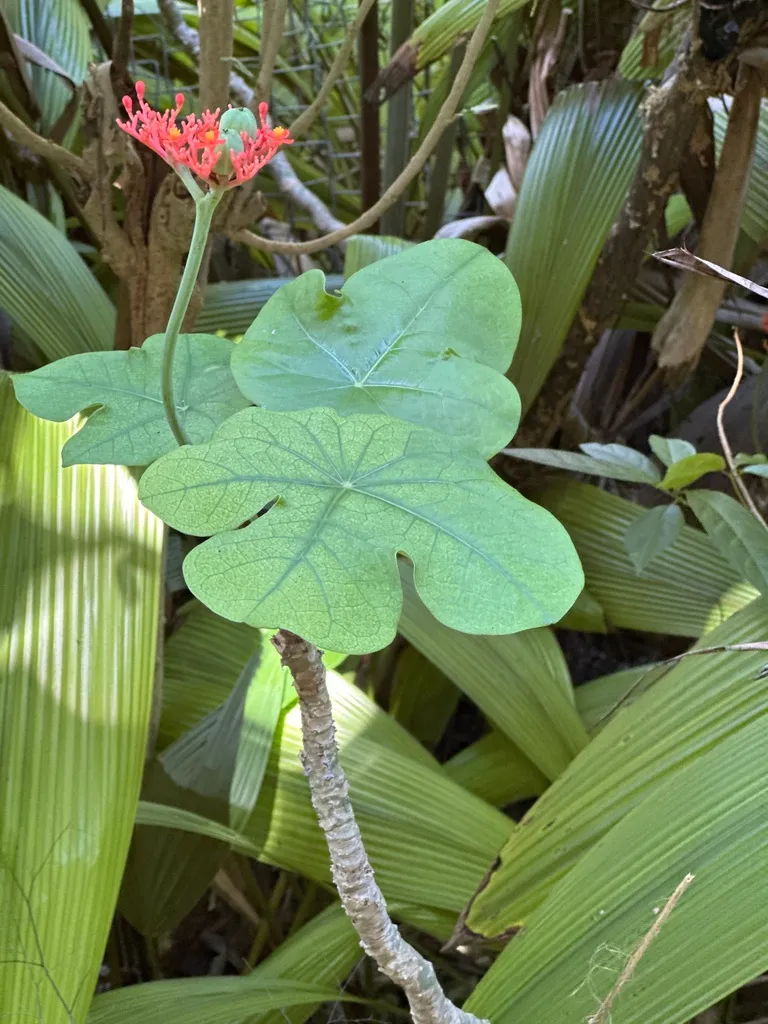
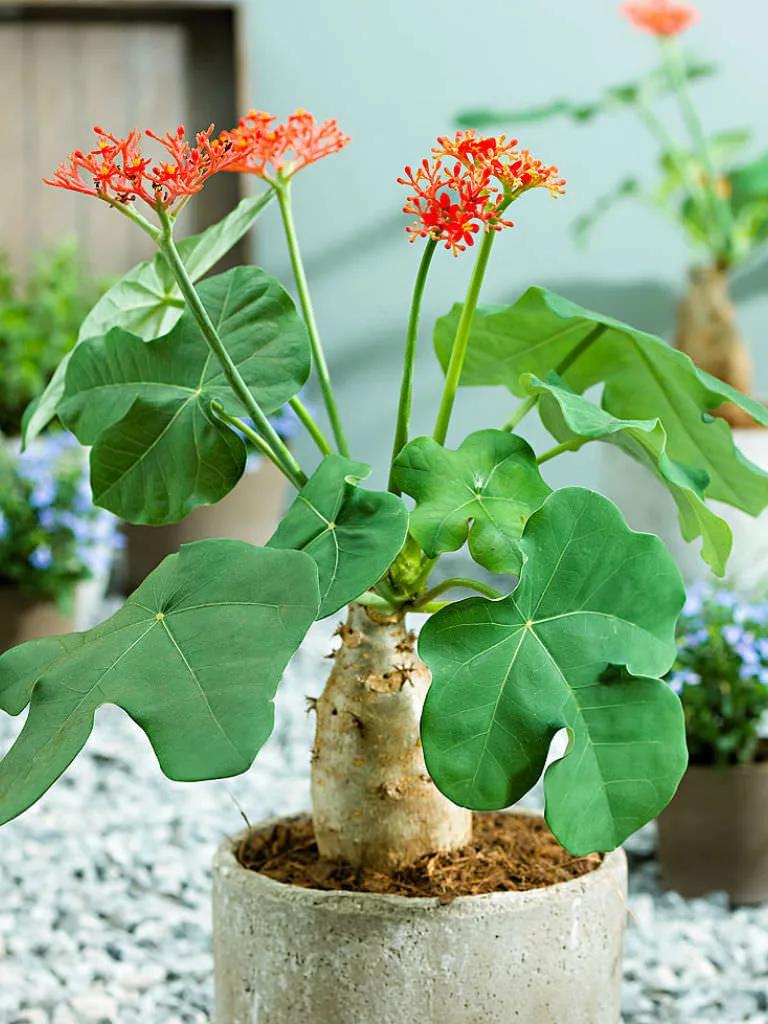
Distribution of gout plant
Distribution map
- Native
- Introduced
- Cultivated
Source:WCVP v16 · Royal Botanic Gardens, Kew · CC BY 3.0 · Boundaries:WGSRPD / TDWG
Toxicity
Harmful if eaten. Wear gloves and other protective equipment when handling
gout plant care guide
- Moderate regular watering, avoid prolonged drought or waterlogging
- Watering
- Full sun · Partial shade
- Sunlight

Watering
Moderate regular watering, avoid prolonged drought or waterlogging
Fertilizing
 Fertilizing
Balanced feed in spring and light repeat in growth season
Pruning
 Pruning
No pruning required
Propagation
 Propagation
Propagate by seed sown in containers in spring or summer at 24C (75F)
Growing
 Growing
Under glass grow in 2 parts loam based compost (JI No2) and one part each of leafmould and grit. Provide full light with some protection from hot sun. Water moderately during the growing season and keep dry in the autumn and winter
Common pests and diseases
Diseases
Generally disease-free
Pests
May be susceptible to mealybugs
Explore the plant health library →




