
hen gorse
Also known as: red bartsia; red eyebright cow wheat
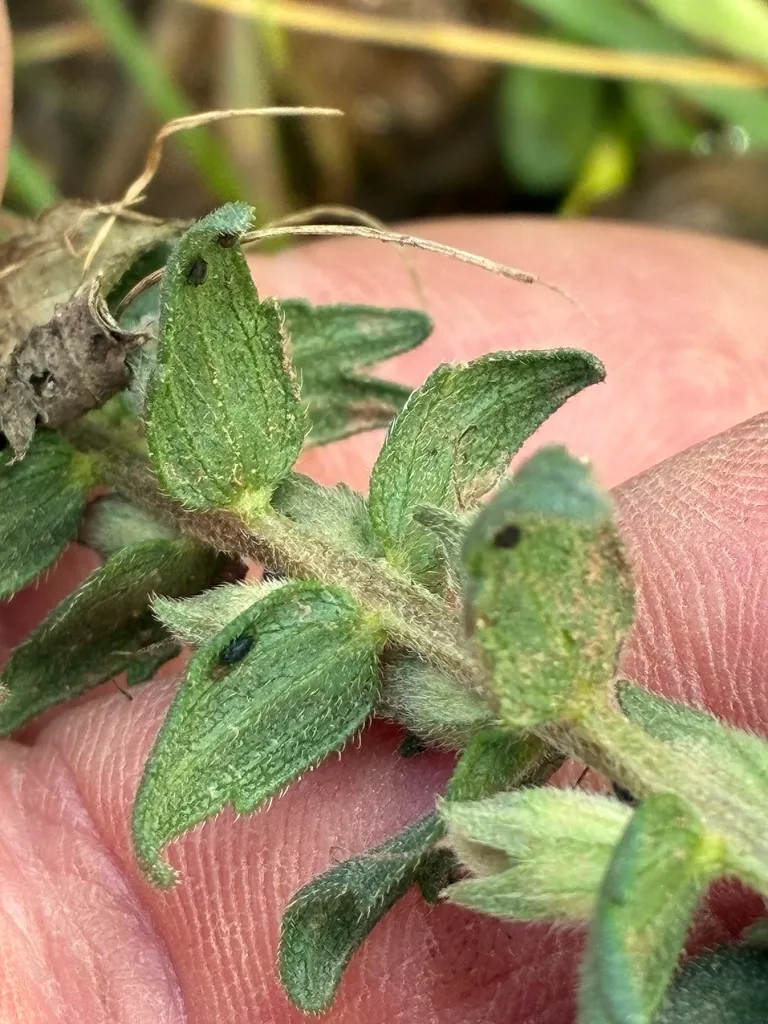
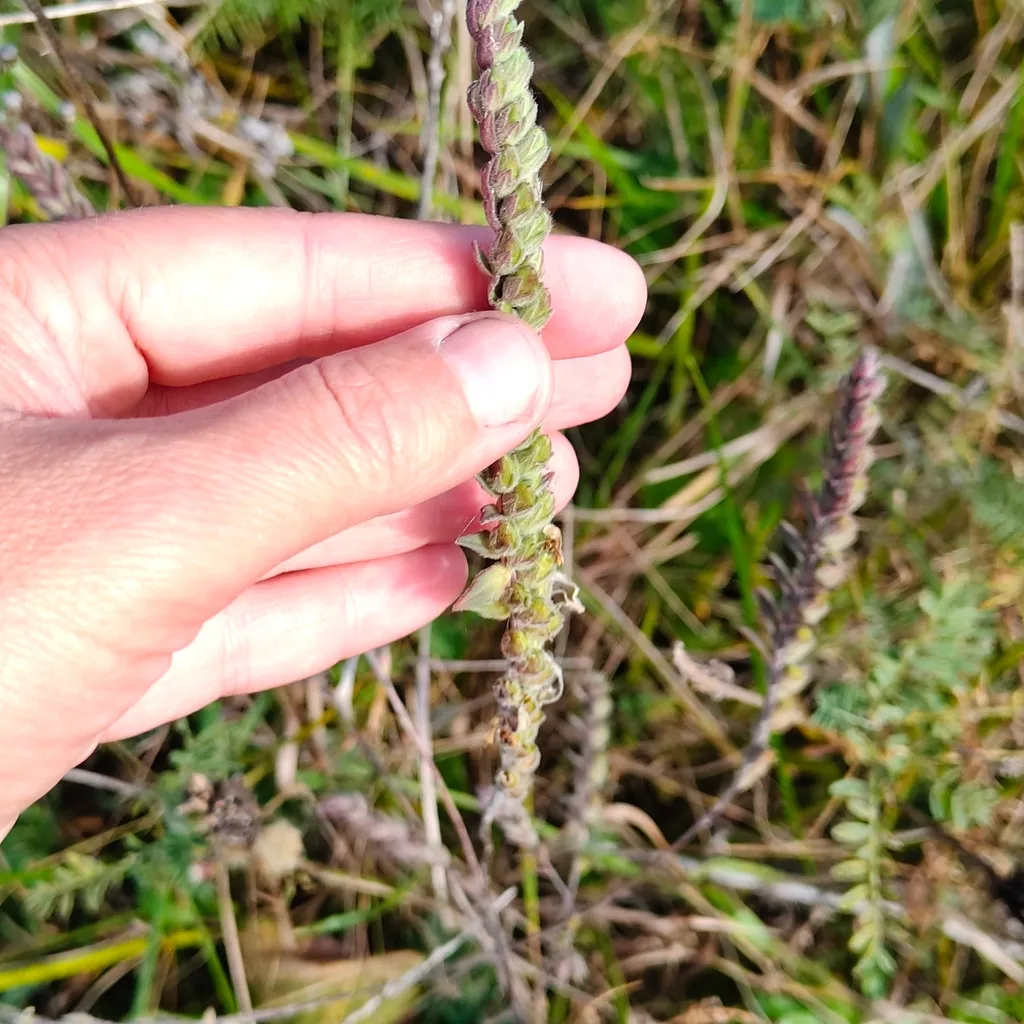
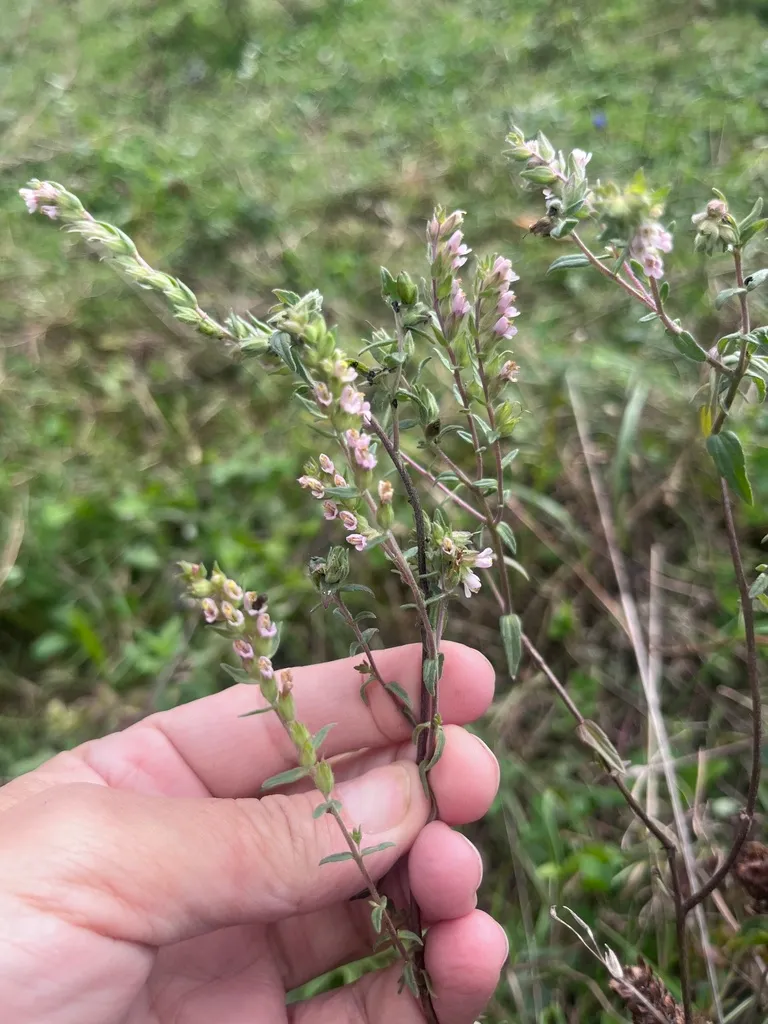
An annual to 50cm tall with slender, upright, branched and downy stems bearing oblong to lance-shaped, toothed leaves up to 3cm long and pink, two-lipped flowers in summer. Commonly found growing wild in grasslands, this annual is semi-parasitic on grass roots
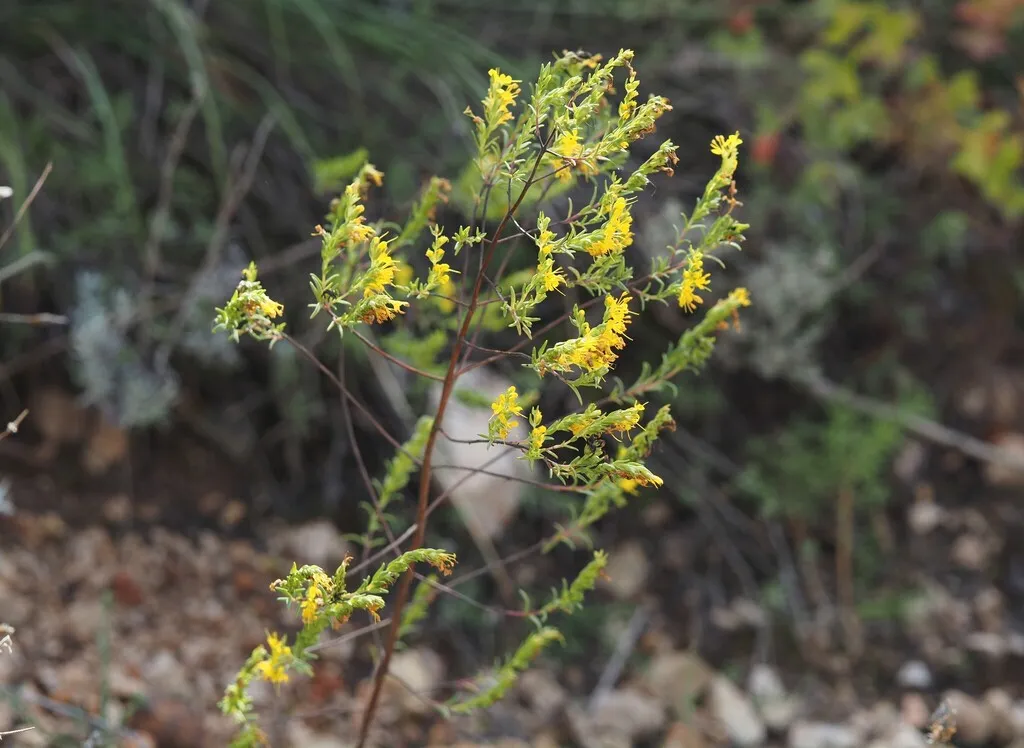
Scientific classification
- Species
- hen gorse (Odontites vernus)
- Genus
- Odontites
- Family
- Orobanchaceae
- Order
- Lamiales
- Class
- Magnoliopsida
- Phylum
- Magnoliophyta
- Information to be completed
- Toxicity
- Annual Biennial
- Plant type
- 0.1-0.5 metres
- Height
- 0.1-0.5 metres
- Spread
- Deciduous
- Foliage
- Columnar upright
- Habit
- Spring · Summer · Autumn
- Season of interest
- Full sun
- Sunlight
- Information to be completed
- Ideal temperature









hen gorse pictures
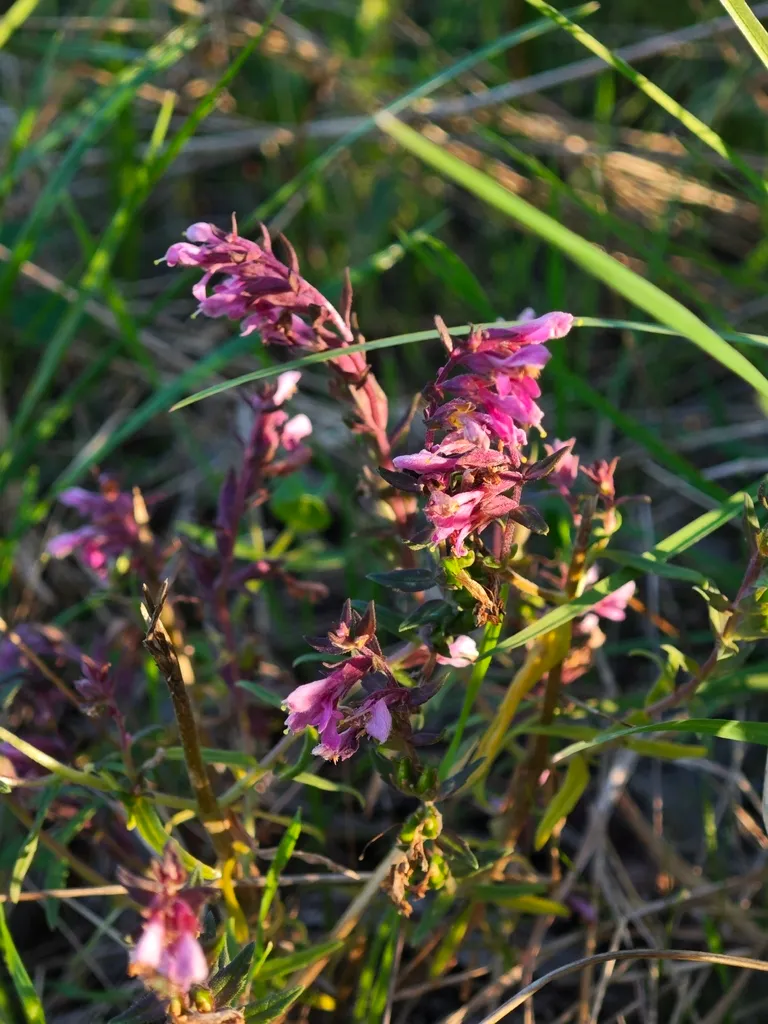
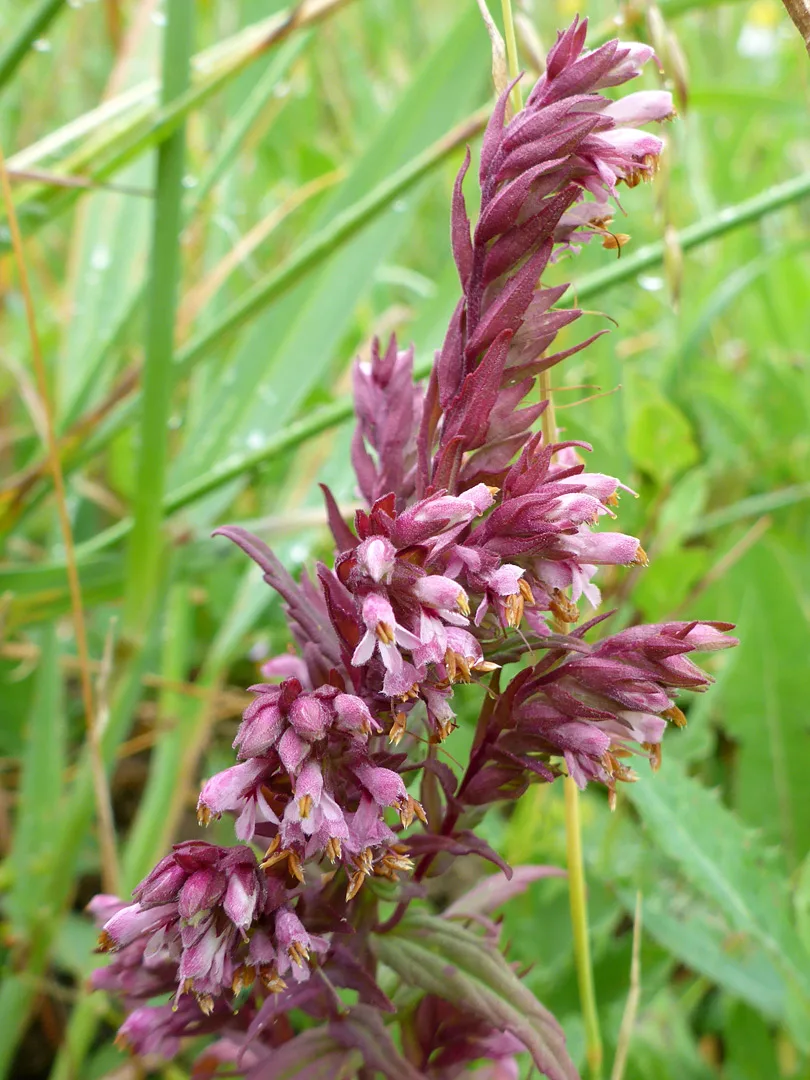
Distribution of hen gorse
Distribution map
- Native
- Introduced
- Cultivated
Source:WCVP v16 · Royal Botanic Gardens, Kew · CC BY 3.0 · Boundaries:WGSRPD / TDWG
hen gorse care guide
- Moderate regular watering, avoid prolonged drought and stagnant waterlogging
- Watering
- Full sun
- Sunlight

Watering
Moderate regular watering, avoid prolonged drought and stagnant waterlogging
Fertilizing
 Fertilizing
Balanced perennial feed every four weeks spring through summer growth
Pruning
 Pruning
No pruning required
Propagation
 Propagation
Propagate by seed
Growing
 Growing
Grows best in well-drained soils with low fertility and in full sun
Common pests and diseases
Diseases
Generally disease-free
Pests
Generally pest-free
Explore the plant health library →




