
tubular water dropwort
Also known as: Information to be completed
A wetland perennial, ranging in height from 20cm to almost 1m, with pinnate, slightly grey-green leaves divided into lobed and toothed leaflets. Flat to dome-shaped clusters of tiny white flowers are borne on tall, hollow stems from mid summer to early autumn
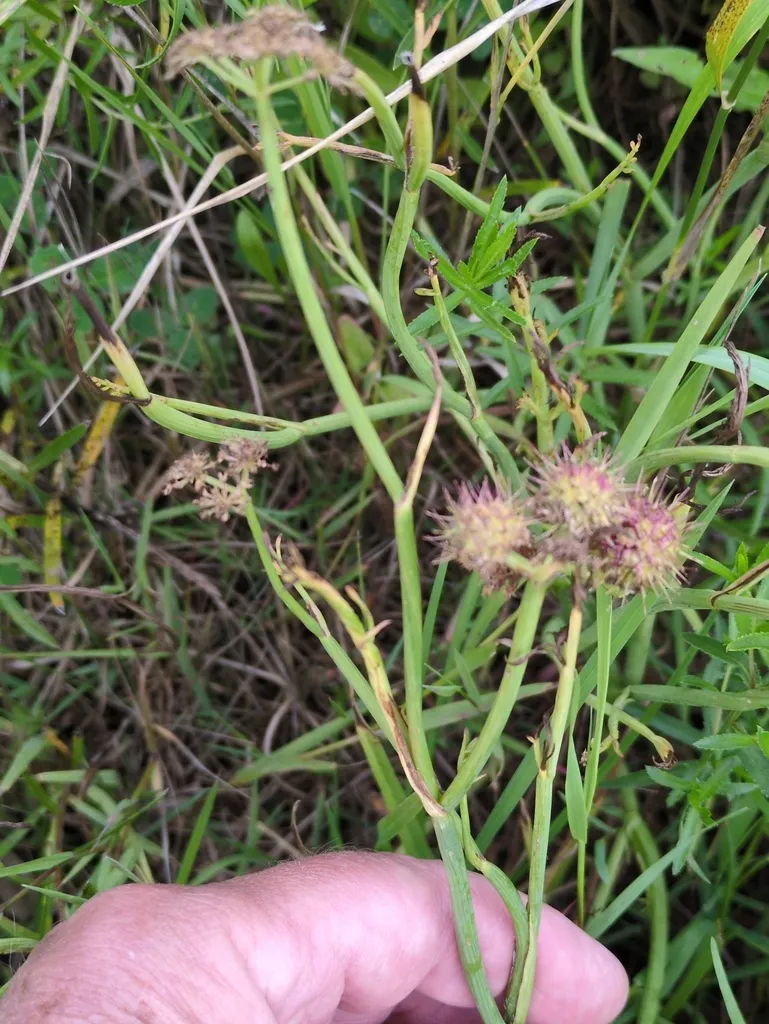
Scientific classification
- Species
- tubular water dropwort (Oenanthe fistulosa)
- Genus
- Oenanthe
- Family
- Apiaceae
- Order
- Apiales
- Class
- Magnoliopsida
- Phylum
- Magnoliophyta
- TOXIC if eaten. Wear gloves and other protective equipment when handling
- Toxicity
- Herbaceous Perennial
- Plant type
- 0.5-1 metres
- Height
- 0.1-0.5 metres
- Spread
- Deciduous
- Foliage
- Bushy · Columnar upright
- Habit
- Spring · Summer · Autumn
- Season of interest
- Full sun · Partial shade
- Sunlight
- Information to be completed
- Ideal temperature









tubular water dropwort pictures
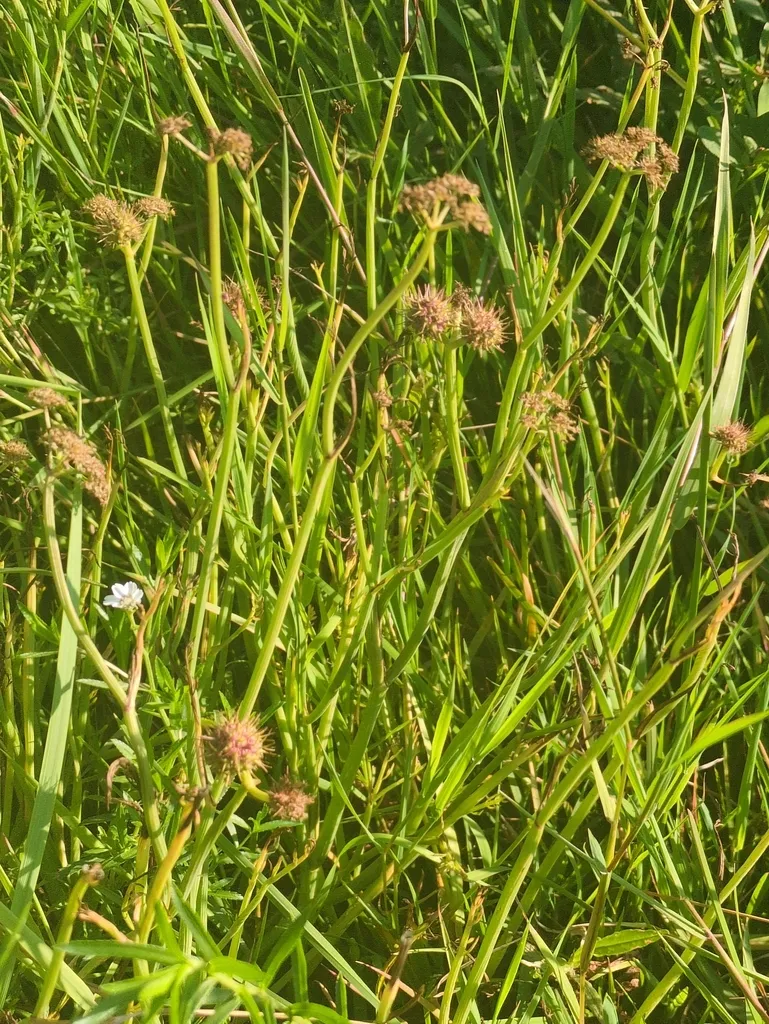
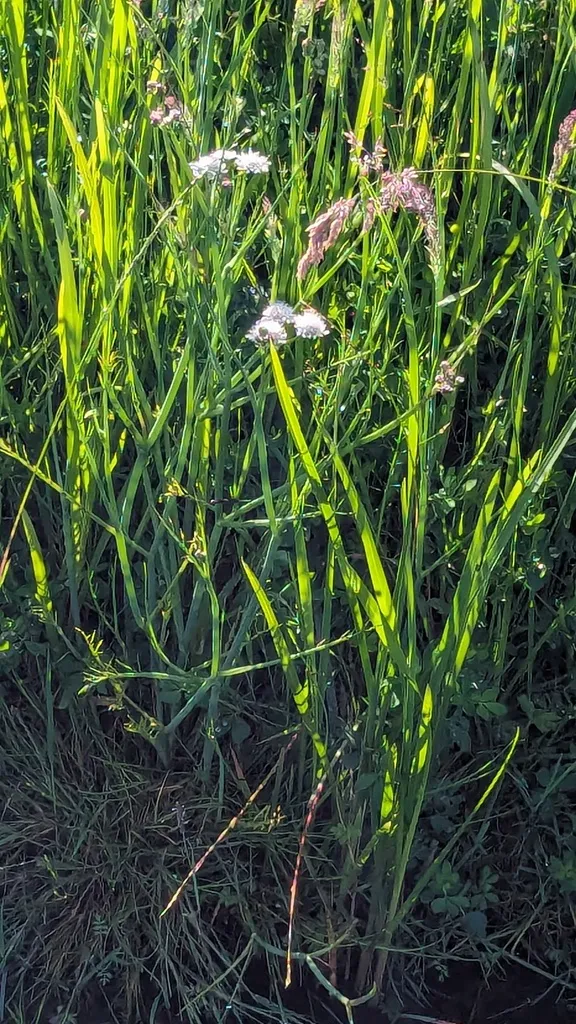
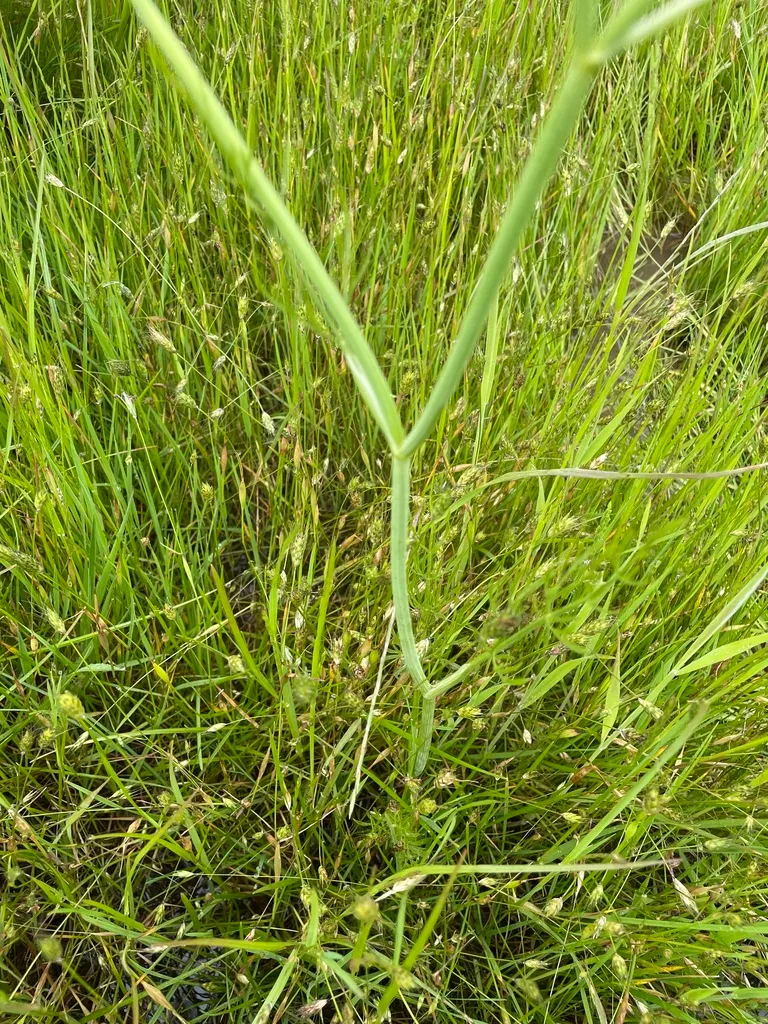
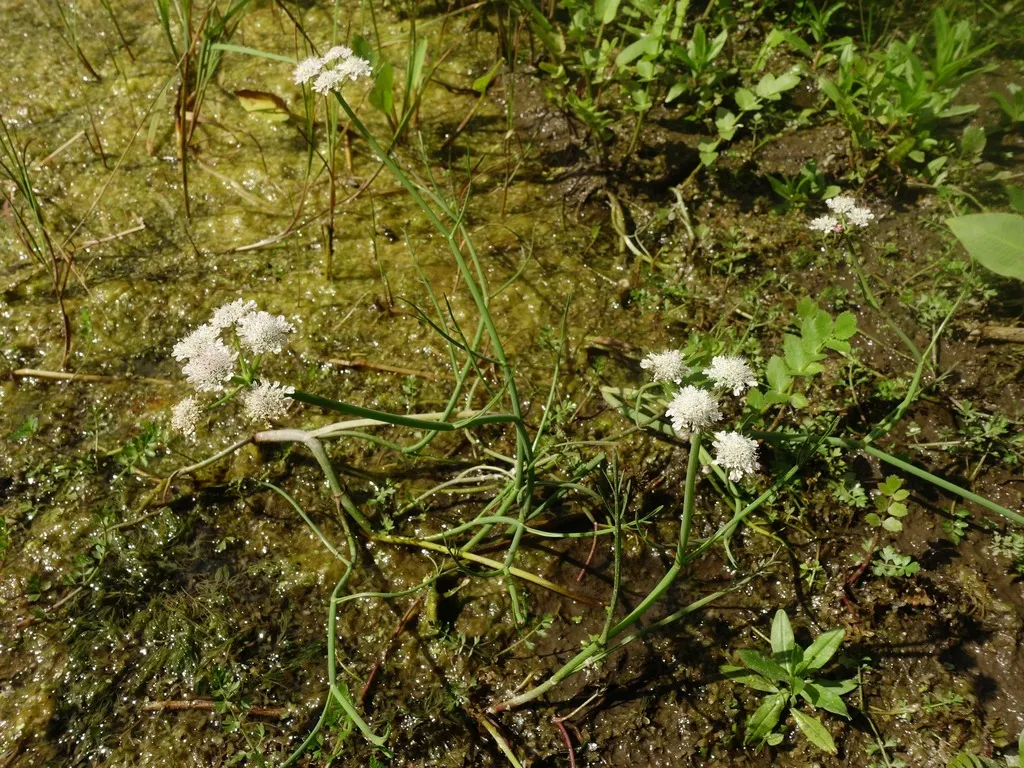
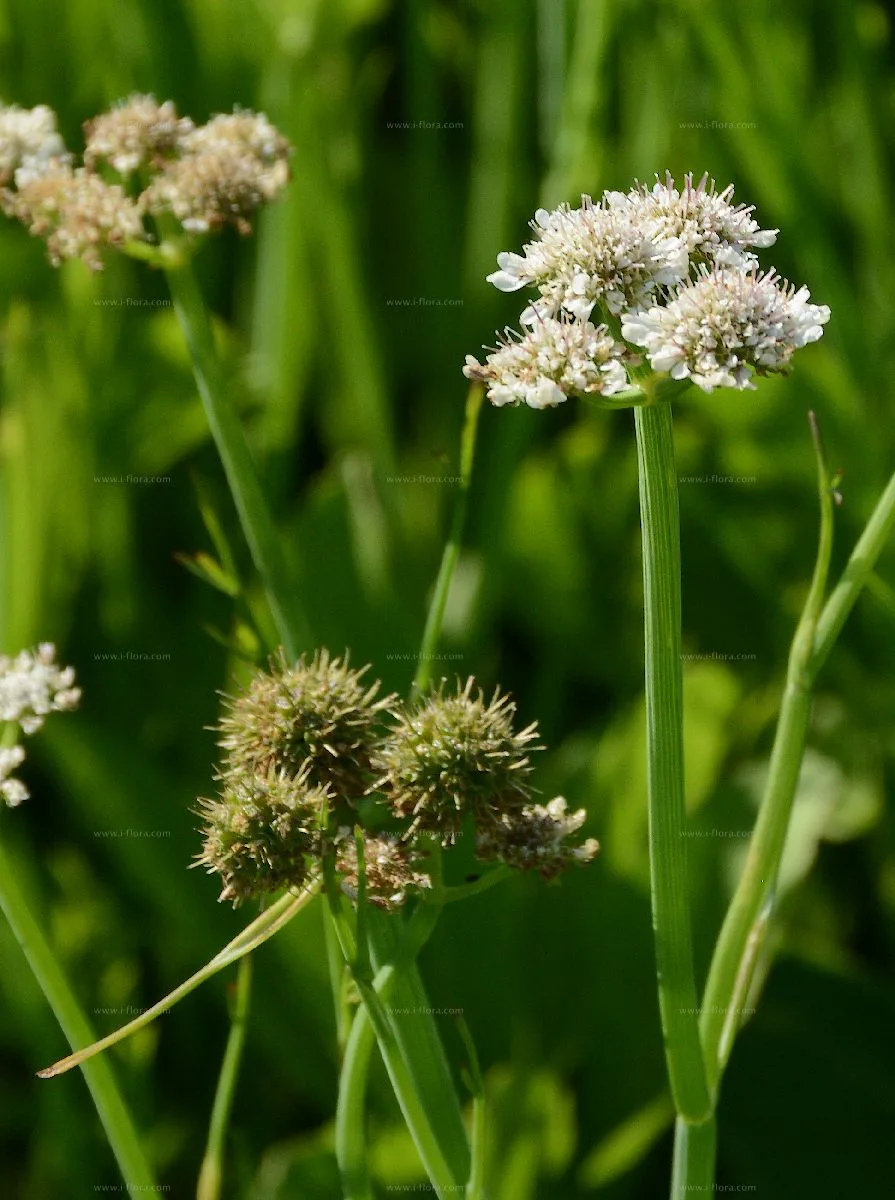
Distribution of tubular water dropwort
Distribution map
- Native
- Introduced
- Cultivated
Source:WCVP v16 · Royal Botanic Gardens, Kew · CC BY 3.0 · Boundaries:WGSRPD / TDWG
Toxicity
TOXIC if eaten. Wear gloves and other protective equipment when handling
tubular water dropwort care guide
- Submerge roots in shallow fresh water constantly all year round
- Watering
- Full sun · Partial shade
- Sunlight

Watering
Submerge roots in shallow fresh water constantly all year round
Fertilizing
 Fertilizing
Add aquatic plant fertilizer monthly during warm growing months
Pruning
 Pruning
Deadhead if seed is not required
Propagation
 Propagation
Propagate by division in late spring, as growth begins, or by softwood cuttings in spring
Growing
 Growing
Thrives in moist soil, with shelter from cold, drying winds. Suitable for a bog garden, as a marginal or as ground cover alongside streams or in areas prone to flooding
Common pests and diseases
Diseases
Generally disease-free
Pests
May be susceptible to aphids, slugs and snails
Explore the plant health library →




